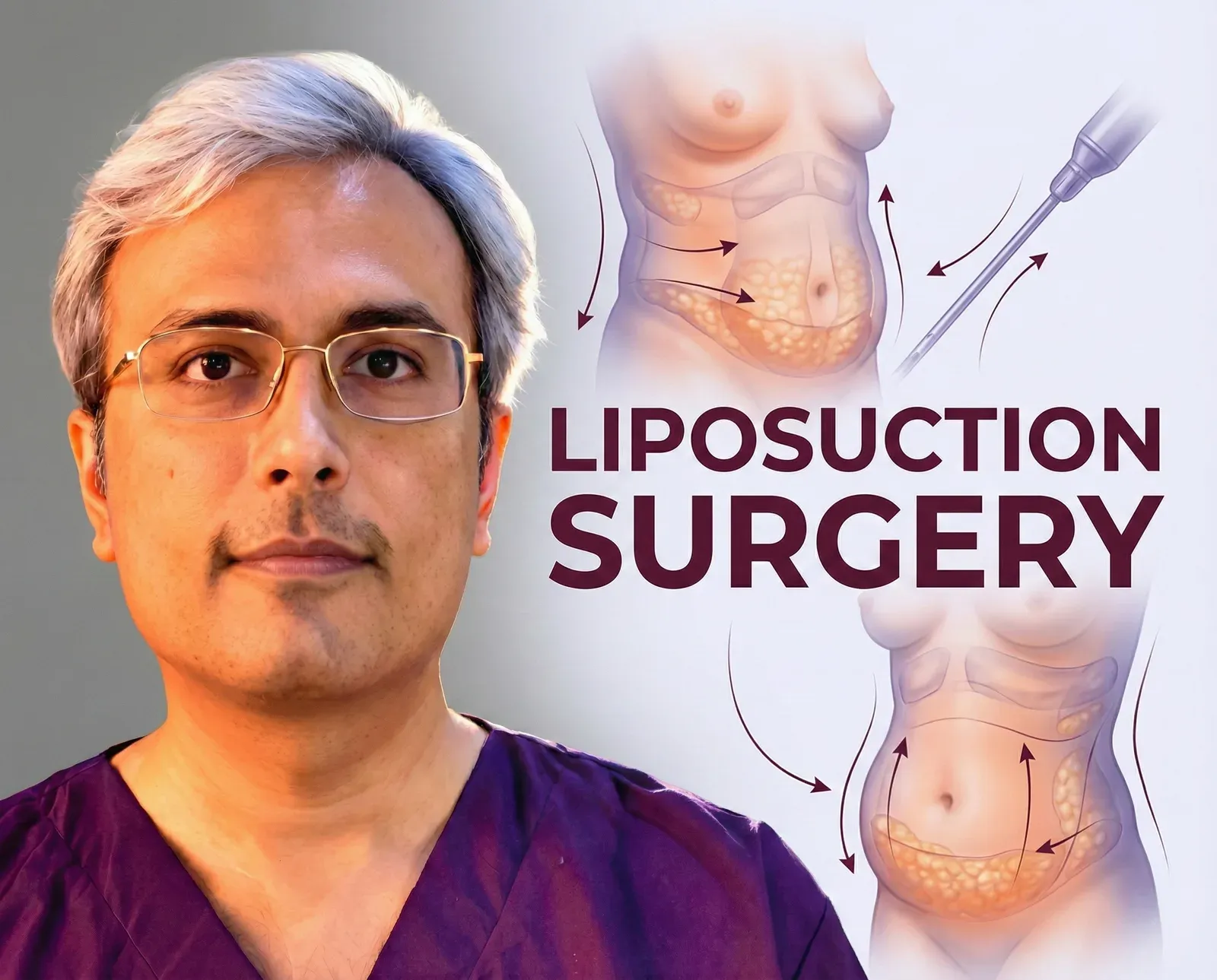

What Liposuction Can and Cannot Do
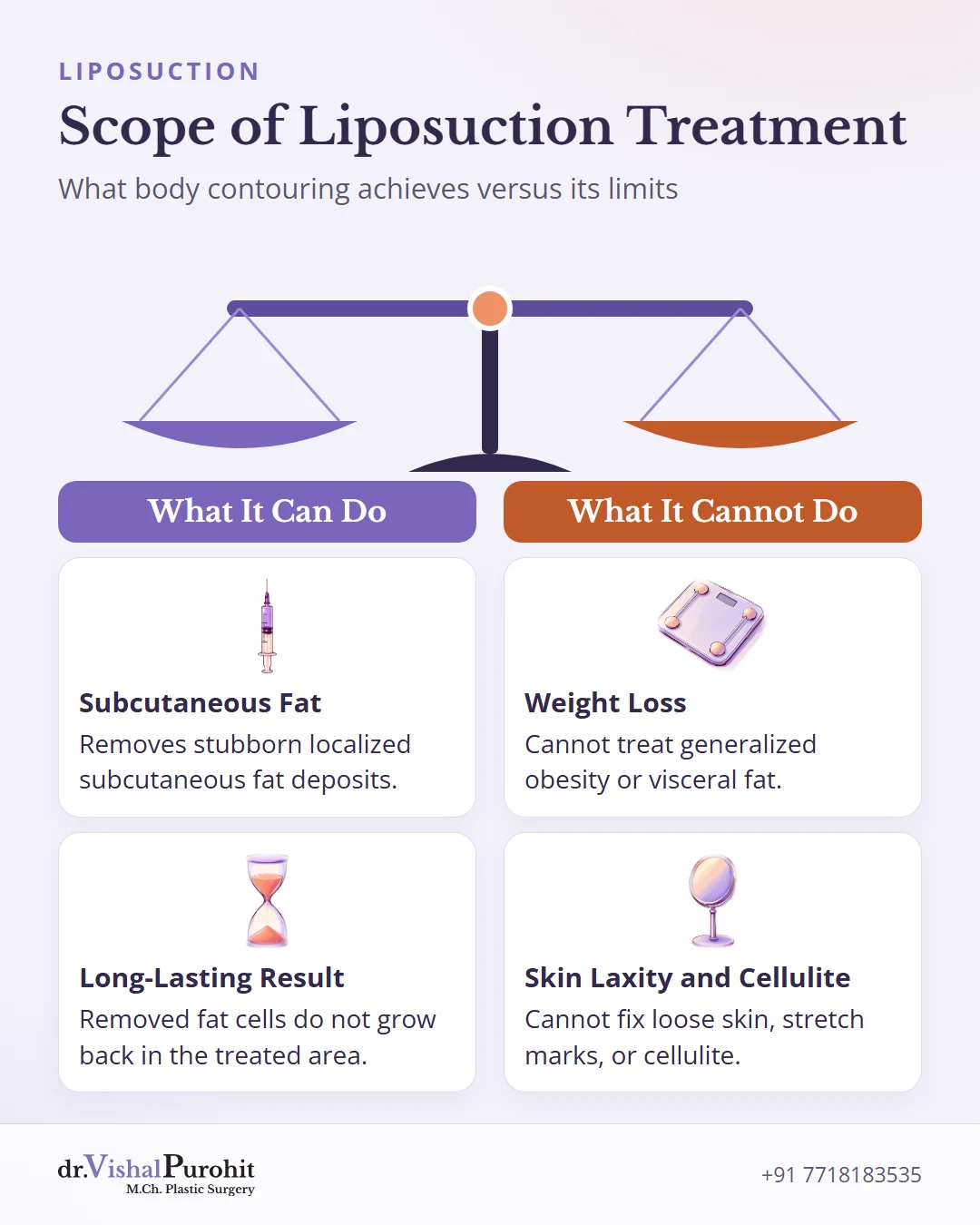
Liposuction is a surgical procedure that refines physical proportions by removing stubborn localized fat deposits. It alters the distribution of adipose tissue, which is the medical term for body fat. Understanding the anatomical scope of treatment ensures realistic expectations before undergoing surgery.
Key points
- Liposuction refines silhouette proportions by removing localized subcutaneous fat deposits rather than providing overall weight loss.
- Adults possess a fixed number of fat cells, so treated adipocytes do not return, though remaining cells can still expand with weight gain.
- The procedure cannot treat generalized obesity, visceral fat, cellulite, or skin laxity and stretch marks.
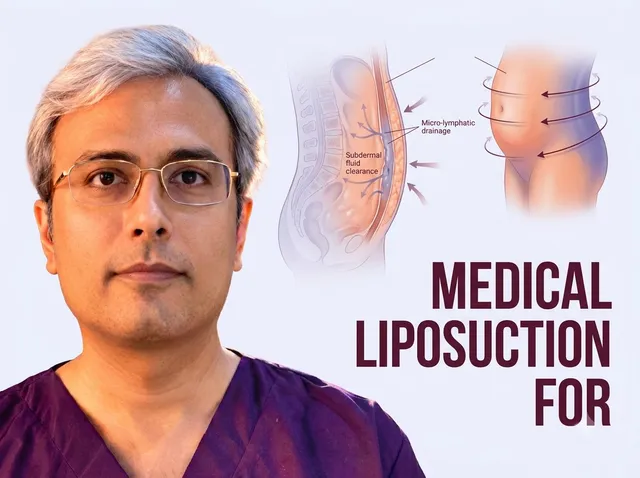
During liposuction surgery, the procedure uses small incisions to vacuum out adipocytes, which are fat cells. It effectively reduces disproportionate deposits in areas such as the abdomen, thighs, and neck.
The procedure is designed specifically for silhouette refinement. Through targeted body contouring, surgery improves anatomical harmony rather than overall scale weight. It addresses resistant pockets that do not respond to physical exercise or dietary discipline.
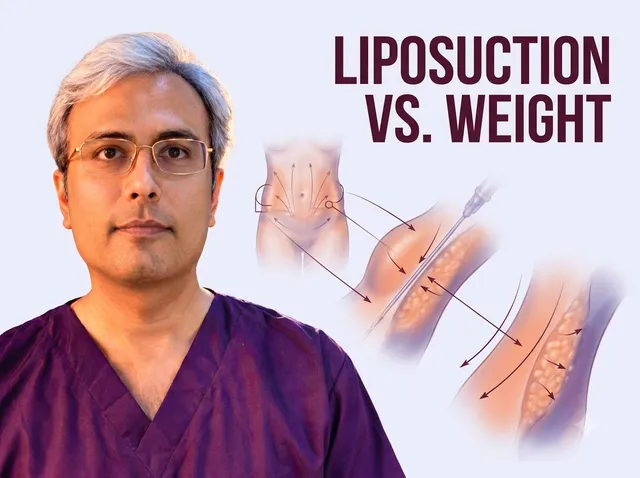
Liposuction is strictly a contouring intervention rather than a tool for weight loss or obesity treatment, and cannot replace bariatric procedures or metabolic reduction. It extracts subcutaneous fat beneath the skin, not deep visceral fat surrounding internal organs.
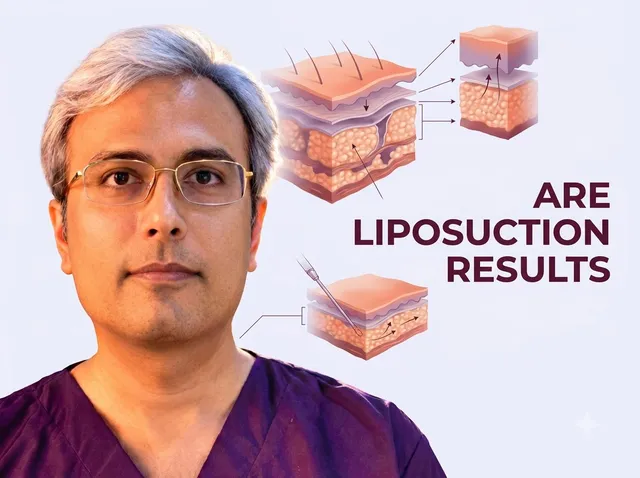
Because adults possess a fixed number of fat cells, the fat cells removed do not grow back, which is why liposuction results are long-lasting in the treated area. However, maintaining that contour requires ongoing weight stability, as remaining cells can still expand.
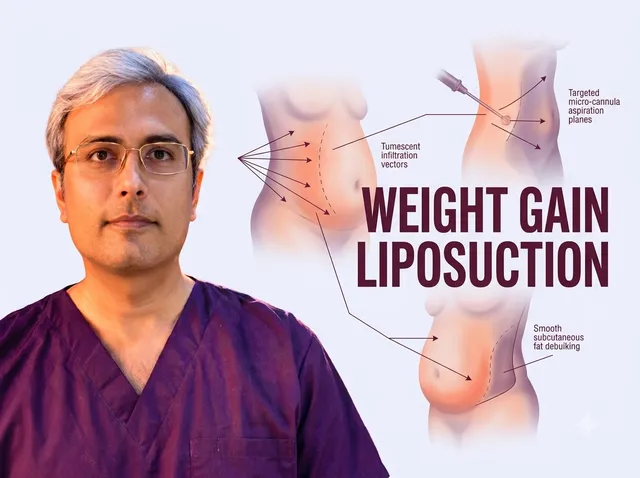
Patients must also understand metabolic responses after surgery. Significant weight gain after liposuction causes remaining adipocytes in untreated regions to enlarge from excess calories. While treated zones maintain fewer cells, notable weight gain alters overall proportions.
Liposuction cannot correct every tissue concern, and it cannot address:
- Generalized obesity or severe systemic weight excess
- Cellulite caused by fibrous bands beneath the skin
- Stretch marks or loose skin lacking adequate elasticity
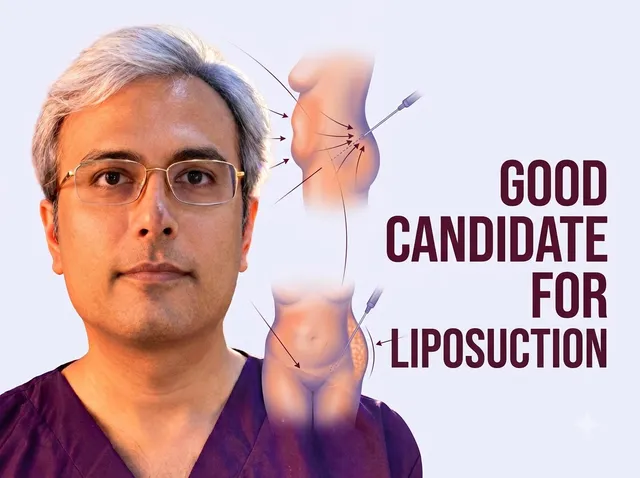
Who Is a Good Candidate for Liposuction
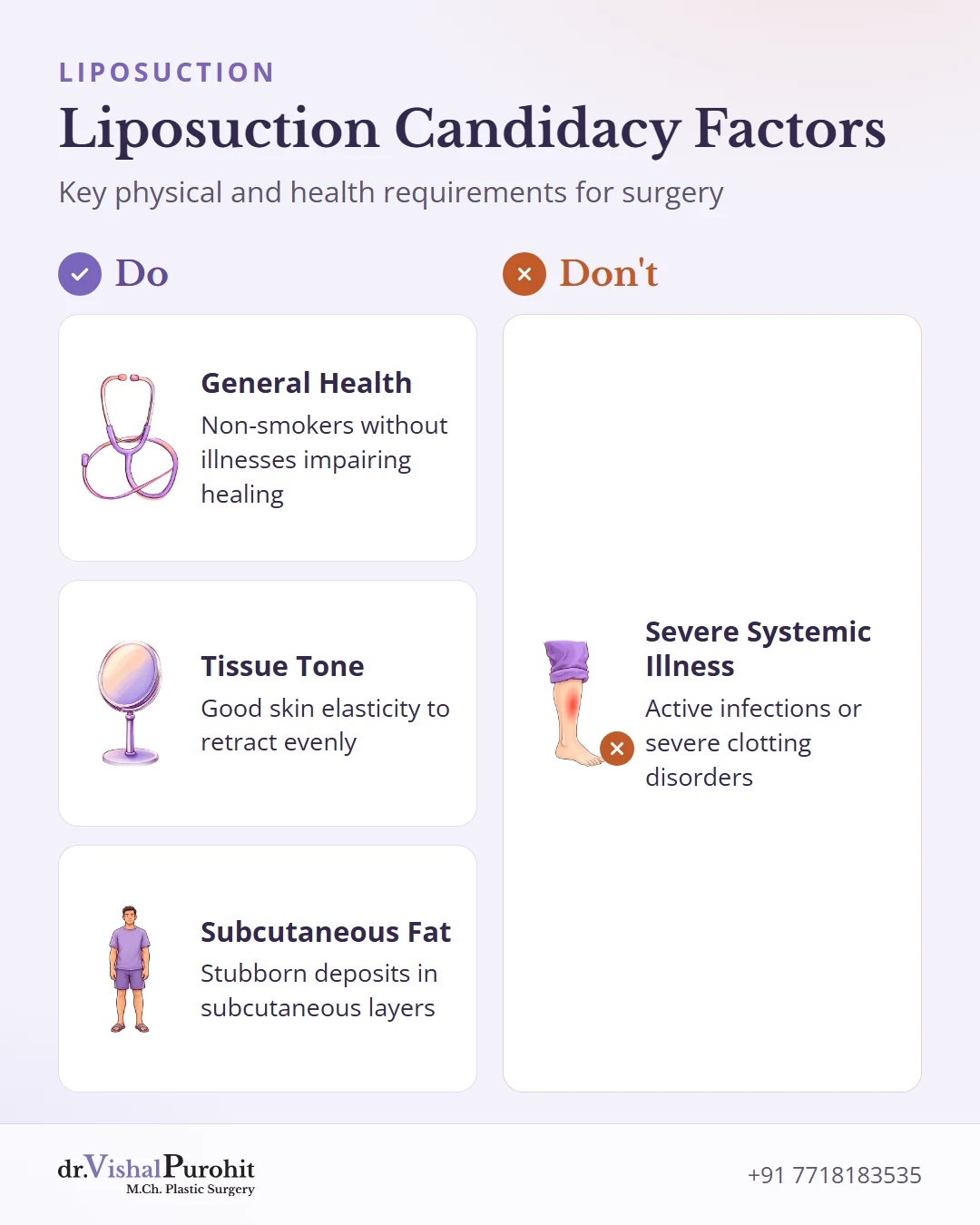
Liposuction refines natural contours by targeting stubborn fat rather than acting as a treatment for obesity. A thorough evaluation ensures that the procedure is physically safe and capable of delivering balanced, natural results.
Determining personal suitability focuses on identifying isolated bulges that resist healthy diet and exercise to see if you are an ideal candidate for liposuction.
You may be a candidate if you meet these key suitability factors:
- Health: Candidates should be non-smokers without illnesses that impair healing.
- Tissue tone: Good skin elasticity is essential so tissues can retract evenly.
- Localized fat: Stubborn deposits must sit in the subcutaneous layers.
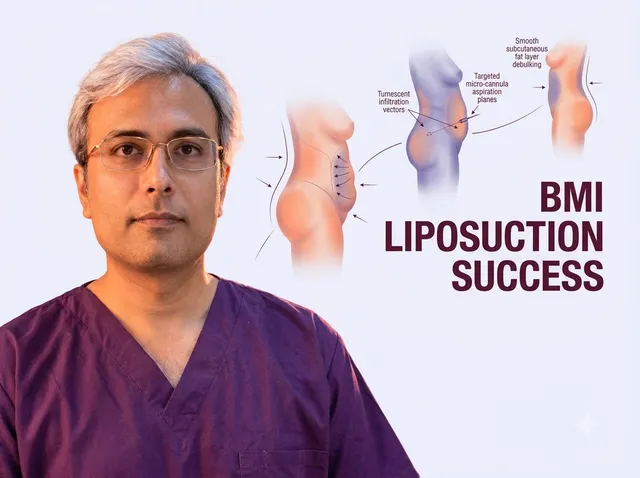
A person's body mass index and weight stability also influence surgical planning, as individuals close to their ideal weight achieve smoother, more predictable body contours.
Firm tissue recoil is necessary because fat removal does not tighten loose tissue. How well your skin elasticity shapes the final contour determines whether inelastic skin might require combining fat removal with surgical skin excision.
Certain systemic health concerns preclude elective surgery to prevent severe complications, including medical conditions like active infections or severe clotting disorders that affect patient safety.
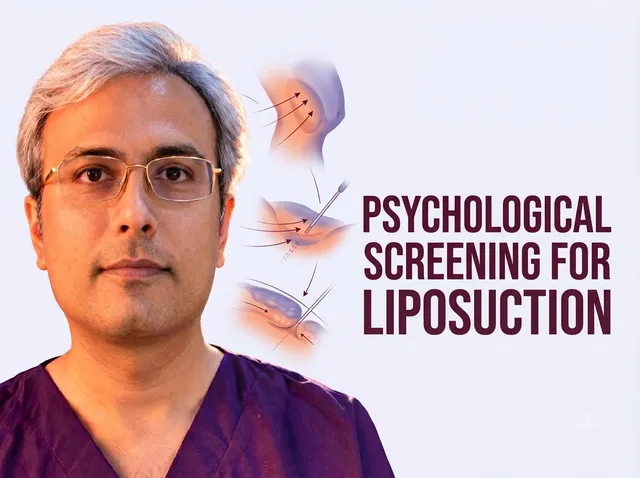
A balanced emotional mindset is just as critical as physical health. Completing a psychological screening for aesthetic expectations ensures surgery is driven by personal motivation rather than external pressures or unaddressed body dysmorphic concerns.
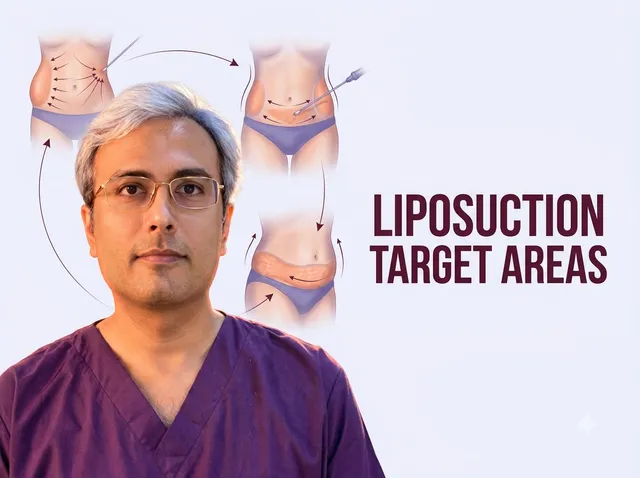
Treatment Areas, from Double Chin to Thighs
Liposuction reshapes regions where stubborn subcutaneous fat persists despite balanced nutrition and exercise.
Because fat accumulates unevenly across different body zones, treatment is planned around your individual proportions, underlying anatomy, and tissue tone.
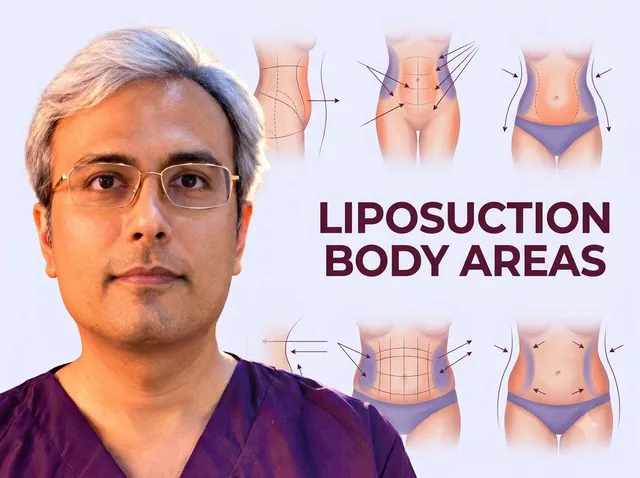
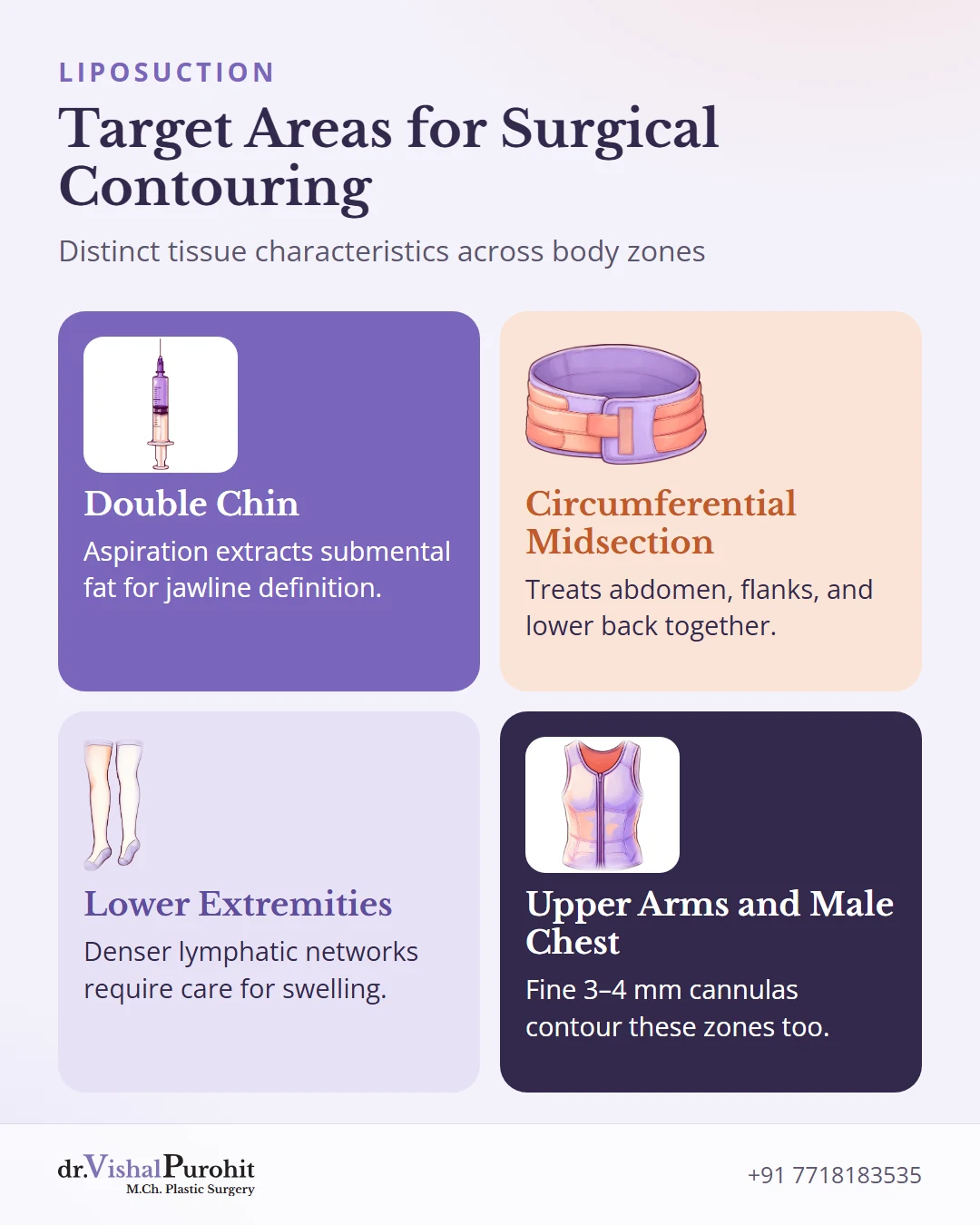
In clinical practice, surgical planning accounts for varying skin elasticity and tissue thickness across different liposuction body areas. Dr. Vishal Purohit uses fine 3 to 4 mm micro-cannulas to contour several anatomical zones:
- Double chin and submental neck
- Abdomen and flanks
- Inner and outer thighs
- Upper arms
- Knees and calves
- Male chest
Tissue characteristics differ markedly between common target areas for liposuction.
For example, lower extremities carry denser lymphatic networks that require meticulous care to manage post-surgical swelling, whereas the neck and upper waist tend to display faster skin retraction.
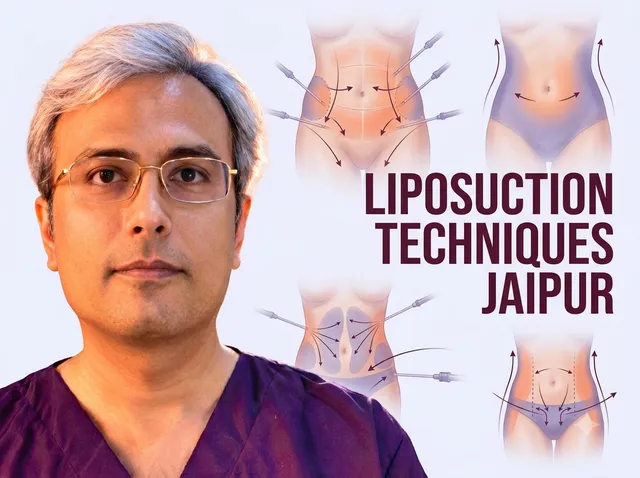
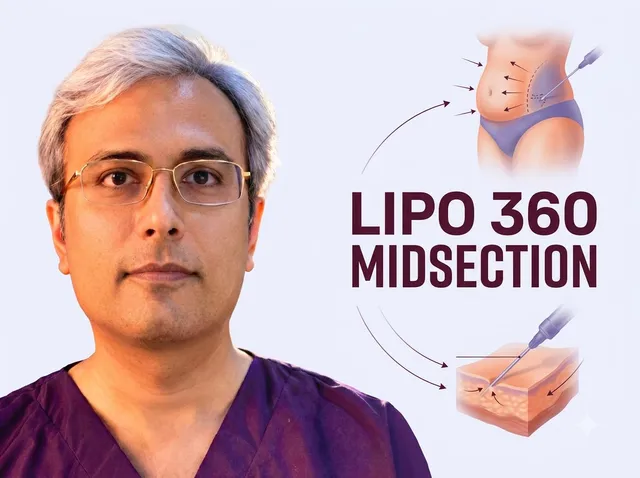
For the midsection, treating the entire torso in a circumferential manner is known as Lipo 360. This technique addresses the abdomen, flanks, and lower back together to create a balanced, continuous taper around the waistline.
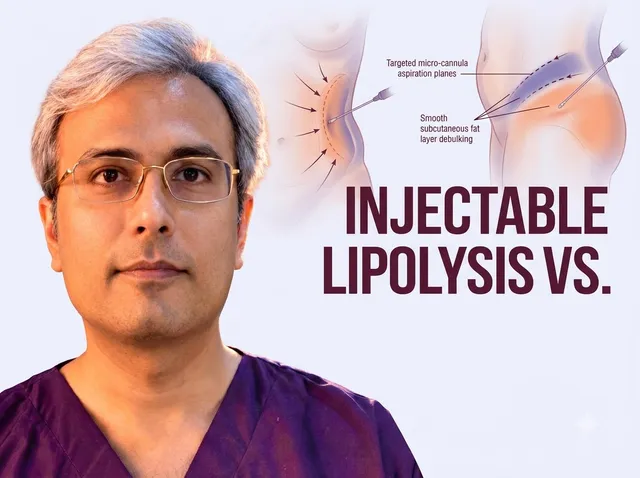
Under the chin, localized fullness can be addressed through distinct modalities. With injectable lipolysis vs surgical liposuction, chemical injections gradually dissolve modest fat deposits over multiple sessions.
In contrast, surgical micro-cannula aspiration physically extracts localized submental fat in a single procedure to establish clear jawline definition.
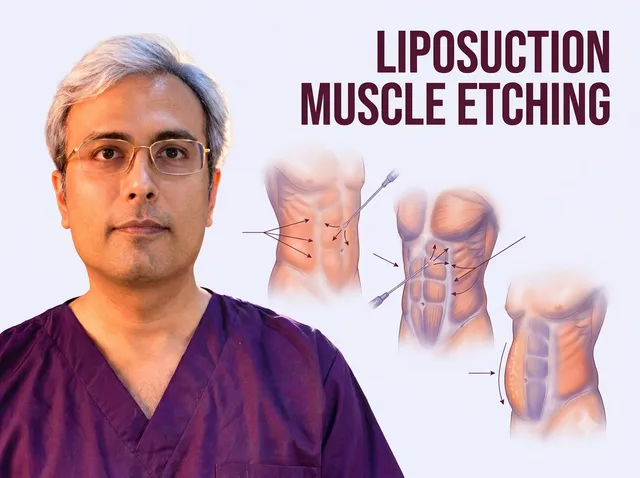
You may also read about high-definition liposuction, a separate approach in which superficial fat is carved to trace muscle boundaries.
However, this specialized approach carries distinct risks of superficial irregularities, requiring strict adherence to compression garments to protect healing contours. Dr. Purohit does not perform high-definition liposuction.
How Tumescent Liposuction Is Done
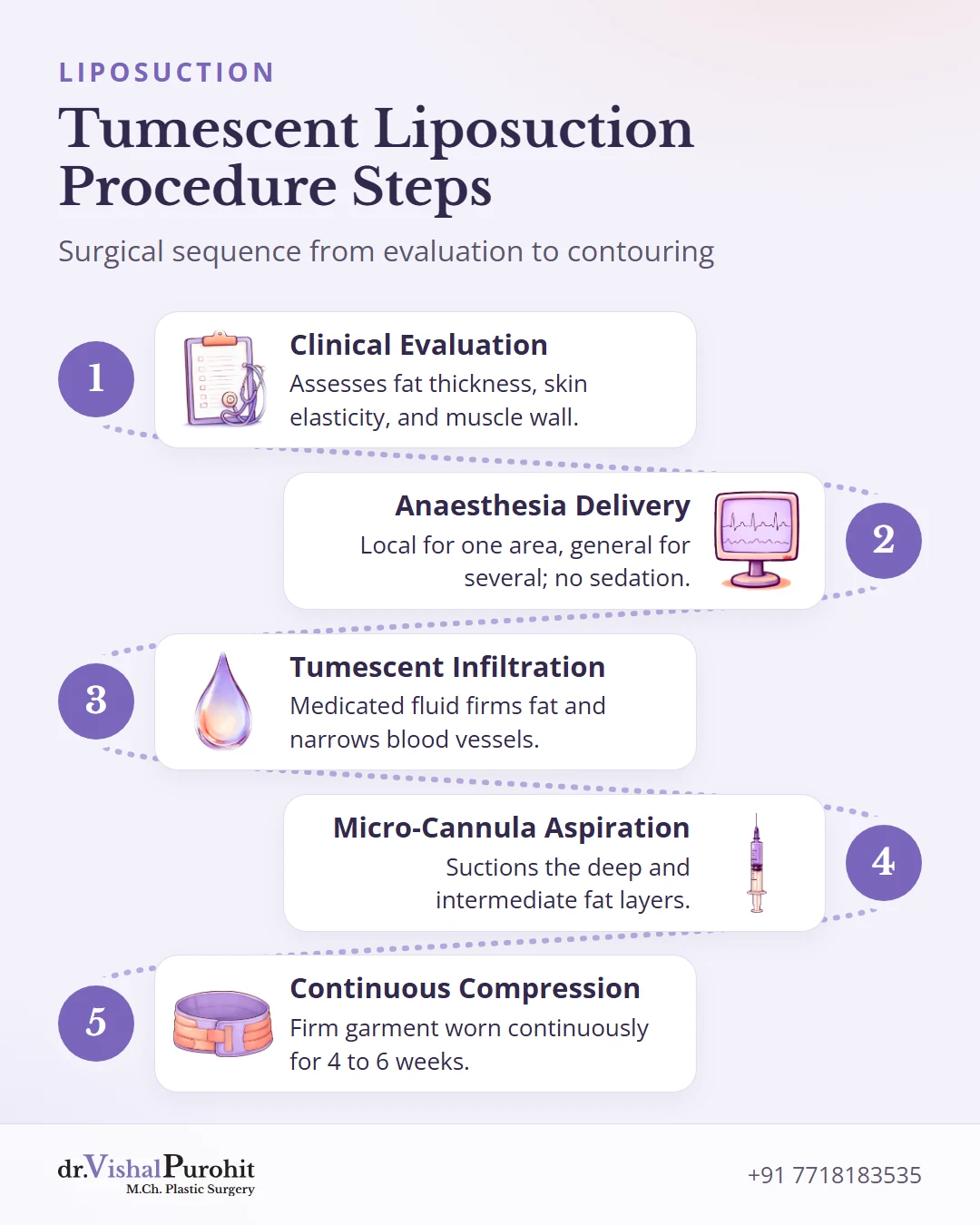
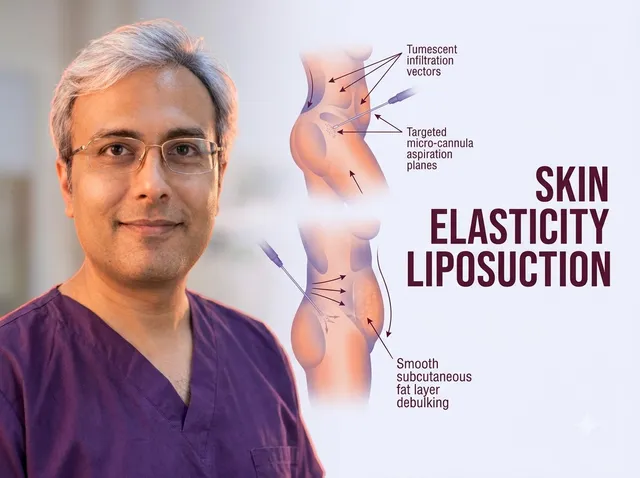
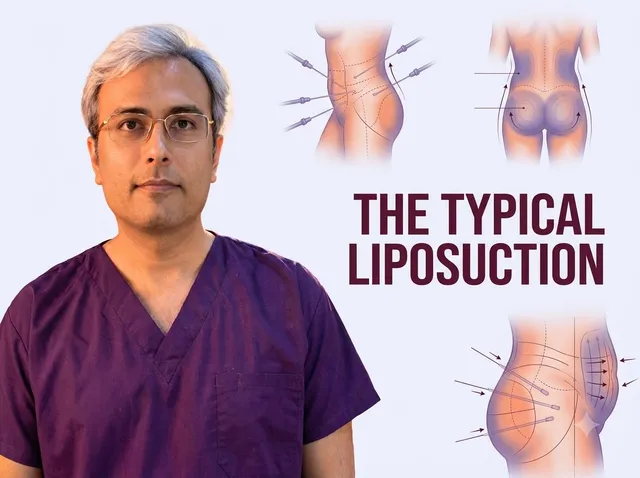
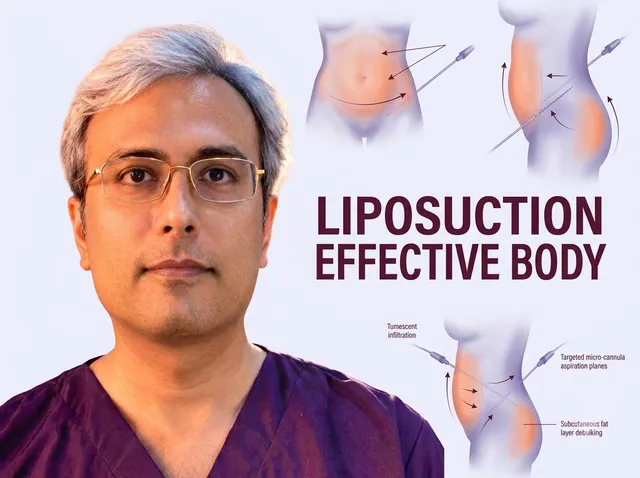
Tumescent liposuction reshapes specific body areas by removing localized fat through small incisions. Dr. Vishal Purohit uses super-wet tumescent infiltration followed by fine 3 to 4 mm micro-cannula aspiration to contour the body while protecting adjacent tissues.
Dr. Purohit's note: I use super-wet tumescent infiltration paired with fine 3 to 4 mm micro-cannula aspiration to sculpt body contours while protecting adjacent tissues.
Every procedure begins with a clinical evaluation. During an initial liposuction consultation in Jaipur, the surgeon reviews your medical history, assesses fat thickness with a pinch test, checks skin elasticity, and examines the muscle wall to plan the surgical steps.
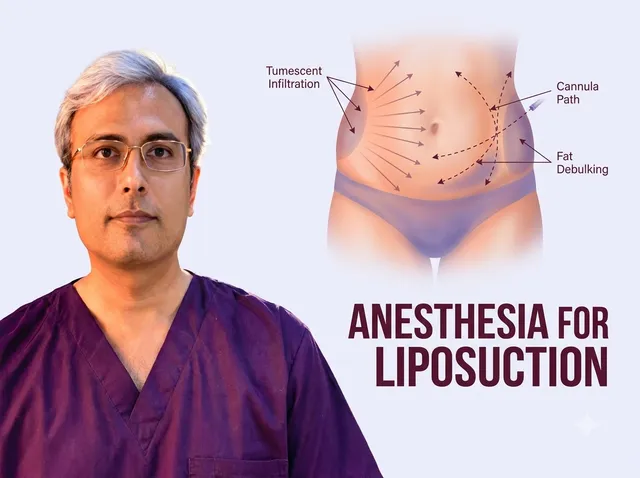
The anaesthesia for your liposuction is decided at this assessment: local anaesthesia for a single area, and general anaesthesia when several areas are treated. Sedation is not used. A single area or the double chin is done as day care; larger areas need a stay of 1 to 2 days.
For safety, the fat removed in one session (the lipoaspirate) is kept to no more than 8% of body weight, with tumescent fluid infiltrated in a 1:1 ratio to the fat removed.
Before suction begins, the surgeon infuses a medicated wetting solution of saline, lidocaine, and epinephrine. Modern tumescent liposuction techniques use this fluid to firm the adipose tissue, numb the area, and narrow small blood vessels to reduce bleeding and bruising.
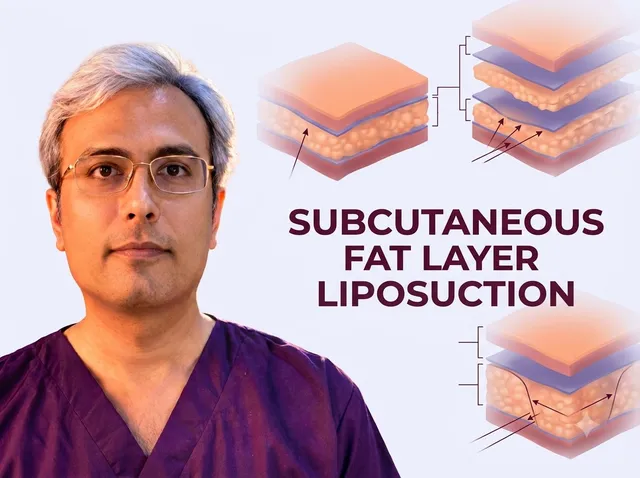
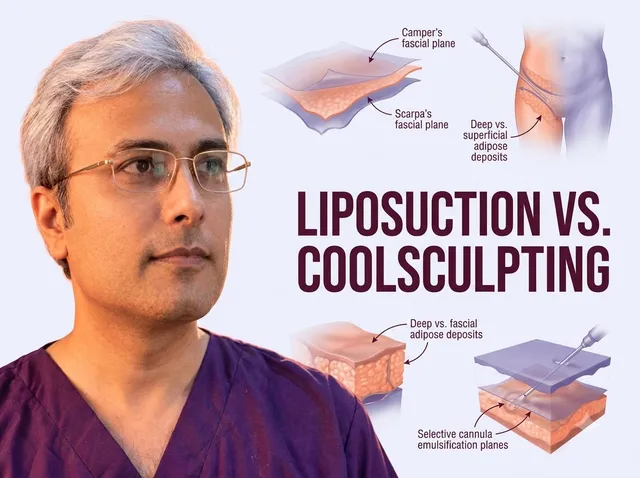
Aspiration targets specific anatomical depths to ensure a smooth result. Carefully navigating the subcutaneous fat layer anatomy allows suctioning of deep and intermediate fat layers to debulk volume while preserving the superficial fat cushion and blood supply beneath the skin.
Following aspiration, recovery relies on continuous external pressure:
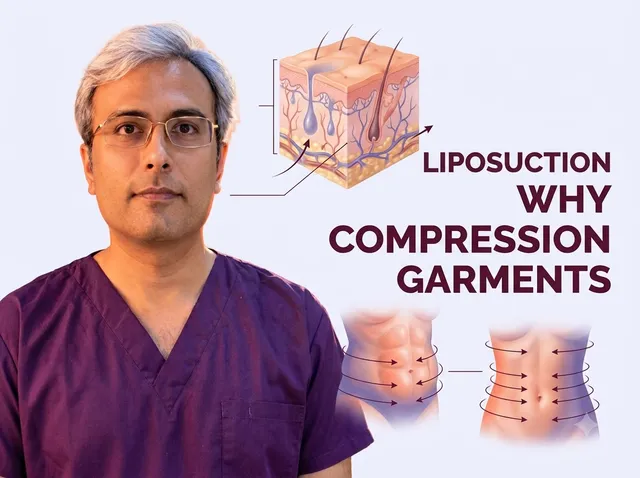
- Patients wear a graduated compression garment continuously for 4 to 6 weeks.
- The firm garment supports the newly treated planes to reduce seroma formation.
- Consistent compression helps the skin settle smoothly and reduces contour irregularities.
VASER, Laser and Other Techniques You May Read About
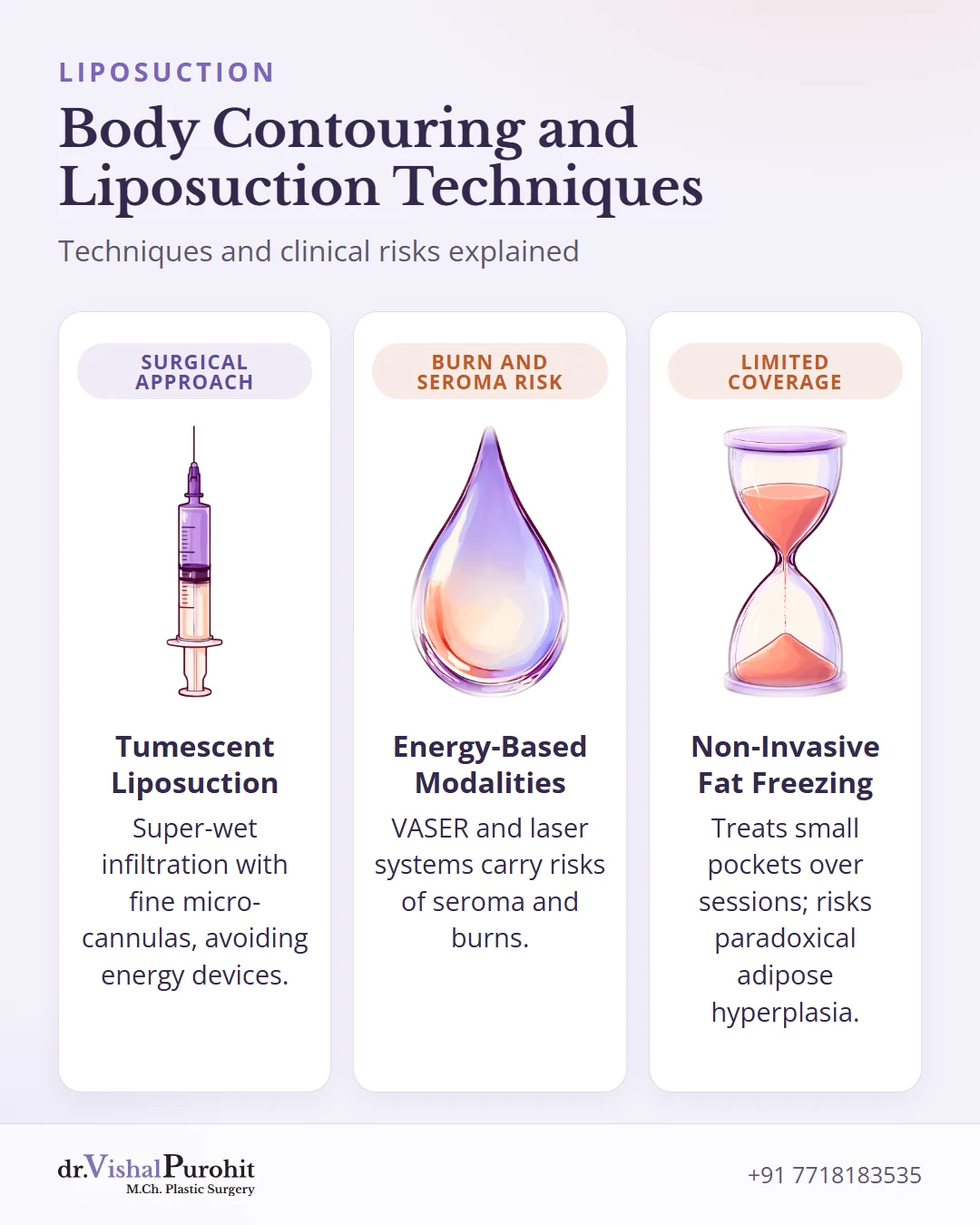
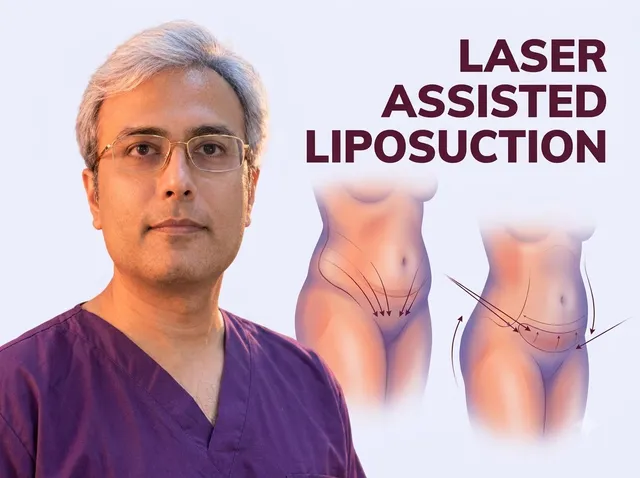
Patients researching body contouring often encounter varied energy devices and brand names. Dr. Vishal Purohit performs tumescent liposuction only, using super-wet infiltration and fine 3 to 4 mm micro-cannulas. He does not use VASER, ultrasound-assisted, power-assisted, laser, or radiofrequency devices, and the clinic has no laser of any kind.
Key points
- Dr. Vishal Purohit performs tumescent liposuction only, using super-wet infiltration and fine micro-cannulas without energy or power-assisted devices.
- Energy-based modalities such as VASER and laser-assisted systems carry specific risks like seroma and localized thermal burns.
- Non-invasive fat freezing treats only small pockets over multiple sessions and cannot replace surgical body contouring.
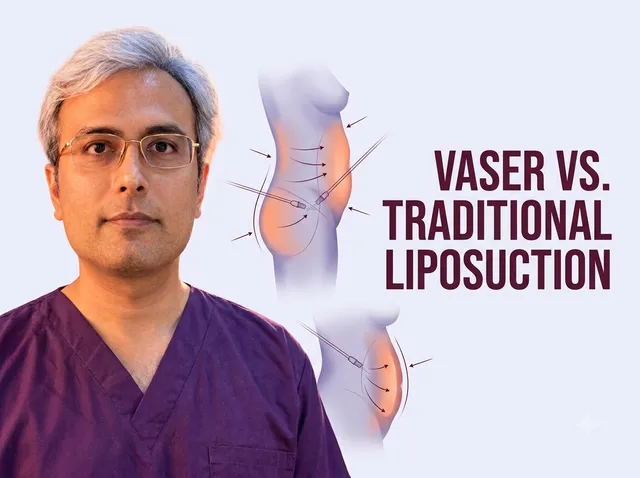
When comparing VASER and traditional suction-assisted liposuction, VASER relies on acoustic sound waves to emulsify fat before extraction. While proponents claim targeted fat liquefaction, thermal energy carries risks of seroma, and full resolution of post-surgical swelling can still take about 6 months.
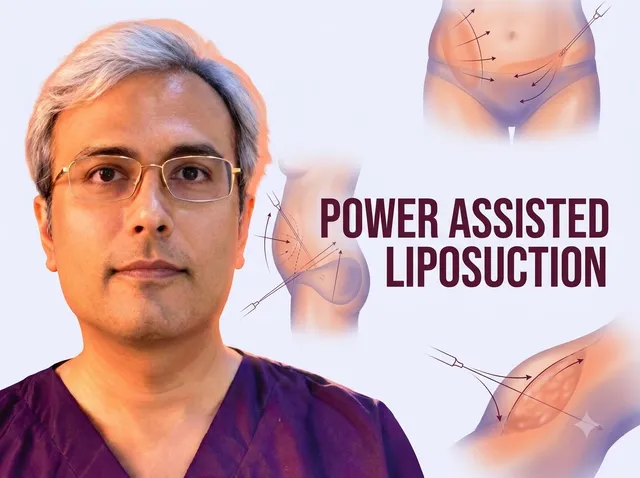
Power-assisted liposuction utilizes mechanical micro-movements of a vibrating cannula to traverse dense tissue. However, it remains a mechanical extraction tool that cannot replace meticulous surgical technique or manual precision in delicate planes.
Laser-assisted liposuction systems like SmartLipo use subdermal fiber optic heat to melt fat and heat the dermis. Nonetheless, clinical risks include localized thermal burns, and patients with significant skin laxity still require surgical excision rather than energy treatments.
In the comparison of liposuction and non-invasive fat freezing, freezing treats small pockets over several sessions and cannot shape smooth transitions. Non-invasive devices also carry risks of paradoxical adipose hyperplasia, an enlargement of fat requiring surgical extraction.
Liposuction with Other Procedures
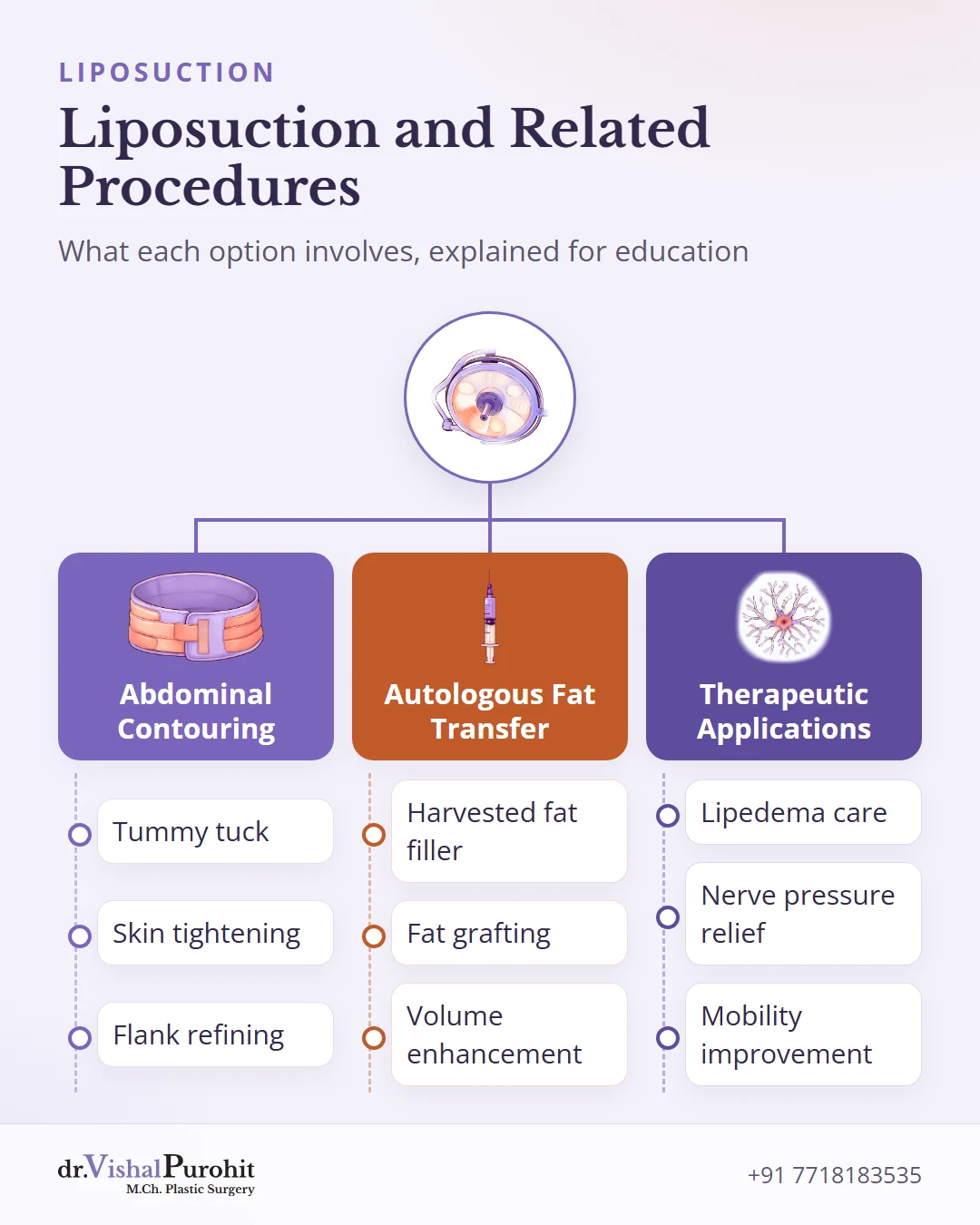
Liposuction is often paired with other surgical treatments to address distinct body contouring or medical needs. While suction removes localized fat deposits, combining procedures can help manage redundant tissue, redistribute volume, or alleviate chronic physical symptoms.
Abdominal Contouring and Skin Laxity
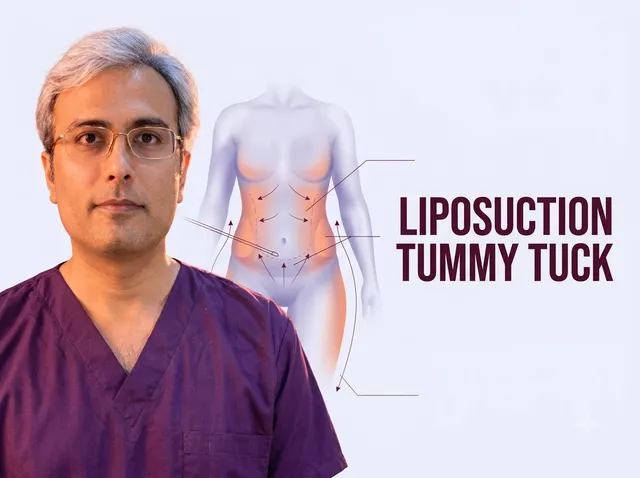
Because liposuction removes subcutaneous fat without tightening loose skin on its own, patients with skin laxity often consider a tummy tuck for skin tightening. A tummy tuck removes excess abdominal skin and repairs separated muscles, while suctioning the flanks refines the waistline.
Autologous Fat Transfer
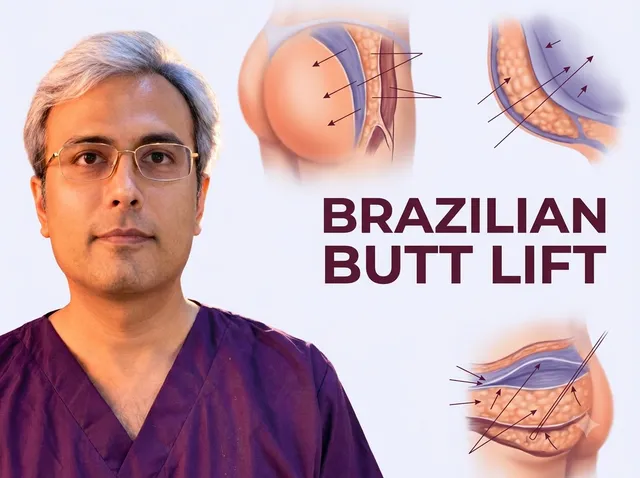
In autologous fat transfer, harvested fat serves as a natural tissue filler rather than being discarded. A Brazilian butt lift with fat grafting is one example of how donor fat collected from areas like the abdomen or hips is purified and injected to enhance volume.
Therapeutic Applications
Beyond cosmetic shaping, specialized debulking can address non-cosmetic conditions. Dr. Purohit does not perform a Brazilian butt lift or lipedema liposuction; these are explained here so you know what they involve. Liposuction can be used for medical reasons like lipedema treatment, where removing painful, nodular fat deposits from the limbs helps relieve nerve pressure, reduce heaviness, and improve daily mobility.
Recovery Week by Week
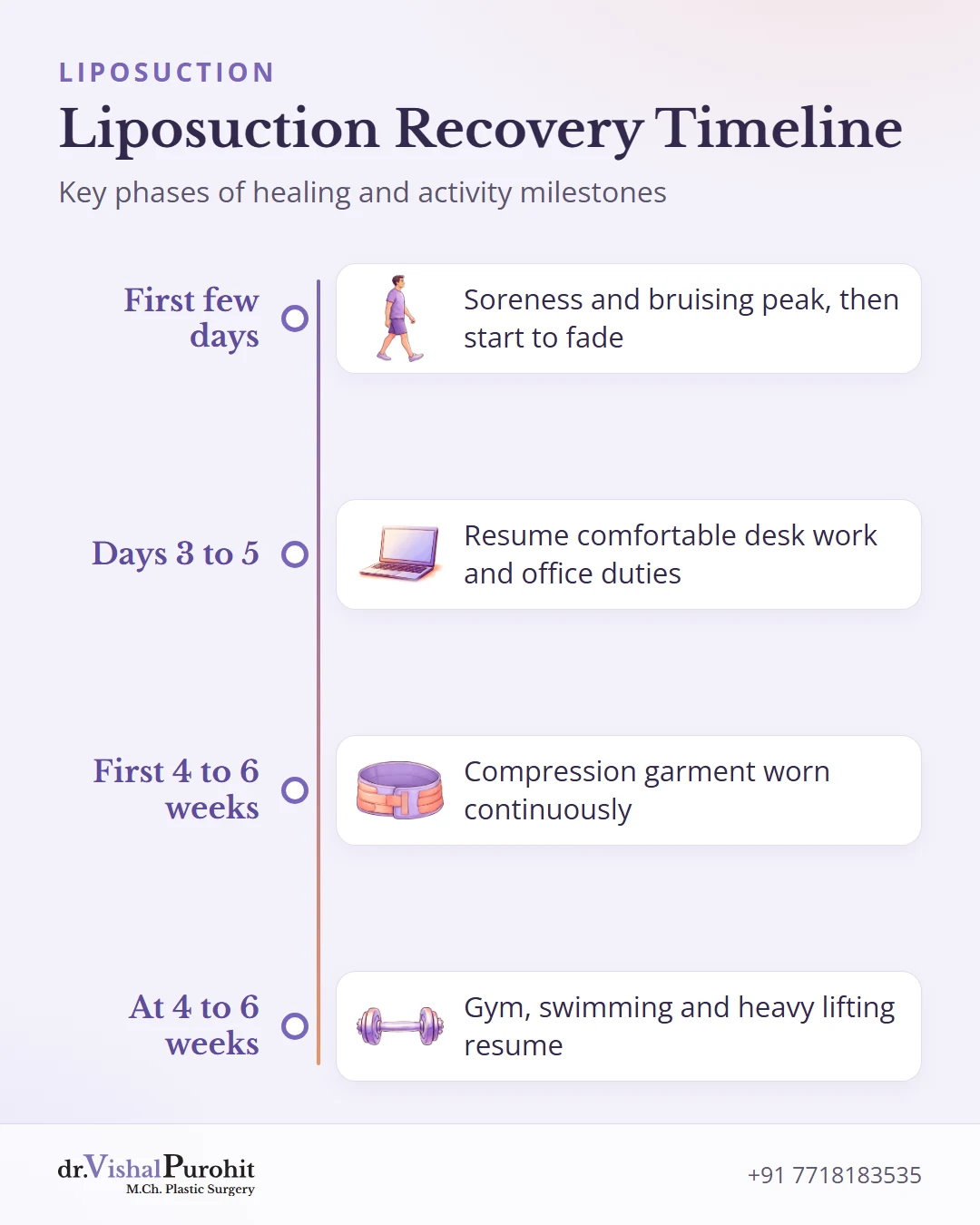
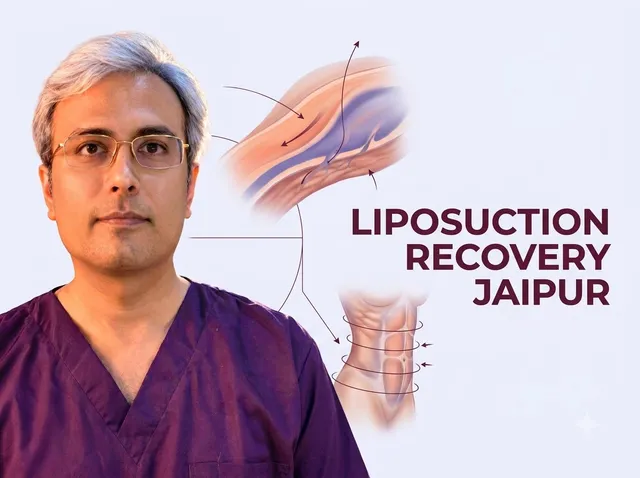
Recovery from tumescent liposuction follows a predictable sequence as swelling settles, tissues soften, and newly contoured lines emerge. While Dr. Vishal Purohit provides each patient with an individualized recovery plan during the consultation, understanding typical post-operative phases helps you prepare for healing at home.
The earliest days focus on resting, managing fluid shifts, and tracking clinical progress. Following a clear liposuction healing timeline helps you anticipate when initial soreness, early fluid drainage, and surface induration typically peak and subside across the treated areas.
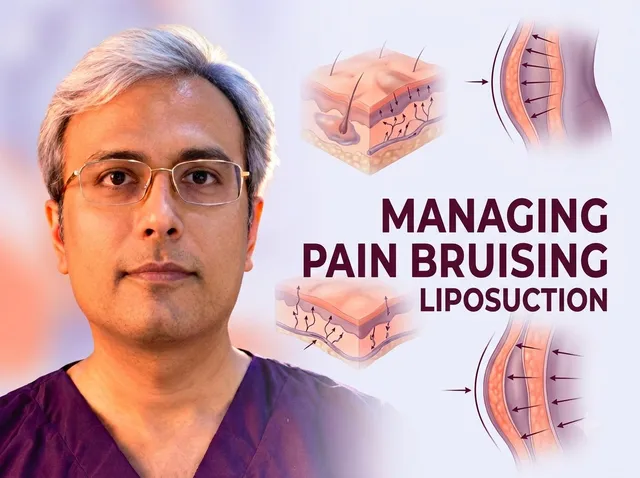
Discomfort and skin discolouration are most noticeable in the first two to three days before fading over several weeks. Learning effective ways to manage pain and bruising supports comfort through prescribed pain relief and gentle indoor walking to encourage healthy venous circulation. Dr. Purohit does not advise cold or ice packs after liposuction, because they can damage the treated skin.
Dr. Purohit prescribes a graduated medical compression garment worn continuously for 4 to 6 weeks. Constant external pressure collapses empty spaces under the skin, supports lymphatic drainage, and minimizes seroma fluid collections and contour irregularities.
Jaipur's arid climate requires extra attention to temperature and hydration. Navigating recovery in Jaipur's hot weather helps you avoid heat-induced fluid retention by staying in cool indoor spaces, drinking ample fluids, and keeping skin dry beneath garments.
Resuming daily activities happens gradually to protect healing tissues. For your return to work and exercise, Dr. Purohit advises desk duties within 3 to 5 days, while strenuous gym exercise, swimming, and heavy lifting wait for 4 to 6 weeks.
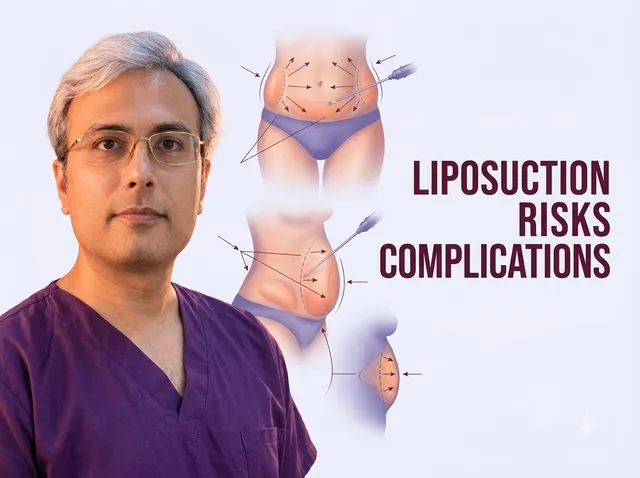
Risks and Warning Signs
Every surgical procedure carries potential complications alongside normal healing responses. Understanding these side effects helps patients identify typical recovery changes and recognise when medical attention is needed.
Common temporary post-operative effects include:
- Swelling and ecchymosis, which is medical discoloration from bruising.
- Fluid pockets called seromas.
- Temporary surface unevenness and contour irregularities.
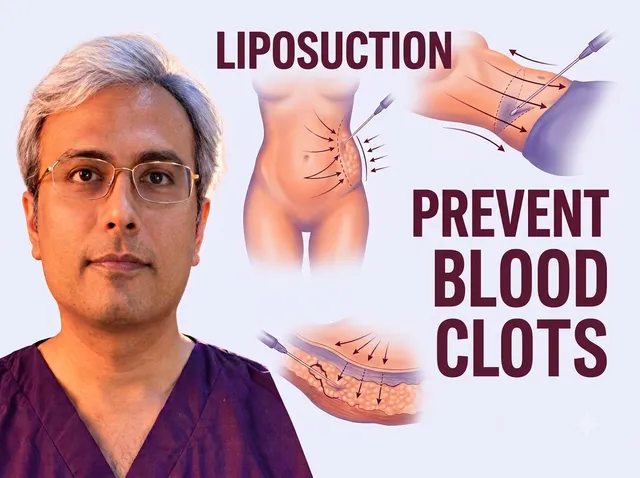
Infection and deep vein thrombosis are rare surgical complications that require active precautions. Risks are lowered through sterile surgical technique, early gentle walking and a well-fitted compression garment.
You can actively help with preventing blood clots and infections by keeping puncture sites dry and maintaining gentle movement.
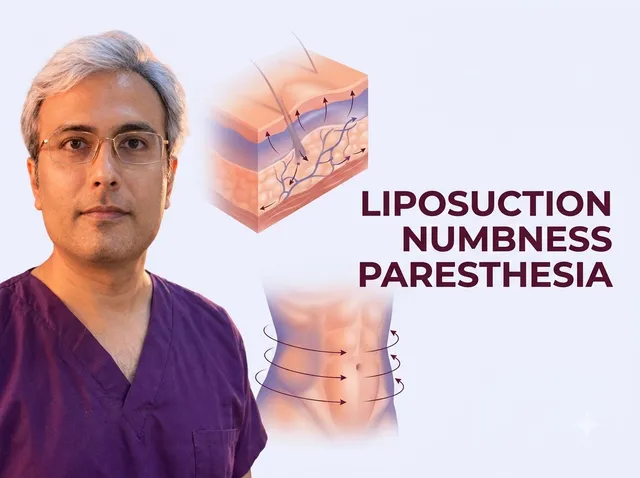
Skin nerves travelling through treated fat layers can become stretched by cannula passes or tissue swelling. This creates altered sensations such as tingling, known as paresthesia, or mild loss of feeling.
Normal sensation gradually regenerates as local swelling subsides, resolving temporary numbness and paresthesia over time.
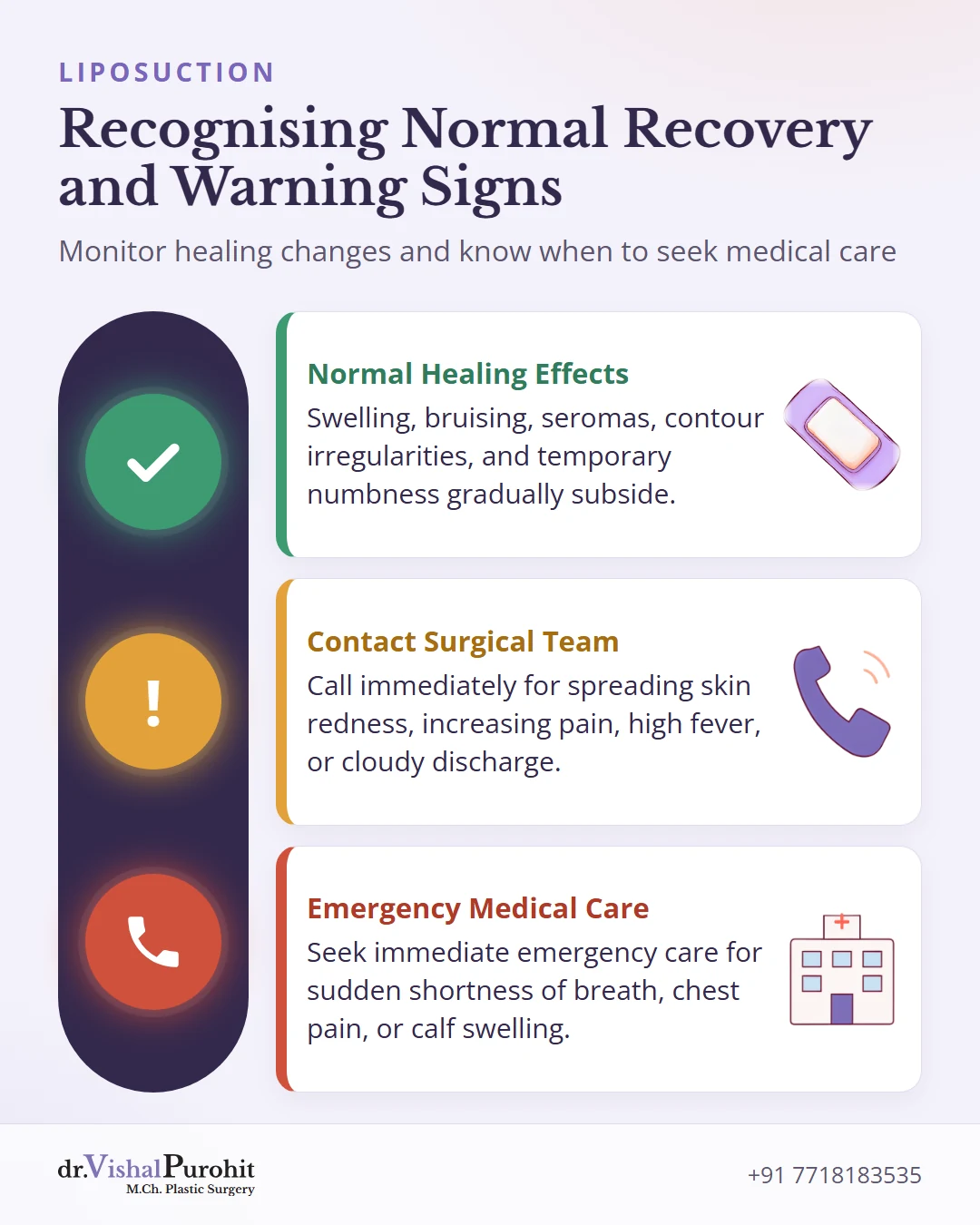
Certain symptoms point to a complication rather than normal recovery. Get emergency care at once for:
- Sudden shortness of breath or sharp chest pain.
- A calf that becomes swollen, hot, or painful.
Call the surgical team immediately if you notice spreading skin redness, increasing pain, a high fever, or cloudy discharge from the puncture sites.
Call the surgical team immediately for spreading skin redness, increasing pain, a high fever, or cloudy discharge from the puncture sites.
Liposuction Cost in Jaipur
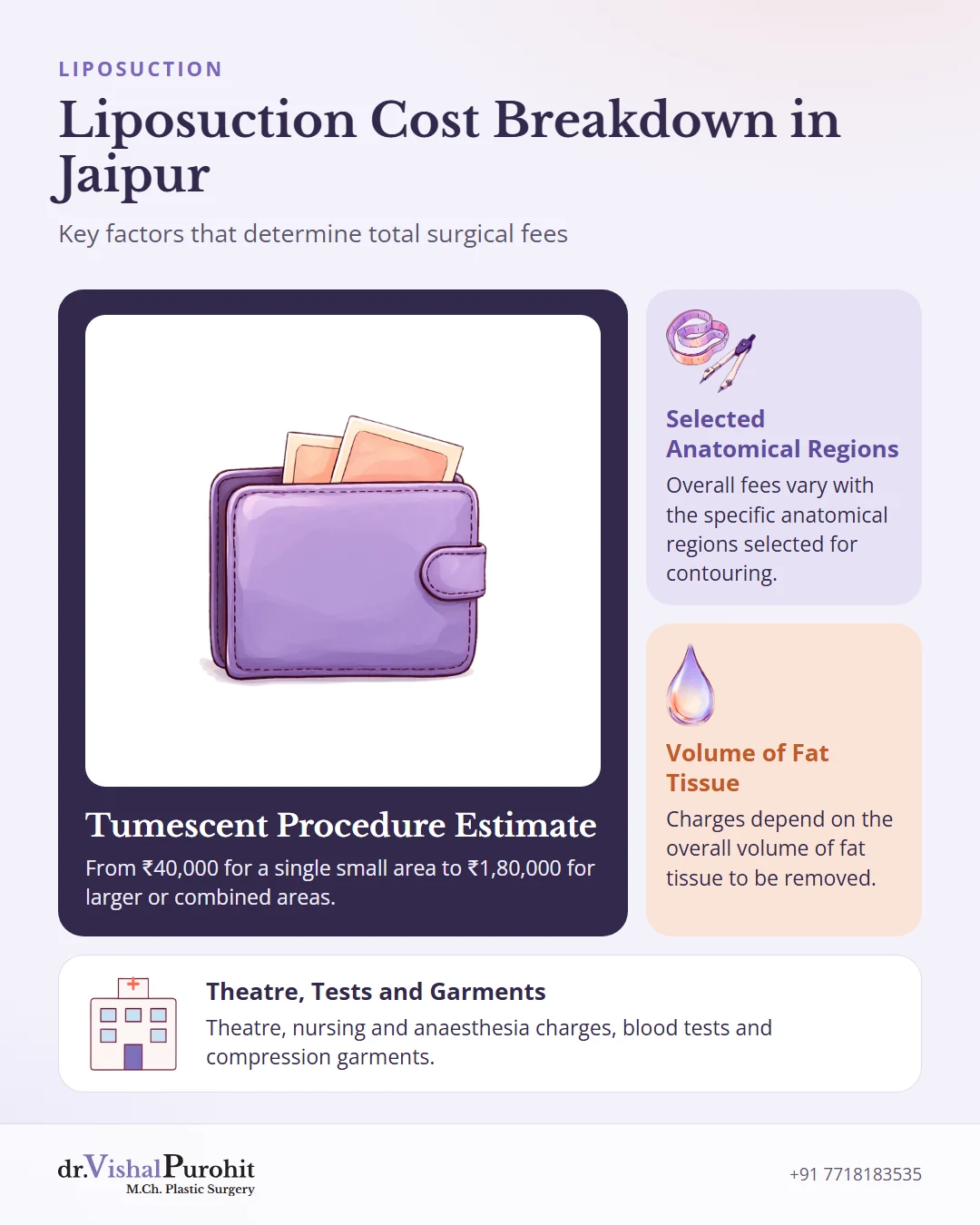
For tumescent liposuction in Jaipur, the cost ranges from ₹40,000 for a single small area such as the double chin to ₹1,80,000 for larger or combined areas such as Lipo 360, depending on the areas treated and the volume of fat; a written estimate is given after the consultation.
Key points
- Tumescent liposuction costs range from ₹40,000 for a single small area to ₹1,80,000 for larger or combined areas.
- Total fees depend on anatomical regions, fat volume, facility charges, diagnostics, and recovery garments.
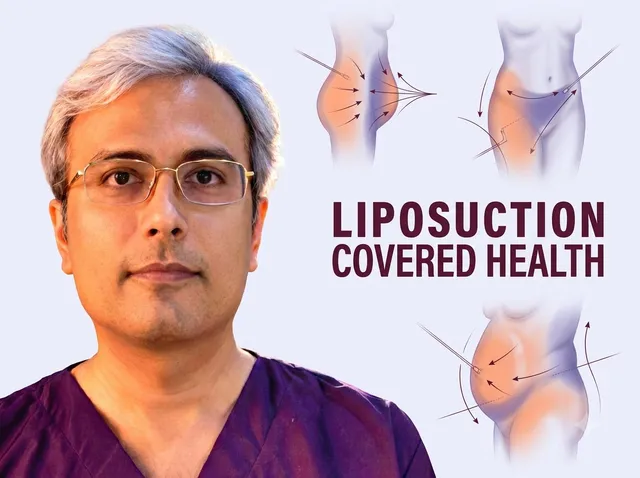
- Cosmetic contouring is usually not covered by insurance, though exceptions exist for medical necessity like lipedema.
Total surgical fees depend on several anatomical and medical factors. The main factors are:
- The anatomical regions selected for contouring
- The overall volume of fat tissue to be removed
- Operating theatre fees, nursing care, and anaesthesiologist charges
- Pre-operative blood investigations and diagnostics
- Medical-grade compression garments worn during recovery
Because every patient presents unique physical proportions and surgical goals, the liposuction cost in Jaipur reflects how individual quotes are calculated before surgery.
Standard cosmetic body contouring is elective care and is usually not covered by medical policies in India. However, exceptions exist for reconstructive medical necessity, such as advanced lipedema or large benign lipomas, where health insurance covers liposuction based on specific insurer criteria and required documentation.