
When Is the Right Time for a Mommy Makeover?
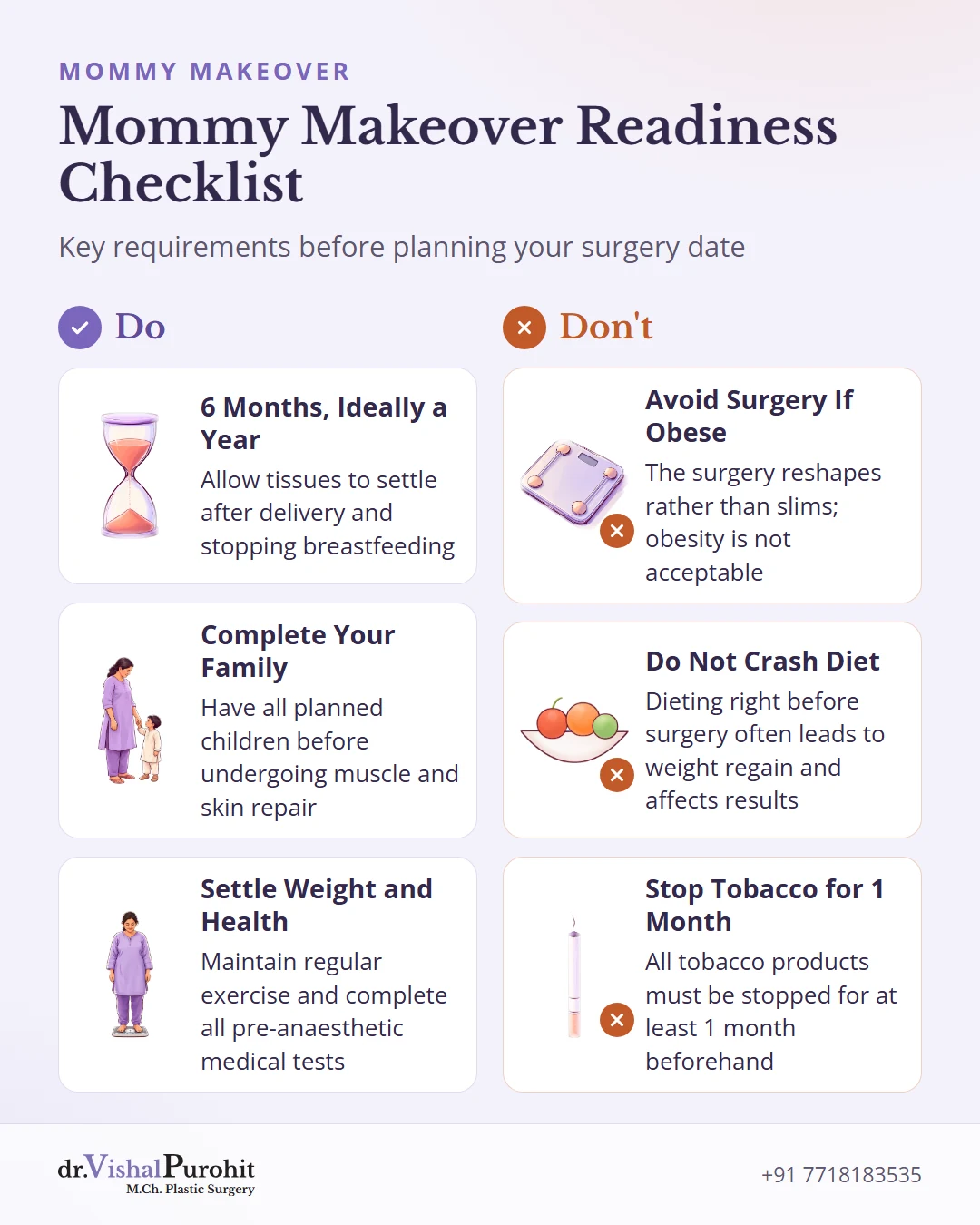
Timing depends on the body's recovery, weight, health and future family plans, all of which are reviewed before a date is fixed. A consultation can still take place earlier, while these things are still settling.
After childbirth and breastfeeding
Pregnancy stretches the abdominal skin and muscles and changes breast tissue, so the body needs time to reach a steady shape. When after childbirth and breastfeeding a mommy makeover can be considered covers the waiting period: Dr. Vishal Purohit considers surgery at least 6 months after delivery, once breastfeeding is fully stopped, and with a regular exercise routine.
Dr. Purohit's note: Dr. Purohit considers mommy makeover surgery at least 6 months after delivery, once breastfeeding is fully stopped and a regular exercise routine is in place.
About a year after delivery is ideal, which lets the skin and breast tissue settle so the final shape is clear before it is corrected.
Before another pregnancy
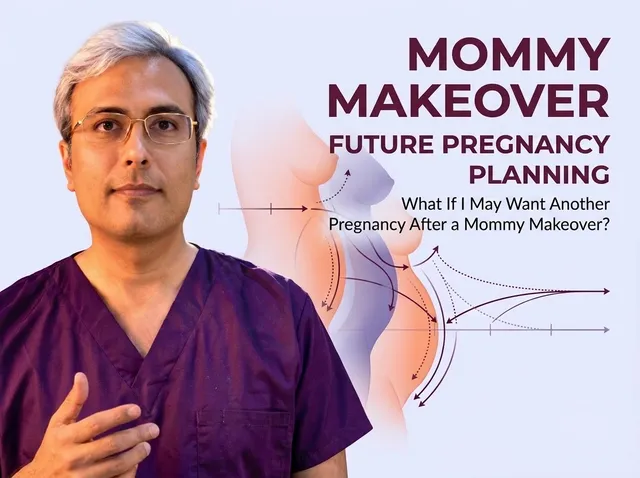
Dr. Purohit advises completing the family before surgery: a woman who wants another child should have that child first. How a later pregnancy can change the result explains why, since carrying a baby can stretch the repaired abdominal muscles and skin and alter the breast contour.
A later pregnancy can also exaggerate sagging and stretch the skin, which is why most surgeons advise waiting until the family is complete.
Weight, health and habits
A makeover reshapes rather than slims, so weight must be settled first; overweight is acceptable, obesity is not. The weight and health checks needed before surgery sets out the rest: a regular exercise routine, pre-anaesthetic tests and all tobacco stopped for 1 month.
Crash dieting beforehand does not help: patients often diet for the procedure and regain the weight, which can affect the result.
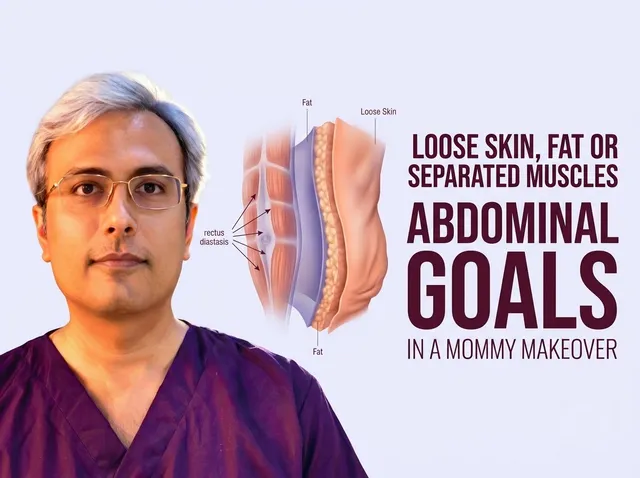
Abdominal Goals: Loose Skin, Fat and Separated Muscles
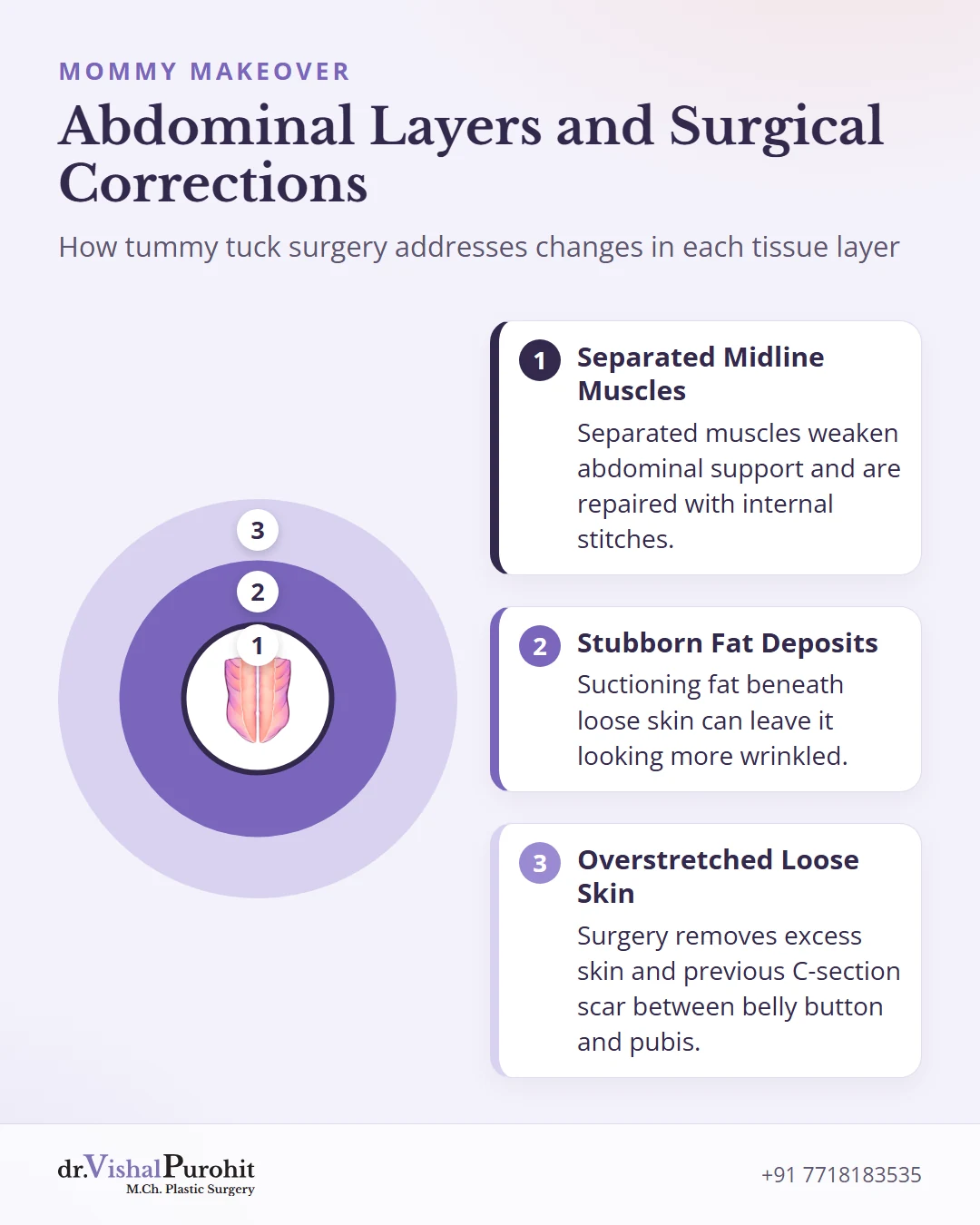
After pregnancy, the abdomen may look and feel different no matter how regular a woman's exercise routine. The reason depends on which layer has changed, and each layer needs a different kind of surgery:
You may be a candidate if you have:
- Loose skin that exercise cannot tighten.
- Fat pockets that remain despite diet and regular exercise.
- Separated midline muscles (rectus diastasis), which weaken support and let the abdomen bulge.
The post on loose skin, fat and separated muscles takes each layer in turn. A tummy tuck (abdominoplasty) removes the excess skin between the belly button and the pubis, and separated muscles are always repaired with internal stitches when present. It also explains why suctioning fat beneath loose skin can leave it looking more wrinkled.
A previous C-section scar is removed together with the skin taken away during the tummy tuck.
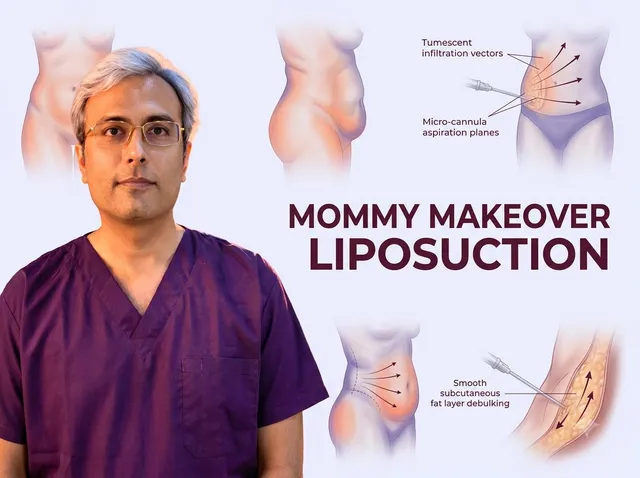
The post on pairing liposuction with breast and abdominal surgery explains that liposuction draws fat out through a thin suction tube called a cannula. Where the skin is still firm it shapes the area well, but it cannot tighten an overstretched skin envelope or repair the muscle wall.
Breast Surgery Within a Mommy Makeover
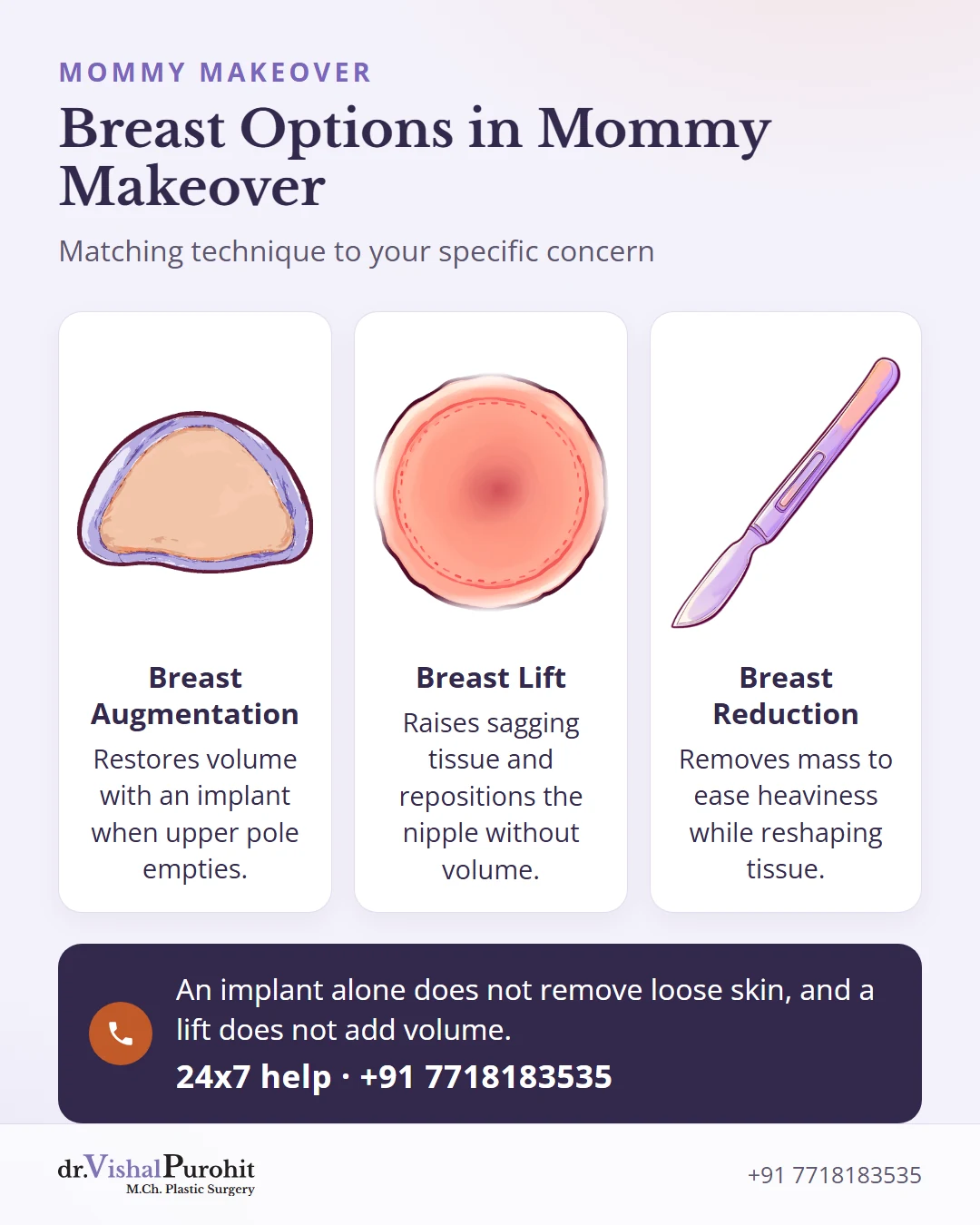
Pregnancy, nursing and weight shifts change the breasts in different ways, and each change calls for its own operation. The choice depends on whether you have lost fullness, developed sagging, or carry heavy tissue.
Restoring fullness
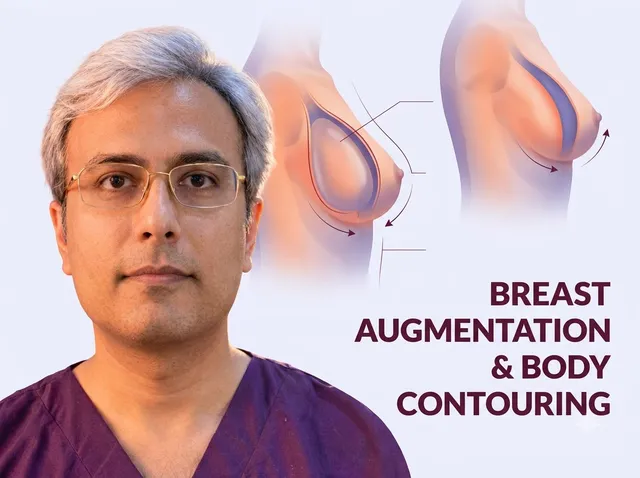
- Breast augmentation restores volume with an implant when the upper pole has emptied.
- An implant alone does not remove loose skin.
Lifting and reducing
- Breast lift (mastopexy) raises sagging tissue and repositions the nipple.
- Breast reduction removes mass to ease physical heaviness while reshaping the breast.
An implant alone does not remove loose skin, and a lift does not add volume, so matching the breast technique to your specific concern is the first planning step.
Why breast augmentation and a tummy tuck are done in two stages
The tummy tuck, the major abdominal reconstruction, comes first. Breast augmentation and tumescent liposuction contouring of the thighs, arms or neck follow as the second stage. Published literature notes that complications can rise when major operative sites are combined, and studies report higher revision rates when an implant and a lift are done together rather than staged.
In Dr. Purohit's practice, all these combinations are offered. The full reasoning is set out in why breast augmentation and a tummy tuck are staged.
One Operation or Two Stages
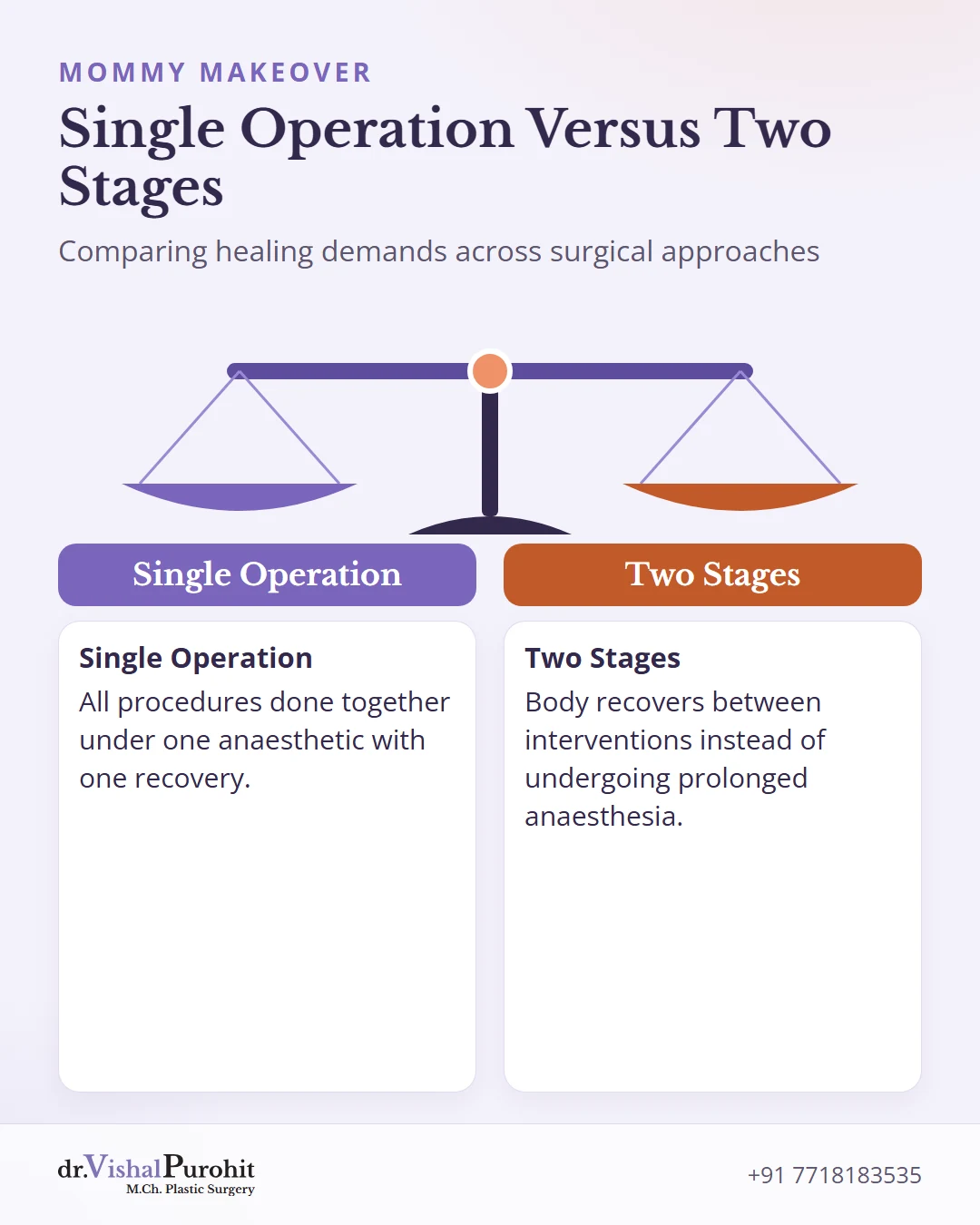
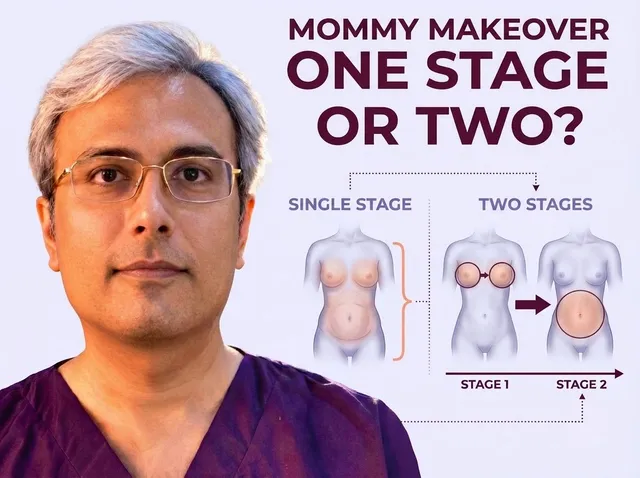
A mommy makeover brings together operations that address changes after pregnancy and childbirth. The first decision is whether to plan them in a single operation or across two stages, and the right route depends on each patient's anatomy, tissue changes and family commitments.
Key points
- Dr. Purohit mostly plans a mommy makeover in two stages and does not combine a tummy tuck with breast augmentation.
- The right route depends on each patient's anatomy, tissue changes and family commitments.
- One operation means one recovery, while two stages mean two separate recoveries.
In a combined plan, several procedures are done under one anaesthetic (being asleep for the operation), so healing happens once. Staging lets the body recover between major interventions rather than undergoing prolonged anaesthesia, and how one operation compares with two stages sets out the trade-off: one heavier recovery against two separate ones.
How the two stages are planned
At his practice in Jaipur, a tummy tuck is not combined with breast augmentation in one operation. Most makeovers run in two stages: the major reconstruction, such as the tummy tuck, first, then liposuction contouring (fat removed through a thin tube) of the thighs, arms or neck together with breast augmentation.
Each operation is under general anaesthesia, with a hospital stay of two nights or longer.
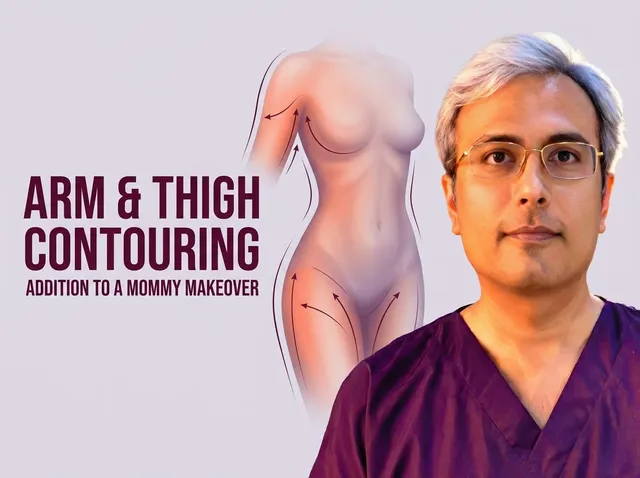
Adding the arms or thighs
Tumescent liposuction of the arms or thighs is planned in the second stage. How arm and thigh surgery is added to a mommy makeover covers how these areas are assessed and the recovery each area brings.
Published guidance describes two presentations. Where fat remains but the skin is still elastic, suction alone can treat the area. Where the skin is genuinely loose, suction alone gives little improvement, and an arm or thigh lift removes the excess, trading tighter contours for longer scars.
Preparing for Surgery and Help at Home
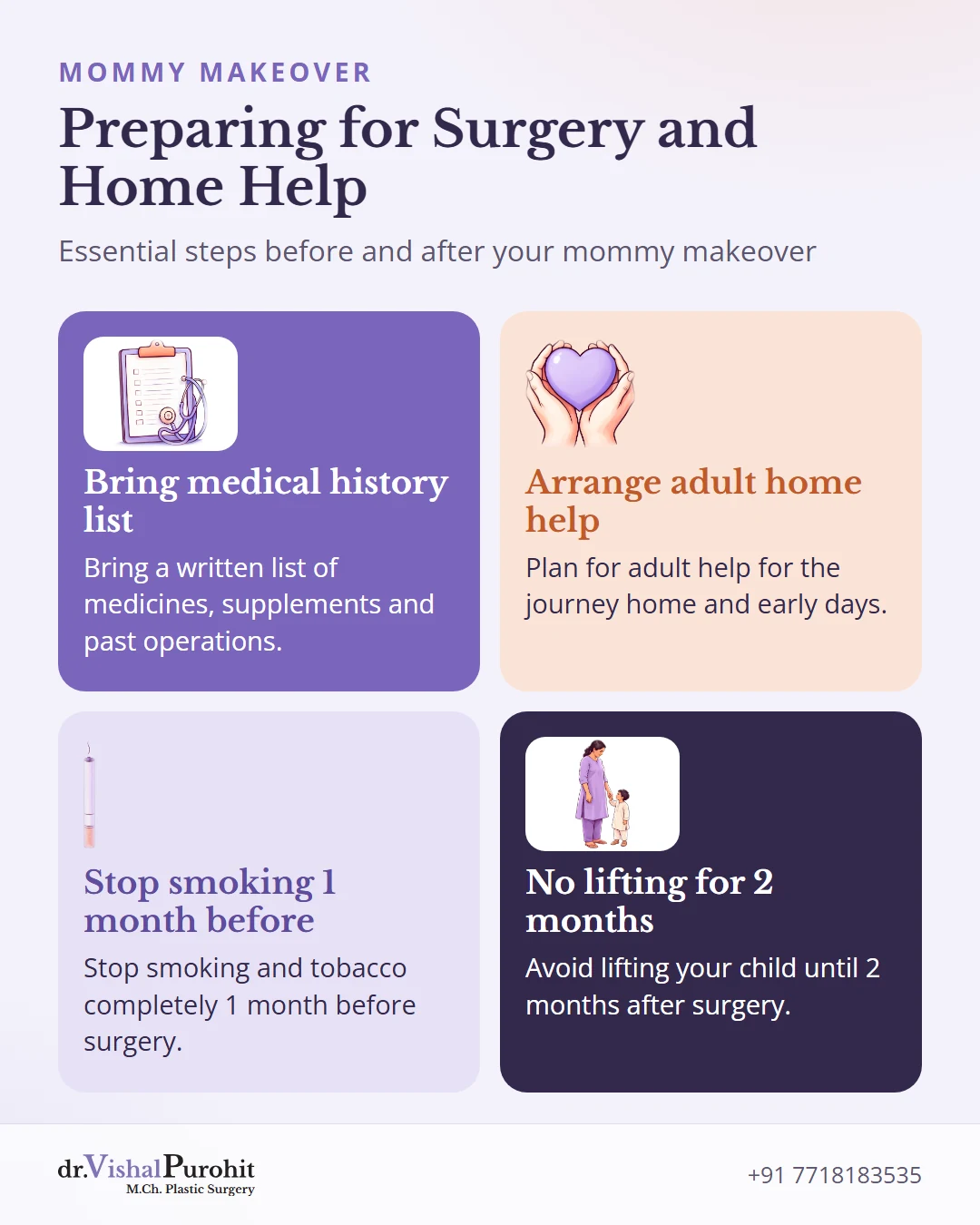
A mommy makeover is planned carefully before a date is set. What you gather for the consultation and how you organise the household for the weeks at home both support a smooth recovery, so it helps to prepare early.
Key points
- Preparation starts at the consultation, with a written list of your medicines, conditions and earlier operations.
- Smoking must stop 1 month before surgery and you fast for at least 6 hours beforehand.
- Plan for an adult to help at home, since you cannot lift your child until 2 months after surgery.
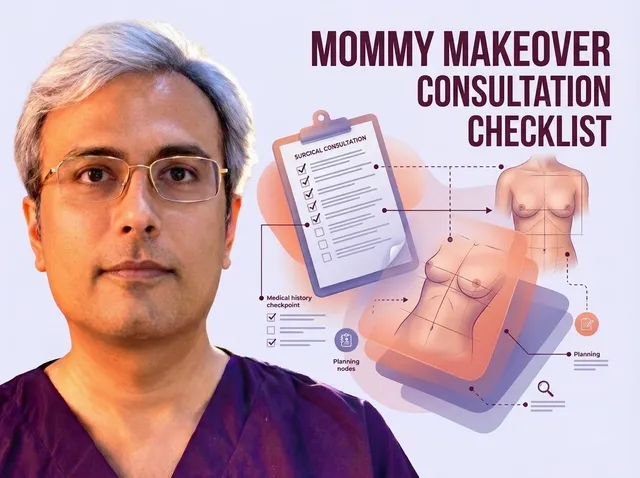
Before surgery you work through the preoperative consultation checklist. Bring a written list of every prescription, over-the-counter medicine, vitamin and supplement you take, any ongoing conditions such as diabetes or high blood pressure, and a history of earlier operations, including past C-sections.
Smoking and tobacco must stop 1 month before surgery, and you fast for at least 6 hours beforehand. Surgery is always under general anaesthesia, after routine pre-anaesthetic tests. Dr. Purohit advises completing your family first, and considers surgery at least 6 months after delivery and once breastfeeding has stopped.
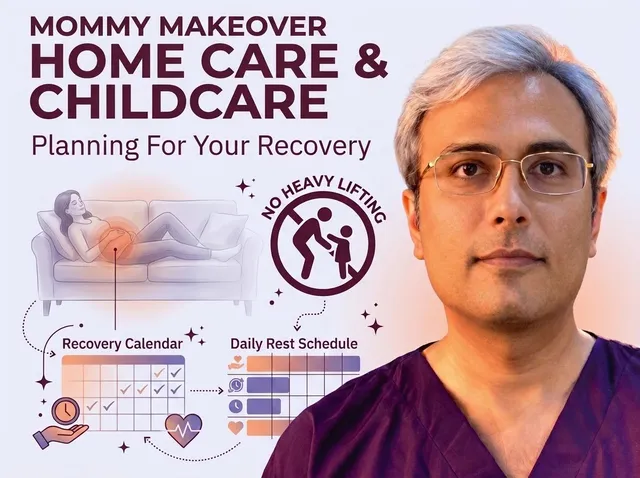
Arranging childcare and home help after a mommy makeover shows how to prepare the household. Plan for a responsible adult in the first days: the hospital stay is two nights or longer, and an adult is needed for the journey home.
- Wear the abdominal binder and support bra for 2 months, and expect drains, which are always used after surgery.
- Keep meals, laundry and supplies within reach before surgery, so daily tasks do not require stretching or bending.
- Arrange help with your children: you cannot lift your child until 2 months after surgery, so let others manage car seats, baths and lifting.
Recovery, Scars and Realistic Results
A mommy makeover is major reconstruction, so healing deserves patience and planning. Understanding the early weeks helps families arrange help at home and form expectations that match how bodies actually recover after combined surgery.
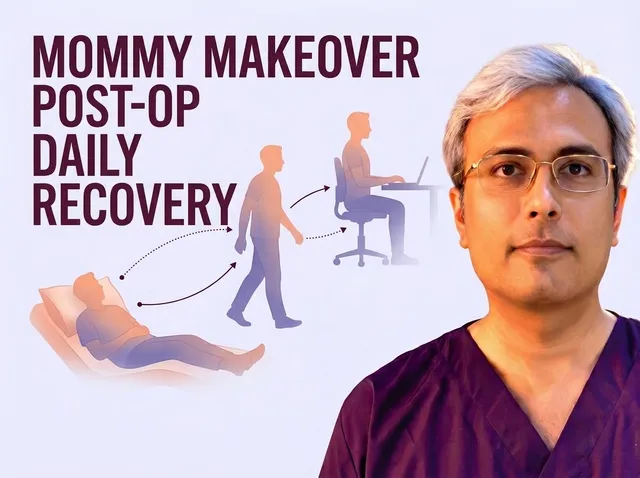
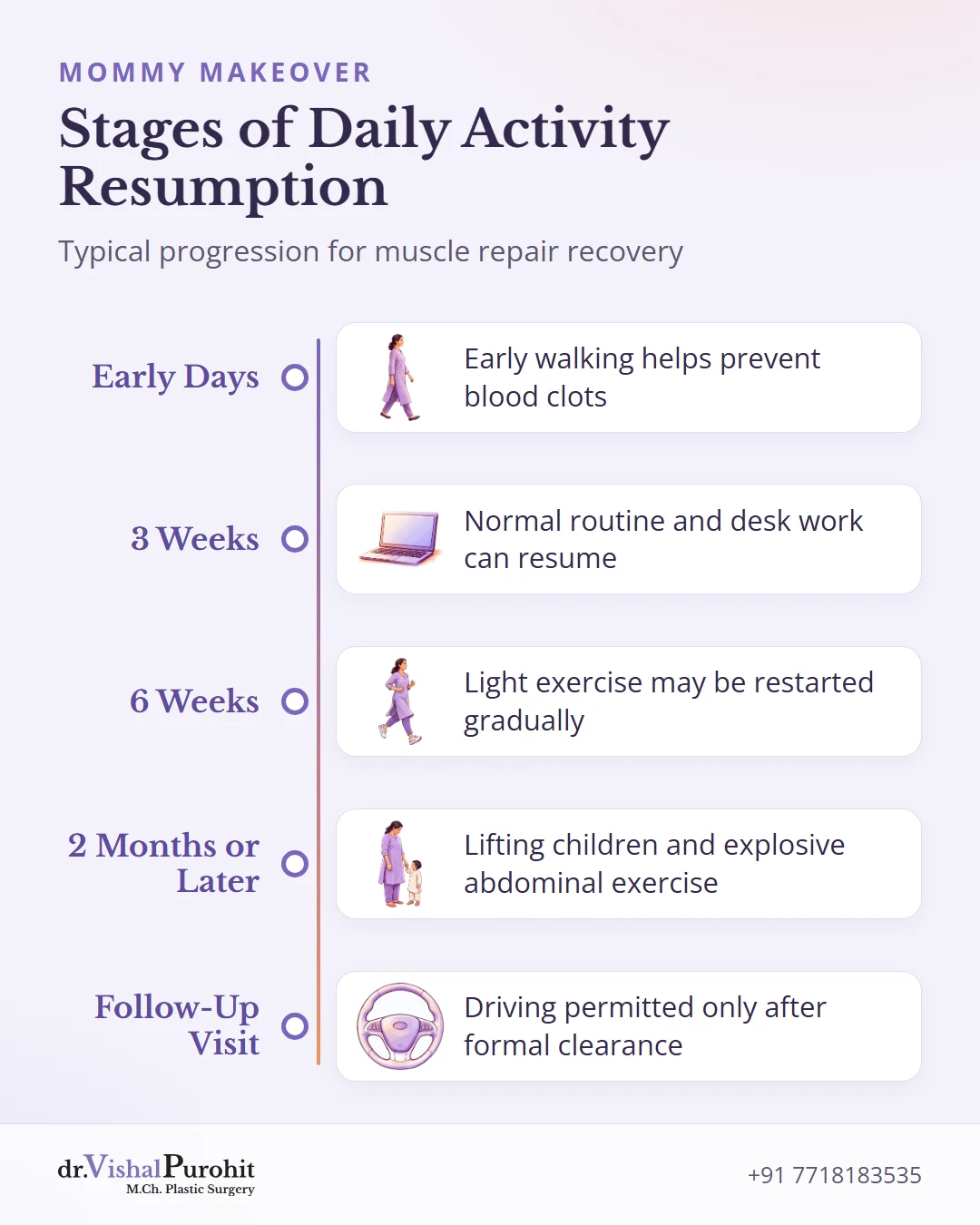
Recovery follows a steady path, and how mobility, drains and follow-up visits work after a mommy makeover sets out those stages. Patients spend two nights or longer in hospital under general anaesthesia, with drains always placed and an abdominal binder and support bra worn for 2 months. Early walking, calf pumps and compression stockings help prevent blood clots.
Daily life returns in stages so the internal muscle repair can settle:
- Normal routine, including desk work, at 3 weeks
- Light exercise at 6 weeks
- Lifting children and explosive abdominal exercise at 2 months or later
- Driving only after formal in-person clearance at a follow-up visit
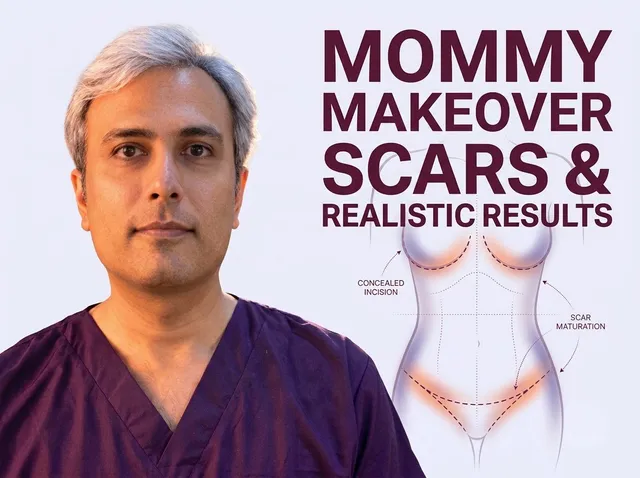
Scars are a lasting part of the result, even though they soften and fade with time. Incisions sit along the bikini line and beneath the breast fold so clothing conceals them. How scars mature and what results are realistic shows why each surgical site settles at its own pace.
What surgery can and cannot change
A tummy tuck removes loose lower-abdominal skin along with a previous C-section scar, and separated abdominal muscles are repaired when present. Stretch marks on removed skin go with it, while marks elsewhere stay. Surgical results cannot be promised, and any aesthetic touch-up is decided case by case.
Dr. Purohit's note: Surgical results cannot be promised, and any aesthetic touch-up is decided case by case.
Risks and Warning Signs

A mommy makeover brings several operations together, and that changes how the body copes with surgery. Dr. Vishal Purohit plans the work in stages to keep each operation shorter. Patients and families benefit from knowing what normal healing feels like, and which changes should never be left to wait and see.
Blood clots and staged surgery
Longer time under general anaesthesia raises the chance of a blood clot in the leg or lung, which is why the major reconstruction, such as the tummy tuck, is done first and breast augmentation later. The post on how combined surgery changes the risk of blood clots covers the personal factors to disclose, the prevention measures of compression stockings, calf pumps and early walking, and the advice given before any long car trip or flight.
Expected healing and true warning signs
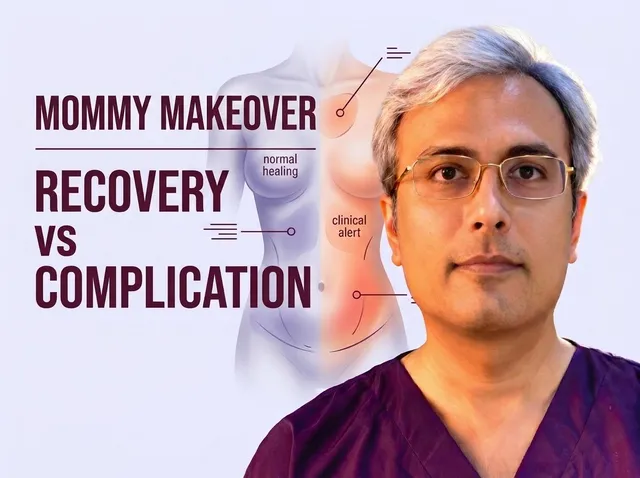
Swelling, bruising, tightness and temporary changes in sensation are part of normal healing, while other signs need prompt attention. The guide to the complications and warning signs to recognise explains how a fluid collection, bleeding beneath the skin, wound separation and infection usually appear, what symmetric breast soreness means, and why sudden one-sided swelling, fever or spreading redness should be treated as an emergency rather than waited out.
When to call the surgical team
Patients are advised to treat every surprise or unexpected discomfort as an emergency, and the surgical team sorts genuine emergencies from routine recovery questions. Warning signs to report immediately on +91 7718183535 include:
- Sudden swelling or pain in a calf, new chest pain, or sudden breathlessness
- Fever or shaking chills, or spreading redness and heat over the breast
- Heavy, yellow or foul-smelling drainage, or continuous bleeding from an incision
- Pain that the prescribed pain medication does not control
Call the surgical team immediately if there is sudden swelling or pain in a calf, new chest pain or sudden breathlessness, fever or shaking chills, spreading redness and heat over the breast, heavy, yellow or foul-smelling drainage, continuous bleeding from an incision, or pain that the prescribed pain medication does not control.
Mommy Makeover Cost in Jaipur
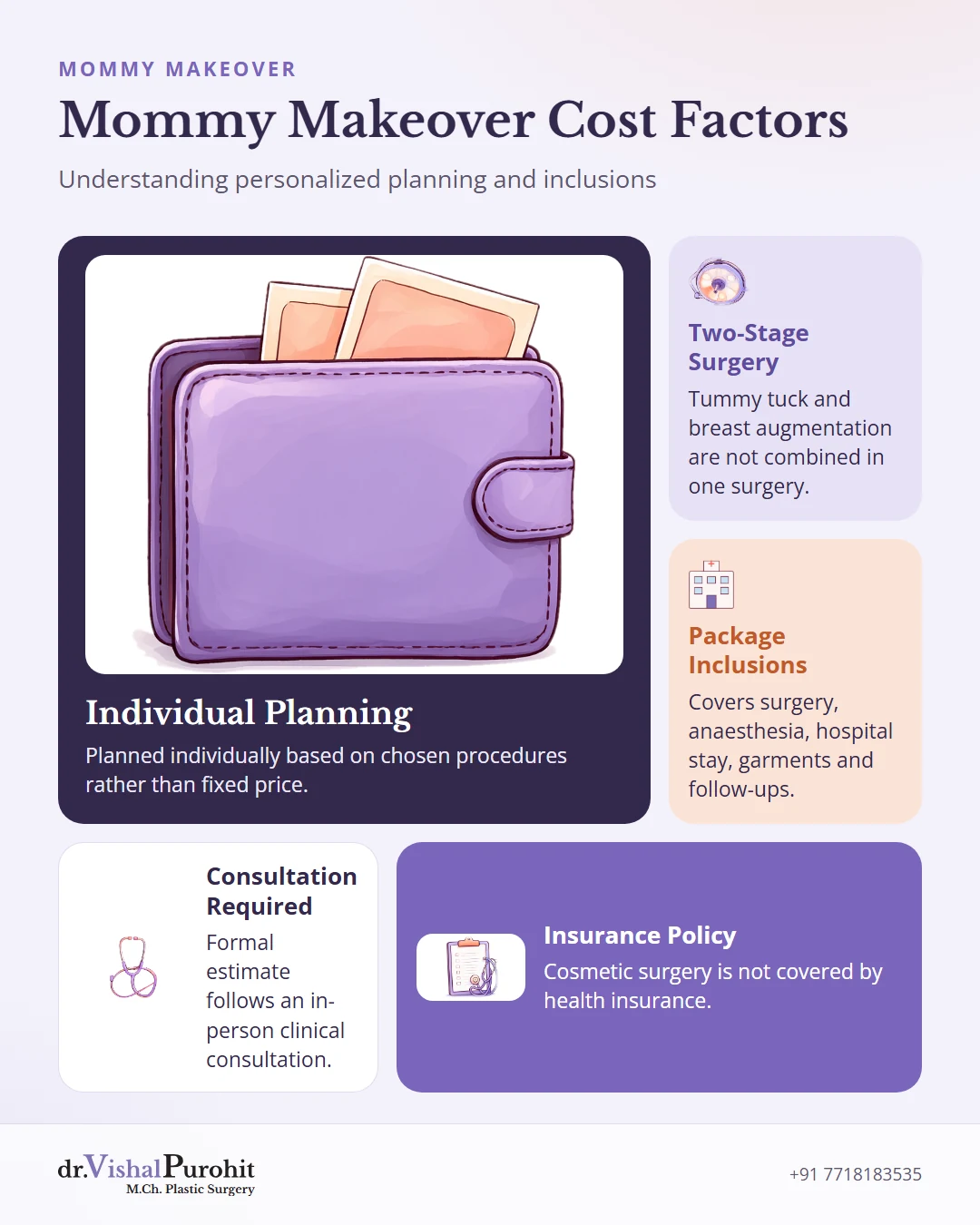
A mommy makeover is not one standard operation but a combination of procedures chosen for one person's changes after pregnancy, so its cost is planned individually rather than quoted as a single fixed figure.
Key points
- A mommy makeover is a combination of procedures, so its cost is planned individually rather than quoted as a single fixed figure.
- The makeover is mostly done in two stages because a tummy tuck is not combined with breast augmentation in one operation.
- The package includes everything except travel, and cosmetic surgery is not covered by health insurance.
The total depends on the procedures combined, so no single price range is published and a formal estimate follows an in-person clinical consultation.
Because a tummy tuck is not combined with breast augmentation in one operation, the makeover is mostly done in two stages, and it helps to understand how a mommy makeover estimate works across two stages.
The package includes everything except travel, such as surgical care, anaesthesia, the hospital stay of two nights or longer, support garments and follow-up visits.
Cosmetic surgery is not covered by health insurance, and help with third-party monthly instalments is available only if the provider offers it.