Medical Liposuction for Lipedema: Removing Fat to Help You Move
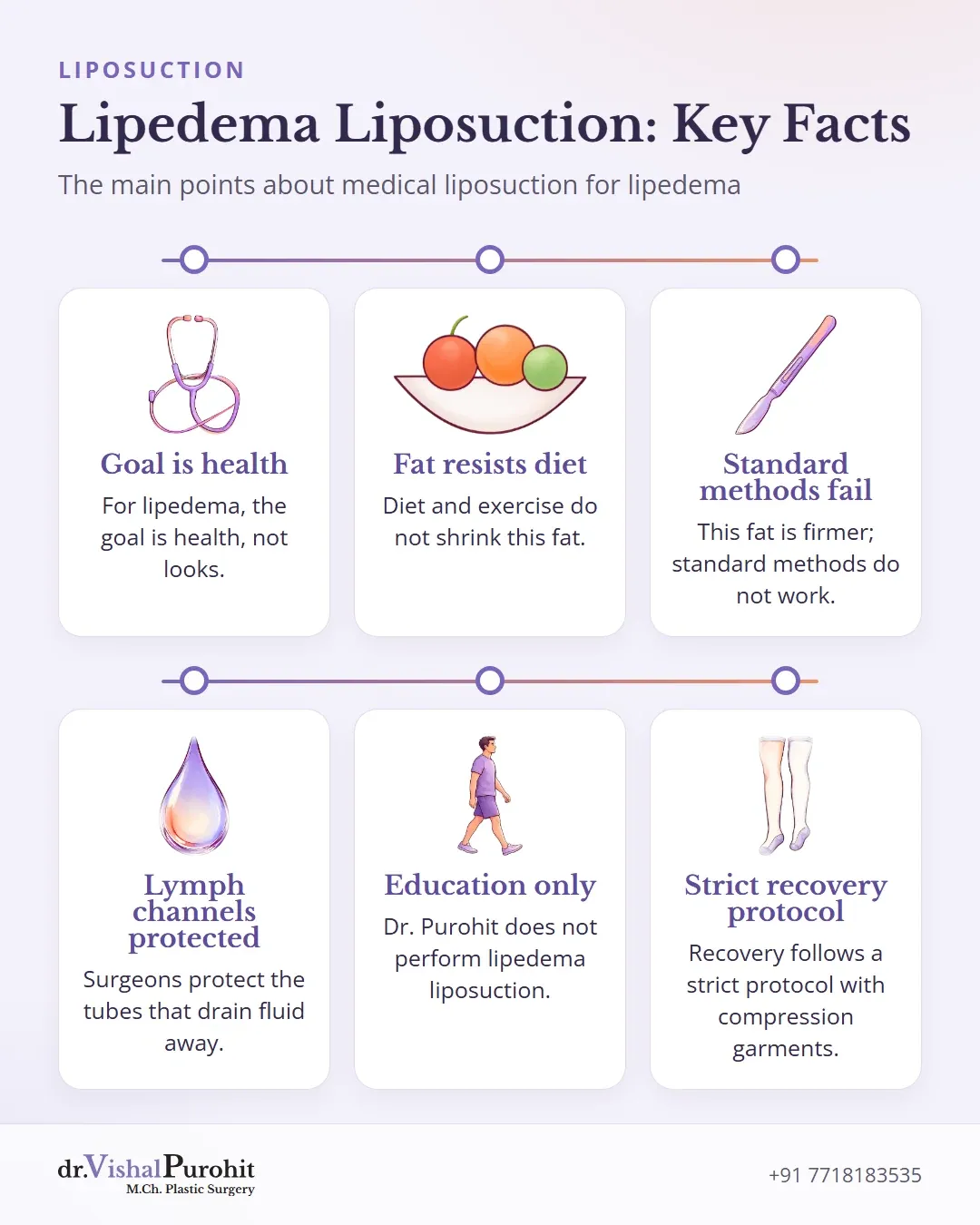
Liposuction for lipedema is a medical treatment. It is not just for looks.
As an M.Ch liposuction surgeon in Jaipur, Dr. Vishal Purohit performs tumescent liposuction for aesthetic body contouring; he does not perform lipedema liposuction. In the medical literature, specialized debulking is described to alleviate physical discomfort and restore mobility in patients affected by lipedema.
Standard liposuction changes how your body looks. This procedure focuses on stopping chronic pain and heavy feelings. It helps you move better.
Diet and exercise do not work on this type of fat. Removing it helps you regain your independence and quality of life.
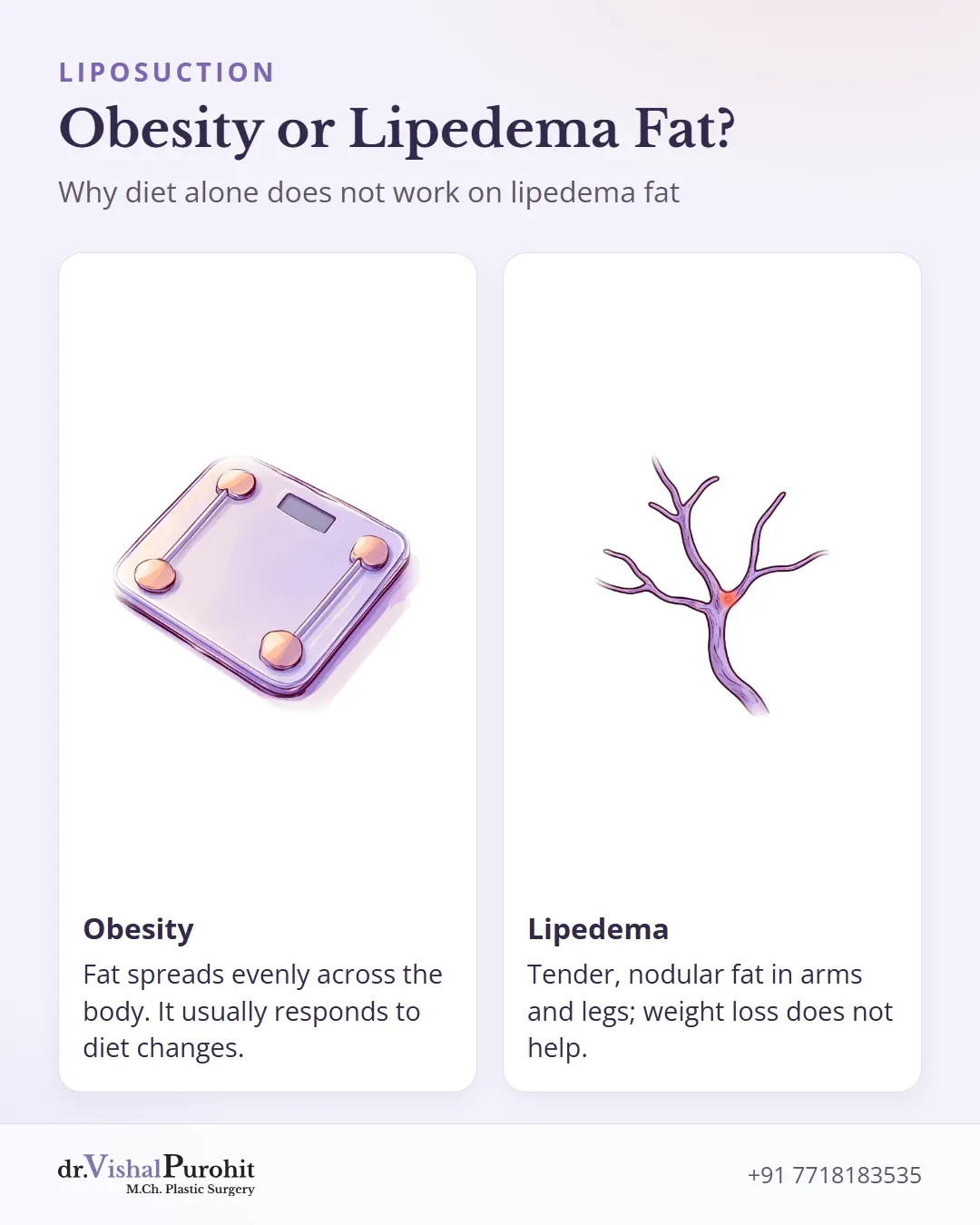
It is important to know the difference between obesity and lipedema:
- Obesity causes fat to spread evenly across the body, which usually responds to changes in diet.
- Lipedema leads to tender, nodular fat accumulation in the arms and legs that does not respond to weight loss.
Managing these complex issues requires experienced clinical evaluation to determine appropriate body contouring and reconstructive care.
Dr. Purohit’s note: Dr. Vishal Purohit (M.B.B.S., M.S. General Surgery, M.Ch. Plastic Surgery) leads the surgical team, combining operative precision with patient-focused care.
He uses his surgical training to help you feel confident and comfortable in your body. Every treatment plan is tailored to your individual needs, with a constant focus on long-term physical comfort and daily wellbeing.
Clinical Indications: When Liposuction Becomes a Medical Necessity
A Medical Indication is a health reason that makes a treatment necessary. Many people use liposuction just to change their look. For them, the goal is beauty.
For lipedema patients, the goal is health. It is about how your body works, not just how it looks.
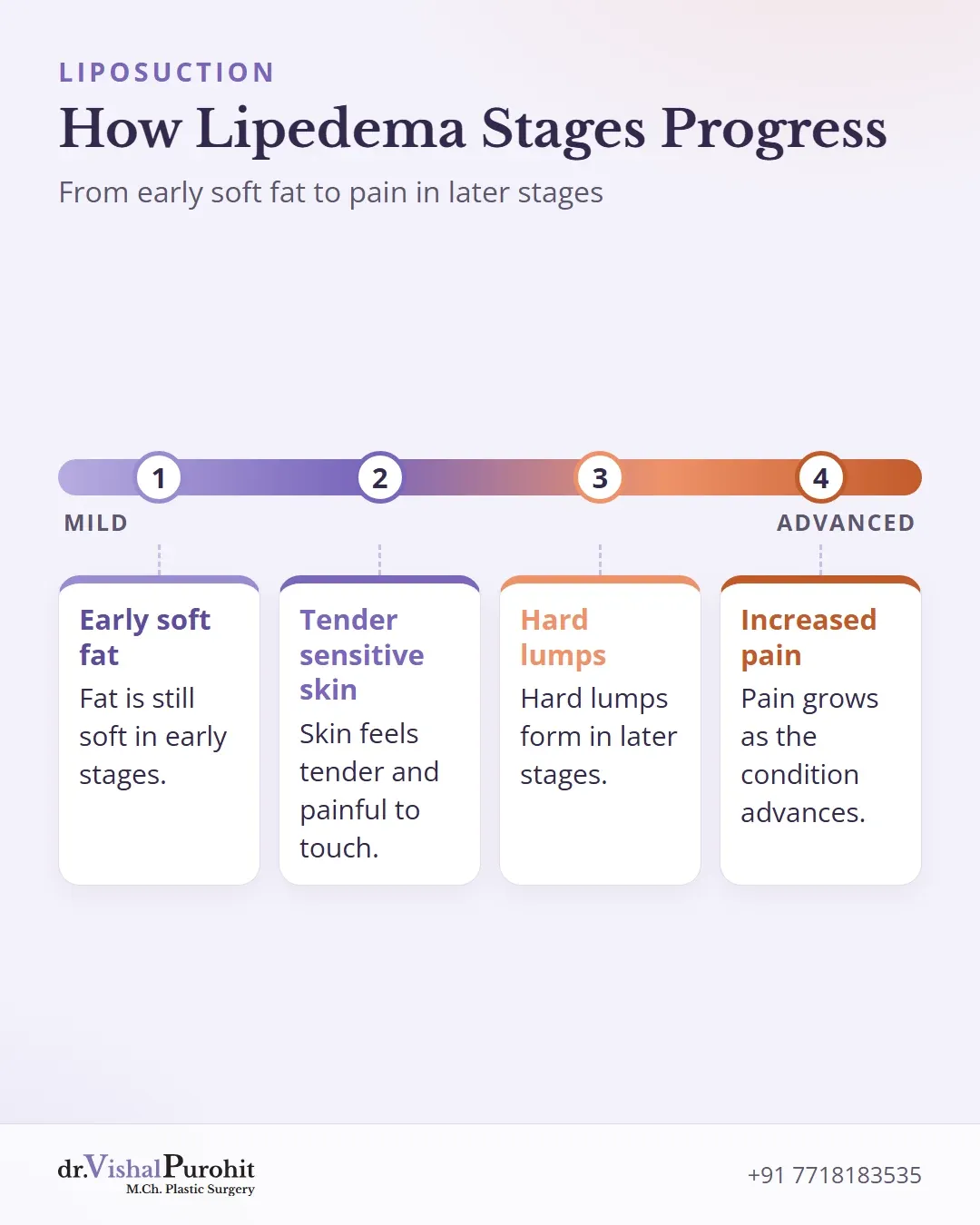
Doctors use diagnostic criteria to identify the condition. They look for specific symptoms:
- Tender, sensitive skin
- Fat buildup symmetrically on both sides of the body
These signs help the doctor evaluate your lipedema stages. Early stages typically involve soft fat, while later stages feature hard lumps and increased pain.
Sometimes, conservative treatments do not work. In those cases, a therapeutic intervention—a medical procedure to treat the underlying condition—becomes necessary.
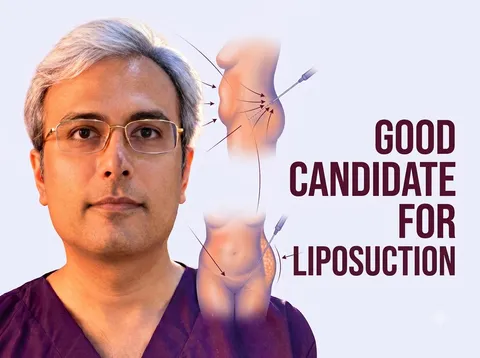
Removing this diseased fat relieves pressure on your joints and nerves. In the medical literature, someone may be considered a candidate for liposuction if their legs feel heavy or painful (note that Dr. Purohit does not perform lipedema liposuction; his practice is focused on cosmetic tumescent liposuction for patients who meet the criteria for a good candidate for liposuction).
This medical approach helps you move better and feel like yourself again.
Surgical Technique Adaptation for Lipedema Patients
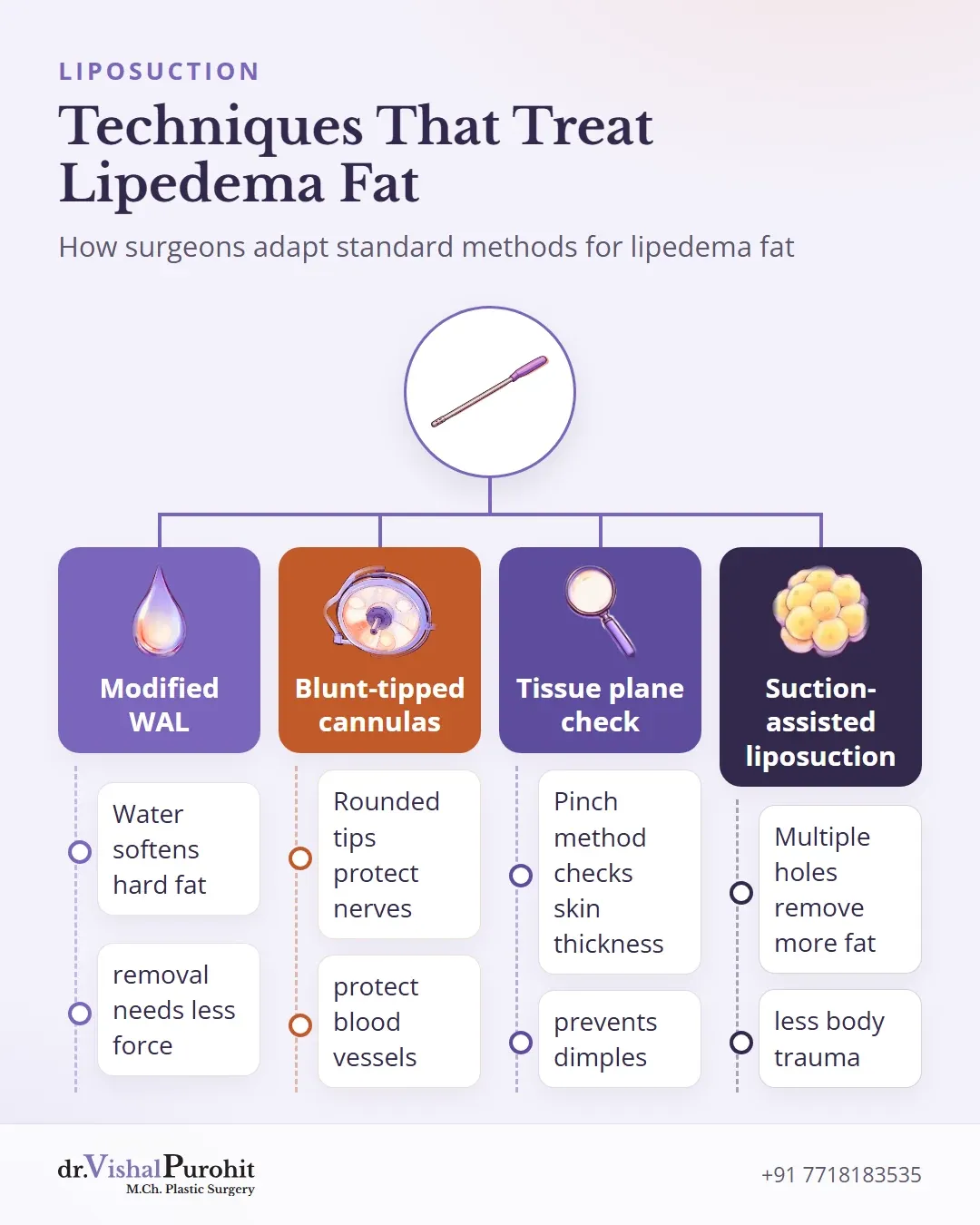
Treating lipedema needs a special Surgical Technique Adaptation. Standard methods don’t work because this fat is firmer and more sensitive. The goal is to remove sick tissue while protecting healthy areas.
Using Modified WAL
Doctors often use a modified WAL approach. This uses water to soften hard fat, making the fat easier to remove with less force.
Precision Suctioning
Surgeons use precision suctioning to target only sick areas. They use blunt-tipped cannulas (thin tubes) to move through your body, as these rounded tips protect your nerves and blood vessels.
Managing the Tissue Plane
Your surgeon watches the tissue plane, or the fat layer they are in. They use a pinch method to check skin thickness, which prevents holes or dimples in your skin.
- Suction-Assisted Liposuction: Doctors use suction-assisted liposuction for very hard fat. This gives them the power to clear out thick deposits. Using multiple holes on the cannula removes more fat at once, causing less trauma to your body.
Specialized Suctioning Protocols
Doctors change their tools to treat disease-specific fat. This type of fat is tougher than normal fat. It needs a different approach.
Key points
- Surgeons adjust cannula sizes and suction pressure specifically for tough, diseased fat.
- Strategic access incisions allow deep fat removal while protecting blood vessels, skin, and nerves.
- These tailored protocols relieve painful weight and minimize scarring to improve mobility.
Your surgeon will pick the right cannula size for you:
- Large cannulas for deep fat
- Small cannulas to smooth the skin
They also adjust the suction pressure. Too much pressure can hurt your tissue. Too little will not remove the sick fat.
Finding this balance is key for suction-assisted liposuction. These changes help you feel better. They ensure you get the results you need.
2. Strategic Incision and Access Points
Medical liposuction uses a different plan for surgical access than cosmetic surgery. Your doctor uses a reconstructive approach to treat the area. They focus on tissue health and your ability to move.
Your surgeon makes several small, quick cuts. These holes let them reach deep layers of sick fat. This method causes minimal trauma to your skin and nerves.
Tiny openings let the surgeon clean large areas. This means you will not have large scars.
This careful plan protects your blood vessels. It lets the surgeon move safely through the fat.
This keeps your skin healthy while removing painful weight. It helps you move better and feel more confident.
The Critical Role of Lymphatic Preservation
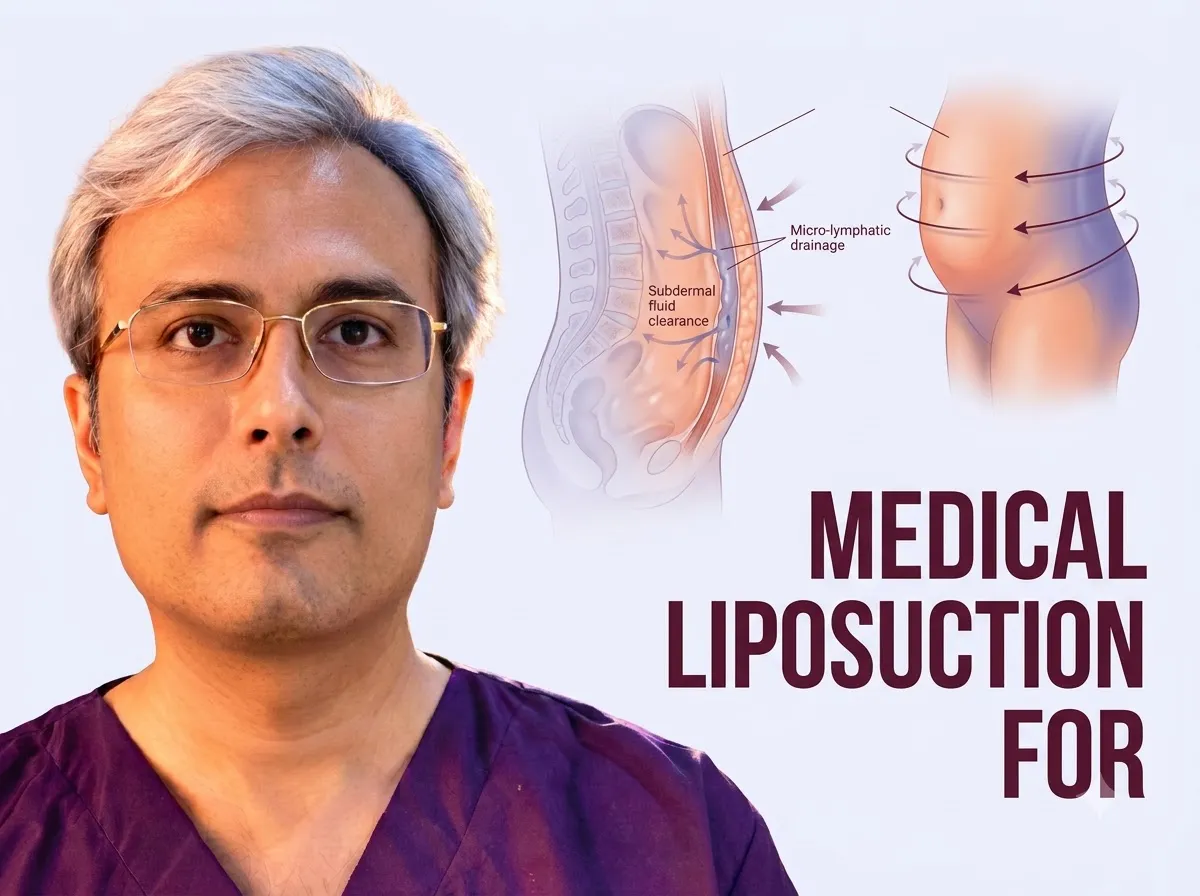
Protecting your body’s drainage system is a top priority during liposuction. This is called Lymphatic Preservation.
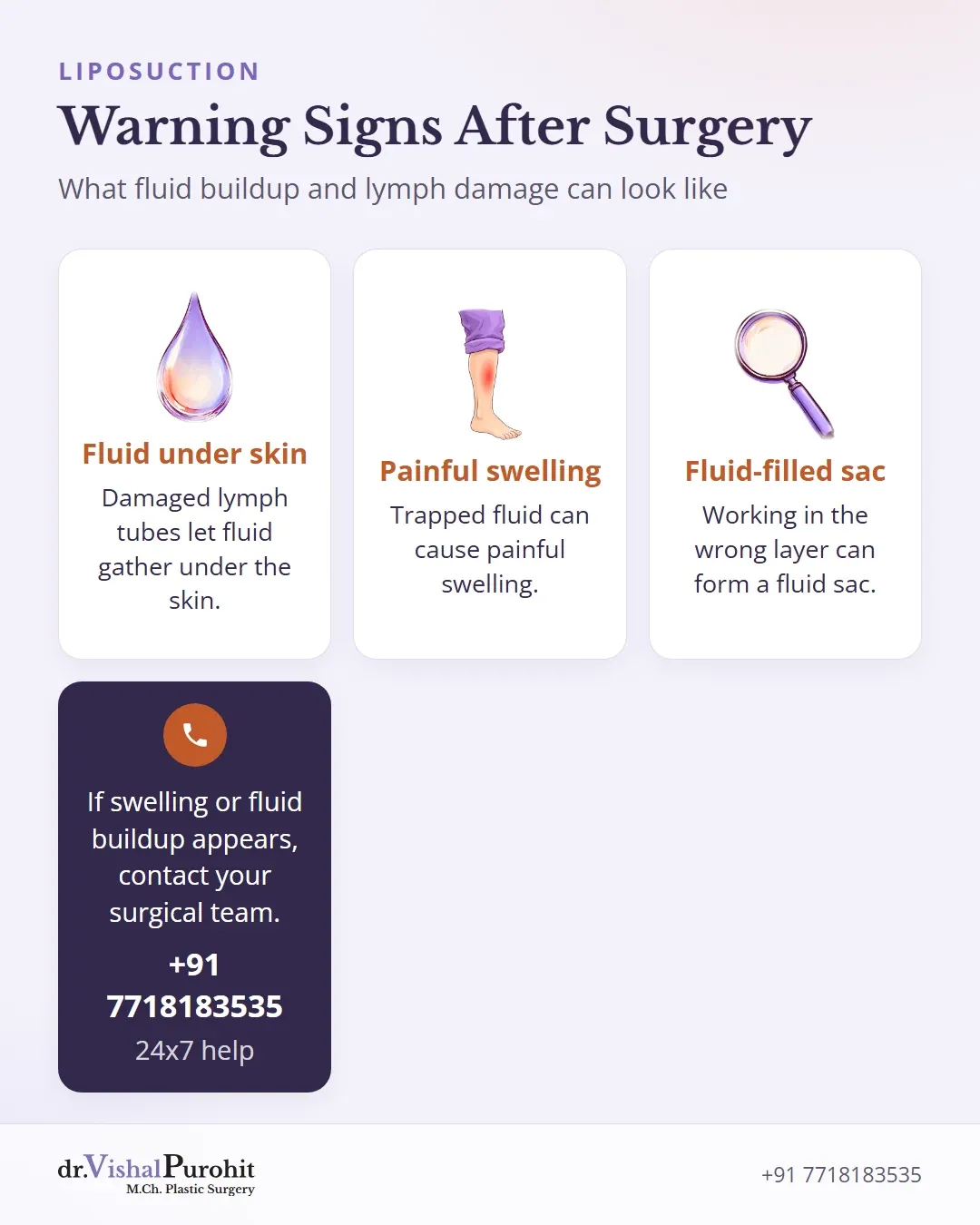
The surgeon must protect the lymphatic channels. These are small tubes that move fluid away from your tissues. If these tubes are damaged, fluid can build up under your skin.
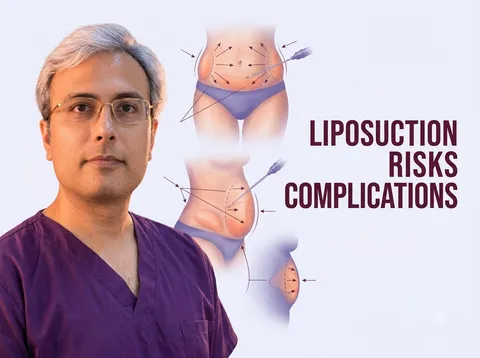
Keeping microvascular integrity is vital for a smooth recovery. This means keeping tiny blood and lymph vessels healthy. If a surgeon is too aggressive, it can lead to post-operative lymphedema. This is a painful swelling caused by trapped fluid.
Surgeons use a gentle touch to avoid destroying the superficial lymphatic system. They stay in the correct tissue layer to prevent a lymphocele, which is a sac filled with fluid.
This careful approach helps you feel lighter and more confident. It also prevents new problems from starting.
Functional Outcomes: Beyond Aesthetic Contouring
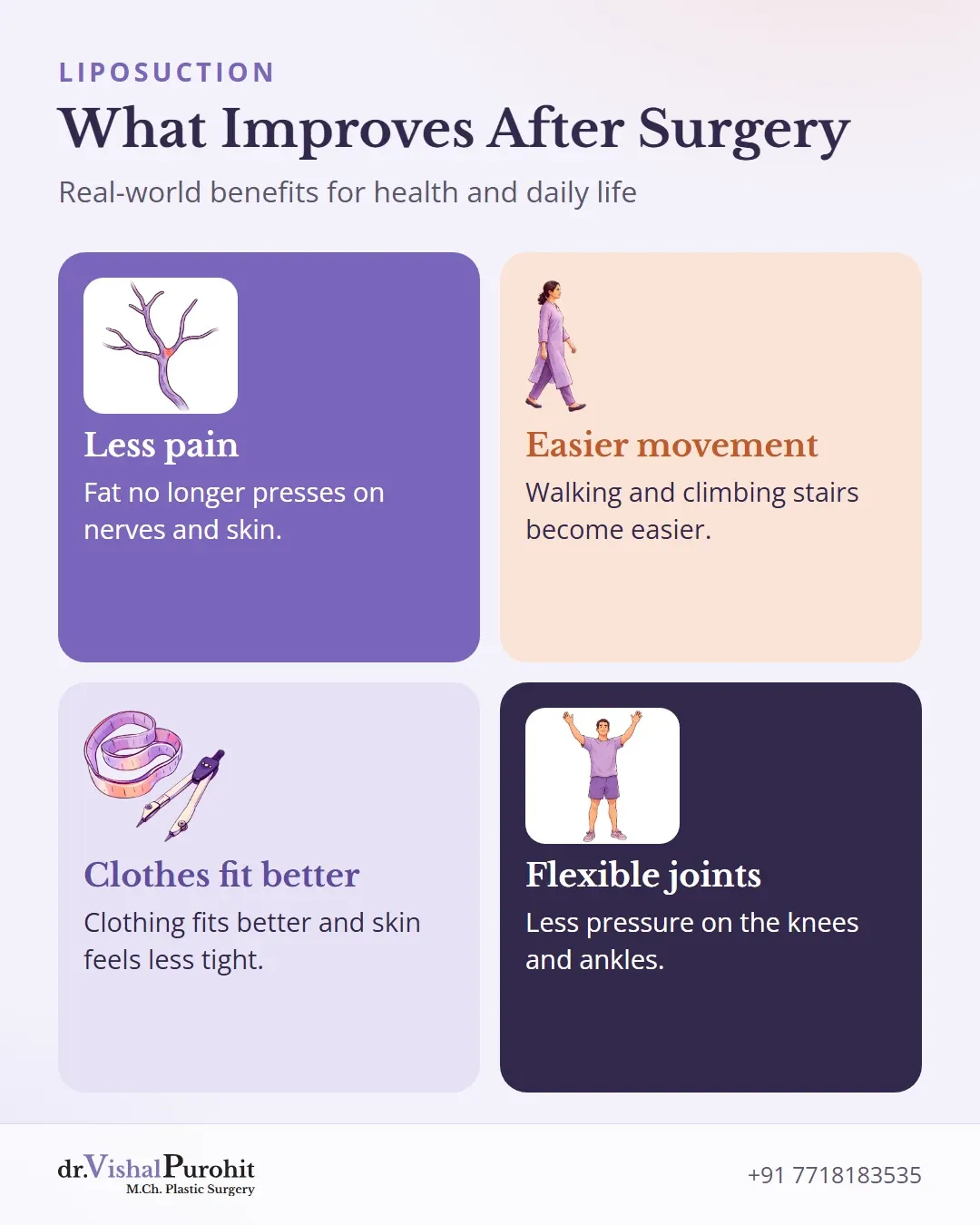
Medical liposuction does more than change your look. It focuses on Functional Improvement. This means it helps your body work better.
Removing diseased fat takes heavy pressure off your nerves and muscles. This helps you feel better every day.
You can get back to the activities you love more easily. See the table below to learn how this helps your health and confidence.
| Health Goal | How Liposuction Helps | Real-World Benefit |
|---|---|---|
| Pain Reduction | Removes fat that presses on nerves and skin. | Less daily aching and tenderness in the legs. |
| Improved Mobility | Reduces the heavy weight of the limbs. | Easier walking and climbing stairs. |
| Limb Circumference | Shrinks the overall size of the affected area. | Clothing fits better and skin feels less tight. |
| Joint Flexibility | Takes pressure off the knees and ankles. | Better range of motion and less joint strain. |
Specialized Post-Operative Care and Compression Therapy
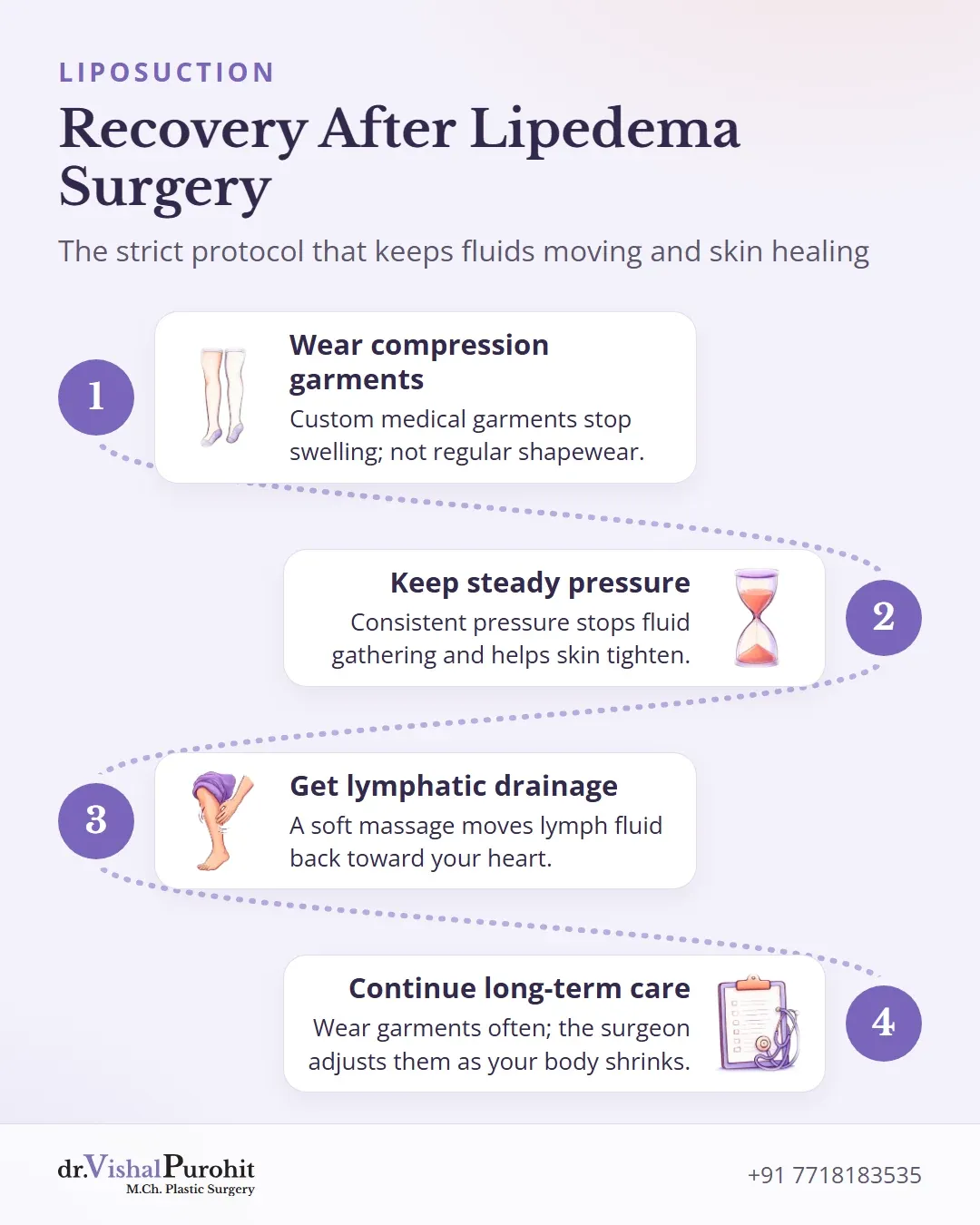
Recovering from medical liposuction is not like a standard beauty treatment. If you have lipedema, you must follow a strict recovery protocol. This keeps your fluids moving and helps your skin heal.
Your recovery plan centers on four essential elements:
- Post-Operative Compression Therapy: This is the most important part of your healing. You will use medical-grade compression garments that fit your body perfectly. These are custom-made garments built to stop swelling, not regular shapewear.
- The Role of Pressure: Consistent pressure from properly fitted compression garments stops fluid from gathering in your treated areas. This pressure helps your skin tighten and prevents new fluid buildup.
- Lymphatic Drainage: This is a soft massage technique. It pushes lymph fluid out of your limbs and back to your heart. It works with your gear to keep your arms and legs feeling light.
- Continuous Care: Medical aftercare lasts much longer than cosmetic recovery. You must wear your garments often to keep your results. Your surgeon will adjust your gear as your body shrinks.
Frequently Asked Questions
How is liposuction used as a medically necessary treatment for Lipedema?
Specialized water-assisted or power-assisted tumescent liposuction is a surgical procedure described in the literature that debulks diseased, painful nodular adipose tissue in Stage I to III Lipedema. The procedure removes painful fat deposits from the legs and arms while preserving deep lymphatic channels. Studies report that surgical debulking helps restore mobility.
How does Lipedema fat differ from ordinary cosmetic body fat?
Lipedema fat is a chronic, painful, metabolically resistant adipose disorder that causes disproportionate bilateral limb swelling, easy bruising, and hypersensitivity to touch, unresponsive to caloric deficits. Ordinary fat responds to diet and exercise, whereas Lipedema tissue requires mechanical surgical debulking described in the medical literature. Diagnostic palpation is used clinically to differentiate Lipedema from lymphedema.
Does medical Lipedema liposuction qualify for health insurance coverage?
In the medical literature, Lipedema liposuction is documented as medically necessary to treat chronic pain, impaired mobility, and failed conservative decongestive therapy (CDT). Some medical health insurance policies may cover the procedure when supported by comprehensive diagnostic letters, mobility scales, and pre-authorization paperwork.
What is the post-operative recovery protocol for Lipedema patients?
Lipedema recovery protocols reported in the literature often involve wearing flat-knit medical compression garments, undergoing manual lymphatic drainage (MLD) therapy, and resting with limbs elevated. Patients may experience reductions in leg heaviness and pain within several weeks.
Restoring Your Quality of Life
Medical liposuction is about more than looks. It focuses on functional restoration. The goal is a major quality of life improvement.
Surgical debulking aims to remove the weight and pain of lipedema to help patients move freely again.
Pick a surgeon with plastic and reconstructive skills. An M.Ch. Plastic Surgery specialist is a trained choice who understands both aesthetic and medical considerations.
If you would like to discuss your condition or book a consultation, contact Dr. Vishal Purohit in Jaipur at +91-7718183535. The surgical team guides you through every step of your care.
For medically necessary procedures such as lipedema debulking, review criteria for liposuction insurance coverage.