Liposuction vs. Weight Loss: Understanding Why Liposuction Is Not a Treatment for Obesity
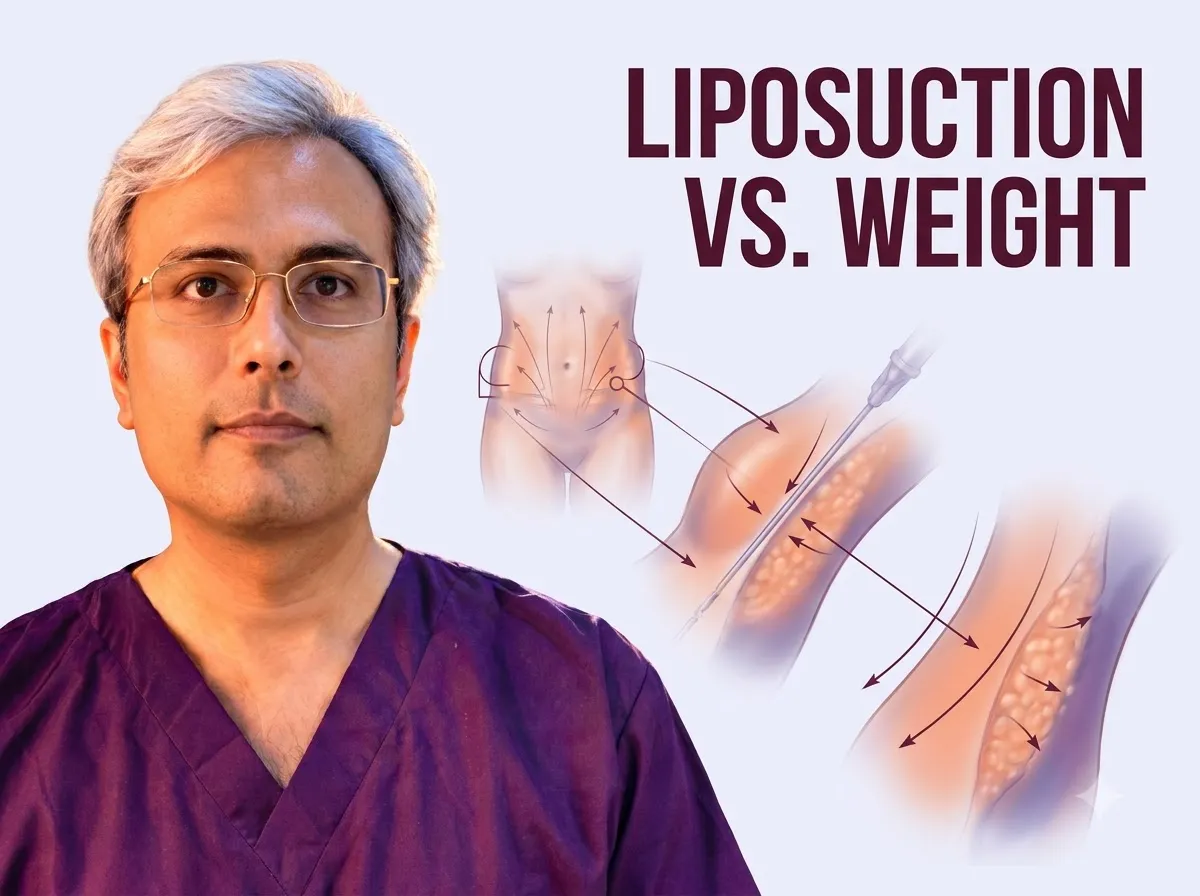
Let’s be clear: liposuction is for shaping your body, not for losing weight. It removes stubborn fat that diet and exercise cannot fix. It is not meant to treat obesity or lower your total body weight.
The goal is to sculpt your shape, not to reduce your overall mass.
You must know the difference between sculpting fat and losing weight. This helps you get natural results and feel better about yourself.
Weight loss lowers your total body fat through metabolism. Liposuction targets specific areas, like your chin, thighs, or stomach. This helps your body look more balanced.
If you want to refine your shape through expert cosmetic surgery in Jaipur, you should know your goals first.
Dr. Vishal Purohit is an M.Ch Plastic and Reconstructive Surgeon. He provides personal care based on your unique body.
He will help you set realistic goals for your body contouring. This ensures your journey to a more confident you is safe and rewarding.
The Main Difference: Removing Cells vs. Shrinking Fat
First, you need to know about adipocytes. These are just the fat cells in your body. For most adults, the number of these cells stays the same.
When you gain weight, these cells grow larger to hold more energy.
Metabolic reduction happens when you eat less or work out more. This causes your body to burn fat from many different areas.
During this process, your fat cells do not disappear. They only get smaller.
Surgical fat removal works in a different way. Liposuction physically removes the adipocytes1 from a specific area.
Once these cells are gone, they do not grow back. This helps you shape your body in ways that diet and exercise cannot.
Medical Purpose: Body Contouring vs. Weight Management
Liposuction is a type of aesthetic surgery2 to improve how you look. Its main goal is body contouring. This means reshaping the outline of your body.
This surgery removes localized fat3 from a few specific spots. It is not the same as weight management. Weight management focuses on your overall health and the number on the scale.
Use this table to see the differences:
| Feature | Body Contouring (Liposuction) | Weight Management (Diet & Exercise) |
|---|---|---|
| Primary Goal | To shape and sculpt the body | To lower total body weight |
| Target Area | Specific pockets of localized fat | Fat loss across the whole body |
| Method | Surgery to remove fat cells | Burning fat through metabolism |
| Result | A more balanced body shape | Lower overall body weight |
| Purpose | To help in body contouring | To improve general health and BMI |
Patient Eligibility: Are You a Candidate for Liposuction?
Dr. Purohit uses a clinical screening to keep you safe. This check makes sure your health and body type match your goals.
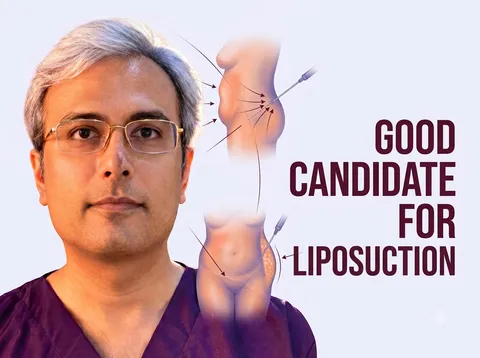
You may be a good candidate for liposuction if you fit these points:
- Stable Weight: You are near your goal weight. You are not clinically obese.
- Healthy BMI: You usually have a BMI less than 304. BMI measures your body fat using your height and weight.
- Targeted Fat: You have fat trapped in one specific spot.
- Healthy Habits: You do not smoke. You eat well and exercise.
- Realistic Goals: You want to shape your body. You are not trying to lose a lot of weight.
An ideal candidate has skin that stretches and bounces back. This ensures your skin looks smooth after the fat is gone.
Ideal BMI for Liposuction
Your Body Mass Index, or BMI, helps your doctor decide if you are ready for surgery. For the best results, you should be within a healthy weight range.
This makes sure the surgery shapes your body. It ensures the goal is sculpting, not treating obesity.
Staying near your goal weight helps you keep your new look. People with generalized obesity5 often face higher risks.
These risks include heart and lung problems. You might also have a harder time healing.
A stable BMI and weight status makes the process safer. It lets your surgeon focus on specific fat pockets.
This gives you a more natural and balanced shape.
Identifying Stubborn Fat Pockets
Do you eat well and work out but still see fat in some areas? This is called resistant fat. It stays put even when you lose weight overall.
Your genetics cause this. Some fat cells are just harder to shrink than others. These spots won’t budge, no matter how hard you hit the gym.
Liposuction works great for these specific areas. It focuses on sculpting your body for a balanced look. It removes the fat that diet and exercise cannot reach.
Expected Outcomes: Sculpting the Silhouette
The goal of this aesthetic surgery is to give you a balanced look. We focus on proportionality. This means making sure your body parts fit together naturally.
We don’t just remove fat. We shape your curves to match your unique frame.
At Kalpana Aesthetics, we focus on a personalized body contouring outcome. We remove targeted fat to show the lean muscles underneath.
This turns stubborn areas into smooth, flowing lines. It helps you get a more defined shape.
For example, it can create a smooth curve from the waist to the knee70133-9) on the thighs. These changes highlight your natural beauty and boost your confidence.
Post-Surgical Weight Maintenance and Long-Term Results
Liposuction changes your shape, but your body can still change. You need to focus on maintenance to keep your new curves. Follow these steps to protect your results:
- Commit to Diet and Exercise: Surgery removes fat, but it doesn’t change how you store calories. A healthy lifestyle6 is the best way to keep your look. Eat well and stay active to stay lean.
- Prevent Significant Weight Gain: You have fewer fat cells now, but the ones left can still grow. Big weight gain can change how your results look. Stay near your goal weight to keep smooth contours.
- Understand Fat Cell Distribution: Your body has a set fat cell distribution pattern. If you gain weight, fat may store in areas that weren’t treated. This can make some body parts look different than others.
- Use Results as Motivation: Your new shape can inspire you to build better habits. This positive shift in eating and exercise habits7 often helps people lose more weight naturally.
Frequently Asked Questions
Why is liposuction classified as a body contouring procedure rather than a weight loss surgery?
Liposuction is engineered to reshape localized stubborn fat pockets and refine anatomical proportions, typically removing only 2 to 5 liters of fat (translating to 2 to 4 kg on the scale), which dramatically changes dress sizes but modestly changes body weight, explains Dr. Vishal Purohit in Jaipur. It does not treat obesity, alter systemic metabolism, or address deep visceral fat around organs. As an M.Ch plastic surgeon, Dr. Purohit aligns candidate expectations with surgical reality.
What is the difference between subcutaneous fat and visceral belly fat?
Subcutaneous fat lies directly beneath the skin and is pinchable and surgically extractable, whereas visceral fat sits deep inside the abdominal cavity surrounding internal organs where surgery cannot safely enter, clarifies Dr. Vishal Purohit in Jaipur. Visceral fat can only be reduced through caloric restriction and aerobic exercise. Dr. Purohit tests pinch thickness to ensure surgery achieves real contour flattening.
What are the ideal health and weight requirements before scheduling liposuction?
Ideal candidates maintain a stable Body Mass Index (BMI) below 30 to 32 kg/m² for at least 3 to 6 months prior to surgery with Dr. Vishal Purohit in Jaipur. Being near your target weight ensures skin tone has adapted and lowers surgical and anesthetic risks. As an M.Ch. plastic surgeon, Dr. Purohit advises patients on achieving weight stability before surgery.
Can weight gain after liposuction ruin my body contouring results?
Gaining moderate weight (2 to 4 kg) after liposuction will not destroy your sculpted contours, as fat will deposit evenly across untreated body regions rather than re-accumulating disproportionately in the treated areas, confirms Dr. Vishal Purohit in Jaipur. However, gaining more than 7 to 10 kg will expand remaining fat cells. Dr. Purohit provides comprehensive nutritional guidance to protect your surgical investment permanently.
Summary: Sculpting vs. Slimming Liposuction reshapes the body. It does not treat obesity.
It refines your silhouette. It does not reduce your overall weight.
You need a professional check-up to see if this is right for you. Visit Dr. Vishal Purohit at Kalpana Aesthetics for a personal consultation.
Ready to see if you are a candidate? [Book your surgical candidacy screening today]
If you would like to discuss your condition or book a consultation, contact Dr. Vishal Purohit in Jaipur at +91-7718183535. Our specialist team is here to guide you through every step of your care. For the full picture, see our complete guide to Liposuction.