






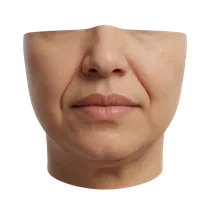

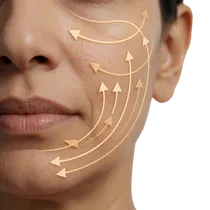
What is Fat Transfer aka Structural Fat Grafting?
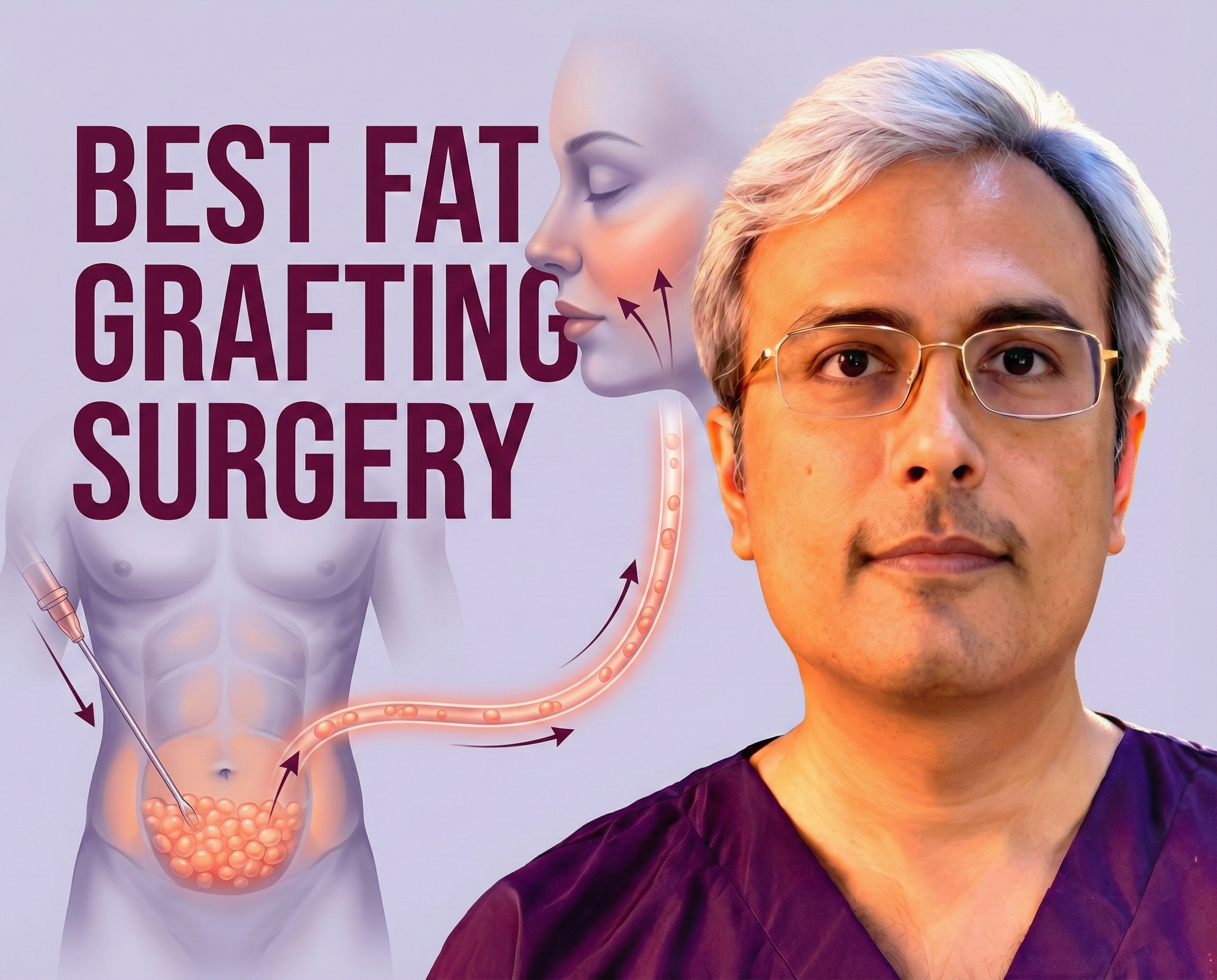
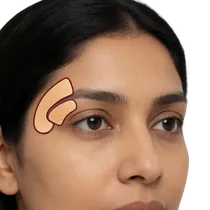
Fat transfer, also known as fat grafting or lipofilling, is a sophisticated cosmetic surgery procedure. It involves harvesting fat from one part of the body and injecting it into another area that requires volume enhancement. This technique is widely recognized for its natural results and dual benefits: reducing unwanted fat in certain areas while enhancing others. According to the authors Kauhanen and Peltoniemi of the paper Free fat transfer–a versatile tool in reconstructive surgery, free fat transfer or lipofilling is a procedure that has grown in popularity, offering a versatile tool in reconstructive and aesthetic surgery.
Brief History and Evolution of Fat Transfer
The concept of fat transfer has evolved significantly over the years. Initially used for reconstructive purposes, it has now become a mainstay in aesthetic enhancements, such as fat transfer to the breast, fat injections in the face, and fat transfer to the buttocks. As highlighted by Sinna, Delay, Garson, and Mojallal in their study Scientific bases of fat transfer, fat grafting is an age-old technique that has undergone substantial refinement, contributing to its current popularity in cosmetic surgery.
Introduction to Dr. Vishal Purohit (MCh Plastic Surgery, Jaipur, Rajasthan, India)
Dr. Vishal Purohit is a renowned MCh Plastic Surgeon based in Jaipur, Rajasthan, India, specializing in various cosmetic procedures, including fat transfer. His expertise in structural fat grafting and commitment to providing the best fat fill and fat grafting services in Jaipur make him a sought-after surgeon in this field. With an emphasis on patient safety and satisfaction, Dr. Purohit ensures that each procedure is performed with the utmost precision and care.
Table: Overview of Fat Transfer Procedures by Dr. Vishal Purohit
Dr. Purohit’s approach to fat transfer surgery integrates the latest techniques and a personalized treatment plan for each patient. Whether it’s for fat transfer to lips, under eye fat transfer, or even fat transfer from stomach to scars, his expertise ensures optimal results. His clinic also offers transparent information about fat transfer cost in Jaipur, making it easier for patients to make informed decisions.
Various Types of Fat Transfer Techniques
Fat transfer techniques have evolved to address various aesthetic and reconstructive needs. Each technique is tailored to achieve specific results, whether it’s enhancing facial features, augmenting the breasts, or contouring the body. Understanding these techniques is crucial for anyone considering fat transfer procedures.
Traditional Fat Grafting
The traditional method of fat grafting involves extracting fat from one area of the body (usually areas with excess fat like the abdomen or thighs) and re-injecting it into the area that needs enhancement. This technique is commonly used for fat transfer to the face and breast augmentation.
Structural fat grafting is a more refined technique where fat is layered in a way that allows for better integration and longevity of the results. This method is particularly effective for facial rejuvenation and restoring volume lost due to aging or weight loss.
Micro Fat Grafting
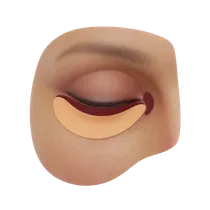
Micro fat grafting involves using smaller amounts of fat and is ideal for delicate areas like the under eye or lips. This technique allows for precise contouring and is popular for its natural-looking results.
Fat Transfer for Body Contouring
Fat transfer is not just limited to facial enhancements. It’s also used for body contouring, such as fat transfer to breasts for augmentation or fat transfer from stomach to buttocks for a more rounded, sculpted appearance.
Table: Overview of Fat Transfer Techniques
According to the authors Bisaccia, Scarborough, and Swensen of the paper Fat transfer–a “pinch” technique for accurate placement, fat transfer has been refined over time to allow for more precise and effective results. Their “pinch” technique highlights the advancements in the accuracy and efficacy of these procedures.
Fat Transfer in Jaipur
In Jaipur, these fat transfer techniques are particularly popular for their ability to provide natural and long-lasting results. Dr. Vishal Purohit, a renowned plastic surgeon in Jaipur, specializes in these advanced fat transfer techniques, ensuring that each patient receives a personalized treatment plan suited to their unique aesthetic goals.
Dr. Purohit’s clinic in Jaipur is equipped with state-of-the-art facilities and employs the latest techniques in fat transfer, ensuring the highest standard of care for patients seeking cosmetic enhancements or reconstructive procedures. Whether it’s enhancing facial features, augmenting the breasts, or contouring the body, the clinic offers a range of fat transfer options to meet diverse needs.
Candidates for Fat Transfer
Fat transfer procedures have become increasingly popular in cosmetic surgery. Understanding the indications, benefits, and suitable candidates for these procedures is crucial for those considering fat transfer.
Indications for Fat Transfer
Fat transfer can address a variety of cosmetic concerns, ranging from facial rejuvenation to body contouring. According to the authors Sorotos, Paolini, and D’Orsi of the paper Long-Term Clinical and Aesthetic Results of a Large Volume Fat Grafting, autologous fat transfer can be safely and effectively used for both aesthetic and reconstructive purposes. The indications for this procedure include restoring volume to the face, enhancing the contours of the body, and improving the appearance of scars.
Benefits of Fat Transfer
The benefits of fat transfer are numerous, making it a preferred choice for many patients. Samuel M. Lam, the author of Fat transfer for the management of soft tissue deficiencies, highlights that fat transfer for the aging face is an increasingly popular option. It offers natural-looking results, utilizing the patient’s own fat, which reduces the risk of allergic reactions and ensures compatibility. Additionally, the procedure has dual benefits: removing excess fat from one area while enhancing another.
List of Benefits:
- Natural-looking enhancement
- Dual benefit of fat removal and augmentation
- Reduced risk of allergic reactions
- Long-lasting results
Who is a Suitable Candidate for Fat Transfer?
Determining the right candidate for fat transfer is critical for successful outcomes. According to Myckatyn, Wagner, and Mehrara in their study Cancer Risk after Fat Transfer: A Multicenter Case-Cohort Study, a suitable candidate for fat transfer is someone in good overall health, with realistic expectations and specific aesthetic goals. Candidates should have sufficient donor fat and be free of any active diseases or infections.
Table: Criteria for Suitable Candidates
In summary, fat transfer is an excellent option for those seeking natural enhancements or corrections in various areas of the body. Dr. Vishal Purohit, an expert in fat transfer in Jaipur, offers personalized consultations to determine the best approach for each patient, ensuring optimal results that align with their aesthetic aspirations.
Preoperative Consultation for Fat Transfer
A comprehensive preoperative consultation is a crucial step in the fat transfer process. This consultation ensures that both the surgeon and the patient have a clear understanding of the procedure, expected outcomes, and any potential risks.
Initial Consultation with a Surgeon
The initial consultation is an opportunity for the patient to discuss their cosmetic goals and for the surgeon to provide professional advice. According to the authors Kaufman, Bradley, and Dickinson of the paper Autologous fat transfer national consensus survey, a thorough initial consultation is essential in autologous fat transfer. It helps in setting realistic expectations and discussing the nuances of the procedure. During this time, Dr. Vishal Purohit, an experienced fat transfer surgeon in Jaipur, will evaluate the patient’s needs and discuss the best approach for their individual case.
Assessing the Patient’s Goals and Expectations
Understanding the patient’s goals and expectations is paramount in cosmetic surgery. This includes discussing the desired areas for enhancement, such as fat transfer to the breast, fat injections in the face, or fat transfer for improving scars and setting realistic goals for the procedure.
List of Considerations in Goal Setting:
- Desired areas for enhancement
- Volume and shape expectations
- Understanding the limitations of the procedure
- Discussing long-term results
Medical History and Physical Examination
A detailed medical history and physical examination are crucial for determining the patient’s suitability for the procedure. This includes evaluating their overall health, checking for any contraindications to surgery, and assessing the areas for fat harvesting and transfer. Dr. Purohit ensures a thorough evaluation to guarantee the safety and efficacy of the procedure.
Table: Key Aspects of Medical Evaluation
In summary, the preoperative consultation is a fundamental part of the fat transfer process. It sets the stage for a successful procedure, ensuring that the patient’s goals are achievable and that they are an appropriate candidate for the surgery. Dr. Vishal Purohit’s expertise in fat transfer in Jaipur, combined with his detailed consultation process, assures patients of a safe and satisfying cosmetic enhancement experience.
Preparing for Fat Transfer Surgery
Preparing adequately for fat transfer surgery is essential to ensure a smooth procedure and optimal results. Patients need to understand the medical evaluation process, be aware of medications to avoid, and follow preoperative instructions carefully.
Medical Evaluation
Before undergoing a fat transfer procedure, a thorough medical evaluation is necessary. This includes a physical examination to assess the areas for fat harvesting and transfer. According to Qin, Liang, Yang, and Lin in their research “Experimental research of core fat transfer with platelet-rich plasma“, a detailed evaluation of the donor and recipient sites is critical to the success of the procedure. Dr. Vishal Purohit, practicing in Jaipur, conducts comprehensive evaluations to ensure the patient is a suitable candidate for the procedure and to plan the surgery effectively.
Medications to Avoid
Certain medications and supplements can increase the risk of complications during and after surgery. Patients are advised to avoid medications that can thin the blood, such as aspirin, certain anti-inflammatory drugs, and some herbal supplements, as they can increase bleeding risks.
List of Common Medications to Avoid:
- Aspirin and aspirin-containing products
- Non-steroidal anti-inflammatory drugs (NSAIDs) like ibuprofen
- Certain vitamins and herbal supplements
- Blood thinners (unless prescribed for a medical condition)
Preoperative Instructions
Following preoperative instructions is key to a successful fat transfer procedure. Al Qurashi, Siddiqi, and Al Sulaiman, in their study Effectiveness of Autologous Fat Transfer in the Management of Scars, emphasize the importance of patient adherence to preoperative guidelines.
Preoperative instructions may include fasting before the surgery, arranging for someone to drive the patient home post-procedure, and preparing for post-operative care at home.
Table: Key Preoperative Instructions
Careful preparation is a critical step towards ensuring a smooth fat transfer procedure and recovery. Dr. Vishal Purohit provides detailed guidance to his patients in Jaipur, helping them prepare for their surgery both physically and mentally. By adhering to these guidelines, patients can enhance their comfort and safety, contributing to better outcomes.
The Surgical Procedure for Fat Transfer
The surgical procedure for fat transfer is a carefully planned and executed process that varies depending on individual patient needs and goals. This section will detail the essential steps and considerations involved in the procedure.
Tailoring Fat Transfer to Individual Needs
Each fat transfer procedure is unique and tailored to the patient’s specific requirements. Factors such as the amount of fat to be transferred, the areas of harvesting and injection, and the desired outcome all play a crucial role in customizing the procedure.
Discussing Options with the Patient
A critical aspect of the surgical planning process is discussing various options with the patient. This includes choosing the donor site for fat harvesting (commonly the abdomen, thighs, or flanks) and the recipient site for enhancement (like the face, breasts, or buttocks). Patients are informed about the procedure’s scope, potential outcomes, and any limitations.
Anesthesia Options
The choice of anesthesia is an important consideration in fat transfer procedures. According to Paul J. M. Salmon in the article Breast Autologous Fat Transfer Entirely Under Local Anesthesia, procedures like autologous fat transfer can be performed under local anesthesia, offering a less invasive option with reduced recovery time. The type of anesthesia used will depend on the extent of the procedure and the patient’s comfort and health status.
Table: Anesthesia Options in Fat Transfer
Surgical Technique Steps
The surgical technique for fat transfer involves several key steps. Scarborough, Schuen, and Bisaccia, authors of Fat transfer for aging skin: technique for rhytides and scars, describe a technique that includes the extraction of fat, its purification, and then careful injection into the target areas. The steps typically include:
- Harvesting: Fat is gently suctioned from the donor area using a cannula.
- Processing: The harvested fat is then processed and purified, often using centrifugation or filtration.
- Injection: The purified fat is meticulously injected into the target areas, layer by layer, to achieve the desired contour and volume.
- Shaping: The surgeon carefully shapes the area to ensure a natural and aesthetically pleasing result.
List of Key Surgical Considerations:
- Sterility and safety measures
- Minimizing trauma to the harvested fat
- Precise injection technique for optimal results
- Monitoring and managing patient comfort
In summary, the surgical procedure for fat transfer requires a high level of skill and attention to detail. Dr. Vishal Purohit, with his expertise in performing fat transfer in Jaipur, ensures that each step of the procedure is conducted with the utmost care, tailored to meet the specific needs and goals of his patients.
Recovery Period After Fat Transfer
The recovery period following a fat transfer surgery is a crucial phase where proper care and management are essential for optimal results and patient comfort.
Immediate Post-op Care and Management
After the fat transfer procedure, immediate post-operative care involves monitoring the patient’s vital signs and ensuring their comfort as the anesthesia wears off. According to Rhoda S. Narins in the study Long-term sterility of fat frozen for up to 24 months, maintaining sterility and proper handling of fat during the transfer is crucial for minimizing post-operative complications. In the immediate recovery phase, patients are typically observed for any signs of adverse reactions or complications.
Pain Management
Managing pain effectively after surgery is essential for a comfortable recovery. Eschborn, Kruppa, and Georgiou, in their research Long-term Results After Autologous Fat Transfer, emphasize the importance of appropriate pain management strategies following autologous fat transfer. This may include prescribed pain medications, over-the-counter pain relief options, or natural methods like cold compresses to alleviate discomfort in the treated areas.
List of Pain Management Strategies:
- Prescribed pain medications
- Over-the-counter pain relievers
- Cold compresses
- Rest and elevation of the treated area
Expected Recovery Timeline
The recovery timeline can vary depending on the extent of the procedure and the individual’s healing process. Typically, patients can expect some swelling and bruising in both the donor and recipient areas, which gradually subsides over a few weeks.
Table: Recovery Timeline Post Fat Transfer
Detailed Post Op Instructions
Post-operative instructions are crucial for ensuring a smooth recovery and maintaining the results of the surgery. Shiffman and Mirrafati, in their study Fat transfer techniques: the effect of harvest and transfer methods on adipocyte viability and review of the literature, highlight the importance of following specific post-operative guidelines to optimize fat graft survival. These instructions typically include:
- Avoiding pressure on the treated areas
- Wearing compression garments, if advised
- Keeping the incision sites clean and dry
- Following a healthy diet and staying hydrated
- Avoiding strenuous activities until cleared by the surgeon
In summary, the recovery period following a fat transfer surgery is integral to the success of the procedure. Dr. Vishal Purohit ensures his patients in Jaipur are well-informed about the recovery process, providing them with detailed post-operative care instructions and support throughout their recovery journey.
Risks and Complications of Fat Transfer
Understanding the potential risks and complications associated with fat transfer procedures is crucial for patients considering this type of cosmetic surgery. While fat transfer is generally safe, like any surgical procedure, it carries certain risks.
Common Side Effects
Common side effects of fat transfer include swelling, bruising, and discomfort at both the donor and recipient sites. According to Cihantimur, Aglamis, and Ozsular in their study 360 Genital Fat Transfer, these side effects are typically mild and resolve within a few weeks post-surgery. It’s important for patients to be aware of these common reactions and understand that they are a normal part of the healing process.
List of Common Side Effects:
- Swelling
- Bruising
- Discomfort or mild pain
- Temporary numbness
Rare Complications
While less common, there are some rare complications associated with fat transfer. Kongkunnavat, Prathyajuta, and Aramwit, in their article Autologous Fat Transfer in Lupus Panniculitis, mention complications such as infection, fat necrosis, and irregularities in contour. These complications require prompt medical attention and may necessitate further treatment or corrective surgery.
Table: Rare Complications in Fat Transfer
Steps to Minimize Risks
To minimize the risks associated with fat transfer, it is essential to choose a qualified and experienced surgeon, like Dr. Vishal Purohit in Jaipur. Patients should also strictly follow pre- and post-operative instructions and attend all follow-up appointments.
List of Steps to Minimize Risks:
- Choosing a qualified surgeon
- Adhering to pre- and post-operative guidelines
- Regular follow-up appointments
- Maintaining good overall health
Management of Complications
If complications arise, prompt management is crucial. This includes contacting the surgeon immediately upon noticing any concerning symptoms, and following their advice for treatment or intervention. In some cases, additional procedures may be necessary to correct complications.
List of Management Strategies:
- Immediate contact with the surgeon
- Appropriate medical treatment for infections or other complications
- Possible corrective surgery for issues like fat necrosis or contour irregularities
While fat transfer is a relatively safe procedure, it is important for patients to be informed about the potential risks and complications. Dr. Vishal Purohit provides comprehensive care and guidance to his patients in Jaipur, ensuring they are well-informed and prepared for every aspect of their fat transfer journey.
Results and Expectations from Fat Transfer
After undergoing a fat transfer procedure, understanding what to expect in terms of results and how to maintain them is essential. It’s important for patients to have realistic expectations and be aware of the timeline for seeing the final results.
Timeline for Seeing Final Results
The timeline for seeing the final results of a fat transfer can vary depending on the individual and the area treated. Initially, there will be swelling and bruising, which can obscure the results. Over time, as the swelling subsides and the body adapts to the new fat cells, the results will become more apparent.
Table: Timeline for Fat Transfer Results
Realistic Expectations
Having realistic expectations about the outcome of fat transfer is crucial. According to Mendes and Viterbo in their study Fragmented Fat Transfer for Massive Weight Loss Patients, the results of fat transfer, especially in massive weight loss patients, can be significant yet vary between individuals. Patients should understand that results are dependent on factors like their body’s response to the fat transfer and the natural aging process.
List of Realistic Expectations:
- Improvement, not perfection
- Variability in results among individuals
- The possible need for touch-ups or additional procedures
Maintaining the Results
Maintaining the results of fat transfer involves a healthy lifestyle and following the surgeon’s post-operative care instructions. Factors like diet, exercise, and avoiding significant weight fluctuations play a role in maintaining the results over time.
List of Maintenance Tips:
- Healthy diet and regular exercise
- Maintaining a stable weight
- Following post-operative care instructions
- Regular follow-up appointments with the surgeon
Secondary Surgical Options to Improve Results
In some cases, secondary surgical options may be considered to enhance or touch up the initial results. This could be due to the natural aging process, weight changes, or the body’s response to the initial fat transfer.
Table: Secondary Surgical Options
In conclusion, while fat transfer can offer remarkable results, it’s important for patients to have a clear understanding of what to expect and how to maintain these results. Dr. Vishal Purohit in Jaipur ensures his patients are well-informed about the entire process, setting realistic expectations and providing comprehensive aftercare for optimal outcomes.
Cost of Fat Transfer in Jaipur
The cost of fat transfer procedures in Jaipur can vary significantly based on various factors. Understanding these factors and the financial options available is crucial for patients considering this cosmetic surgery.
Factors Affecting the Cost of Fat Transfer
Several factors can influence the cost of a fat transfer procedure. These include the surgeon’s experience, the complexity of the procedure, the amount of fat to be transferred, and the specific areas being treated.
Table: Factors Influencing Fat Transfer Cost
Financing Options and Insurance
Most cosmetic surgeries, including fat transfer, are not covered by standard health insurance plans as they are considered elective procedures. However, there are various financing options available to patients.
List of Financing Options:
- Personal savings
- Medical loans or healthcare financing programs
- Payment plans offered by the cosmetic surgery clinic
- Credit cards, although high-interest rates should be considered
Table: Financing Options Overview
In summary, the cost of fat transfer in Jaipur will depend on a variety of factors, and patients should consider all financial aspects before proceeding. Dr. Vishal Purohit’s clinic offers transparent pricing and may provide guidance on available financing options to help patients manage the cost of their desired procedure.
Alternatives to Fat Transfer in Cosmetic Surgery
While fat transfer is a popular option for adding volume and enhancing specific areas of the body, there are both non-surgical and surgical alternatives that patients can consider, depending on their needs and goals.
Non-Surgical Options
Non-surgical options are typically less invasive and involve minimal to no downtime. These alternatives include:
- Dermal Fillers: Hyaluronic acid-based fillers are commonly used for facial rejuvenation, lip augmentation, and contouring areas that might otherwise be treated with fat transfer.
- Collagen Stimulators: Products like Sculptra stimulate the body’s collagen production, offering gradual and natural-looking enhancements.
- Skin Tightening Treatments: Technologies like radiofrequency and ultrasound can tighten the skin and improve its texture.
Surgical Options
For those seeking more permanent or significant changes, surgical alternatives to fat transfer can be considered. According to Shiffman and Kaminski in their study Fat transfer to the face: technique and new concepts, while fat transfer offers a minimally invasive approach, other surgical options like implants and lifts can provide more dramatic and lasting results.
Table: Surgical Alternatives to Fat Transfer
It’s important for patients to discuss their goals and expectations with a qualified plastic surgeon, like Dr. Vishal Purohit in Jaipur, to determine the best course of action. While non-surgical options offer convenience and less downtime, surgical alternatives can provide more significant and long-lasting results. The decision will largely depend on the patient’s specific aesthetic goals, medical history, and lifestyle.
Combining Fat Transfer with Other Cosmetic Surgeries
Fat transfer, also known as autologous fat grafting, can be effectively combined with other cosmetic surgeries to enhance overall aesthetic outcomes. This approach allows for more comprehensive rejuvenation and reshaping, addressing multiple concerns in a single surgical session.
Enhancing Results with Combined Procedures
Combining fat transfer with other procedures can enhance the overall aesthetic results. According to Streit, Lhotsky, and Mestak in their study AUTOLOGOUS FAT TRANSFER BREAST LIPOMODELLING AND BREAST AUGMENTATION, combining autologous fat transfer with breast augmentation can provide a more natural look and feel, improving both volume and shape. This approach is often used to refine and perfect the results of other procedures.
List of Common Combined Procedures:
- Fat Transfer with Breast Augmentation: Enhancing breast volume and shape.
- Facelift and Fat Transfer: A facelift provides a lifting effect, while fat transfer restores lost volume.
- Tummy Tuck with Fat Transfer to Buttocks (Brazilian Butt Lift): Removing excess abdominal skin while enhancing buttock volume.
- Liposuction with Fat Transfer: Harvesting fat from areas with excess and transferring it to areas needing volume.
Advantages of Combined Surgeries
Combining surgeries can offer several advantages, such as a more harmonious and balanced appearance, reduced overall recovery time compared to having multiple separate surgeries, and cost-effectiveness.
Table: Advantages of Combining Cosmetic Surgeries
In summary, combining fat transfer with other cosmetic surgeries can provide enhanced, balanced, and more natural-looking results. Patients considering such combined procedures should discuss their goals and options with a qualified plastic surgeon like Dr. Vishal Purohit in Jaipur to understand the best approach tailored to their specific needs and aesthetic goals.
Psychological Impact of Fat Transfer Surgery
The psychological impact of cosmetic surgery, including fat transfer, is a crucial aspect that often goes unnoticed but plays a significant role in the overall well-being of patients. Understanding the mental and emotional considerations associated with these procedures is important for both the patient and the surgeon.
Psychological Considerations Before Surgery
Before undergoing fat transfer surgery, it’s essential for patients to have realistic expectations and a clear understanding of the procedure’s limitations. According to Ellis and Sardesai in their study Bio-Alcamid: an alternative to fat transfer, patients should be thoroughly counseled on what the surgery can and cannot achieve. It’s important for patients to consider their motivations for the surgery and to have a positive outlook on the outcomes.
List of Psychological Considerations:
- Understanding realistic outcomes
- Personal motivations for undergoing surgery
- Emotional readiness for the changes
- Support system availability during recovery
Psychological Benefits of the Surgery
The psychological benefits of cosmetic surgeries like fat transfer can be significant. Improvements in self-esteem, body image, and overall quality of life are commonly reported outcomes. These benefits can lead to increased confidence and a more positive self-perception.
Table: Psychological Benefits Post Fat Transfer
In summary, while the physical changes of fat transfer are visible, the psychological impact is profound and multifaceted. It is important for individuals considering fat transfer to discuss their expectations and concerns with their surgeon, such as Dr. Vishal Purohit in Jaipur, to ensure a positive experience and outcome from the surgery.
Glossary: Key Terms Related to Fat Transfer
This glossary provides definitions for key terms related to fat transfer, helping patients understand the terminology often used in discussions about this cosmetic procedure.
Conclusion and Call to Action
In summary, this comprehensive guide has covered various aspects of fat transfer, a popular cosmetic surgery procedure. We have explored what fat transfer entails, its types, candidate suitability, preoperative consultation, preparation, surgical procedure, recovery, risks, results, costs, alternatives, combined procedures, psychological impact, frequently asked questions, and a glossary of key terms.
Fat transfer offers a natural way to enhance and rejuvenate one’s appearance by using the patient’s own fat. With its growing popularity in Jaipur, it’s essential to understand the procedure’s intricacies, benefits, and potential risks. Dr. Vishal Purohit, an experienced MCh Plastic Surgeon based in Jaipur, Rajasthan, India, is well-equipped to guide patients through their cosmetic surgery journey, ensuring personalized care and optimal results.
If you are considering fat transfer or any other cosmetic surgery, we encourage you to reach out for a detailed consultation. You can contact Dr. Vishal Purohit at +91-7718183535 via call, WhatsApp, or Telegram. For more information or to schedule an appointment, please visit Dr. Vishal Purohit’s clinic, conveniently located here on Google Maps.
Disclaimer
This article is intended for informational purposes only and should not be considered as medical advice. The information provided herein may not be applicable to all patients or circumstances. It is important to consult with Dr. Vishal Purohit or another qualified healthcare professional for a personalized consultation and to address any specific questions or concerns about cosmetic surgery procedures.