Gynecomastia is the growth of real breast gland tissue in boys and men, and in most cases it traces back to a change in the balance between estrogen and testosterone1. This guide, reviewed by Dr. Vishal Purohit, M.Ch. plastic surgeon in Jaipur, explains the main gynecomastia causes in plain language: normal hormone shifts at certain ages, body fat, underlying health conditions, genetic conditions, and the cases where no clear cause is found.
When glandular tissue persists or causes ongoing distress, men often consult Dr. Purohit to evaluate whether gynecomastia surgery in Jaipur is appropriate for their specific case.
If you are still learning what gynecomastia is and how it is graded, start with the overview of gynecomastia causes, symptoms and grades. This article goes one step deeper into the question many men ask first: why did this happen to me?
Why can breast tissue grow in a man?
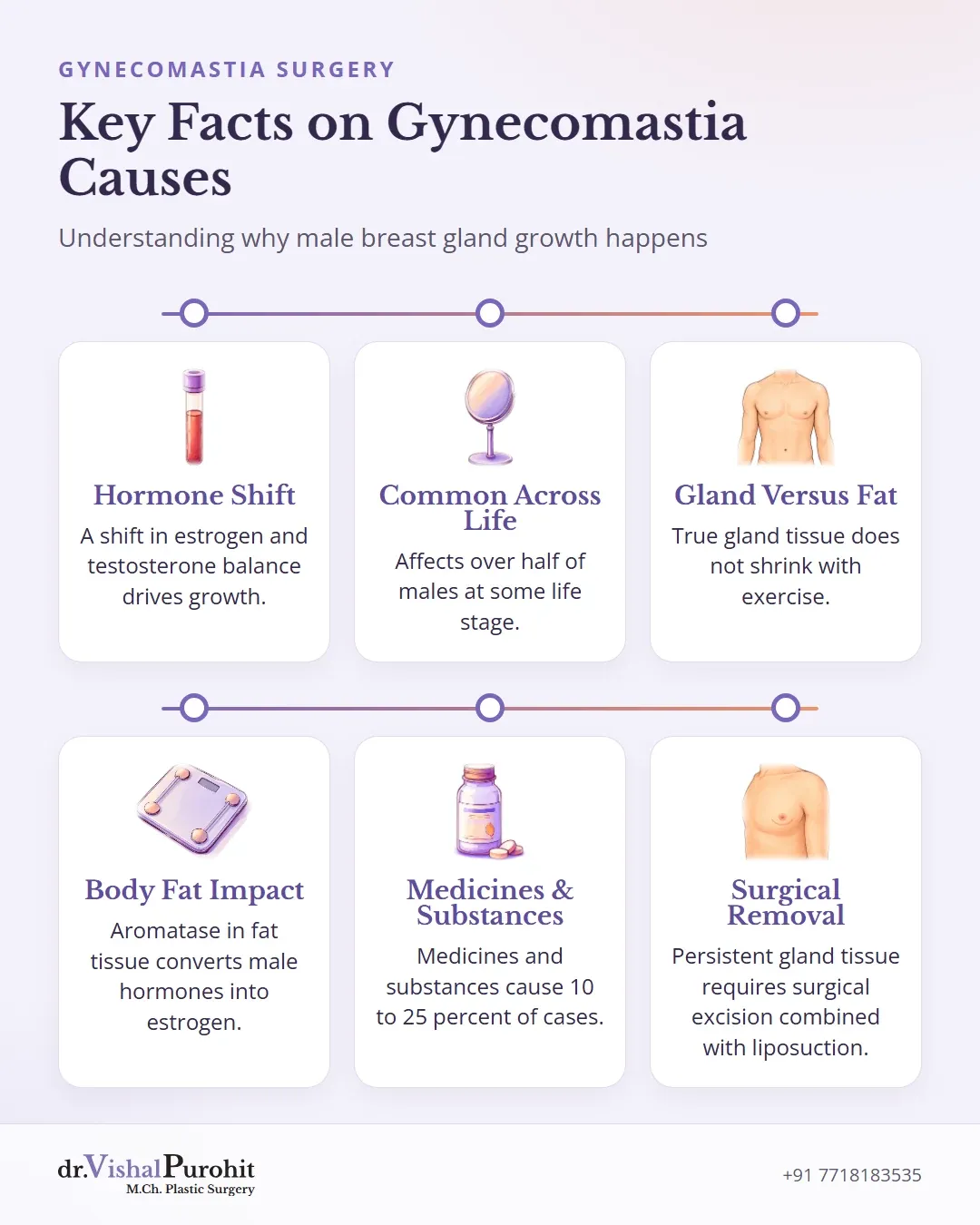
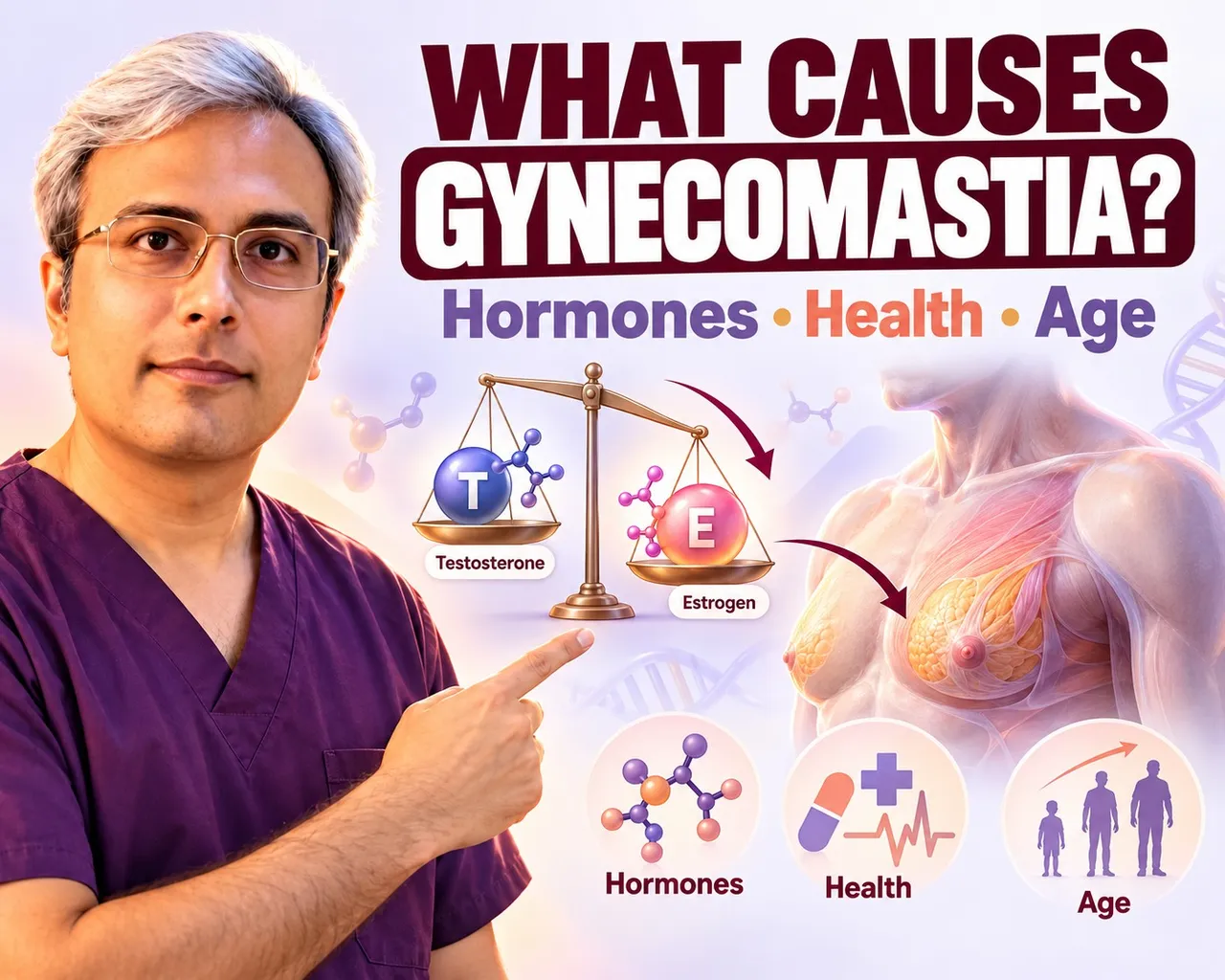
Males and females both have breast glands; in males they are usually not noticeable2. Both sexes also make both sex hormones, although testosterone is typically higher in males and estrogen higher in females2.
Estrogen makes breast tissue grow, while testosterone stops estrogen from making breast tissue grow2. When the balance tips towards estrogen, the small male gland can enlarge.
Cleveland Clinic describes gynecomastia as a benign (non-cancerous) increase in breast volume due to an increase in glandular tissue, and notes that it affects over 50% of males at some point in their lives1. That makes it a common condition, not a personal failing.
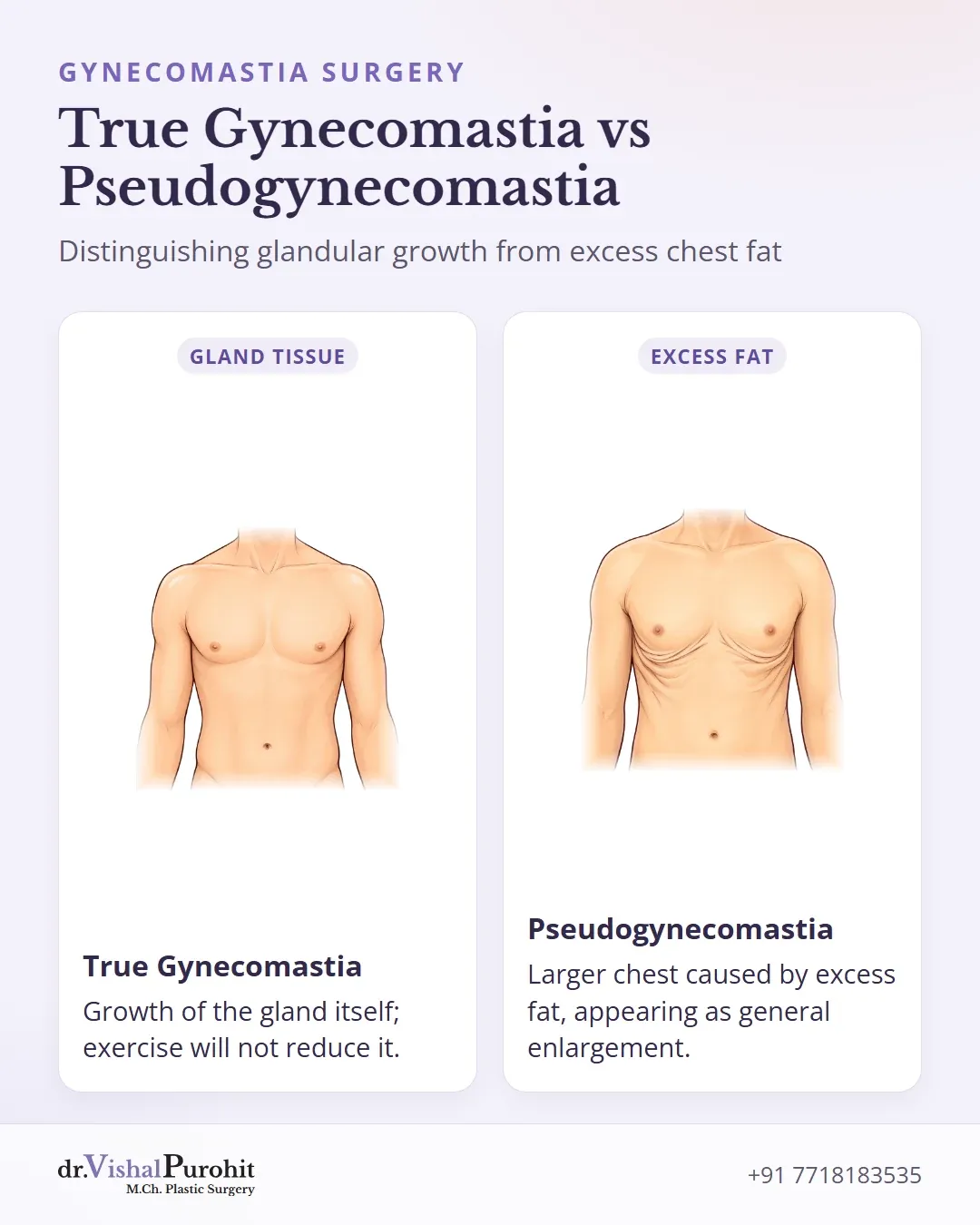
It helps to separate two things that look alike:
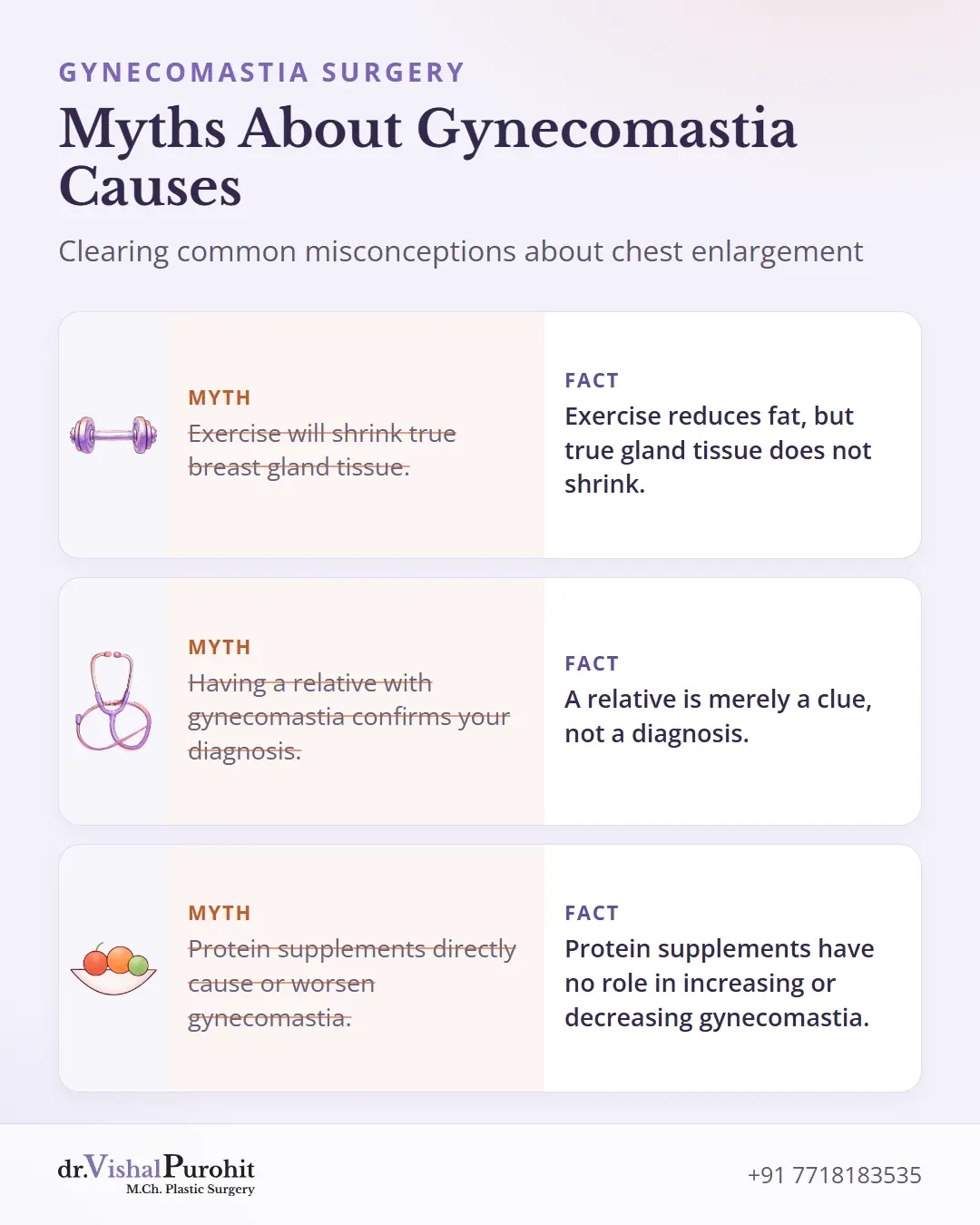
- True gynecomastia is growth of the gland itself. Exercise or weight loss will not reduce this gland tissue2.
- Pseudogynecomastia is a larger chest caused by excess fat1. It looks like a general increase in breast size rather than a lump1.
Many men have a mix of both, which is why the cause and the tissue type are assessed together.
Hormone balance and tissue sensitivity, explained simply
A simple way to picture it: the breast gland listens to two signals. Estrogen says “grow” and testosterone says “hold back”2.
Gynecomastia can appear when:
- Estrogen rises
- Testosterone falls
- The gland reacts more strongly than usual to normal hormone levels
The two hormones also affect each other. Estrogen suppresses luteinizing hormone (LH), the hormone that tells the testicles to release testosterone, so a rise in estrogen can also pull testosterone down1.
In other words, an increase in estrogen together with a decrease in testosterone is the most common pattern behind gynecomastia1.
Tissue sensitivity explains why some men with normal blood reports still have true gland growth. In adolescents, possible causes include:
- An increase in estradiol
- Testosterone production that lags behind
- Increased tissue sensitivity to normal male levels of estrogen3
Surgeons writing in Aesthetic Plastic Surgery note that defective androgen receptors or altered breast sensitivity to estrogen can act just like a distorted estrogen-to-androgen ratio4.
Researchers studying gynecomastia without a known cause have also proposed that the gland may convert hormone precursors into estrogen within the breast itself, or be oversensitive to a normal blood level of estrogen5.
Gynecomastia causes at a glance
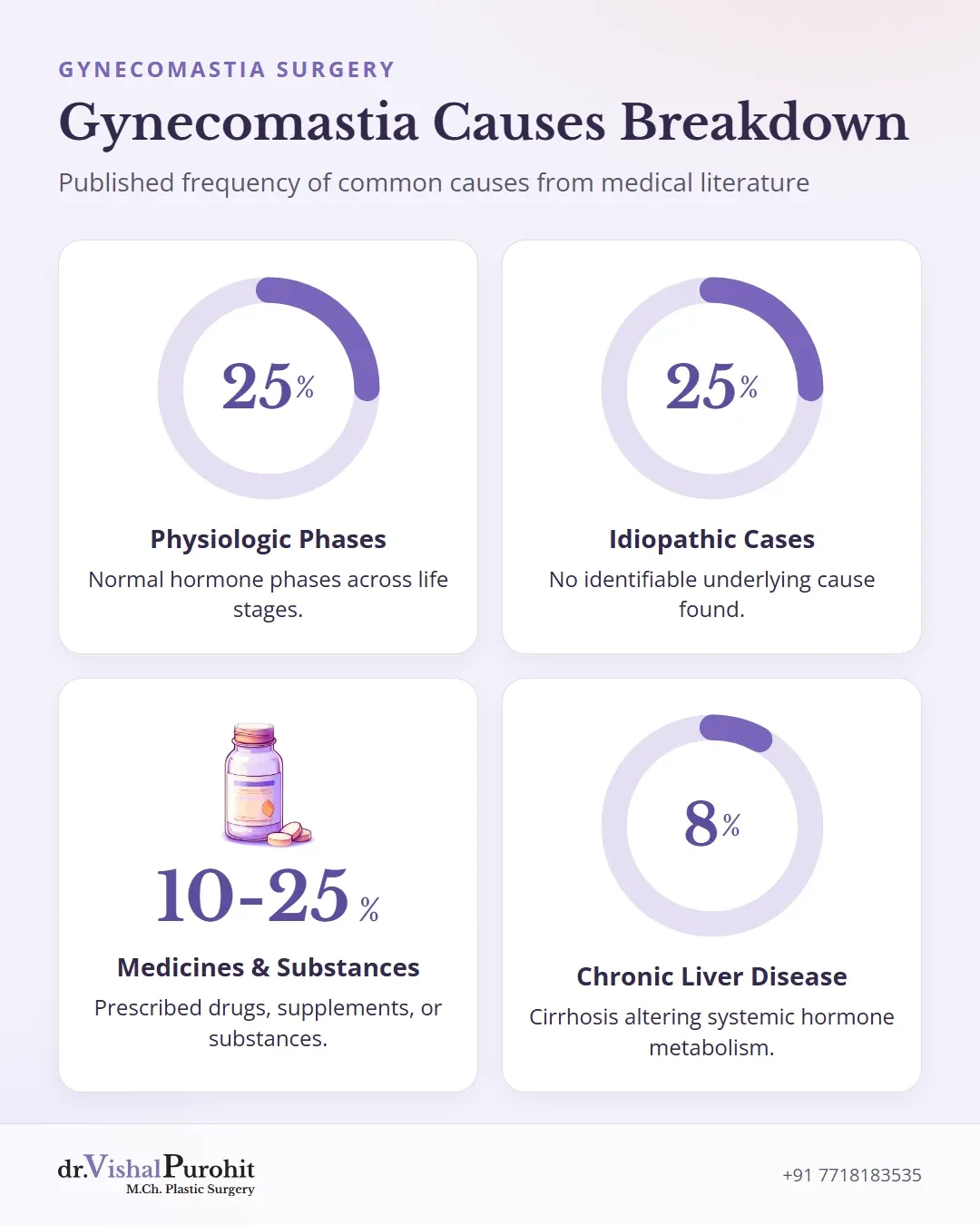
A review published in American Family Physician grouped the causes of gynecomastia by approximate frequency3. These figures come from the published literature, not from Dr. Vishal Purohit’s practice.
| Cause | Approximate share of cases3 |
|---|---|
| Physiologic (normal hormone phases: newborn, puberty, older age) | 25% |
| Idiopathic (no cause identified) | 25% |
| Medicines or substances | 10% to 25% |
| Cirrhosis (chronic liver disease) | 8% |
| Primary hypogonadism (testicles make too little testosterone) | 8% |
| Tumours | 3% |
| Secondary hypogonadism | 2% |
| Hyperthyroidism (overactive thyroid) | 2% |
| Chronic kidney insufficiency | 1% |
| Other, including familial gynecomastia, HIV and malnutrition | 6% |
Two points stand out. Half of the cases in this table are either a normal life-stage change or have no identifiable cause3.
Serious illness accounts for a smaller share, but that is exactly the share a medical assessment is designed to catch.
Age-related changes: newborns, puberty and older men
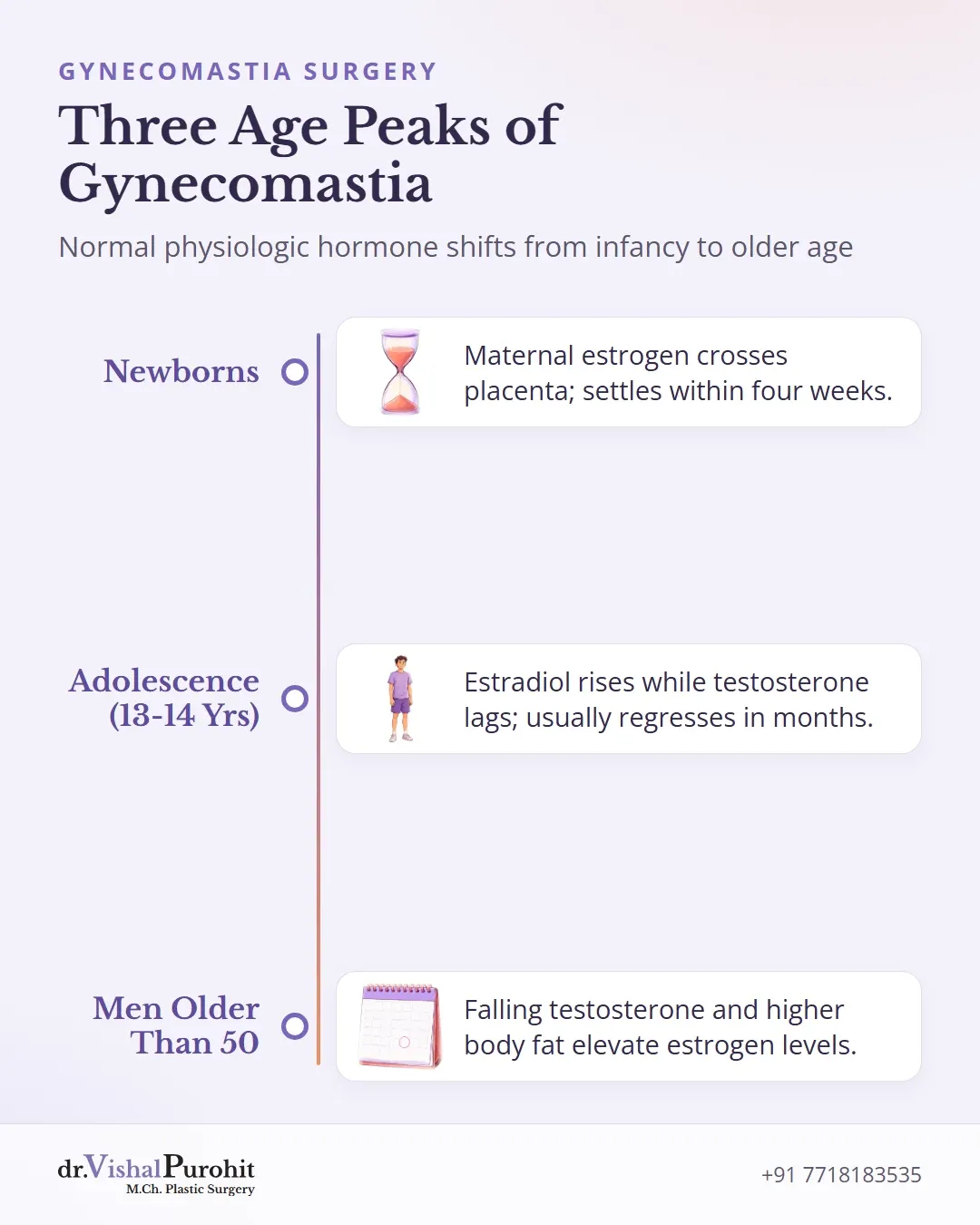
Physiologic gynecomastia has three age peaks: newborns, adolescents, and men older than 50 years3.
Key points
- Physiologic gynecomastia occurs naturally during three distinct life stages driven by hormonal shifts.
- Most cases in newborns and teenagers resolve on their own within months.
- Declining testosterone and increased body fat contribute to breast enlargement in men over 50.
Newborns
Up to 90 percent of newborn boys have breast tissue that can be felt, because the mother’s estrogen crosses the placenta3. It usually settles on its own within four weeks of birth3.
Estrogen is also present in breast milk, so nursing babies may have a slight rise in estrogen levels6. Children whose breast swelling persists after their first birthday should be examined further3.
Puberty
One-half of adolescent boys experience gynecomastia, typically starting at 13 to 14 years of age3. The cause is the normal hormone mix of puberty: estradiol rises while free testosterone is still catching up, and the tissue may be more sensitive to estrogen3.
Physiological adolescent gynecomastia usually lasts no longer than 6 to 12 months and then regresses, although about 5 to 10% of affected boys have persistent enlargement5.
Adolescents can also develop non-physiologic gynecomastia from several triggers:
- Substances
- Supplements or medicines
- An unmasked genetic condition when puberty is delayed3
Deciding how long to wait and choosing the right age and timing for gynecomastia surgery becomes an important consideration for a teenager or young adult.
Older men
Falling free testosterone levels may contribute to a final peak of gynecomastia in men older than 503. A study of hospitalised men estimated that approximately 65 percent of men between 50 and 80 years of age have some degree of gynecomastia3.
Older men produce less testosterone and carry more body fat than younger men, which can increase estrogen levels2. Healthline describes this gradual decline of male hormones over several years, sometimes called andropause, as one reason gynecomastia appears around middle age6.
Weight, body fat and aromatization
Body weight affects the chest in two different ways:
- Fat fills the chest. Excess fat tissue can enlarge the chest without any gland growth; this is pseudogynecomastia1.
- Fat tissue makes estrogen. An enzyme called aromatase converts androgen-type steroid hormones into estrogens. In fat tissue, aromatase is found in the fibroblasts scattered between fat cells rather than in mature fat cells. Estrogen produced in fat tissue throughout the body may be enough to raise blood estrogen levels7. This conversion process is called aromatization.
So weight gain can push the chest towards both fat and gland enlargement at the same time.
A pediatric clinical guide notes that obesity is a significant contributor to pseudogynecomastia. However, it warns that a common mistake is to attribute all breast enlargement in heavier boys to fat without considering gland tissue8.
This matters for what you can expect from weight loss. Weight loss may decrease gynecomastia caused by fat, and exercise helps with weight loss; but if the cause is a hormone imbalance, exercise is unlikely to make a difference1.
Dr. Purohit’s note: The target BMI for gynecomastia surgery is within the normal range. Slightly overweight men may also benefit from surgery without waiting.
However, he does not operate on obese and massively obese men. In these cases, the surgical risk is too high and skin may sag after later weight loss, requiring further correction.
Underlying thyroid, liver, kidney and testicular conditions
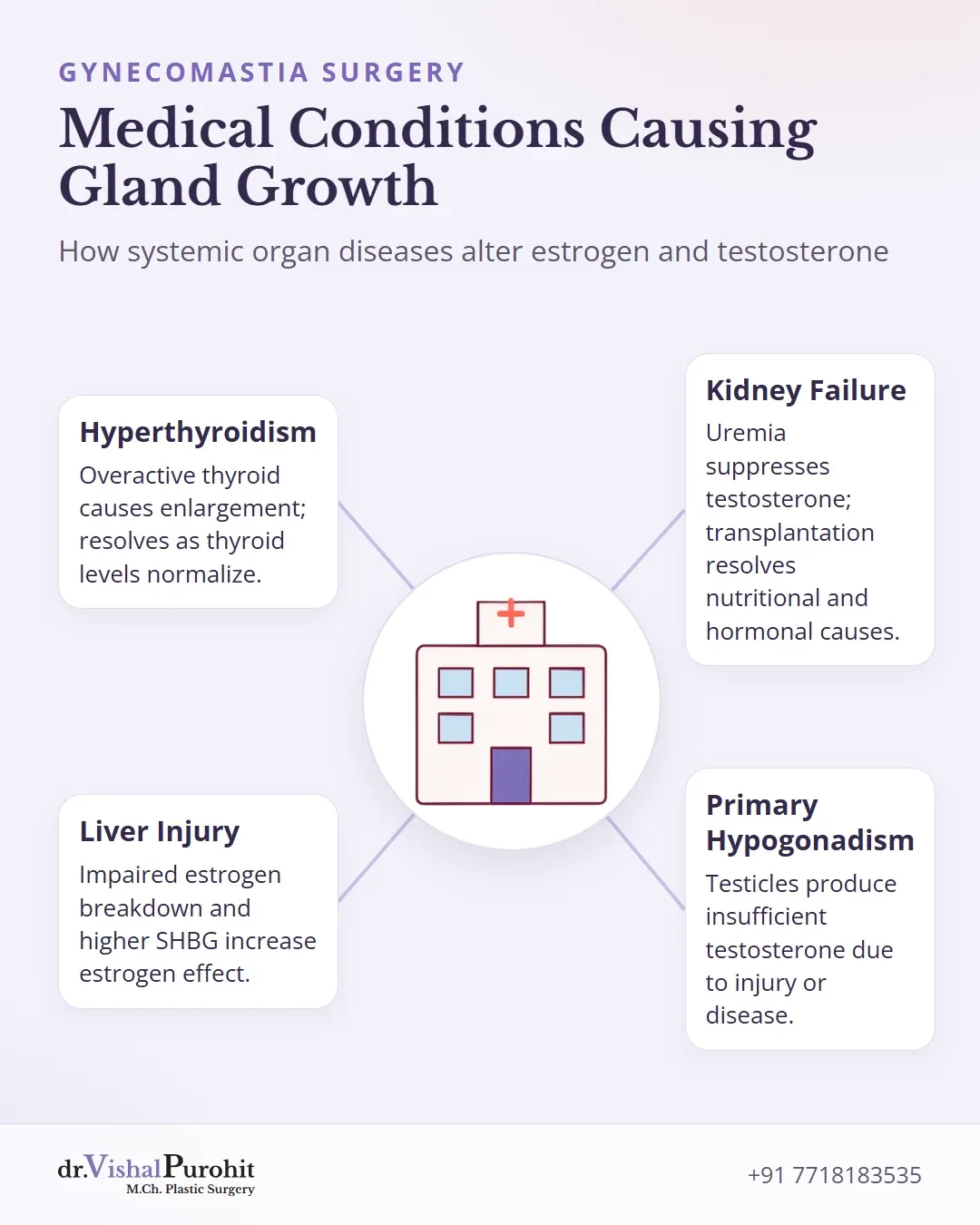
Gynecomastia can be a sign of a medical condition that needs treatment. These conditions typically have other symptoms as well, not just gynecomastia1.
Key points
- Underlying thyroid, liver, kidney, or testicular conditions can trigger gynecomastia by disrupting hormone balance.
- Treating the primary medical issue often helps resolve breast tissue enlargement.
- A comprehensive physical examination of the genitals and abdomen is essential to detect rare tumours.
Overactive thyroid (hyperthyroidism)
Gynecomastia occurs in 10 to 40 percent of men with hyperthyroidism, although it is rarely the only symptom3. Once thyroid levels return to normal, the gynecomastia resolves in one to two months3.
Liver disease
Liver injury can impair the liver’s breakdown of estrogens and increase sex hormone-binding globulin (SHBG), both of which raise the estrogen effect in the body3.
Men with alcohol-related liver disease are at particular risk, because plant estrogens in alcoholic drinks and the direct suppression of testosterone production by alcohol further disturb the estrogen-to-testosterone ratio3.
Kidney failure
Hormone problems are common in men with kidney failure, because uremia suppresses testosterone production and damages the testicles directly3.
Malnutrition occurs in up to 40 percent of patients with kidney failure and may also contribute3. Dialysis improves malnutrition-related gynecomastia, but only a kidney transplant effectively resolves both the nutritional and hormonal causes3.
Testicular conditions and hormone-producing tumours
When the testicles make too little testosterone (primary hypogonadism), gynecomastia may be the only presenting symptom3.
Causes listed in the literature include:
Tumours are rare, but they are the reason a full examination matters. Approximately 10 percent of men with testicular tumours present with gynecomastia alone, and in a study of 175 men referred to a breast surgeon for gynecomastia, a testicular tumour was found in 3 percent3.
Leydig cell tumours, although often benign, are prone to cause gynecomastia because they secrete estradiol3. Adrenal tumours and tumours that produce the hormone hCG can disturb the balance in a similar way, and all of these tumours require surgical removal3.
This is why the physical evaluation may extend beyond the chest to the genitals and abdomen during gynecomastia examination and testing2.
Genetic conditions, and why family history is not a diagnosis
The most widely known genetic cause is Klinefelter syndrome, a chromosomal condition in which the testicles make too little testosterone. One-half of men with Klinefelter syndrome have gynecomastia, and primary hypogonadism should be suspected in any adolescent whose pubertal gynecomastia persists3.
The diagnosis matters beyond the chest: men with Klinefelter syndrome have a breast cancer risk 16 to 30 times higher than other men3.
Other inherited or developmental conditions listed in the literature include:
- Androgen insensitivity syndrome
- 5α-reductase deficiency
- Kallmann syndrome
- Hemochromatosis
- Familial gynecomastia3
Research has also pointed to variations in genes such as CYP19 and CYP17A1 as possible causes5.
What about a father or brother who had gynecomastia? Family history is one part of a careful history, alongside:
- A timeline of symptoms
- Past illnesses
- Medicines
- Recreational drugs
- Environmental exposures
- Any testicular injury or disease9
A relative with an enlarged chest is a clue that guides the doctor’s questions. It does not, on its own, explain why your gland has grown, and it does not replace an examination.
In Dr. Vishal Purohit’s practice, diagnosing gynecomastia begins with a clinical examination and direct palpation first, followed by ultrasound or MRI when imaging is needed, while hormone blood tests are ordered only when there are other symptoms of hormonal imbalance.
He refers a patient to an endocrinologist only when gynecomastia develops suddenly, well after puberty is complete, or when other symptoms of hormonal imbalance are present.
Medicines, supplements and anabolic steroids
Medicines and substances account for roughly 10 to 25% of gynecomastia cases3. If you think a prescribed medicine may be involved, discuss it with the doctor who prescribed it before making any change10.
Myth: Protein supplements cause or worsen gynecomastia.
Fact: In Dr. Vishal Purohit’s practice, protein supplements have no role in increasing or decreasing gynecomastia, though growing chest muscle can push the gland outwards and make it look more prominent.
Anabolic steroid use is a separate and important cause in gym-going men. Anyone who uses steroids and prohormones must stop for a minimum of 6 weeks before surgery, though 3 months is preferable.
When a cause may remain unclear
In many cases, the cause of gynecomastia is not known11. About a quarter of cases are classed as idiopathic3. “Idiopathic” does not mean nothing was looked for; it means the usual assessment did not identify a reason.
Some researchers argue that the label is overused. In one study of men with idiopathic gynecomastia, the authors concluded that many of these men have detectable disturbances, possibly from hormone exposure before birth or from glands that carry more estrogen and progesterone receptors than usual5.
How long the gland has been present also matters. A US insurer’s coverage policy summarises the literature this way: medicines help most in the early growing phase, while long-standing gynecomastia develops stromal fibrosis (scar-like firm tissue) and responds less to conservative treatment12.
For people with chronically low testosterone, gynecomastia may not go away without treatment1.
In Dr. Vishal Purohit’s Jaipur practice, all breast tissue removed during gynecomastia surgery is always sent for histopathology.
In Dr. Vishal Purohit’s practice, diagnosing gynecomastia begins with a clinical examination and direct palpation first, followed by ultrasound or MRI when imaging is needed.
Hormone blood tests are ordered only when there are other symptoms of hormonal imbalance. He refers patients to an endocrinologist only in specific situations:
- Gynecomastia develops suddenly
- Enlargement occurs well after puberty is complete
- Other symptoms of hormonal imbalance are present
Why the cause matters before treatment
Finding the cause is not only about curiosity; it changes the plan. Identifying the root issue matters because:
- If a medicine is causing the breast enlargement, stopping it under medical advice can solve the problem.
- If a disease is causing it, the disease needs treatment first.
- If these underlying problems are not addressed, the condition can come back after it is treated11.
Reviewing common gynecomastia causes and risk factors helps clarify whether non-surgical management is possible.
When true gland tissue persists, Dr. Vishal Purohit’s approach in Jaipur combines tumescent liposuction with excision of the gland through an inconspicuous hemi-periareolar incision along the lower half of the areola border.
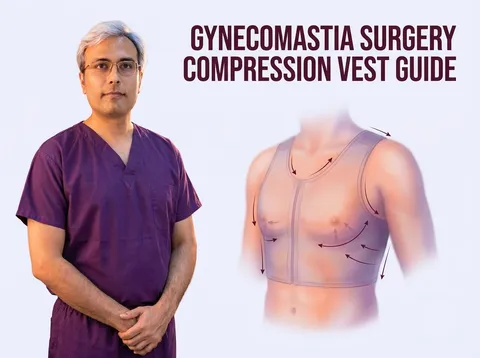
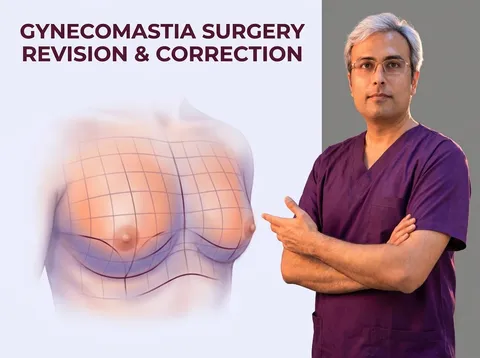
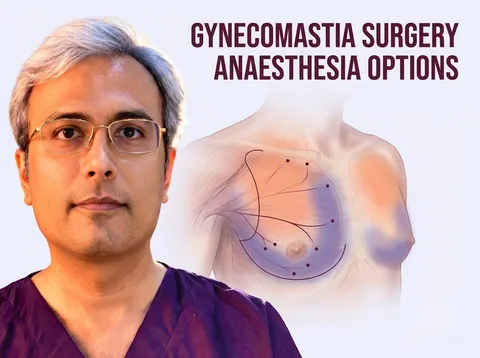
The surgery is done under local anaesthesia or general anaesthesia. If you are considering surgical correction, consult our overview of gynecomastia surgery in Jaipur covering grades, operative technique, recovery timeline, and costs.
Conclusion
Gynecomastia causes range across several categories:
- Normal hormone changes in newborns, teenagers, and older men
- Excess body fat
- Thyroid, liver, kidney, and testicular conditions
- Genetic conditions
- Certain medicines and steroids
In a sizeable share of men, no single cause is found. Knowing which group you fall into helps decide whether to wait, treat an underlying condition, or consider surgery.
Dr. Vishal Purohit, M.Ch. plastic surgeon registered with the Rajasthan Medical Council (RMC Reg. 28041/14185), assesses men with gynecomastia in Jaipur.
This is educational information, not medical advice.