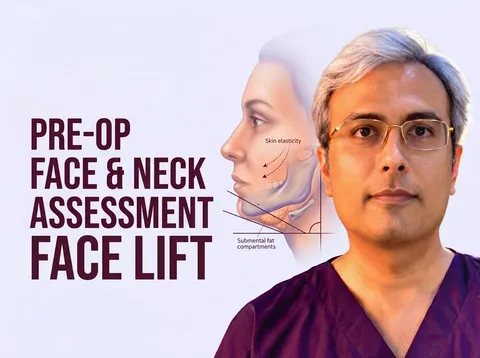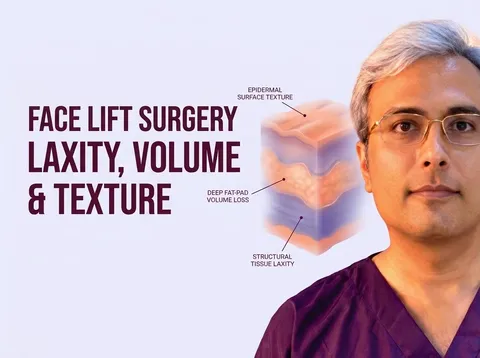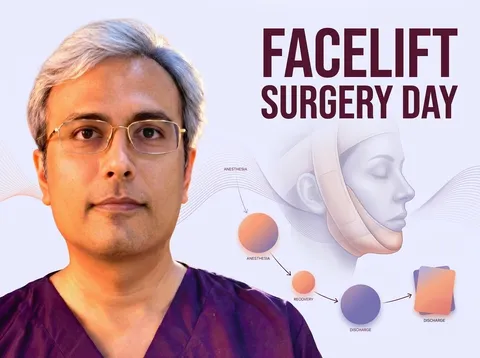
Careful preparation before rhytidectomy is essential to protect blood supply, reduce bleeding complications, and support smooth tissue healing. Evaluating baseline health and coordinating necessary adjustments with your surgical team helps create a safe foundation for surgery.
Dr. Vishal Purohit guides patients through every preparatory step to optimize their recovery and achieve natural outcomes from facelift surgery in Jaipur.
Patients should begin by confirming their medical suitability and understanding realistic outcomes through an assessment of candidacy, general health, and surgical goals. Addressing daily habits and home arrangements well in advance ensures recovery proceeds with minimal disruption.
Medicines, Blood Thinners and Supplements
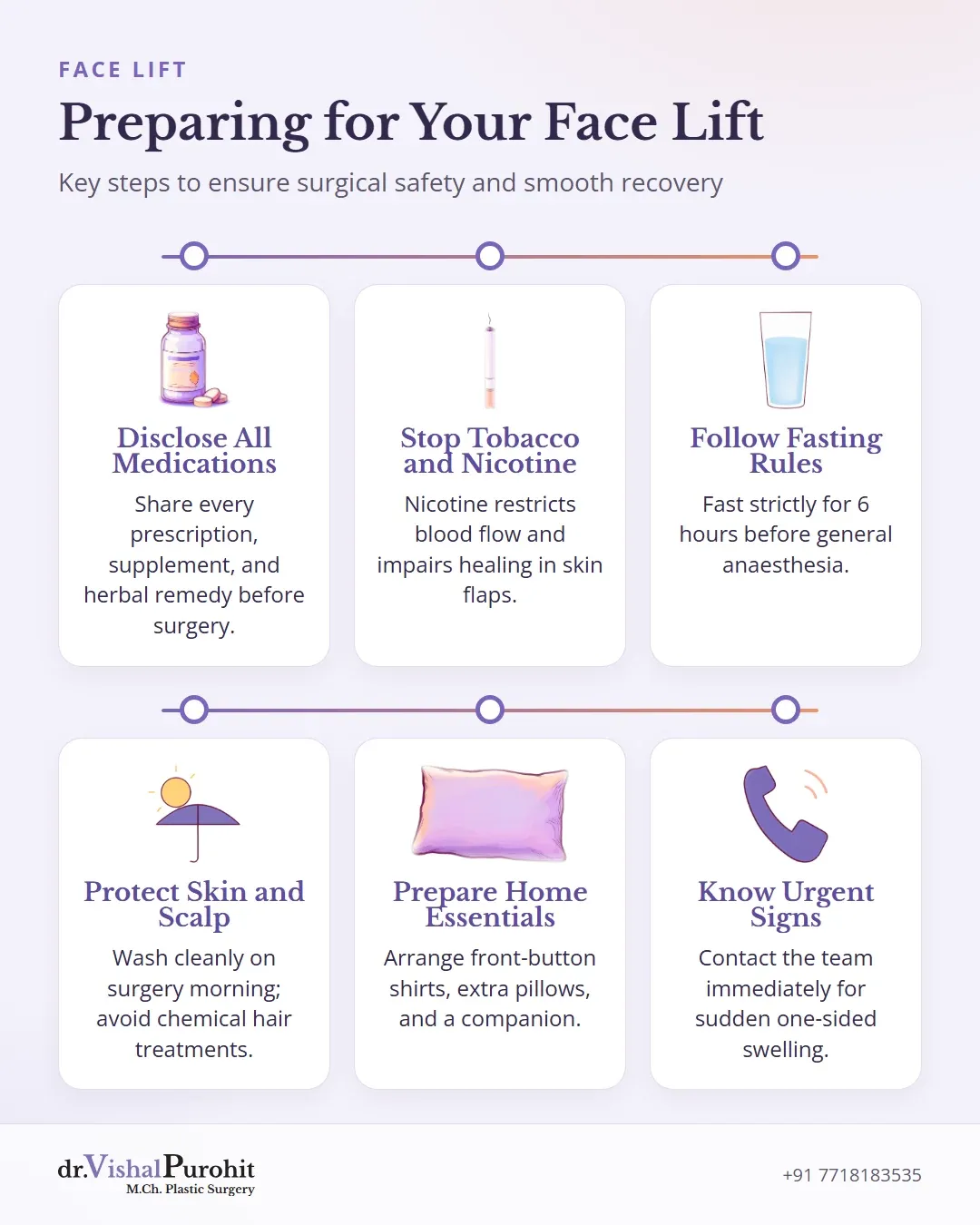
Preparing for a face lift requires a complete review of every substance taken regularly or occasionally. During the preoperative evaluation, patients must bring a full list of all current medications to the consultation in Jaipur.
Key points
- Patients must disclose all prescription medicines, supplements, vitamins, and herbal remedies during the preoperative consultation.
- Common substances like aspirin and blood thinners disrupt normal clotting and heighten the risk of bleeding and haematoma.
- Never stop or alter prescribed medications without coordinated guidance between the surgical team and the prescribing physician.
What to Disclose
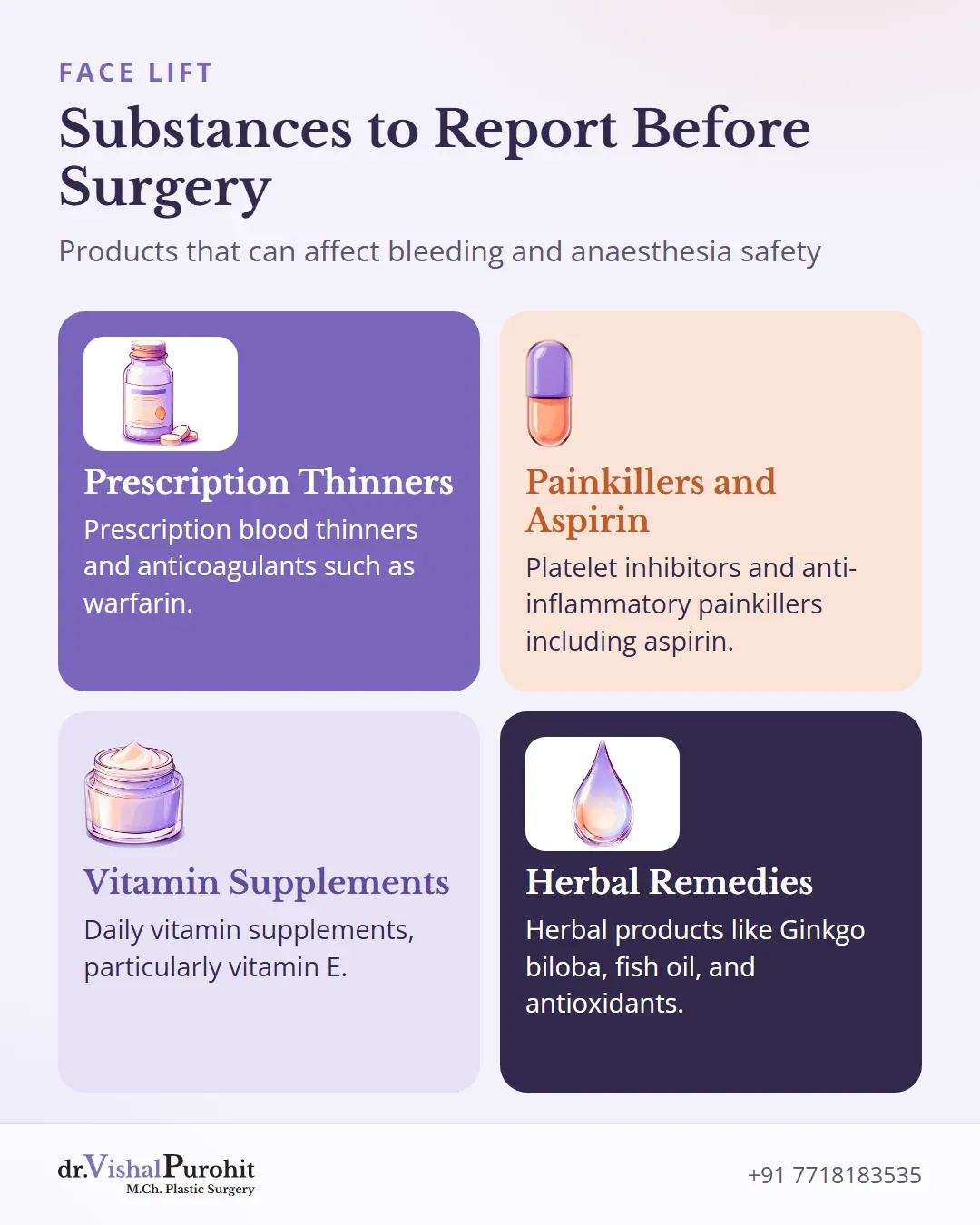
A comprehensive drug history covers both prescription pharmaceuticals and self-administered products:
- Prescription blood thinners and anticoagulants such as warfarin.
- Platelet inhibitors and anti-inflammatory painkillers, including aspirin and nonsteroidal anti-inflammatory drugs (NSAIDs).
- Vitamin supplements, particularly vitamin E.
- Herbal remedies and dietary supplements, including Ginkgo biloba, fish oil, and antioxidants.
Patients often take low-dose aspirin prophylactically and may not volunteer this information unless specifically asked.
Bleeding and Haematoma Risks
Disclosing every item is critical because many systemic medicines and over-the-counter remedies interfere with normal blood coagulation. Preoperative intake of aspirin or other antiplatelet drugs consistently predisposes facelift patients to surgical complications. Unregulated bleeding can increase intraoperative blood loss and heighten the danger of postoperative haematoma formation beneath the facial flaps.
Prescribed Medications and Medical Coordination
Patients must never stop, pause, or change any prescribed medicine on their own. Discontinuing critical therapies—such as antiplatelet or anticoagulant regimens—requires direct coordination between the surgical team and the prescribing physician managing those conditions.
Specific stopping intervals for blood thinners and supplements are not confirmed as a blanket clinic rule and are reviewed individually. The surgical team explains the necessary adjustments and timelines during the initial consultation.
Smoking, Gutka and Khaini
Tobacco in every form impairs blood circulation to healing tissues. For patients preparing for a facelift, this includes smoked tobacco as well as smokeless tobacco common in India, such as gutka and khaini.
Blood Supply and Skin Flaps
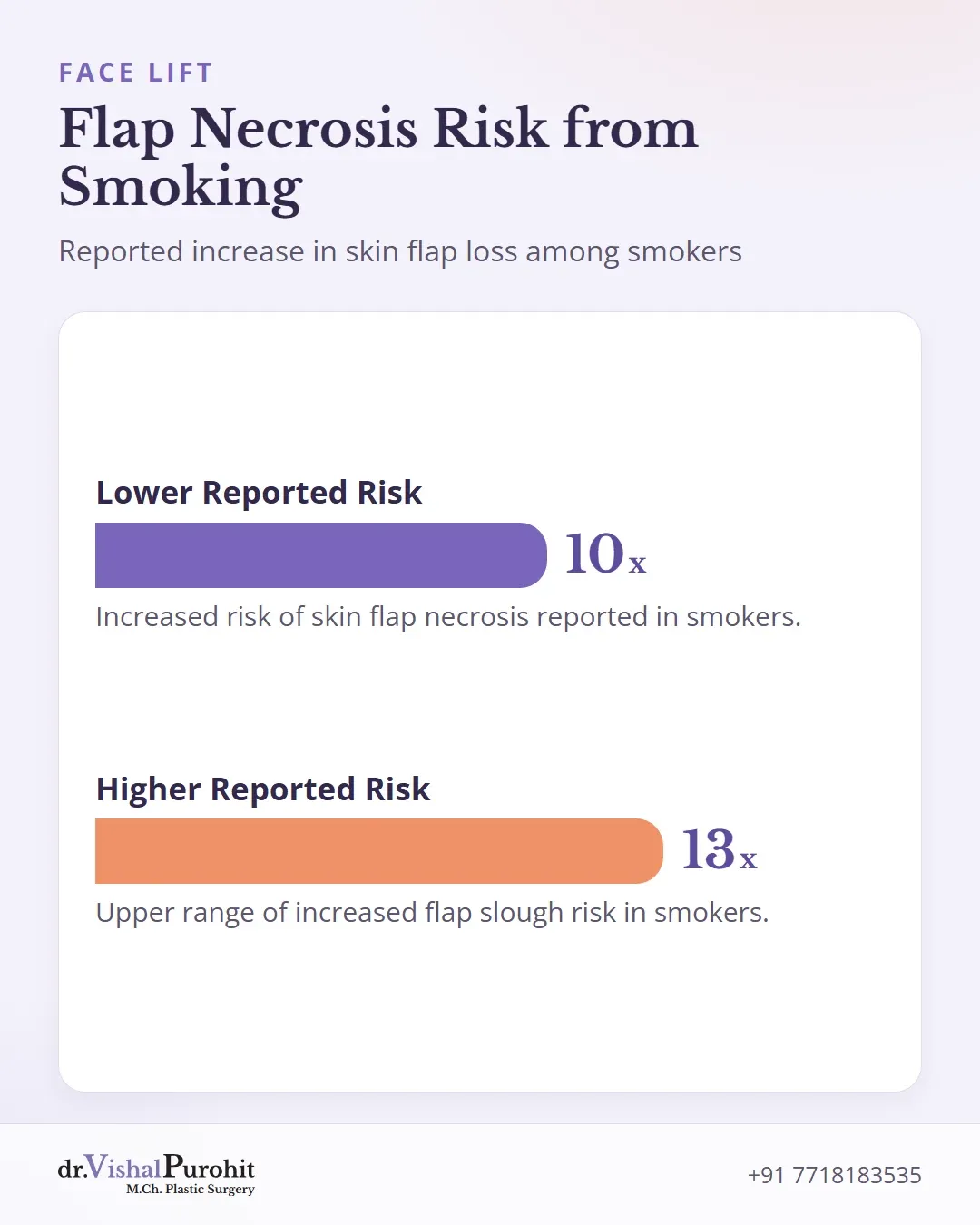
Nicotine reduces arteriolar and capillary blood flow, increases vasoconstriction, and elevates the risk of microvascular occlusion. Facelift dissection creates a random-pattern skin flap that relies on intact dermal and subdermal microcirculation to survive.
When nicotine restricts this peripheral blood flow, the risk of skin flap compromise rises sharply:
- Flap necrosis rates are significantly higher in tobacco users than in non-smokers.
- Studies report that the risk of skin flap necrosis or slough during a face lift is increased 10-fold to 12.6 or 13 times in smokers.
- Tension at suture sites combined with reduced capillary perfusion can trigger tissue breakdown, predominantly around the postauricular and preauricular incision lines.
- Tobacco smoke exposure also decreases collagen synthesis and neutrophil activity, leading to compromised wound strength.
- High-risk operations such as a rhytidectomy require stopping both tobacco products and nicotine replacement therapies to limit wound problems.
Cessation Timeline
The required stopping period before and after surgery is determined individually by the surgical team at consultation.
Dr. Purohit’s note: Dr. Vishal Purohit assesses tobacco use during the initial preoperative evaluation in Jaipur.
Patients receive explicit directions on when to discontinue all forms of nicotine prior to general anaesthesia and through the recovery phase.
Health Check, Tests and Fasting
Before a facelift, a complete medical evaluation ensures that surgery can proceed safely. Dr. Vishal Purohit performs facelift surgery always under general anaesthesia. Patients must observe 6 hours of fasting before general anaesthesia, during which no food or drink should be consumed.
Key points
- A comprehensive medical evaluation and strict fasting are mandatory before surgery under general anaesthesia.
- Strict blood pressure control reduces bleeding risks and helps prevent postoperative haematoma.
- Preoperative investigations are tailored to each patient rather than ordered as a routine list.
Medical Evaluation and Blood Pressure
A thorough assessment of preexisting medical conditions is necessary prior to anaesthesia. Patients with a medical history involving heart conditions, chronic lung or kidney disease, or unstable blood pressure require careful evaluation. Uncontrolled medical conditions that interfere with anaesthesia require review by a physician before surgery.
Controlling blood pressure is essential during facelift surgery because hypertension increases bleeding and raises the risk of postoperative haematoma. Optimising hemodynamic stability by managing stressors such as pain, anxiety, and nausea helps keep blood pressure normal throughout the operation and emergence. Maintaining normal blood pressure before wound closure prevents bleeding that might otherwise become apparent only after blood pressure rises postoperatively.
Preoperative Investigations
Preoperative tests are not prescribed as a uniform routine list. Instead, tests are decided individually for each patient based on their medical history and physical assessment. Depending on individual health needs, examples of investigations that may be requested include baseline blood tests such as haemoglobin, clotting factors, and kidney function, as well as urinalysis and an electrocardiogram. The surgical team discusses the specific investigations required during the consultation in Jaipur.
Skin, Hair and Face Care Before Surgery
Preparing the skin and hair properly helps ensure a clean surgical field before a face lift. Published literature outlines specific steps to optimize the skin and scalp prior to the procedure.
Skin Care and Sun Protection
Preoperative skin care can optimize skin health before surgery through a structured regimen that includes cleansing, moisturizing, exfoliating, sun protection, and skin repair.
- Cleansers with antibacterial components help clear dirt, debris, and surface oil.
- Daily sun protection with products providing SPF 30 or higher is advised to shield the skin.
Morning of Surgery and Hair Preparation
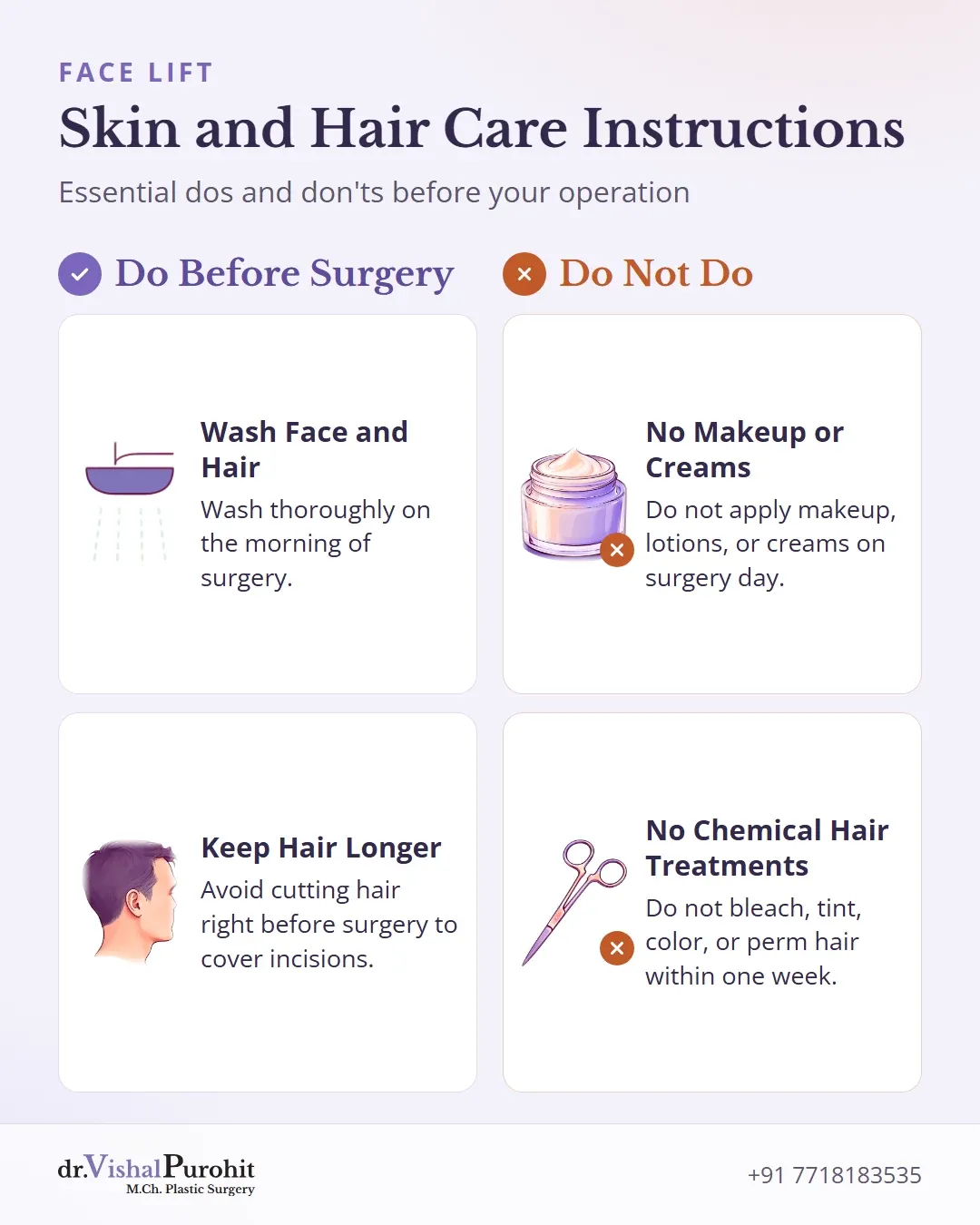
Instructions in the literature emphasize keeping the face and hair clean while avoiding chemical treatments immediately before surgery:
- Wash your hair and face on the morning of the operation.
- Do not apply any makeup, lotions, or creams on the day of surgery.
- Do not bleach, tint, color, or perm hair within the week before the operation, because these chemicals can affect scalp skin.
- Avoid cutting hair right before surgery, as longer hair helps cover the incisions and healing scars.
Planning the 48-Hour Stay and the First Days at Home
In the practice of Dr. Vishal Purohit in Jaipur, the hospital stay following a facelift is 48 hours. This observed period ensures monitored postoperative care before discharge.
Arranging Support and Home Essentials
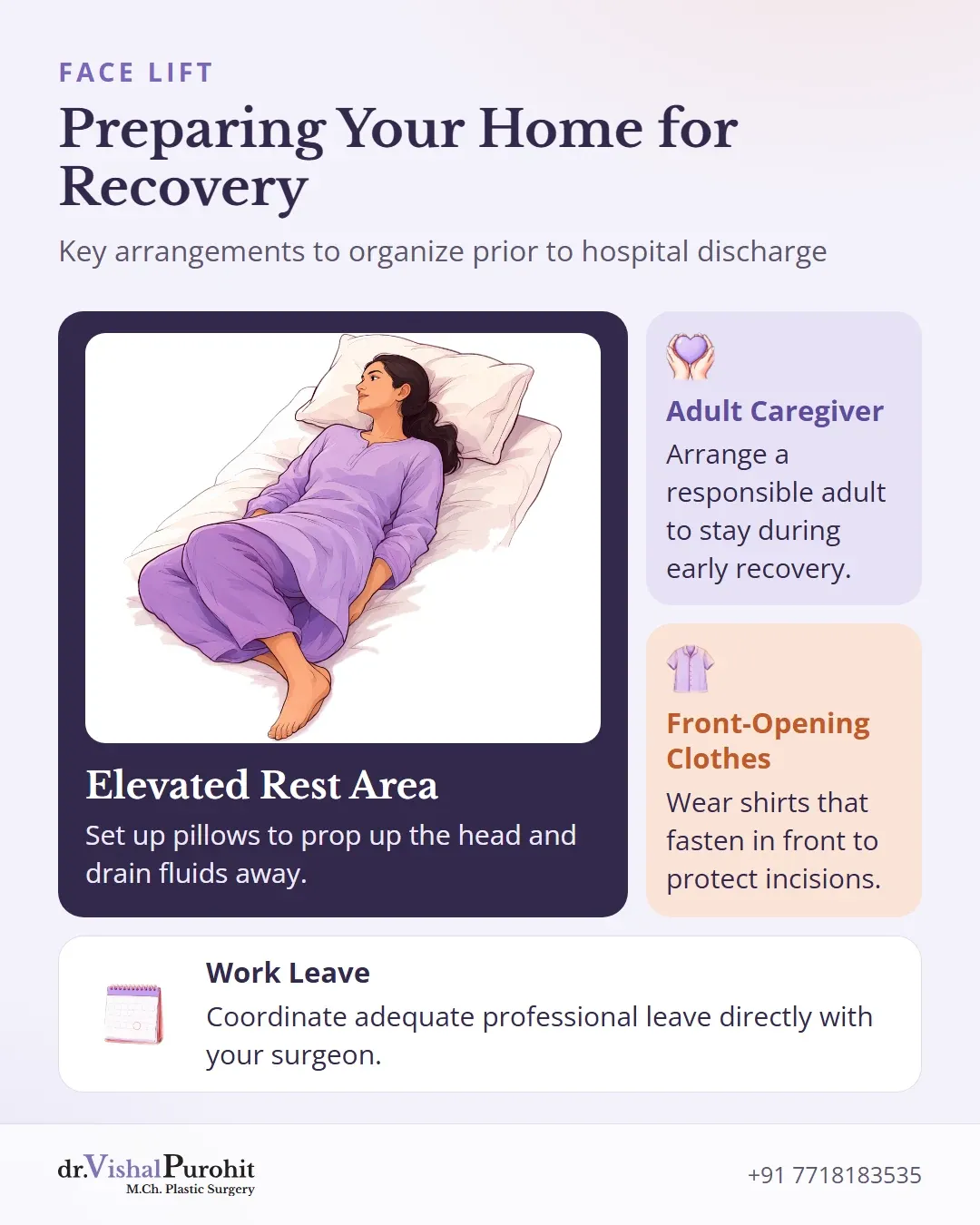
Planning early for the discharge home helps ensure a smooth transition. Having a responsible adult present is essential during this stage. Clinical literature notes that having an adult caregiver arranged to stay with the patient is an important preparatory step.
To prepare the home environment for recovery, several practical items should be organized in advance:
- Elevated resting area: Resting with the head propped up on several pillows helps reduce swelling by allowing gravity to drain fluid away from the face. Keeping the head elevated on a firm pillow prevents excessive lateral pressure on facial tissues.
- Front-opening clothing: Patients should plan to wear shirts that fasten in the front rather than garments that require pulling over the head.
- Work schedule: Time away from professional responsibilities must be coordinated directly with the surgeon during consultation, allowing adequate time for rest as postoperative limitations fit into the daily routine.
Preparation Checklist
- Confirm an adult companion for discharge and initial assistance at home
- Set up two or three firm pillows to keep the head elevated while resting
- Prepare loose, front-opening shirts to avoid contact with facial incisions
- Finalize planned leave from work in discussion with the surgical team
Written Instructions and an Urgent Contact Plan
Before leaving the hospital, patients receive clear written instructions outlining daily wound steps, activity precautions, and scheduled follow-up reviews. Having explicit written directions helps an individual manage recovery systematically and prevents confusion during early healing. Keeping all scheduled review appointments allows the surgical team to monitor incision healing and manage recovery safely.
Recognising Warning Signs
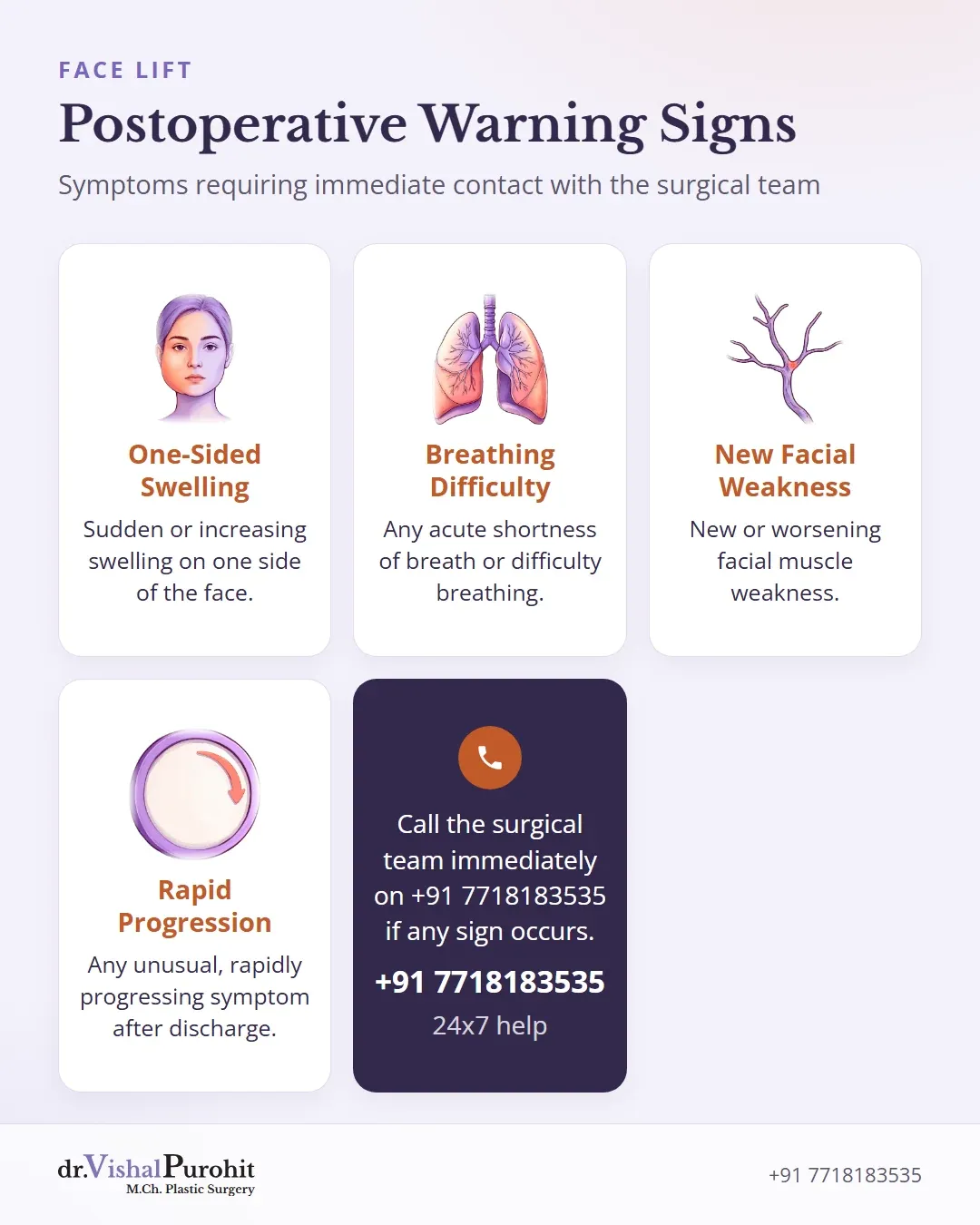
Normal swelling and mild tightness are expected after a face lift, but sudden changes require immediate medical attention. In the literature, an enlarging haematoma represents an urgent surgical concern when undue swelling develops.
Patients must contact the surgical team straight away if they observe any of the following warning signs:
- Sudden or increasing one-sided swelling
- Difficulty with breathing
- New or worsening facial weakness
- Any unusual, rapidly progressing symptom
Immediate Contact Protocol
In the practice of Dr. Vishal Purohit in Jaipur, the protocol for any warning sign—including one-sided swelling, breathing difficulty, or facial weakness—is singular and direct. Patients or their caregivers must call the surgical team immediately on +91 7718183535 rather than waiting for a scheduled review. Individual discharge instructions provide direct guidance, ensuring issues receive rapid evaluation without delay.
Preoperative Consultation for Facelift Patients in Jaipur
Thorough preparation provides the foundation for safe surgery and steady postoperative recovery. Consulting with an experienced M.Ch. plastic surgeon allows you to address individual health questions, clarify fasting and medication instructions, and arrange your postoperative care with confidence. For detailed procedural information, explore [facelift surgery in Jaipur](C:/Program Files/Git/surgery/face-lift-in-jaipur/) and review common queries through our facelift FAQs. To schedule an evaluation, contact the surgical team directly.
This is educational information, not medical advice.