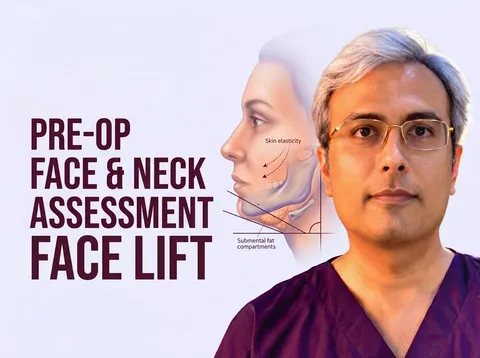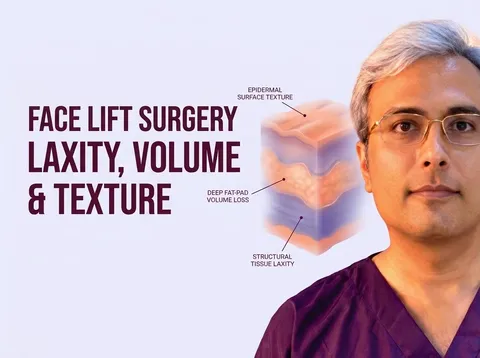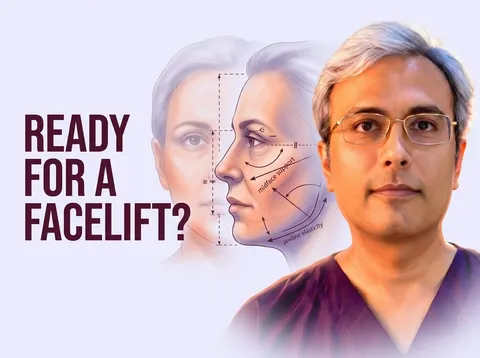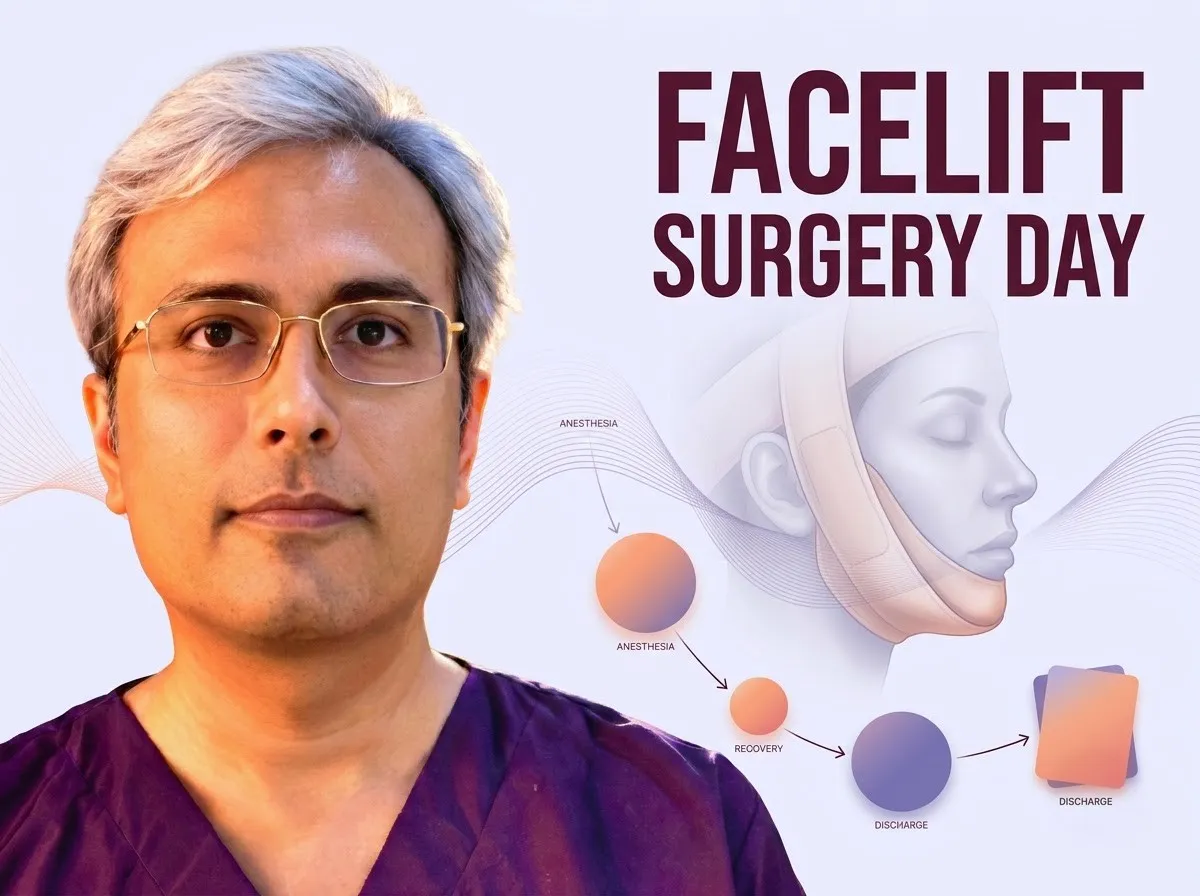
Undergoing facial rejuvenation requires careful surgical planning alongside rigorous inpatient monitoring. Understanding what happens on the day of surgery helps patients prepare for general anaesthesia, incision care, and the initial postoperative observation period.
During facelift surgery in Jaipur, Dr. Vishal Purohit oversees each stage of operative care and immediate recovery to support patient stability throughout the surgical day.
Preparing for the operating theatre involves following fasting rules and arranging practical support at home. You can review How to Prepare for a Face Lift to ensure all domestic and clinical arrangements are completed prior to admission.
General Anaesthesia for a Facelift
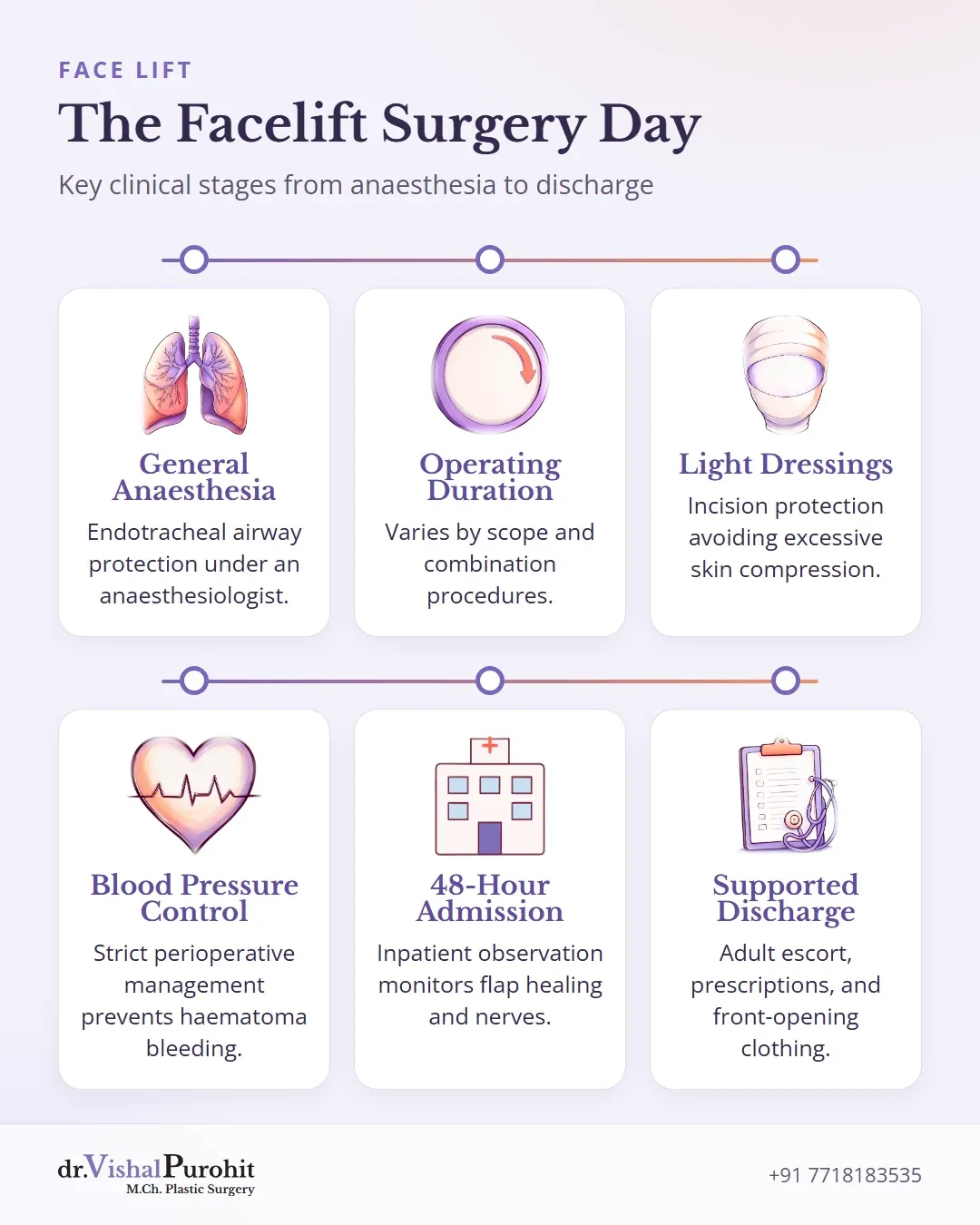
Patients must complete 6 hours of fasting before general anaesthesia is administered. Under general anaesthesia, an anaesthesiologist maintains rigid control over the patient’s breathing via an endotracheal tube, cardiac monitoring, and medication delivery throughout the procedure1.
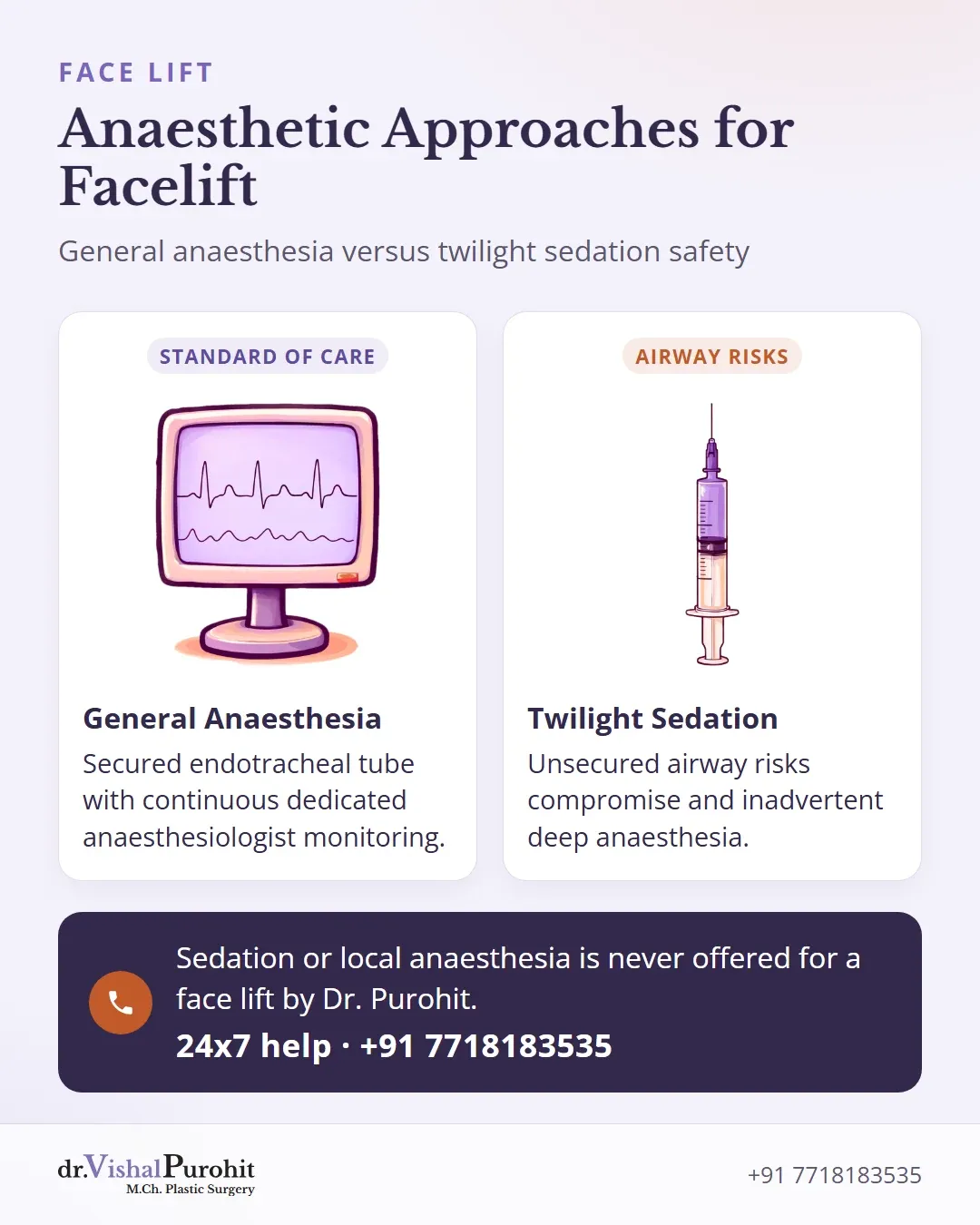
Dr. Purohit’s note: Dr. Vishal Purohit always performs a facelift under general anaesthesia in Jaipur. Sedation or local anaesthesia is never offered for a face lift by Dr. Purohit.
Anaesthesia Choices in the Literature
Surgical literature describes three main anaesthetic approaches for rhytidectomy1:
- General anaesthesia1
- Local anaesthesia combined with intravenous sedation1
- Local anaesthesia alone without an anaesthesiologist1
Some surgeons elsewhere report performing facelifts under local anaesthesia alone, noting that selected patients can tolerate the process without sedation2. Others utilise deep sedation using a laryngeal mask airway to avoid paralysis and endotracheal intubation3. Adding conscious sedation can improve patient comfort, but it places the operating surgeon in charge of monitoring vital signs and managing intraoperative complications like hypertension or arrhythmias4.
Furthermore, surgical texts note that attempting a facelift solely under local anaesthesia imposes significant technical compromises on the management of the underlying SMAS and platysma layers, while dose limits on local anaesthetics restrict the duration and scope of necessary ancillary procedures4.
Patients often assume that sedation or “twilight” anaesthesia is safer than general anaesthesia5. However, literature highlights that sedated patients without a secure endotracheal tube face greater risks of airway compromise, and conscious sedation can inadvertently convert to an unmanaged deeper anaesthetic state during surgery5. In contrast, general anaesthesia provides total airway protection under the continuous care of a dedicated anaesthesiologist16.
How Long the Operation Takes
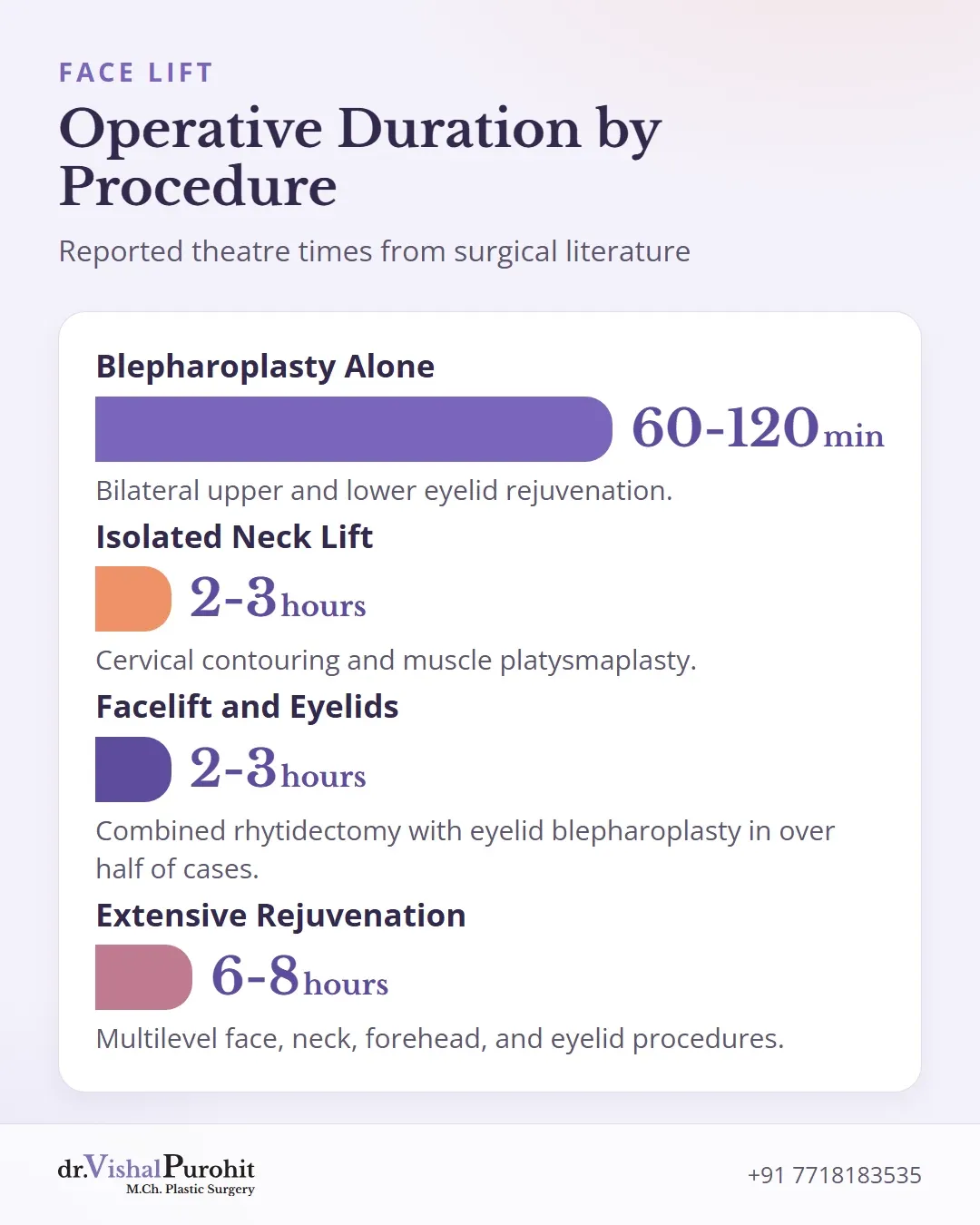
Operating room time varies according to the anatomical areas addressed and whether additional procedures are performed during the same operative session.
Key points
- Operating room time varies based on the anatomical areas treated and whether additional procedures are combined.
- An isolated neck lift takes approximately 2–3 hours; a facelift with eyelid surgery typically lasts 2–5 hours.
- Extensive facial rejuvenation may require 6–8 hours or more, sometimes staged over separate days.
Surgical literature provides general durations based on the extent of treatment:
- An isolated neck lift typically takes approximately 2 to 3 hours7.
- When a facelift is combined with eyelid surgery (blepharoplasty), published surgical data record operative durations of 2 to 3 hours in 51.5% of cases, 3 to 4 hours in 44.3%, and 4 to 5 hours in 4.2%8. Separately, bilateral upper and lower blepharoplasties alone require 60 to 120 minutes9.
- For extensive facial rejuvenation—such as a neck lift carried out alongside a facelift, forehead surgery, eyelid surgery, or other procedures—the operation often encompasses up to 6 to 8 hours or more10. In such extensive cases, surgeons commonly allocate an entire operating day or consider staging complex additions over separate days10.
Dr. Vishal Purohit performs SMAS plication and suspension facelift surgery in Jaipur, incorporating cervicofacial platysmaplasty for the neck when indicated, and most commonly combines a face lift with blepharoplasty. The surgical team outlines the expected operative duration for an individual patient during consultation.
Dressings, Drains and Blood Pressure Control
Why Dressings and Drains Are Used
After facelift surgery, light dressings protect the incisions and support healing tissues1112. Bandages must never be applied too tightly, as excessive compression can restrict blood circulation to the skin flaps and cause skin breakdown or necrosis111314. Furthermore, heavy pressure dressings do not prevent haematoma formation111415.
Key points
- Light dressings protect incisions; tight bandages can restrict blood flow and cause skin breakdown.
- Surgical drains may be used to remove fluid and reduce seroma risk.
- Strict blood pressure control (systolic below 150 mmHg) prevents haematoma; patients are monitored for 48 hours and must report sudden one-sided swelling, breathing difficulty, or facial weakness immediately.
Surgical drains may sometimes be placed under the skin to remove accumulating fluid or blood and reduce the risk of seroma formation131416. When drains or specific dressing wraps are utilised, the exact protocol and duration are individualized, and the surgical team explains these care details during consultation.
Blood Pressure, Nausea and Pain Management
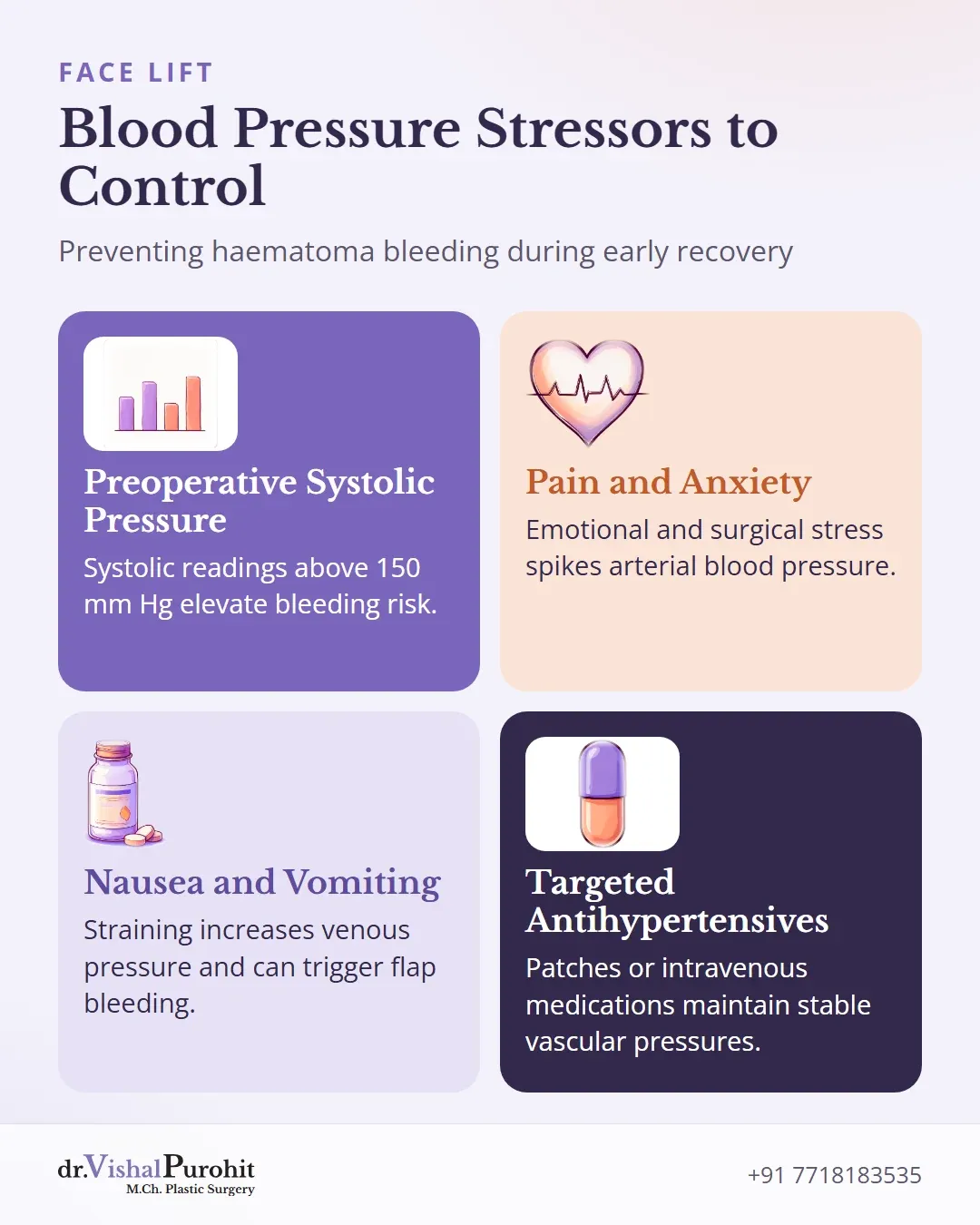
Haematoma is recognized as the most common major complication following rhytidectomy17. Strict perioperative blood pressure control is essential to minimize bleeding under the flaps17181920. A preoperative systolic blood pressure above 150 mm Hg has been identified as a significant risk factor for haematoma development17.
Controlling physical and physiological stressors during recovery helps prevent dangerous blood pressure spikes:
- Pain and anxiety can elevate blood pressure and require proactive management19.
- Postoperative nausea and vomiting can increase venous pressure and trigger bleeding, making multimodal antiemetic medication critical1819.
- Elevated blood pressure may be managed with targeted medications, such as clonidine patches or intravenous agents, to maintain stable readings1819.
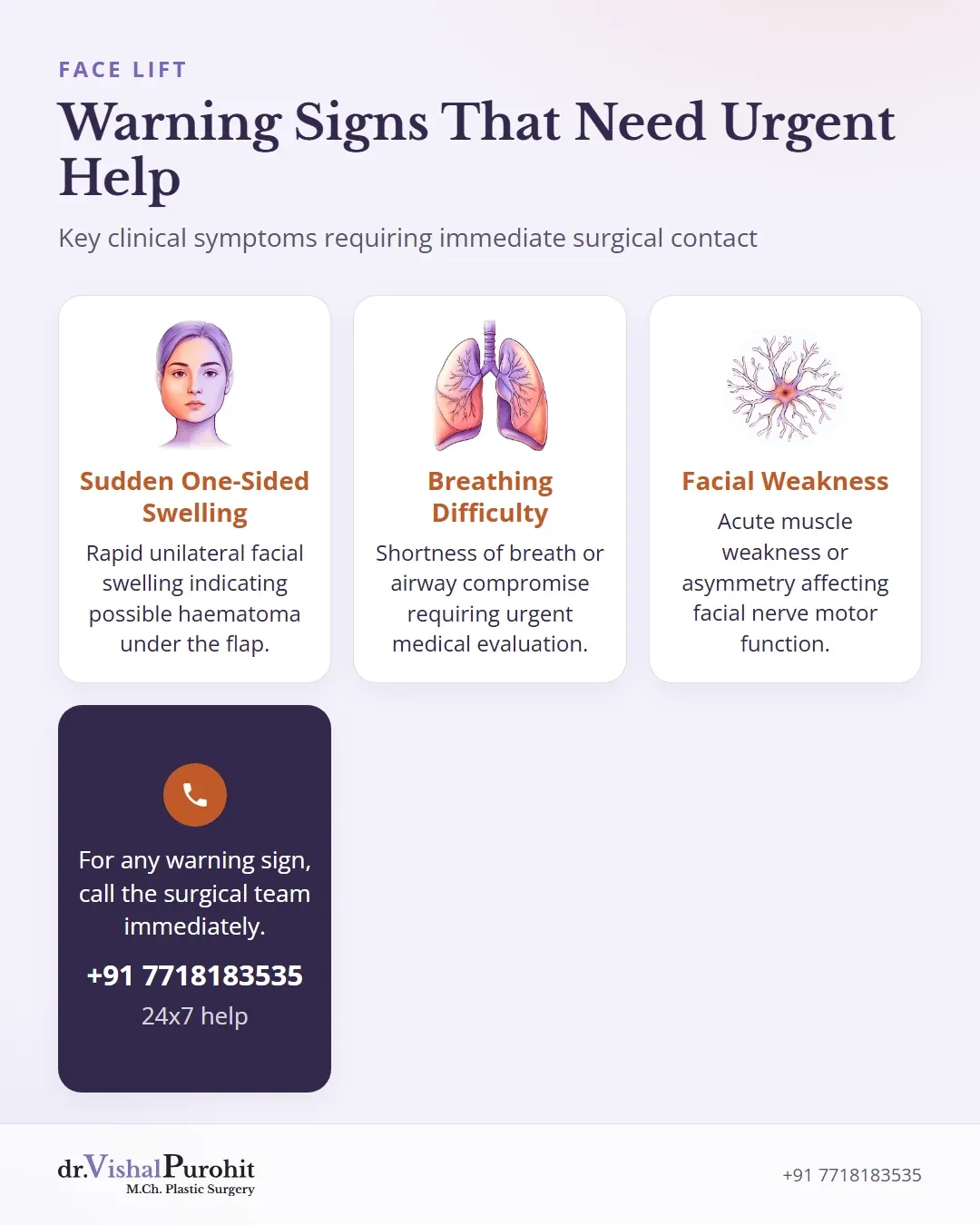
Following a facelift in Jaipur, Dr. Vishal Purohit keeps patients in the hospital for 48 hours to monitor recovery under direct clinical supervision. If any warning signs arise, such as sudden one-sided swelling, breathing difficulty, or facial weakness, the instruction is to contact the surgical team immediately on +91 7718183535.
The 48-Hour Hospital Stay
Following a facelift or face and neck lift, patients remain under the care of Dr. Vishal Purohit in Jaipur. This inpatient period allows for continuous clinical observation during the early phase of surgical recovery.
Objectives of Postoperative Observation
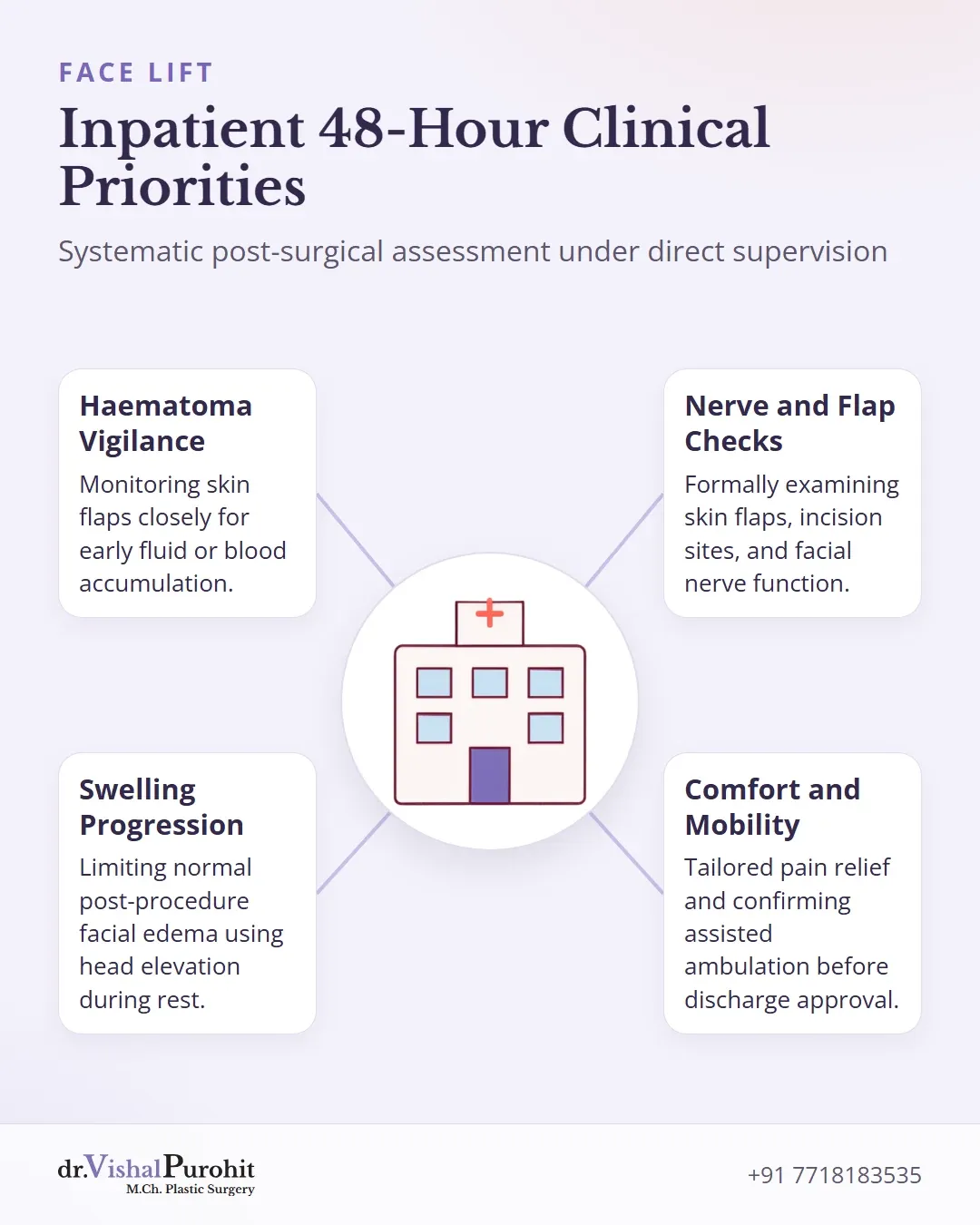
During this inpatient observation, monitoring is directed toward the following clinical priorities:
- Bleeding and haematoma detection: Close vigilance is maintained to identify any early collection of fluid or blood under the skin flaps21. Inadequate blood pressure control is recognized as a critical risk factor to prevent and manage following surgery22.
- Swelling progression: Facial edema typically develops after the procedure2123. Head elevation during rest is utilized to help limit swelling24.
- Flap and facial nerve evaluation: The operative sites, skin flaps, and facial nerve function are formally examined during recovery25.
- Comfort and pain management: Postoperative care address physical comfort and tailored pain management following general anaesthesia26.
Dressings are monitored throughout this period, with compression dressings typically maintained for 24 to 48 hours24. Assisted ambulation is confirmed before eventual discharge25.
Before You Go Home
Before discharge, patients receive verbal and written postoperative instructions along with their required prescriptions27. It is essential to take all medicines exactly as prescribed to ensure proper recovery and reduce infection risks28.
Because general anaesthesia is used, an escort must be arranged. After adequate recovery, the patient is escorted to the car and driven home29. Having a responsible adult or caregiver staying at home to assist with daily needs is an important part of safe postoperative care2730.
Discharge Checklist
- A responsible adult escort to drive the patient home and stay to provide support272930
- Prescribed medications obtained and taken according to directions2728
- Written discharge instructions reviewed and kept accessible at home27
- Front-opening shirts prepared to avoid pulling clothing over the head31
- The scheduled follow-up appointment confirmed with the surgical team30
For any warning sign, such as one-sided swelling, breathing difficulty, or facial weakness, the instruction is to call the surgical team immediately.
Consultations for Facelift Surgery in Jaipur
Planning facial rejuvenation involves clear communication regarding surgical technique, anaesthesia safety, and early recovery. Patients exploring facelift surgery in Jaipur receive comprehensive evaluations detailing operative steps, incision management, and inpatient monitoring. For additional information about surgical planning and post-discharge recovery, reviewing facelift FAQs helps clarify expectations before scheduling an initial consultation.
This is educational information, not medical advice.