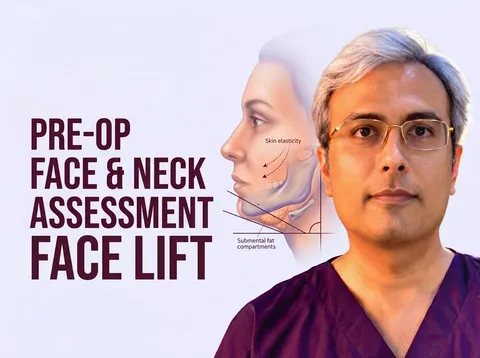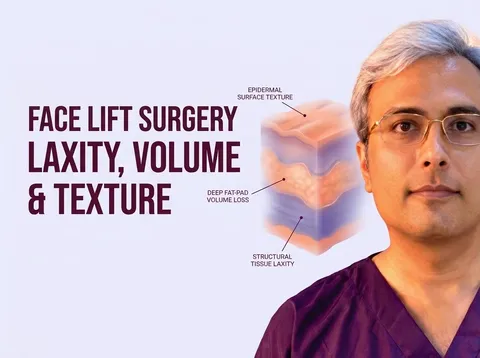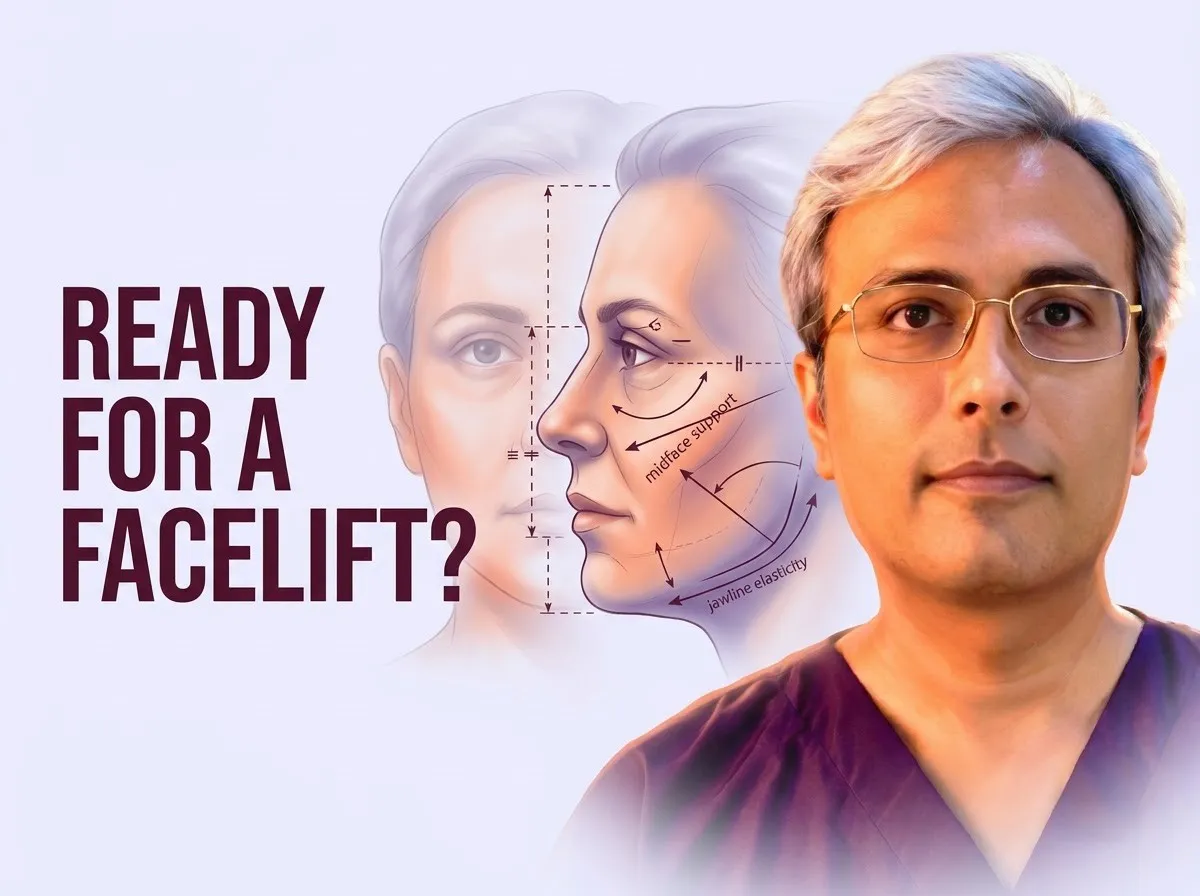
Evaluating suitability for facial surgery requires looking closely at tissue descent, skin laxity, and general physical fitness rather than a date on a birth certificate. Patients preparing for an evaluation can learn how to prepare for a face lift to understand how health history and lifestyle factors are reviewed.
During consultations for facelift surgery in Jaipur, Dr. Vishal Purohit carefully examines these structural anatomical changes to determine whether surgical intervention aligns with an individual’s realistic aesthetic goals.
Surgical intervention is designed to address structural changes in the lower face and neck, such as jowling and redundant tissue. A thorough medical assessment ensures that every candidate meets the necessary health criteria for surgery and anaesthesia.
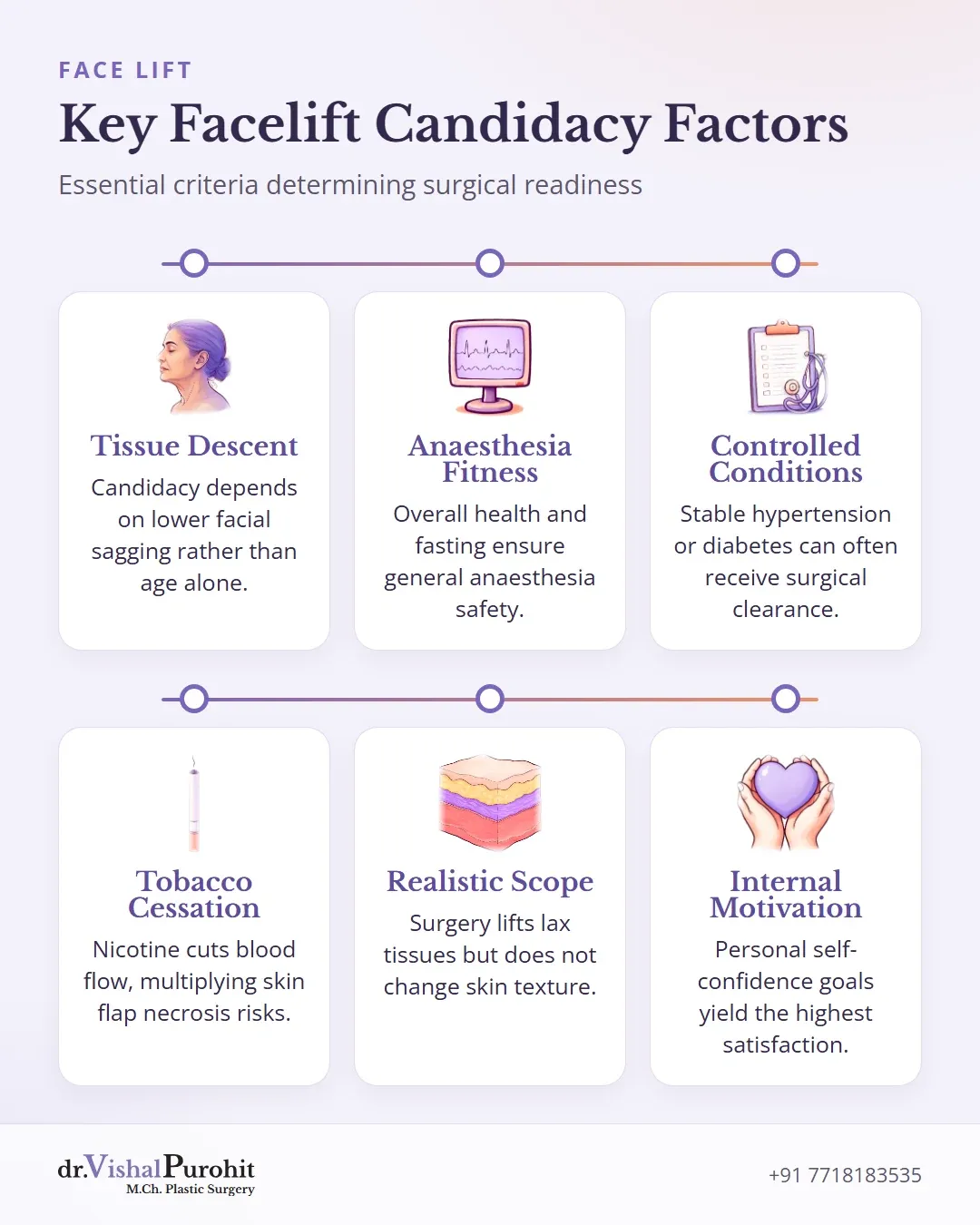
Sagging Matters More Than Your Age
Chronological age does not determine whether a patient is suitable for a facelift. Instead, surgical candidacy depends on specific anatomical changes in the lower face and neck, alongside general physical health and skin quality.
Anatomical Changes Over Birthdays
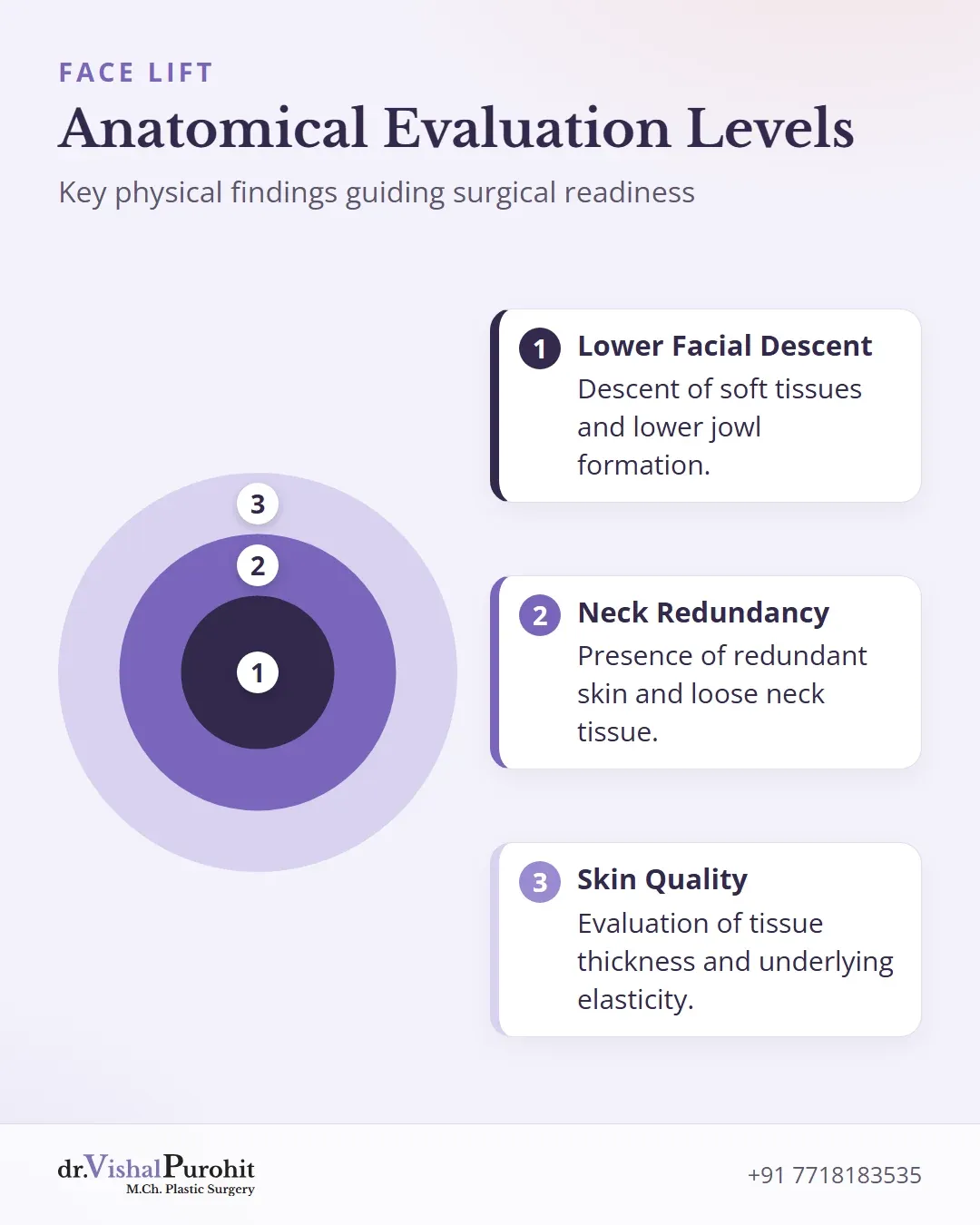
A person does not need to reach a specific birthday to consider surgery. Rather than following an arbitrary age cut-off, candidacy is guided by tissue descent and structural laxity:
- Jowl formation and descent of lower facial soft tissues123
- Redundant skin and loose neck tissue245
- Skin quality, including skin redundancy, thickness, and underlying elasticity56
Dr. Purohit’s note: Dr. Vishal Purohit does not set a fixed chronological age cut-off for a facelift in Jaipur. The suitability of the procedure is evaluated individually during consultation based on physical examination and presenting anatomy.
What the Medical Literature Says About Age
Surgical literature notes that a facelift is the most beneficial intervention for addressing facial aging changes in many individuals older than 40 years3. Textbooks often describe traditional surgical candidates as presenting in late middle age7 or between 45 and 55 years of age with good bone support and healthy soft tissues6. Suture lifting techniques are described for younger cohorts with mild ptosis, typically between 30 and 45 years89.
However, published surgical guidelines emphasize that candidacy remains highly individualized rather than tied to a fixed age10. Surgical evaluation categorizes neck skin laxity from Grade I (no laxity) to Grade IV (severe laxity)1411. While limited laxity can sometimes be managed with localized approaches, severe Grade IV laxity requires a comprehensive face lift or standard face and neck lift with skin excision412. Ultimately, surgeons focus on the presentation of tissues at the time of consultation rather than an arbitrary chronological age10.
General Health and Fitness for Anaesthesia
A facelift is an elective cosmetic procedure, and patient safety depends on overall physical health1314. At the practice in Jaipur, Dr. Vishal Purohit performs a facelift under general anaesthesia, which requires 6 hours of fasting beforehand. Because the procedure involves general anaesthesia, fitness to undergo surgery safely is thoroughly evaluated before scheduling1315.
Key points
- A facelift is an elective procedure requiring good overall health and thorough preoperative evaluation for general anaesthesia.
- Uncontrolled hypertension, diabetes, or bleeding tendencies increase surgical risks and may contraindicate surgery.
- Well-controlled chronic conditions are often cleared for surgery with specialist approval.
Medical Conditions and Surgical Risks
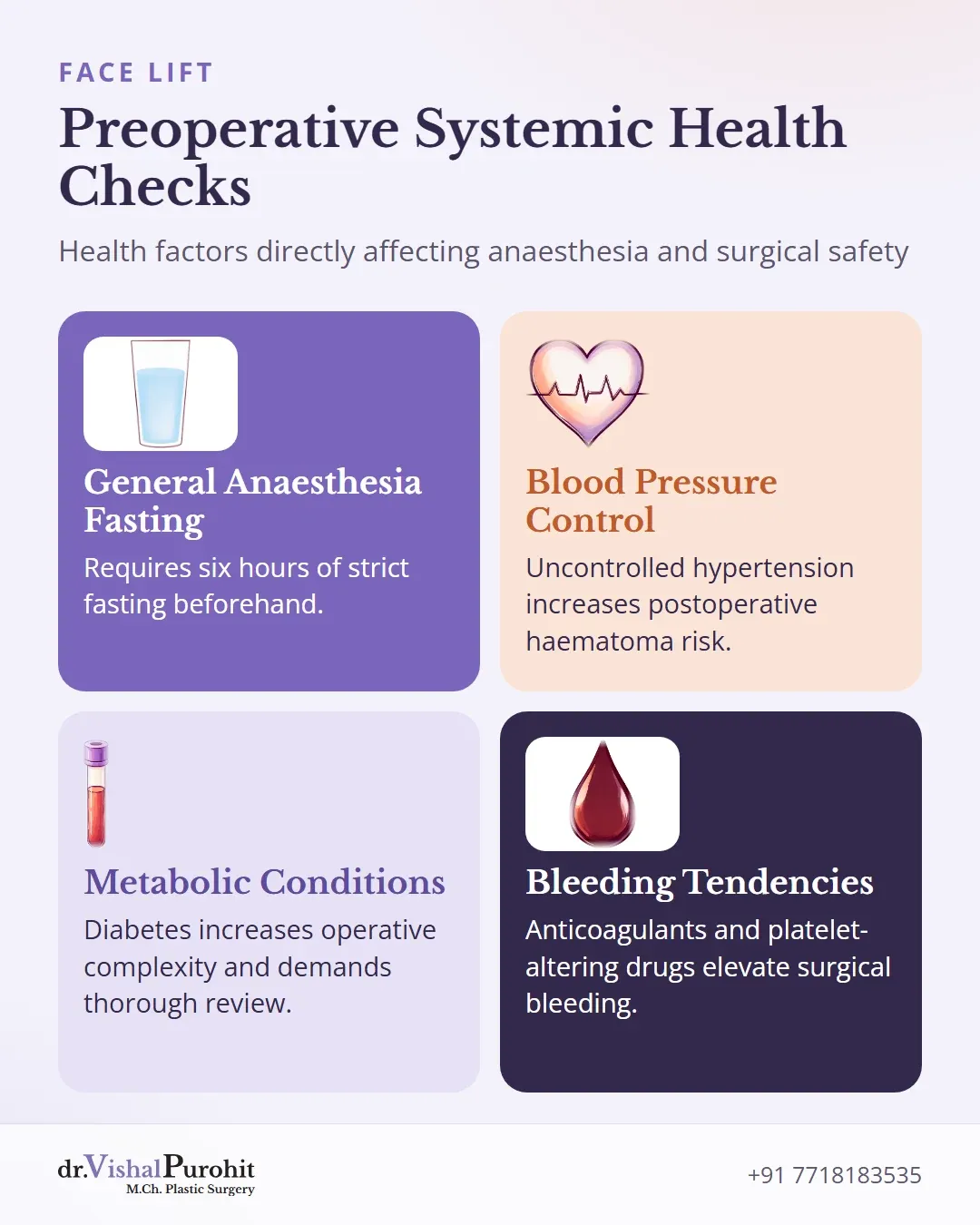
The surgical literature notes that the more underlying medical problems an individual has, the greater the risks associated with surgery and anaesthesia become141617. During preoperative evaluation, specific systemic issues must be identified because they directly affect surgical safety:
- Blood pressure: Uncontrolled hypertension is considered a contraindication to surgery18. Elevated blood pressure can promote the formation of a postoperative haematoma, which is documented as the most frequent complication in facelift surgery18.
- Diabetes: Systemic metabolic conditions such as diabetes increase operative complexity and require careful evaluation131419.
- Bleeding tendency: The use of anticoagulants, medications affecting platelet function, or supplements that promote surgical bleeding presents distinct challenges and requires specialised medical management141819.
Evaluation of Controlled Conditions
Having a chronic health issue does not automatically prevent someone from undergoing a face lift1419. Literature indicates that patients with controlled hypertension or controlled diabetes are frequently cleared for surgery and fare well131419.
Every medical condition is reviewed on an individual basis during consultation1520. When preexisting conditions are present, clearance from the patient’s physician or relevant medical specialists is obtained to verify that health status is stable before proceeding with anaesthesia and surgery1316.
Smoking, Gutka, Khaini and Blood Thinners
Tobacco use and certain medicines directly influence surgical safety, blood supply, and wound healing in a facelift.
Tobacco, Gutka, and Khaini
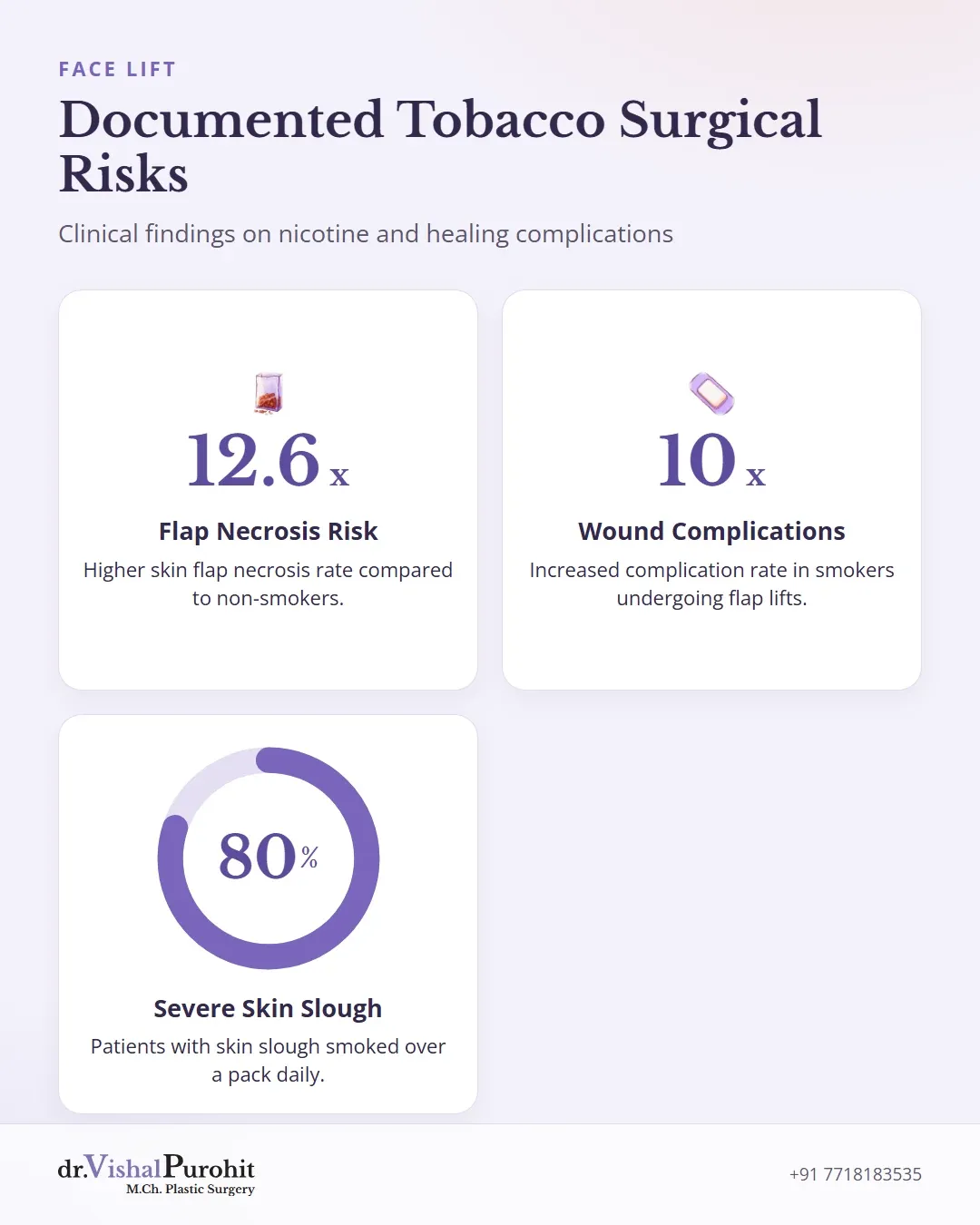
Nicotine releases catecholamines, which impair epithelialization and reduce inflammation21. It also decreases arteriolar and capillary blood flow, jeopardizing the circulation to undermined skin flaps2223.
In active smokers, the literature reports significant risks:
- Skin flap necrosis risk is estimated to be 12 to 13 times higher21, or 12.6 times higher22, compared to non-smokers.
- Wound complications increase 10-fold when performing a skin flap face lift in smokers23.
- According to published data, 80% of patients experiencing skin slough after a facelift smoked more than one pack of cigarettes daily at the time of surgery21.
Dr. Vishal Purohit does not set a blanket clinic interval in published guides; the surgical team discusses cessation requirements individually during consultation in Jaipur.
Blood Thinners and Supplements
Preoperative intake of aspirin or other antiplatelet drugs consistently predisposes patients to facelift complications, particularly bleeding and haematoma formation2425. Anticoagulants like warfarin, nonsteroidal anti-inflammatory drugs, and various over-the-counter supplements also increase bleeding risks24.
Common substances that interfere with clotting include:
- Prescribed anticoagulants and antiplatelet drugs2425
- Vitamin E and fish oil2426
- Herbal remedies such as Ginkgo biloba, garlic, ginseng, ginger, and feverfew242526
Patients must never stop or adjust a prescribed medicine on their own. Any adjustment to anticoagulants or cardiovascular drugs is decided collaboratively between the surgical team and the prescribing doctor. Clinic stopping schedules are not fixed online and are determined during the preoperative medical evaluation.
Weight Stability and Skin Quality
Skin elasticity and underlying soft tissue support directly determine how well tissues redrape and hold their position after surgery27. In patients with massive weight loss or marked skin laxity, the extent of loose tissue or reduced elasticity can sometimes limit full correction in a single operation28. While Dr. Vishal Purohit tells patients in Jaipur that facelift results typically last about a decade as natural facial ageing continues, stable body weight is important to preserve those structural contours.
What a Facelift Does and Does Not Treat
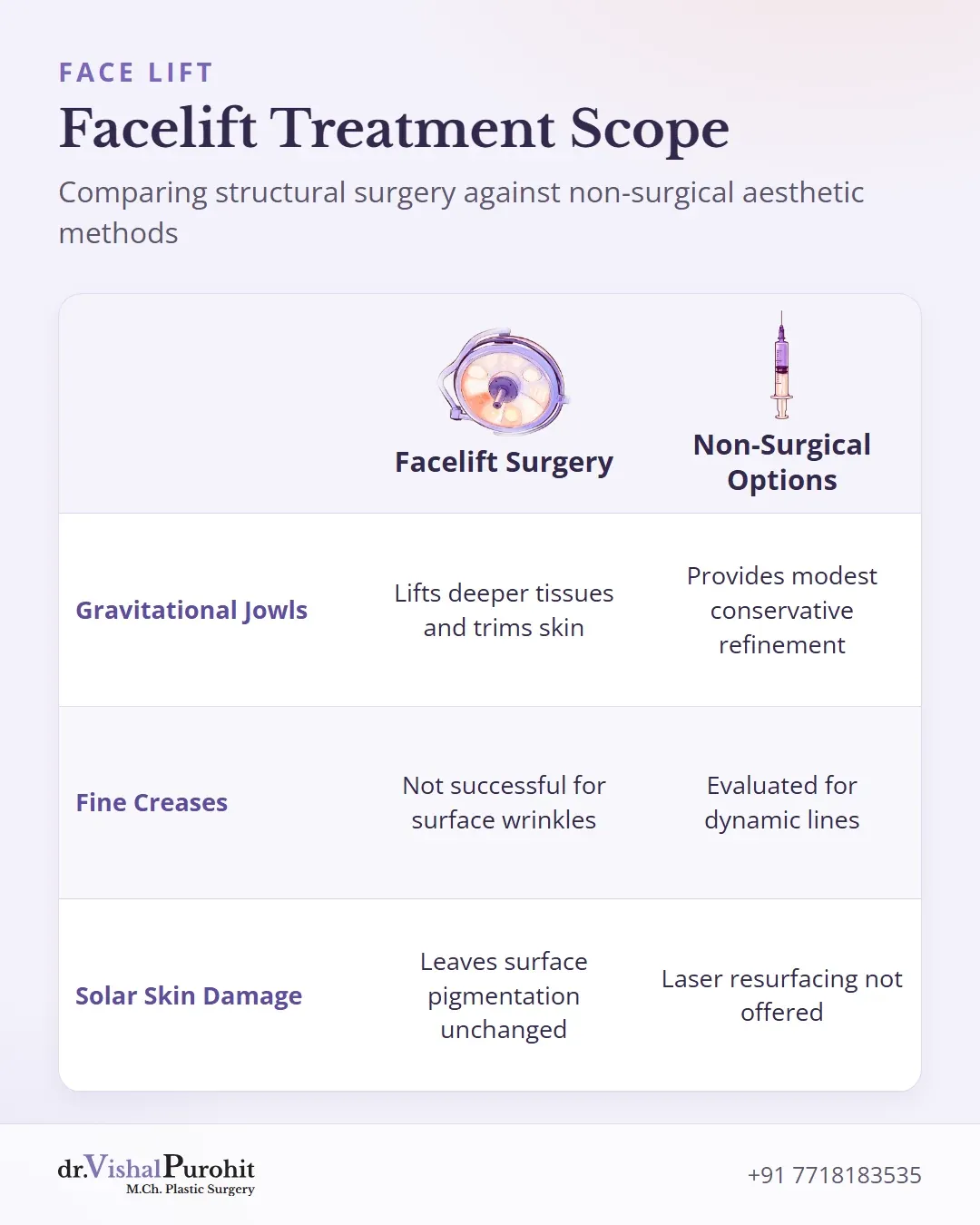
A surgical face lift repositions descended deeper tissues and trims excess lax skin, but it does not change the biological quality or surface texture of the skin itself2930.
Key distinctions include:
- Gravitational sagging: A facelift addresses loose skin, jowls, and descent in the lower face and neck2930.
- Fine lines: The procedure is generally not successful at pulling out fine wrinkles or superficial creases2930.
- Sun damage: Surgical elevation does not clear solar damage, age-related pigmentation, or actinic skin changes3031.
Elevating sun-damaged skin leaves the underlying surface texture unchanged31. Non-surgical options such as dermal fillers or Botox may be evaluated separately for dynamic lines, while Dr. Purohit does not offer laser or skin resurfacing procedures.
Realistic Goals and the Choice Not to Have Surgery
Undergoing a facelift is a deeply personal decision. Patient satisfaction after aesthetic surgery depends closely on personal motivation and clear, achievable goals rather than technical execution alone32.
Key points
- Satisfaction after facelift surgery depends on internal motivation and realistic goals.
- The procedure aims for a natural, refreshed appearance, not to change identity or stop aging.
- Non-surgical options such as fillers, Botox, and thread lifts are available for modest rejuvenation.
Personal Motivation and Expectations
The most reliable motivation for a face lift comes from within32. Individuals who seek surgery to improve their own self-confidence or self-esteem are more likely to have their postoperative expectations met3334. In contrast, pursuing treatment to gain external advantages, such as pleasing a partner or advancing at work, frequently leads to dissatisfaction333435.
Realistic expectations involve understanding the anatomical changes surgery can achieve36. The goal of a facelift is to achieve a natural, refreshed appearance by addressing facial tissues, not to alter who a person is or halt the natural progression of time363738.
When Surgery May Not Be the Right Step
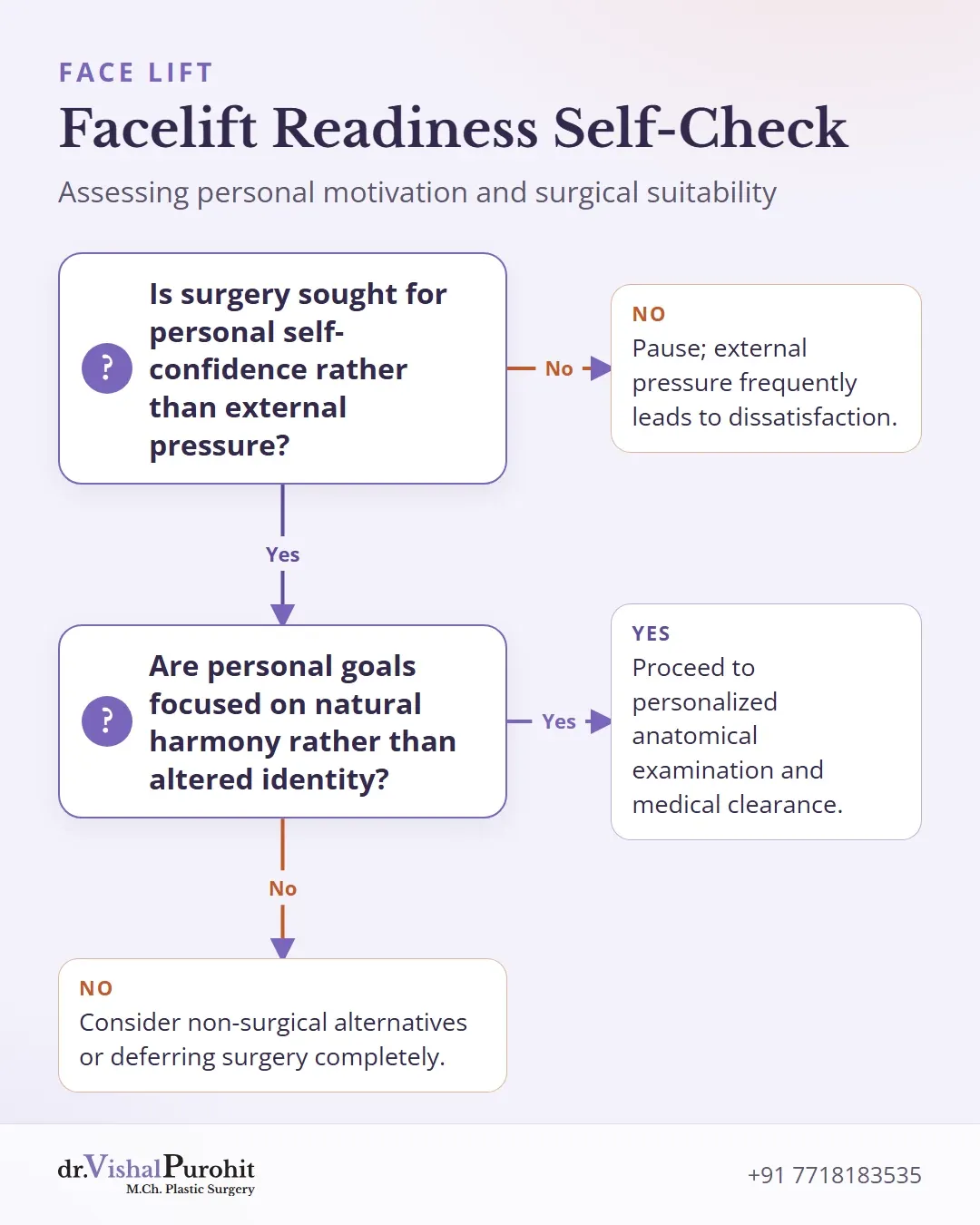
A consultation may reveal situations where proceeding with surgery is unwise:
- External pressure: Seeking surgery specifically to satisfy a partner, salvage a relationship, or respond abruptly to an acute life crisis323435.
- Unrealistic expectations: Expecting surgery to transform social standing or provide an overdone, altered identity rather than facial harmony343738.
- Unresolved emotional or body image distress: Experiencing overwhelming emotional distress about ageing or relying on rushed decisions without adequate reflection3237.
Choosing Non-Surgical Options or No Treatment
Deciding against surgery is a completely valid choice. Patients who prefer not to undergo an operation may choose to leave their appearance as it is, or they may consider non-surgical treatments. In Jaipur, Dr. Vishal Purohit offers non-surgical alternatives, including dermal fillers, Botox, and thread lifts, for individuals seeking modest facial rejuvenation without general anaesthesia or a surgical recovery period.
Personal Consultations for Facial Rejuvenation in Jaipur
Determining readiness for surgery is an individualized decision grounded in anatomical evaluation, health clearance, and personal goals. Patients considering facelift surgery in Jaipur undergo a comprehensive physical assessment to determine whether structural surgery or non-surgical options offer the most suitable path. Reviewing detailed facelift FAQs can help clarify procedure details and expectations before meeting the surgical team.
This is educational information, not medical advice.