
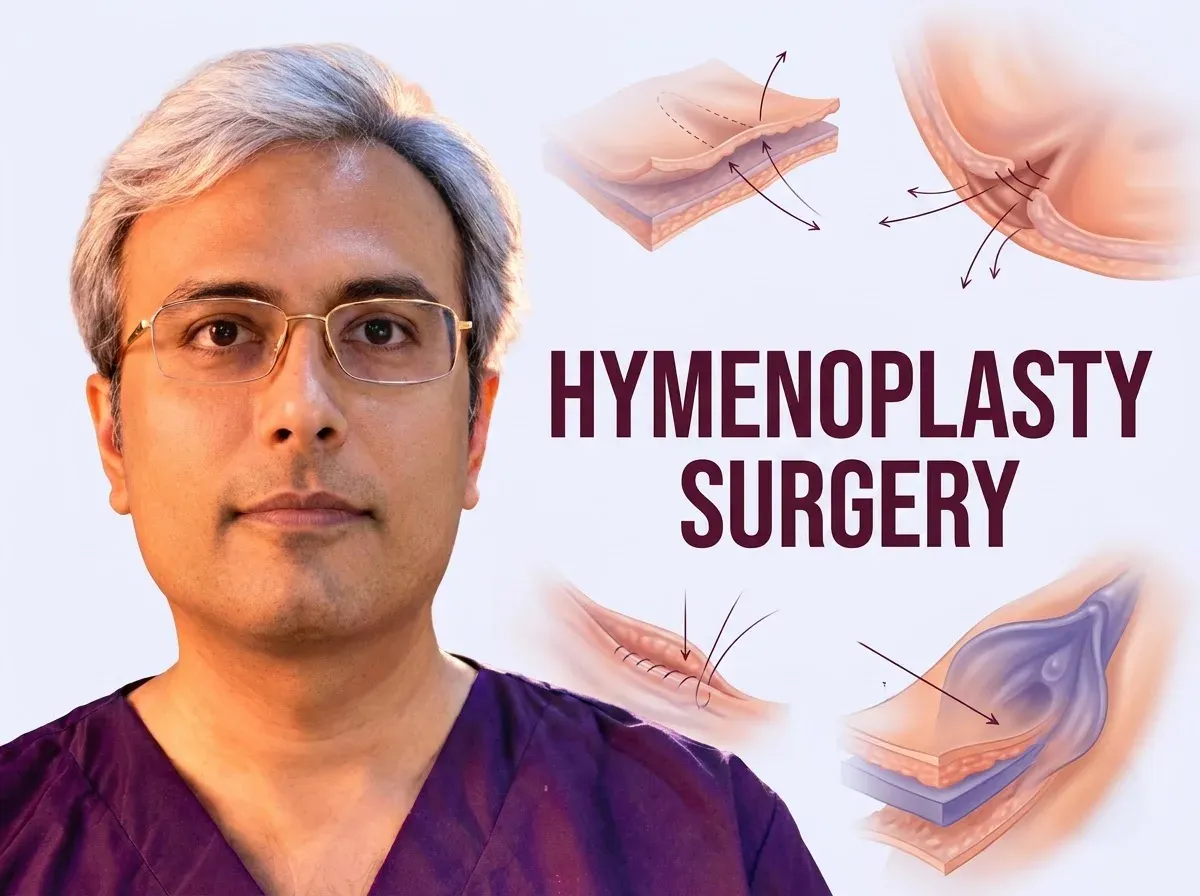

Hymenoplasty in Jaipur: An Enlightening Glimpse into a Delicate Procedure
In the vast landscape of cosmetic surgery, hymenoplasty stands out as a procedure deeply intertwined with cultural, emotional, and sometimes, medical imperatives. For many, it represents a return to innocence, a physical manifestation of rejuvenation. The very nature of this surgery, primarily centred on the restoration of the hymen, reflects both age-old traditions and modern surgical advancements.
The intent behind hymenoplasty varies immensely. While some opt for it due to medical indications, others see it as a deeply personal journey, influenced by societal norms, personal beliefs, or past experiences. Nevertheless, it’s essential to approach the subject with an open mind and a clear understanding. By debunking myths and providing evidence-based insights, I, Dr Vishal Purohit, with years of expertise as an Mch Plastic Surgeon in Jaipur, aim to shed light on this procedure’s intricacies, ensuring that every potential candidate feels informed and confident in their decisions.
Today, hymenoplasty continues to gain traction in several parts of the world, including India. Being a procedure of both personal and cultural significance, it requires a surgeon not only skilled with surgical techniques but also one who can empathize and understand the emotional nuances of the patients. Having worked closely with numerous patients throughout my career, I recognize the responsibility that comes with this surgery and am committed to delivering both care and expertise.
Understanding Hymenoplasty: More Than Just a Procedure
At its core, hymenoplasty is a surgical procedure focused on the restoration or reconstruction of the hymen, a thin membranous tissue found at the vaginal entrance. While often associated with the idea of virginity in many cultures, the hymen can naturally break due to various activities such as exercise, tampon use, or even minor accidents. The practice of reconstructing it has evolved over the years, moving beyond its traditional boundaries.
A common misconception is that hymenoplasty is solely a cosmetic procedure, sought out only for societal or cultural reasons. While it’s true that many undergo this procedure due to cultural or personal beliefs, there’s also a segment of patients who opt for hymenoplasty for medical or therapeutic reasons. For instance, some survivors of sexual assault may choose hymenoplasty as a part of their healing journey, seeking a sense of closure and physical rejuvenation.
Diving deeper into the technical aspects:
Types of Hymenoplasty:
- Simple Repair: Stitching of the torn parts of the hymen. Ideal for recent injuries.
- Hymen Reconstruction: Creating a new hymen using tissues from the vaginal lips. Suited for those with little to no hymenal tissue left.
- Hymen Augmentation: Reinforcing the existing hymen by introducing tissue or synthetic materials.
While the technicalities give a clear picture of what happens during the procedure, it’s equally important to approach it with a complete understanding of its implications, both physically and emotionally. Every individual’s journey to choosing hymenoplasty is unique, and I believe in respecting and acknowledging each story, and providing care that goes beyond just the surgical aspect.
Myths and Facts: Dispelling Common Misconceptions About Hymenoplasty
The realm of hymenoplasty is rife with myths and misconceptions, some deeply entrenched in cultural narratives and others a product of misinformation. As a responsible medical practitioner, I believe I must shed light on these misunderstandings, ensuring that potential candidates and the general public possess accurate knowledge about the procedure.
One of the most pervasive myths is that the hymen is a definitive marker of virginity. It’s essential to understand that the hymen is simply a piece of tissue that can break due to various reasons, not just sexual intercourse. Activities such as cycling, horse riding, or even tampon usage can lead to tears in the hymen. On the other hand, some women may not experience any hymenal tears even after sexual activity.
Let’s delve deeper into some common myths and contrast them with the facts:
Myths vs. Facts:
Myth: Hymenoplasty is only for those seeking to “prove” their virginity.
- Fact: While some opt for hymenoplasty for cultural or personal reasons, others choose it for medical reasons, or as a step in healing from trauma.
Myth: The hymen is an unbreakable seal.
- Fact: The hymen can naturally break or stretch due to various activities. It’s not a definitive indicator of sexual activity.
Myth: Hymenoplasty results are permanent.
- Fact: Just like the natural hymen, a reconstructed hymen can break or stretch due to the same activities.
Education and awareness play a pivotal role in breaking the cycle of misconceptions. By understanding the true nature and purpose of hymenoplasty, individuals can make informed decisions based on facts rather than hearsay, ensuring peace of mind and confidence in their choices.
Indications for Hymenoplasty: Unpacking the Reasons
The decision to undergo hymenoplasty is deeply personal and multifaceted. While the procedure might appear straightforward, the underlying reasons that lead individuals to my clinic vary widely. It’s imperative to comprehend these motivations, as they not only provide context but also guide the approach and care I offer to each patient.
On the medical front, there are specific indications where hymenoplasty becomes a recommended or desired course of action. These might include injuries to the hymen due to accidents or trauma, congenital absence of the hymen, or as a therapeutic intervention for survivors of sexual assault. In such cases, hymenoplasty serves not just as a physical reconstruction but also as a means to restore emotional and psychological well-being.
However, personal reasons, often deeply rooted in cultural or societal beliefs, play a significant role in the decision to undergo hymenoplasty. For many, it’s about adhering to cultural norms related to marriage, while for others, it’s a means to start afresh after a past relationship or experience. Irrespective of the reasons, I approach each case sensitively, respecting every individual’s journey.
Medical and Personal Indications for Hymenoplasty:
Medical Reasons for Hymenoplasty:
- Traumatic Injury: Accidents or injuries leading to damage to the hymen.
- Congenital Absence: Born without a noticeable hymen.
- Therapeutic Intervention: As a part of healing from sexual trauma.
Personal Reasons for hymenoplasty:
- Cultural Adherence: Respecting cultural norms and traditions related to virginity and marriage.
- Emotional Rejuvenation: Seeking closure from past relationships or experiences.
- Personal Choice: Opting for the procedure out of individual preference without external pressures.
Each individual’s story is unique, and every journey is valid. As a surgeon, my goal is to provide not just a successful procedure but also a supportive environment where every patient feels understood and respected.
The Procedure: Navigating the Steps of Hymenoplasty
The journey of hymenoplasty is an amalgamation of precision, technique, and utmost care. Whether you’re considering the procedure out of personal choice or medical necessity, understanding its nuances is key to setting accurate expectations and ensuring a smooth experience. As a dedicated plastic surgeon, I believe in transparency, and that begins with a clear insight into what hymenoplasty entails.
Starting with the initial consultation, this is the stage where I prioritize listening. Patients share their reasons, concerns, and expectations, providing a blueprint that guides the rest of the process. A thorough physical examination accompanies this, determining the best approach tailored to each individual’s anatomy and needs. It’s also the moment to address any questions, dispel doubts and ensure patients feel informed and comfortable.
Shifting focus to the surgical procedure itself, generally lasts between 30 minutes to an hour, depending on the complexity. After administering local or general anaesthesia to ensure comfort, I carefully stitch the torn parts or, in cases where the hymen is absent, use vaginal tissue to create a new one. The technique used primarily depends on the patient’s anatomy and the desired outcome.
Hymenoplasty: Step by Step
Initial Consultation for Hymenoplasty:
- Patient History: Understand the reasons behind opting for hymenoplasty.
- Physical Examination: Evaluate the existing condition of the hymen.
- Addressing Queries: Answering questions and setting clear expectations.
The Hymenoplasty Surgery:
- Type of Anesthesia: Choose between local or general based on the patient’s comfort and procedure complexity.
- Surgical Technique: Depending on the individual’s needs, either repair the torn parts or reconstruct a new hymen.
- Duration: Typically between 30 minutes to an hour.
Post-operative Care after Hymenoplasty:
- Immediate Aftercare: Ensuring patient comfort right after the surgery.
- Recovery Guidelines: Detailed instructions on dos and don’ts for swift healing.
- Follow-up Visits: Regular check-ins to monitor healing and address any concerns.
Concluding the procedure, post-operative care becomes paramount. I emphasize a holistic approach, combining medical expertise with compassionate care. From detailing precautions to ensuring regular follow-ups, every step aims at a swift and complication-free recovery, empowering patients to move forward with confidence.
Recovery and Care: Embracing the Post-Procedure Journey
One of the pivotal aspects of hymenoplasty, or indeed any surgical procedure, is the post-operative phase. This stage plays a vital role in determining the success of the surgery and the comfort of the patient. Emphasizing its significance, I offer guidance and support throughout the recovery process, ensuring patients are equipped with the necessary knowledge and resources for optimal healing.
First and foremost, recovery time is often a primary concern. Typically, most patients can resume their daily activities within a few days post-surgery, with some precautions in place. Complete healing, where the stitches dissolve and the area returns to its natural state, generally occurs within 4-6 weeks. However, individual experiences can vary, making it essential to listen to one’s body and seek advice whenever in doubt.
For a successful recovery, there are specific guidelines and best practices to follow. These are designed not only to accelerate the healing process but also to prevent any potential complications. From avoiding rigorous activities to understanding signs that might warrant medical attention, being informed is key.
Post-Hymenoplasty Recovery Guidelines:
Activity Restrictions:
- Physical Exercise: Refrain from strenuous exercises for at least 3 weeks.
- Sexual Activity: It’s advisable to abstain for 6-8 weeks post-surgery.
- Tampon Use: Opt for sanitary pads until complete healing occurs.
Hygiene and Care:
- Cleaning: Use lukewarm water and mild soap, ensuring the area remains clean.
- Medication: Follow prescribed antibiotics or pain relievers as directed.
- Avoiding Infection: Change sanitary pads frequently and avoid public pools or bathtubs.
Signs to Monitor:
- Normal: Mild discomfort, slight swelling, or minimal bleeding.
- Concerning: Severe pain, foul odour, excessive bleeding, or signs of infection.
Recovery is more than just physical healing; it encompasses emotional and psychological well-being too. I prioritize offering a safe space for my patients, where they can voice concerns, ask questions, and find reassurance. Together, with a blend of medical expertise and compassionate care, we navigate the post-hymenoplasty journey, celebrating every milestone towards complete recovery.
Potential Risks and Complications: Being Informed and Prepared
Every surgical procedure, including hymenoplasty, carries with it a set of potential risks and complications. My commitment to patient care includes not only offering the best possible surgical outcomes but also ensuring my patients are well-informed about all facets of the procedure. Understanding potential complications is vital in setting realistic expectations and preparing for any eventuality.
The majority of hymenoplasties are successful with minimal to no complications. However, as with any surgery, there’s an inherent risk factor. Post-operative infections, although rare, can occur. These can manifest as increased pain, swelling, or an unusual discharge. It’s crucial to address these symptoms promptly to prevent them from escalating.
Beyond infections, there can be other complications, though they are uncommon. Some patients might experience overcorrection, where the opening becomes too tight, leading to discomfort. On the flip side, under-correction can result in a more open hymen, defeating the purpose of the procedure. Both scenarios can be addressed with corrective measures, but they underscore the importance of choosing a skilled and experienced surgeon.
Potential Complications of Hymenoplasty:
- Infections:Symptoms: Excessive pain, swelling, unusual discharge, or fever.Prevention: Adhering to post-operative hygiene guidelines and taking prescribed medications.Management: Seeking medical attention promptly and following recommended treatment.
- Symptoms: Excessive pain, swelling, unusual discharge, or fever.
- Prevention: Adhering to post-operative hygiene guidelines and taking prescribed medications.
- Management: Seeking medical attention promptly and following recommended treatment.
- Overcorrection or undercorrection:Symptoms: Excessive tightness causing discomfort or a hymen that remains too open.Prevention: Ensuring clear communication with the surgeon regarding desired outcomes.Management: Corrective procedures can address these issues if they arise.
- Symptoms: Excessive tightness causing discomfort or a hymen that remains too open.
- Prevention: Ensuring clear communication with the surgeon regarding desired outcomes.
- Management: Corrective procedures can address these issues if they arise.
- Scarring:Symptoms: Visible scars or thickened tissue.Prevention: Following post-operative care guidelines to promote healing.Management: Scar treatments or revision surgeries might be options.
- Symptoms: Visible scars or thickened tissue.
- Prevention: Following post-operative care guidelines to promote healing.
- Management: Scar treatments or revision surgeries might be options.
- Symptoms: Excessive pain, swelling, unusual discharge, or fever.
- Prevention: Adhering to post-operative hygiene guidelines and taking prescribed medications.
- Management: Seeking medical attention promptly and following recommended treatment.
- Symptoms: Excessive tightness causing discomfort or a hymen that remains too open.
- Prevention: Ensuring clear communication with the surgeon regarding desired outcomes.
- Management: Corrective procedures can address these issues if they arise.
- Symptoms: Visible scars or thickened tissue.
- Prevention: Following post-operative care guidelines to promote healing.
- Management: Scar treatments or revision surgeries might be options.
Arming oneself with knowledge is a proactive step in ensuring a positive surgical experience. While the potential risks might sound concerning, remember that they are rare, especially when the procedure is performed by experienced hands. My promise to my patients is one of transparency, skill, and unwavering support throughout their hymenoplasty journey.
Choosing the Right Surgeon: A Decision of Trust and Expertise
The success and satisfaction of a hymenoplasty are intricately linked to the hands that perform it. Choosing a surgeon goes beyond their medical credentials; it’s about trust, understanding, and the assurance that they prioritize your well-being. I often emphasize the significance of research, consultation, and gut instinct when making this choice.
At the heart of the decision-making process lies research. It’s vital to delve into a surgeon’s qualifications, experience, and patient reviews. Credentials ensure they have the required training, while patient testimonials offer insight into their bedside manner and the outcomes they deliver. Equally important is the surgeon’s experience with hymenoplasty, as specialized procedures demand specialized skills.
Once you’ve shortlisted potential surgeons, consultations play a pivotal role. This face-to-face interaction provides an opportunity to gauge the surgeon’s approach, clarify doubts, and establish rapport. It’s essential to feel heard and understood, ensuring the procedure aligns with your expectations and values.
Key Factors in Choosing a Hymenoplasty Surgeon:
- Qualifications and Training:Medical Credentials: Verify their educational background and board certifications.Specialized Training: Ensure they’ve had specific training in hymenoplasty and reconstructive surgeries.
- Medical Credentials: Verify their educational background and board certifications.
- Specialized Training: Ensure they’ve had specific training in hymenoplasty and reconstructive surgeries.
- Experience and Expertise:Number of Procedures: Understand how frequently they perform hymenoplasties.Before-and-After Photos: Request to view their previous work to gauge outcomes.
- Number of Procedures: Understand how frequently they perform hymenoplasties.
- Before-and-After Photos: Request to view their previous work to gauge outcomes.
- Patient Care and Communication:Consultation Approach: Gauge their listening skills, empathy, and clarity of communication.Post-operative Support: Understand the level of care they provide after the procedure.
- Consultation Approach: Gauge their listening skills, empathy, and clarity of communication.
- Post-operative Support: Understand the level of care they provide after the procedure.
- Medical Credentials: Verify their educational background and board certifications.
- Specialized Training: Ensure they’ve had specific training in hymenoplasty and reconstructive surgeries.
- Number of Procedures: Understand how frequently they perform hymenoplasties.
- Before-and-After Photos: Request to view their previous work to gauge outcomes.
- Consultation Approach: Gauge their listening skills, empathy, and clarity of communication.
- Post-operative Support: Understand the level of care they provide after the procedure.
Finally, never underestimate the power of instinct. After all the research and consultations, it’s essential to feel comfortable and confident in your chosen surgeon. The journey of hymenoplasty is deeply personal, and having a trusted professional by your side ensures it’s a positive and empowering experience.
Myths and Misconceptions: Setting the Record Straight
The realm of hymenoplasty, much like many other specialized medical procedures, is often clouded with myths and misconceptions. These can lead to unnecessary fears, and skewed expectations, or even deter individuals from pursuing a course they might genuinely benefit from. As a seasoned practitioner in this field, I consider it my duty to address these misconceptions head-on, ensuring potential patients make informed decisions based on facts.
Firstly, the belief that a hymen is a definitive marker of virginity is widespread, yet flawed. The hymen can rupture from various non-sexual activities, including sports or using tampons. Conversely, some women might not experience a rupture even after sexual intercourse. Thus, hymenoplasty isn’t about restoring “virginity”; it’s about addressing personal or cultural reasons that each individual might have.
Another common myth surrounds the pain and recovery post-hymenoplasty. Some believe it to be a tremendously painful ordeal with a long recovery period. In reality, with modern surgical techniques and appropriate post-operative care, pain is minimal, and recovery is typically swift.
Common Myths about Hymenoplasty:
- Virginity Restoration:Myth: Hymenoplasty restores virginity.Fact: It’s a reconstructive procedure addressing personal or cultural reasons. Virginity is a social construct, not a physical one.
- Myth: Hymenoplasty restores virginity.
- Fact: It’s a reconstructive procedure addressing personal or cultural reasons. Virginity is a social construct, not a physical one.
- Pain and Recovery:Myth: The procedure is exceedingly painful with a long recovery.Fact: With modern techniques, pain is typically minimal, and most patients can resume daily activities within a few days.
- Myth: The procedure is exceedingly painful with a long recovery.
- Fact: With modern techniques, pain is typically minimal, and most patients can resume daily activities within a few days.
- Universal Hymen Appearance:Myth: All hymens look the same.Fact: Hymens vary in appearance. Hymenoplasty aims to create a natural look, but “natural” can differ from one individual to another.
- Myth: All hymens look the same.
- Fact: Hymens vary in appearance. Hymenoplasty aims to create a natural look, but “natural” can differ from one individual to another.
- Myth: Hymenoplasty restores virginity.
- Fact: It’s a reconstructive procedure addressing personal or cultural reasons. Virginity is a social construct, not a physical one.
- Myth: The procedure is exceedingly painful with a long recovery.
- Fact: With modern techniques, pain is typically minimal, and most patients can resume daily activities within a few days.
- Myth: All hymens look the same.
- Fact: Hymens vary in appearance. Hymenoplasty aims to create a natural look, but “natural” can differ from one individual to another.
Dispelling myths is more than correcting misinformation; it’s about empowering individuals with knowledge. Only when armed with the truth can one make decisions that resonate with their values and needs? And as they navigate the world of hymenoplasty, I remain committed to being a beacon of clarity and guidance.
Conclusion: Navigating the Hymenoplasty Journey with Clarity and Confidence
The decision to undergo hymenoplasty is deeply personal and often influenced by a myriad of factors ranging from cultural implications to individual sentiments. As we’ve journeyed through the intricate aspects of this procedure, it’s evident that knowledge and understanding are pivotal in making informed decisions. Whether you’re considering this procedure for yourself or someone close, being equipped with the right information dispels fears and sets realistic expectations.
Every surgical intervention comes with its own set of questions and apprehensions. From understanding the procedure’s nitty-gritty to demystifying myths and choosing the right surgeon, it’s a path laden with decisions. Yet, with the right guidance and transparent communication, it’s a journey that can be navigated with confidence and optimism.
For those considering hymenoplasty or seeking more personalized insights, remember that you’re not alone in this. I, Dr. Vishal Purohit, am here to guide, support, and ensure the best possible outcomes for you. Your well-being and satisfaction are paramount. Should you have any further questions, or if you’re ready to take the next step, don’t hesitate to reach out.
Contact for Personalized Consultation:
- Call: +91-7718183535
Your trust and comfort are my top priorities. Together, we can journey towards a decision that aligns with your unique needs and aspirations. I look forward to assisting you on this transformative path.