
Dietary Guidelines to Prevent Abdominal Strain and Enhance Healing After a Tummy Tuck
Your journey to a new look doesn’t end in the operating room. What you eat helps protect your surgical results.
Good nutrition keeps your surgical site strong. Some foods can increase pressure in your belly, while others lower it.
Control swelling and avoid constipation to protect your incisions. This ensures a smoother recovery and a better look.
Dr. Vishal Purohit uses his expert experience to help you heal. He focuses on both your physical and emotional health.
You might be recovering from a full tummy tuck. Or, you may be seeking specialized cosmetic surgery in Jaipur.
Matching your diet to your healing phase is key. This helps you stay confident and keep your natural results.
Eat nutrient-rich foods that help your skin and tissues repair. At the same time, avoid foods that cause bloating.
These guidelines protect your investment in yourself. Let your internal health support your external transformation.
Fiber-Rich Nutrition: Preventing Straining During Bowel Movements
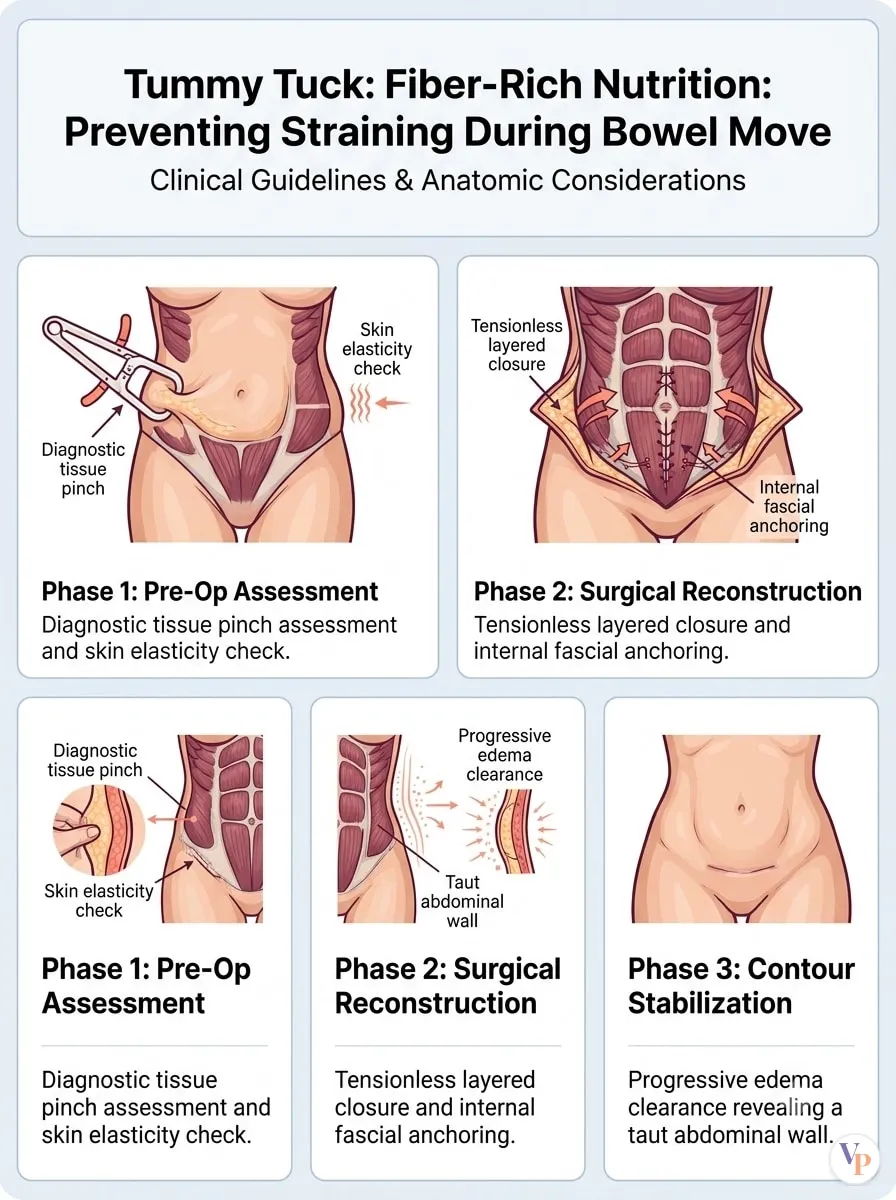
Avoid constipation, which happens when stools are hard and tough to pass. This is very important for your recovery.
Straining during a bowel movement puts pressure on your abdominal muscles. This can stress your surgical closure, “which is where your skin and tissues were sewn together.”
Follow these steps to keep your bowel regularity and protect your results:
- Eat high-fiber foods. Fill your plate with beans, whole grains, and leafy greens. These foods soften your stool so it moves easily.
- Include soluble fiber. Eat apples and oats to help your digestion. This stops you from pushing, which prevents common side effects caused by stomach tension.
- Add natural probiotics. Try kefir or yogurt to keep your gut healthy. A balanced gut stops gas and bloating.
- Eat small, frequent meals. Do not let your stomach get too full. This lowers the pressure on your healing incisions.
Strategic Protein Intake for Tissue Regeneration
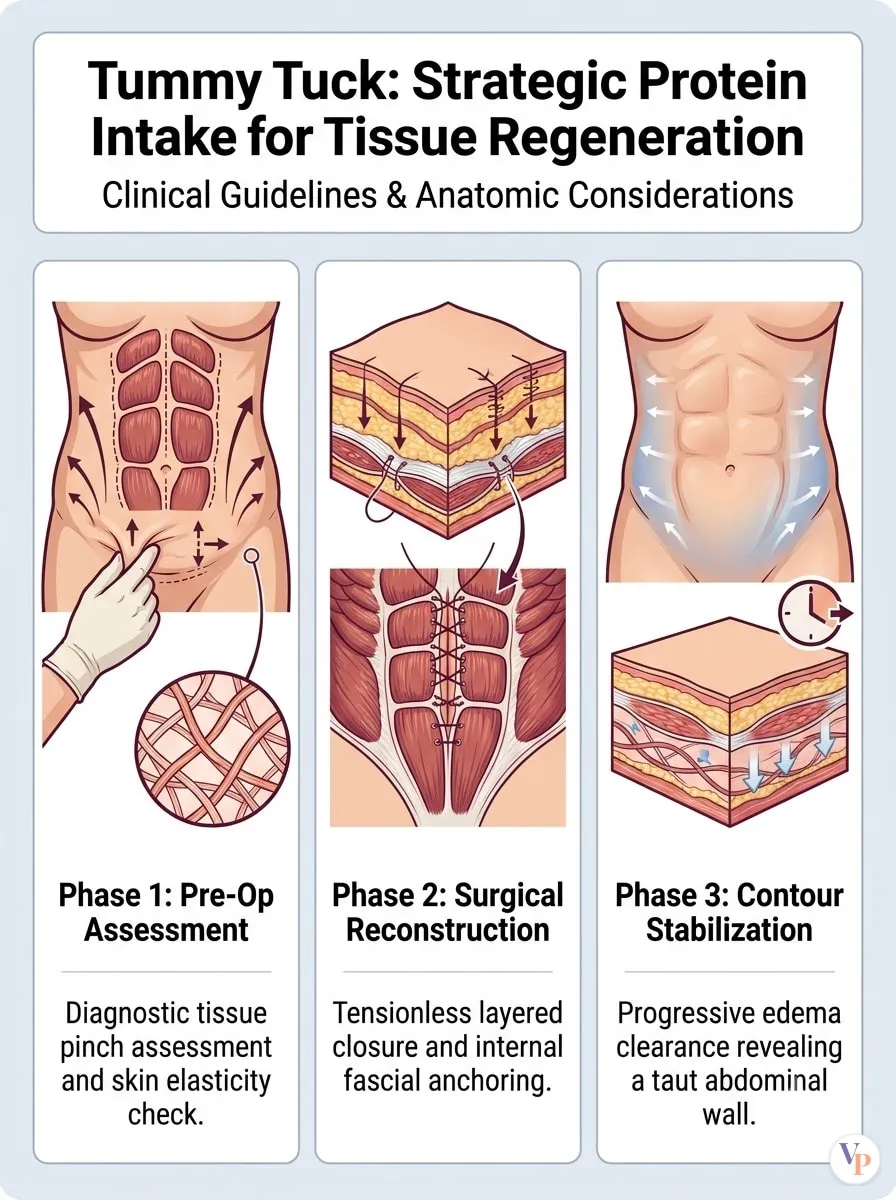
Protein is the building block for your body. It is key for tissue repair. This is how your body fixes damaged skin and muscle.
Eating enough protein speeds up wound healing. This helps your incisions close faster.
Choose lean protein sources for the best results. Eat grilled chicken, fish, tofu, or eggs.
These foods provide nutrients for abdominal wall healing. This process strengthens the deep layers of your stomach.
Stronger tissues mean your results are less likely to stretch. A protein-rich diet supports your belly. This helps you feel confident and look natural.
Managing Fluid Retention and Edema
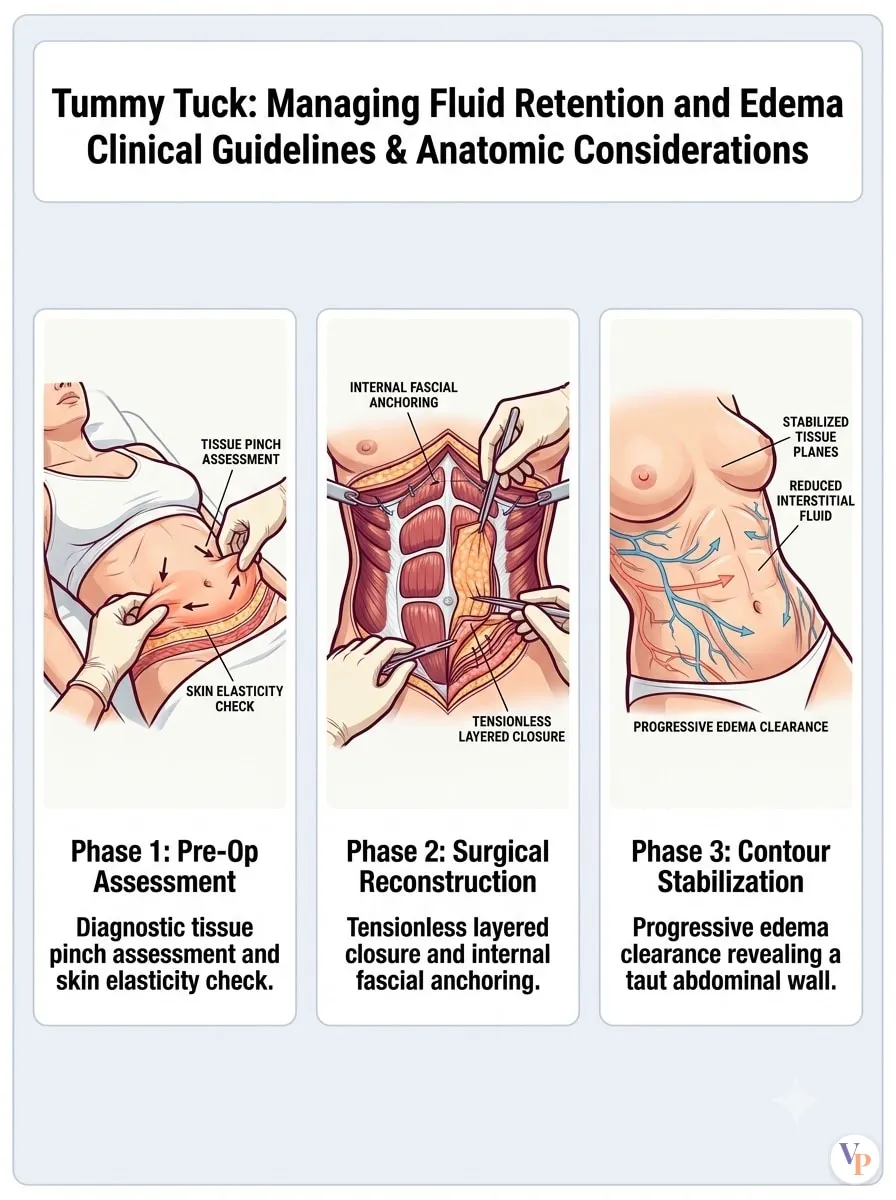
Eating too much salt causes fluid retention. This happens when your body holds onto extra water. This causes swelling, which doctors call edema.
Extra fluid increases skin tension. This puts pressure on your new, tight stomach skin. It can also cause a seroma, “which is a pocket of fluid that builds up under the skin.”
Following a sodium restriction plan helps lower this pressure. Use this guide to manage tummy tuck swelling with your food:
| Food Category | Action | Why It Matters |
|---|---|---|
| Processed Meats | Avoid | High salt triggers fluid retention. |
| Canned Soups | Avoid | Hidden salt increases skin tension. |
| Fresh Vegetables | Eat More | Potassium helps flush out swelling. |
| Fresh Fruits | Eat More | Low salt prevents a seroma. |
| Table Salt | Limit | Sodium restriction protects your results. |
Anti-Inflammatory Diet to Reduce Postoperative Tension
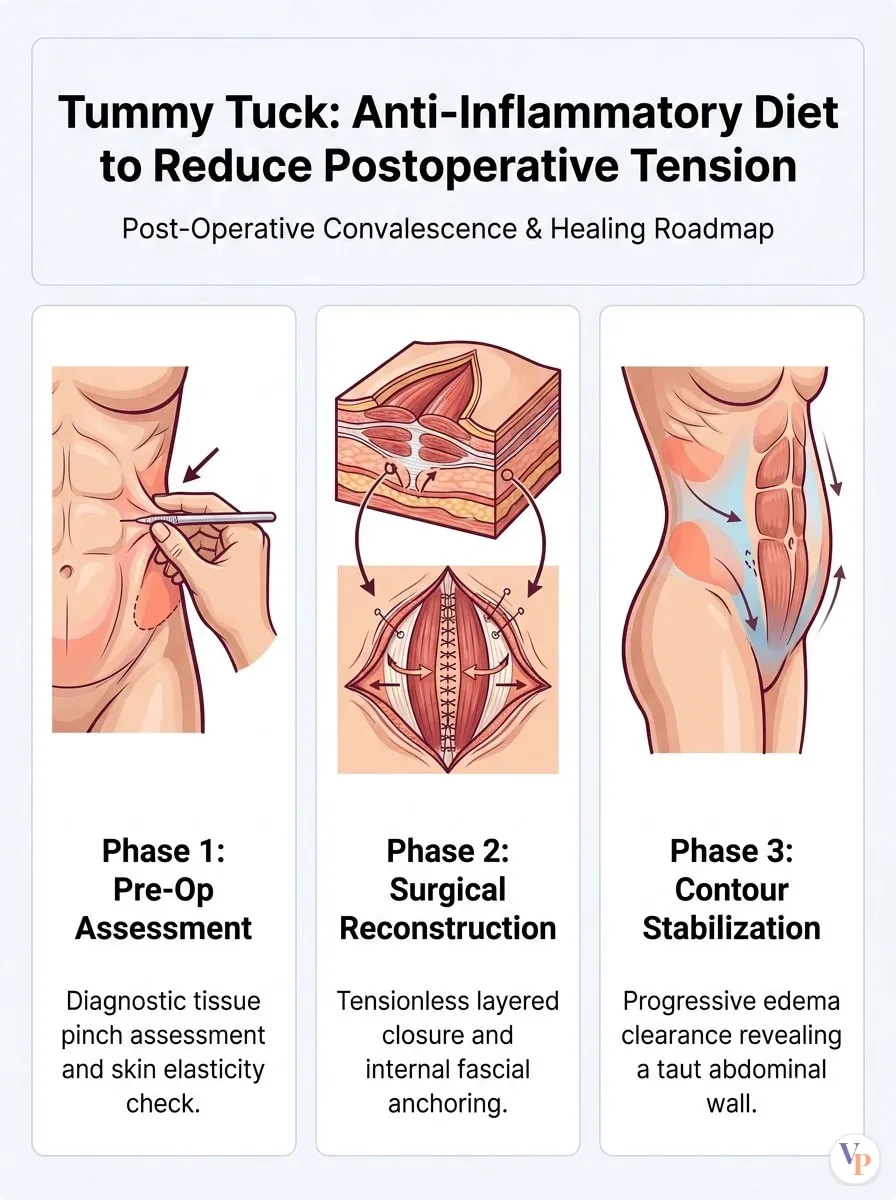
Inflammation is how your body reacts to surgery. It is normal, but too much can cause postoperative edema, which is tissue swelling.
This swelling increases incision tension. It can make your stomach feel tight.
Eating anti-inflammatory foods helps calm this reaction. This keeps you comfortable and protects your results.
Eat these foods to lower swelling and ease tension:
- Fatty Fish: Salmon and mackerel have omega-3s that lower inflammation.
- Berries: Blueberries and strawberries have antioxidants to fight postoperative edema.
- Leafy Greens: Spinach and kale help reduce incision tension by improving blood flow.
- Turmeric: This golden spice is one of the best anti-inflammatory foods for healing.
- Olive Oil: Use this healthy fat to calm your body and reduce tightness.
- Avocados: These have healthy fats that lower systemic inflammation.
Hydration and Electrolyte Optimization
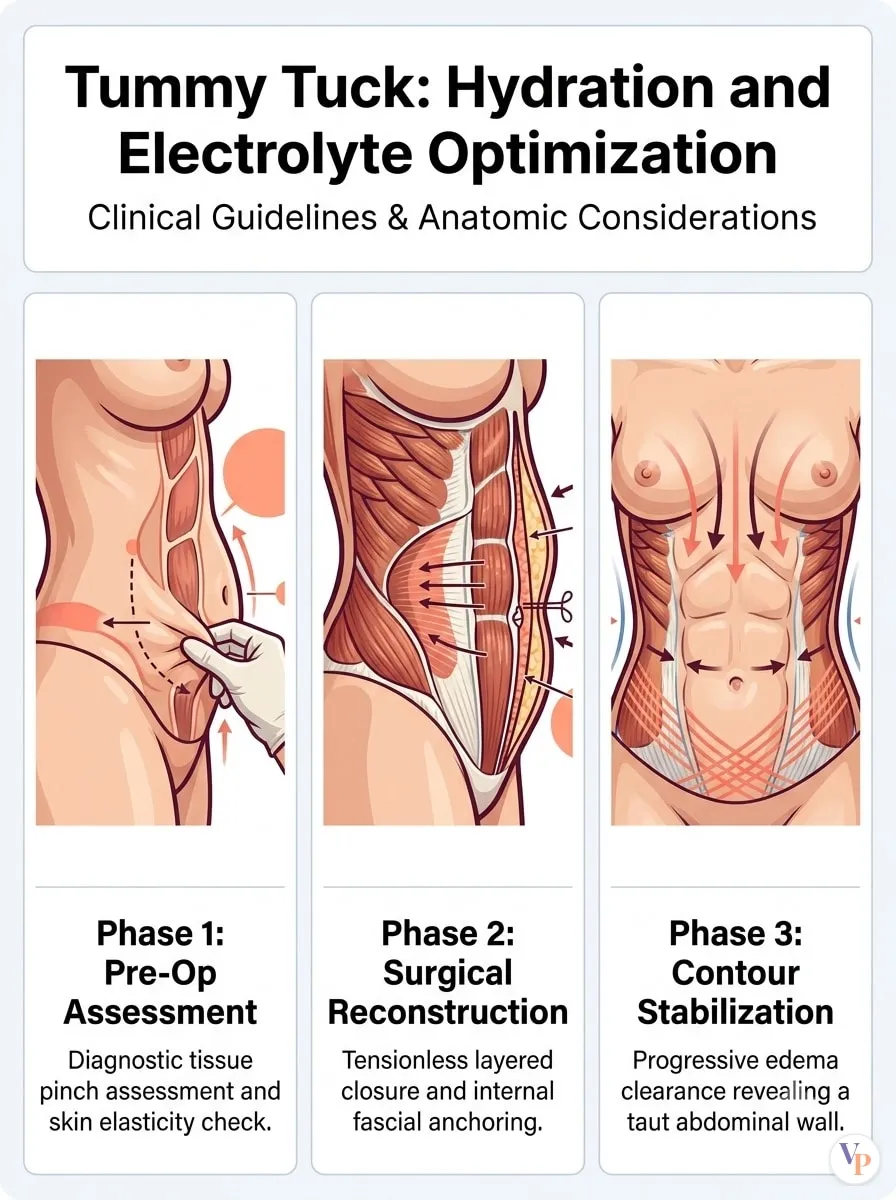
Drink plenty of water to help your metabolic function. This is how your body makes energy from food and heals tissue.
Water also helps your kidneys clear out anesthesia remnants. These are the leftover chemicals from the drugs used to put you to sleep for surgery.
Staying hydrated stops painful muscle cramps. These are sudden, tight contractions of the muscle.
A muscle spasm can strain your stomach incisions. Keep a steady electrolyte balance to prevent these cramps.
This means keeping the right amount of minerals, like potassium and magnesium, in your blood.
Managing your fluids is key for your recovery in Jaipur.
Drink water all day to keep your skin flexible. This lowers tension and helps you feel your best while you heal.
Related Clinical Guide: Protect your abdominal suture line during rest with our guide on how to sleep and position your body after a tummy tuck.
Frequently Asked Questions
What dietary protocol prevents abdominal strain and constipation after a tummy tuck?
Patients should consume 25 to 30 grams of soluble fiber daily (oats, stewed prunes, lentils), drink 2.5 to 3 liters of water, and use mild stool softeners to prevent post-operative constipation and straining against rectus plication sutures, prescribed by Dr. Vishal Purohit in Jaipur. Avoiding straining protects the internal high-tensile muscle repair. As an M.Ch plastic surgeon, Dr. Purohit integrates gastrointestinal protocols into post-op surgical recovery.
Why is high dietary protein essential for abdominal wound healing?
A daily protein intake of 1.2 to 1.5 grams per kilogram of body weight (eggs, paneer, lean poultry, Greek yogurt, or whey isolate) provides the essential amino acids required for rapid collagen synthesis and wound tensile strength, advises Dr. Vishal Purohit in Jaipur. Adequate protein prevents delayed incision healing and lowers seroma risks. Dr. Purohit’s clinical team monitors post-surgical nutritional markers during weekly recovery reviews.
What foods should be avoided immediately after abdominoplasty surgery?
Patients must avoid high-sodium processed snacks that worsen fluid retention, carbonated sodas, cruciferous gas-producing vegetables (cabbage, cauliflower), and artificial sweeteners that induce abdominal bloating, instructs Dr. Vishal Purohit in Jaipur. Distended intestines put unnecessary mechanical stress on fresh fascial plication lines. As an M.Ch. plastic surgeon, Dr. Purohit recommends light, small, frequent meals for the first 14 days.
Can dietary supplements like Vitamin C and Zinc accelerate recovery?
Supplementing with Vitamin C (500 to 1,000 mg daily) and Zinc (20 to 30 mg daily) supports cellular fibroblast proliferation, capillary angiogeneses, and robust scar maturation under guidance from Dr. Vishal Purohit in Jaipur. However, herbal blood thinners (ginkgo, garlic, high-dose Vitamin E) must be stopped. Dr. Purohit provides a clear, medically approved post-surgical supplement schedule upon discharge.
Summary for Your Success Your nutrition helps your body heal. Fiber stops straining, protein rebuilds tissue, and low-sodium intake lowers swelling.
These three steps protect your results. They also boost your confidence.
For a recovery plan made for you, consult with Dr. Vishal Purohit at Kalpana Aesthetics. Get a personalized postoperative recovery plan to ensure you look and feel your best.
If you would like to discuss your condition or book a consultation, contact Dr. Vishal Purohit in Jaipur at +91-7718183535. Our specialist team is here to guide you through every step of your care. For the full picture, see our complete guide to Tummy Tuck.
For full details on hospital facilities, OT safety protocols, and personalized surgical pricing, explore our comprehensive guide on Tummy Tuck Surgery in Jaipur or review our main Tummy Tuck Guide.