Mammograms and Breastfeeding After Breast Augmentation: Comprehensive Clinical Guidance
Many women worry that implants will stop them from breastfeeding. They also worry about future health screenings.
The good news is that breast implants usually do not stop you from nursing. You can still get accurate mammograms too. This works if your surgeon uses the right techniques.
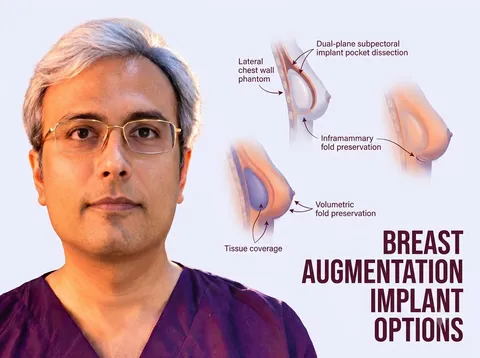
Dr. Vishal Purohit is an M.Ch. Plastic Surgeon. He explains that careful placement is key. Implants are often put under the muscle to avoid milk ducts.
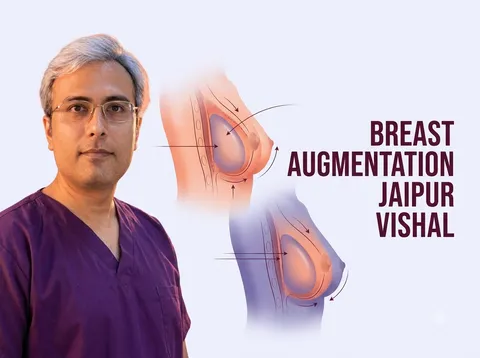
If you want breast augmentation in Jaipur, you can get a personalized plan. This ensures you stay healthy and can still be a mother.
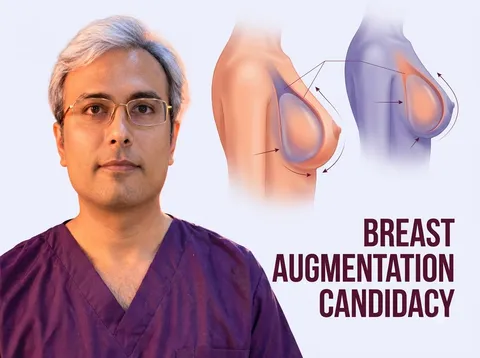
Implants can sometimes make mammograms a bit harder. However, doctors now use “displacement views” to see through the implant.
This allows radiologists to see your breast tissue clearly. With a great surgeon and regular check-ups, you can feel beautiful and stay well.
Mammography with Breast Implants: Ensuring Diagnostic Accuracy
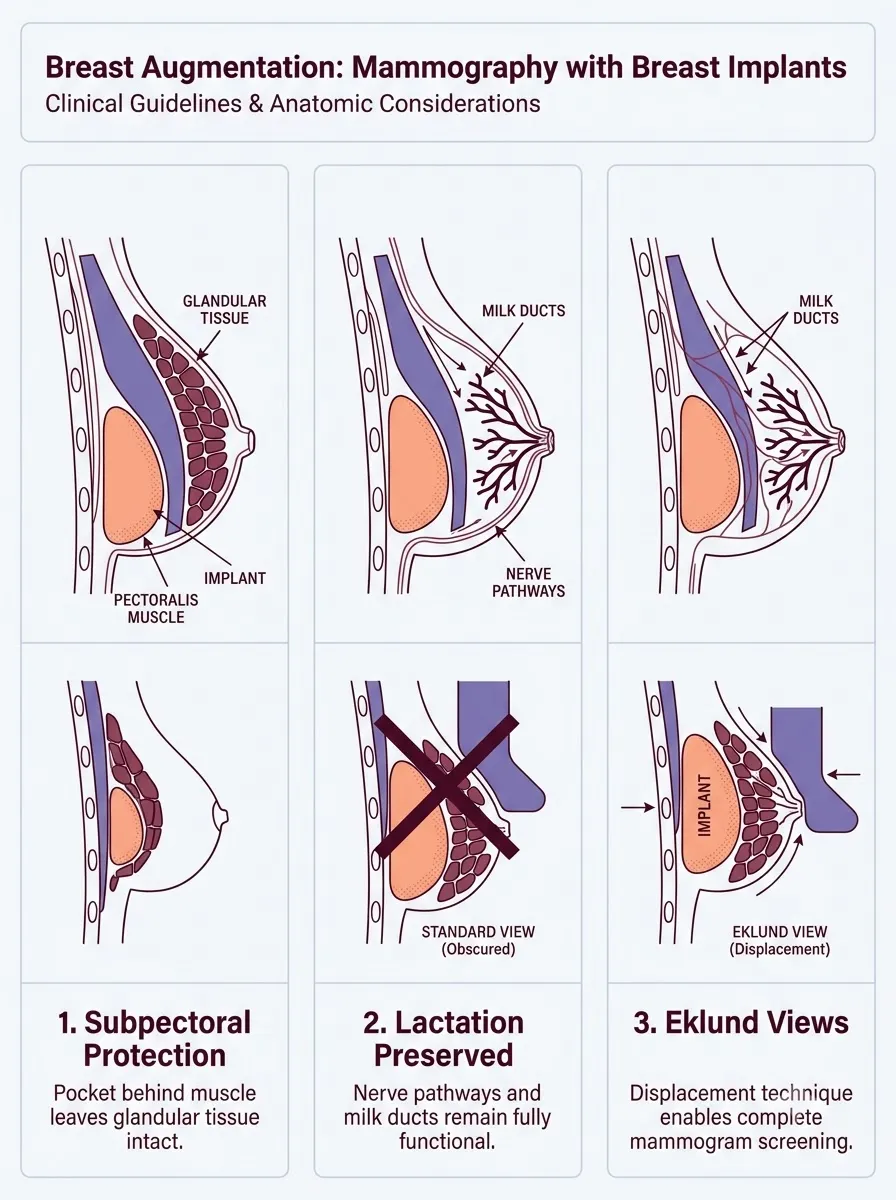
A standard mammogram uses compression to flatten the breast. This helps doctors find small lumps more easily.
If you have implants, they can hide some of your breast tissue. To fix this, a radiologist uses special displacement views.
These views push the implant back toward your chest wall. This lets the doctor pull the breast tissue forward “over and In front of the Implant” improved imaging of the augmented breast1.
This process is called implant displacement. It is a special technique that lets the doctor see more tissue.
This leads to a “significant improvement in image quality” improved imaging of the augmented breast. It also makes your screening more accurate.
The Role of Implant Displacement during Compression
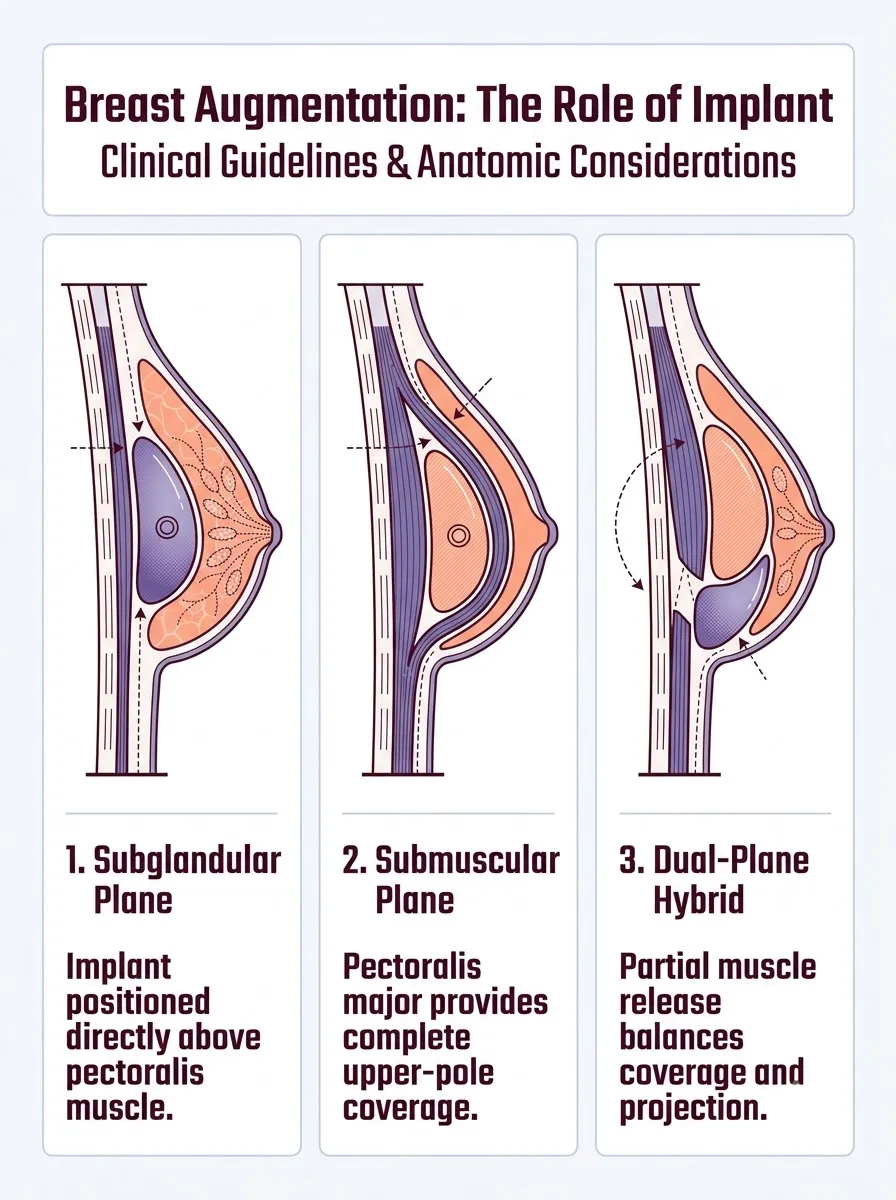
Standard compression flattens the breast to find lumps. If you have implants, the device can create a shadow. This shadow may hide your breast tissue.
To fix this, the radiologist uses a special move. They work by “pushing the implant towards the chest wall and pulling the breast tissue forward” better visualization of the glandular tissue2.
This shift allows for “better visualization of the glandular tissue” better visualization of the glandular tissue. This step is vital for imaging accuracy and your peace of mind.
Detecting Implant Rupture via Imaging
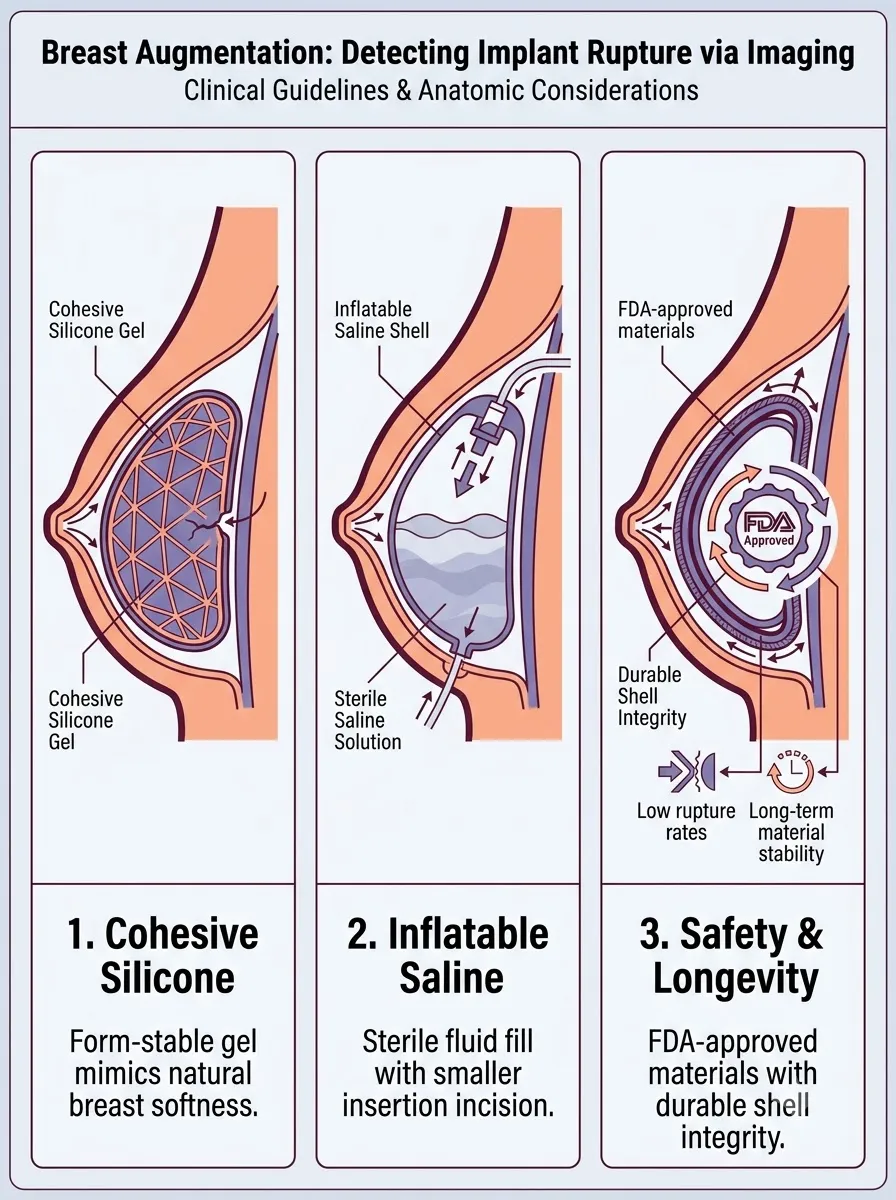
Regular screenings help doctors check your implant integrity. This means they make sure your implant is whole and working right.
A silicone leak or rupture can happen without any pain. Doctors call this a silent rupture.
Mammogram detection is often the first screening step. It can find an extracapsular rupture90032-3) (“extracapsular rupture can often be identified mammographically”).
This happens when silicone leaks past the scar tissue shell. But mammograms struggle to find intracapsular ruptures90032-3) (“intracapsular ruptures usually are not identified mammographically”). This is because the inner structure is hard to see.
Your doctor may suggest an MRI if other tests are not clear. An MRI is the most sensitive3 way to find leaks.
It is very accurate. However, doctors usually use it for patients with symptoms rather than for basic checks.
Breastfeeding and Lactation After Breast Augmentation
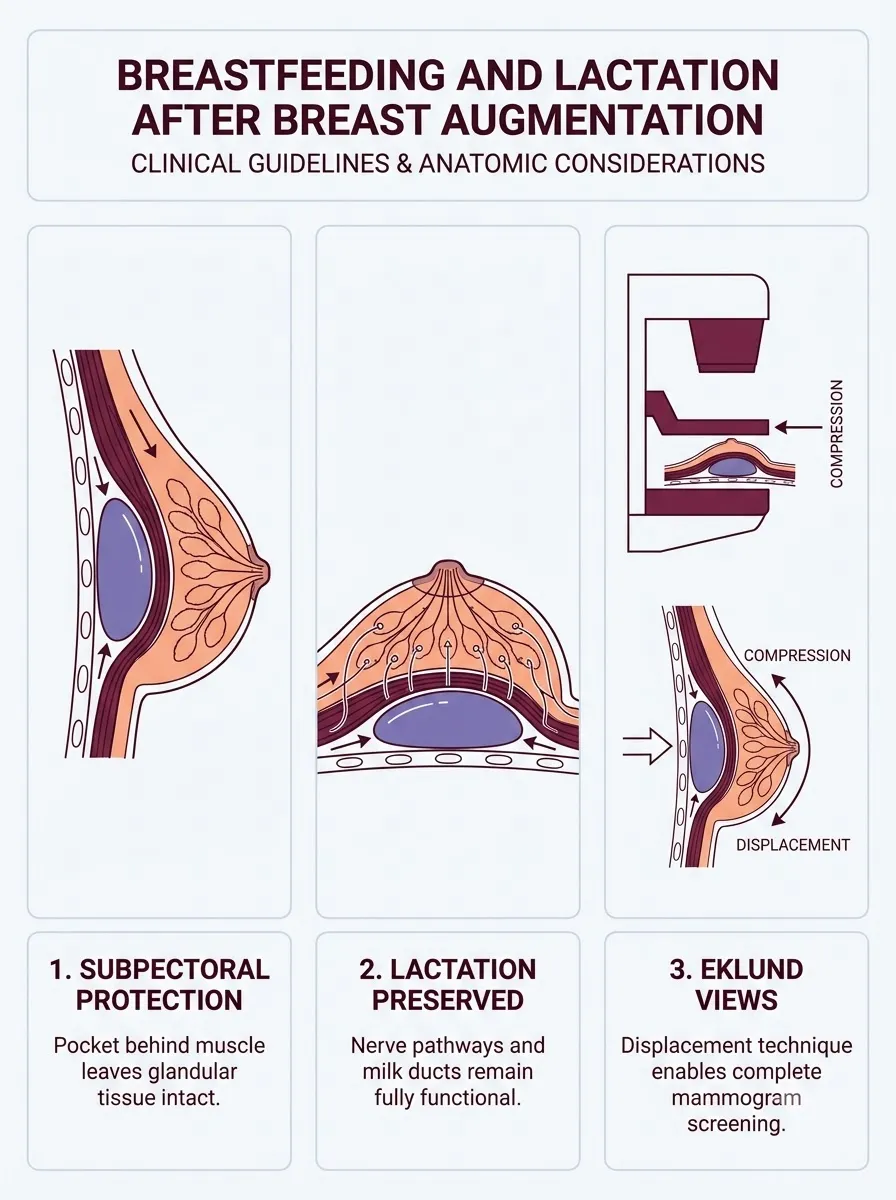
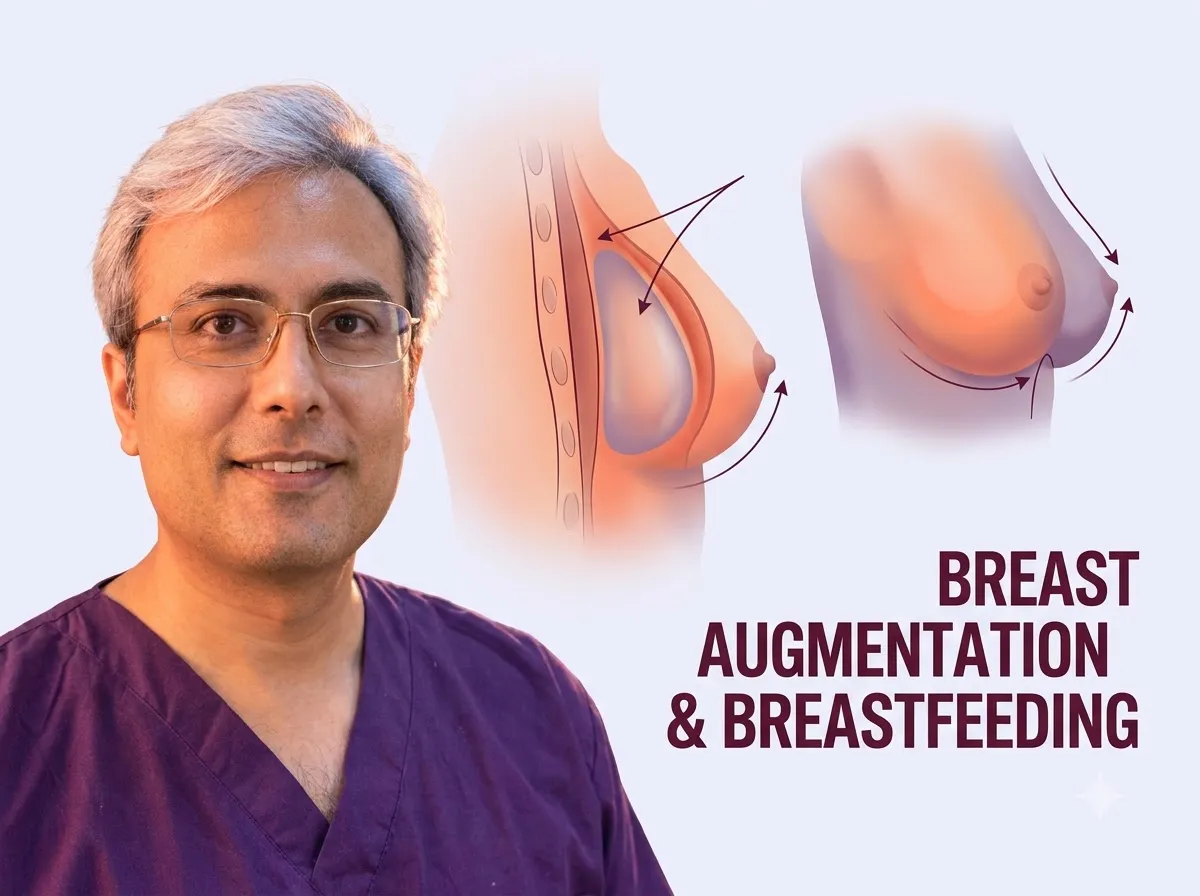
Most women can still nurse their children after surgery. Your ability to make milk depends on ductal integrity. This means your milk ducts stay open and healthy.
These small tubes carry milk from the glands to the nipple. How your surgeon handles implant placement affects your comfort.
Some women find that implants do not affect breastfeeding and pregnancy at all. However, rare issues like “blockage of mammary ducts” blockage of mammary ducts4 can cause engorgement. This happens when breasts feel too full and tight.
In most cases, lactation (making milk) happens normally. Your body still responds to hormones after pregnancy. Your surgeon will protect your natural anatomy to help you reach your goals for motherhood.
Preserving Ductal Integrity: Over vs. Under the Muscle
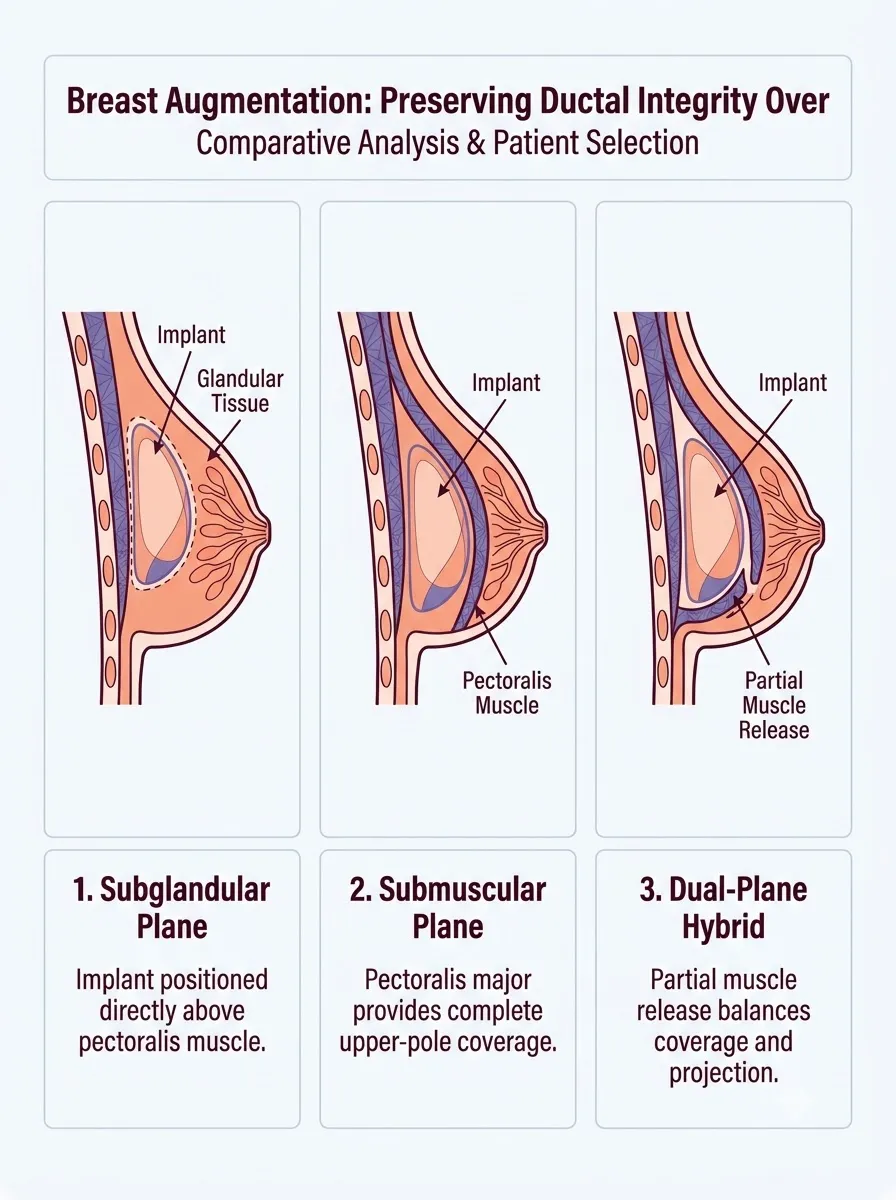
Your surgeon picks the best spot for your implant. They want to protect your natural body parts.
The main goal is to avoid milk duct blockage. This happens when the tubes that carry milk get pinched or cut.
Check out submuscular vs. subglandular placement. This helps you see how your body works while nursing.
| Placement Type | Location of Implant | Effect on Milk Ducts |
|---|---|---|
| Submuscular | Under the chest muscle | Lower risk of duct pressure; sits further from the glands. |
| Subglandular | Over the muscle, under the gland | Higher proximity to the gland; may put more pressure on ducts. |
Understanding Lactation Volume Variance

Many women worry that implants will lower their milk supply. In most cases, implants do not change how much milk you make.
Your glands still work whether you have saline implants or silicone implants.
Some women may have minor breastfeeding difficulties. These usually happen because of how the skin stretches or where the implant sits.
Surgeons pick your implant size based on your breast base widths5. This custom fit helps keep your breast tissue healthy.
Your ability to nurse depends on your health and hormones. The implants themselves do not stop you from making milk.
Most mothers find that nursing feels very similar to those who never had surgery.
Long-term Morphological Changes After Lactation
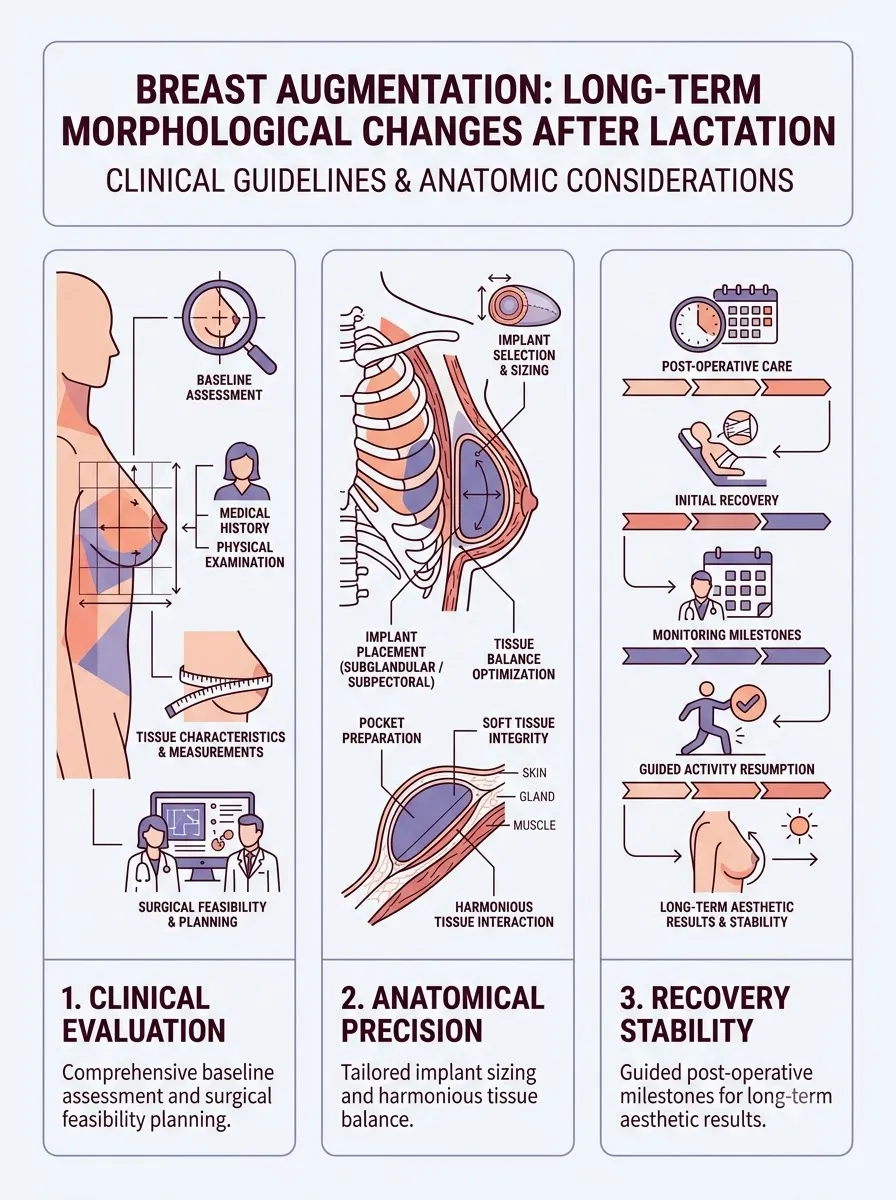
Your breasts may change shape after you stop nursing. This is called a morphological change. It is a normal part of being a mother.
Your skin and tissues stretch to hold milk. Later, they shrink back down.
Some women notice breast sagging when their milk supply stops. This happens because the skin loses some stretch.
Implants give you support inside. However, the skin on the outside may still relax. A breast lift can help you get a firmer look.
Your body needs time to find its final shape. Research shows that breast morphology6 can take months to stabilize.
Other studies on breast contour7 show that changes happen fast at first. Then, the process slows down.
Your surgeon can help you plan your next steps. They can help refresh your look after your nursing journey.
Check guidelines on ultrasound monitoring and longevity in our guide on how often breast implants need replacement.
Frequently Asked Questions
Can I safely breastfeed my baby after breast augmentation surgery?
Yes, over 90% of women successfully breastfeed after breast augmentation performed by Dr. Vishal Purohit in Jaipur, especially when implants are placed in the dual-plane position via an inframammary fold incision. This approach leaves the mammary gland, lactiferous ducts, and sensory nerves completely untouched. As an M.Ch plastic surgeon, Dr. Purohit preserves functional lactation capacity for future motherhood.
How do breast implants affect screening mammograms and cancer detection?
Implants do not prevent accurate breast cancer screening; certified radiographers use specialized ‘Eklund displacement views’ to push the implant back against the chest wall while pulling breast tissue forward, as recommended by Dr. Vishal Purohit in Jaipur. Digital 3D tomosynthesis and ultrasound further optimize imaging clarity. Dr. Purohit advises patients to inform their radiographer about implants prior to screening.
Can silicone gel from implants leak into breast milk?
Numerous independent scientific studies confirm that modern cohesive silicone gel cannot permeate the elastomer shell or enter breast milk, affirms Dr. Vishal Purohit in Jaipur. Silicone levels in breast milk of women with implants are identical to those without implants. As an M.Ch. plastic surgeon, Dr. Purohit reassures mothers that breastfeeding with US-FDA approved implants is 100% safe for infant nutrition.
Will pregnancy and breastfeeding alter the appearance of breast implants?
Pregnancy causes natural hormonal glandular enlargement followed by postpartum tissue deflation, which may stretch overlying breast skin over time, notes Dr. Vishal Purohit in Jaipur. However, the implant maintains baseline projection, and many women retain attractive shapes without secondary surgery. Dr. Purohit offers minor mastopexy touch-ups if post-pregnancy skin laxity occurs.