Over vs. Under the Muscle Breast Augmentation: Choosing the Optimal Implant Placement
When planning your breast augmentation, you must decide where to put the implant. You have two main choices.
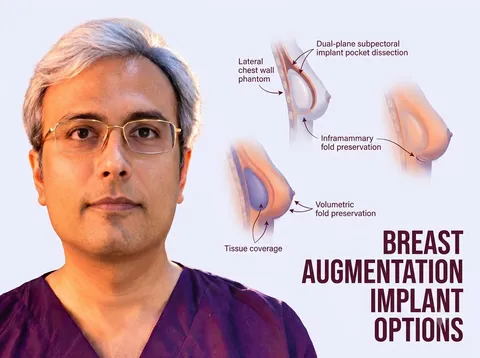
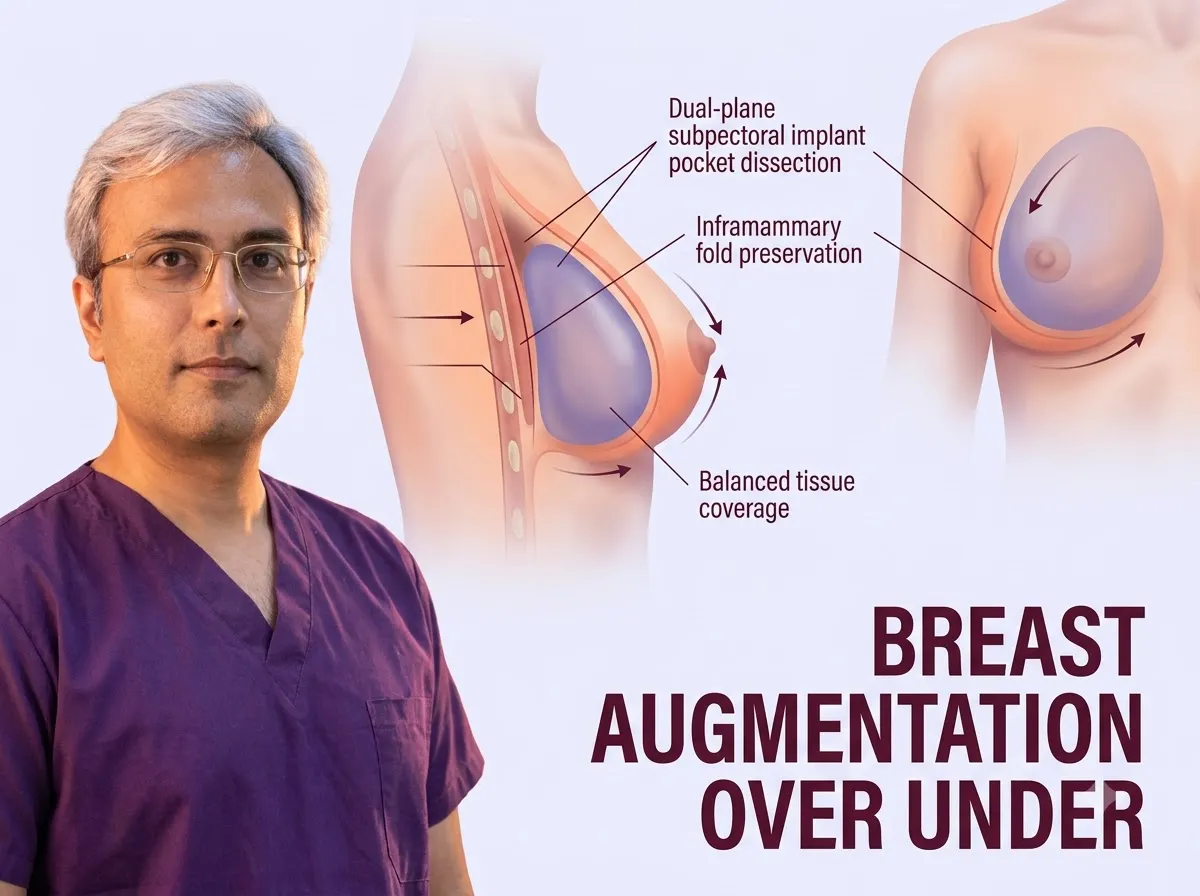
First is “over the muscle” placement. This puts the implant right behind your breast tissue.
Second is “under the muscle” placement. This tucks the implant under your chest muscle.
Both ways work well. Under the muscle often hides the implant better. Over the muscle may help you heal faster.
The right choice depends on your body. Your surgeon will look at your breast tissue and chest shape.
Whether you want more volume or a new shape, the goal is a natural look. We want results that match your personal goals.
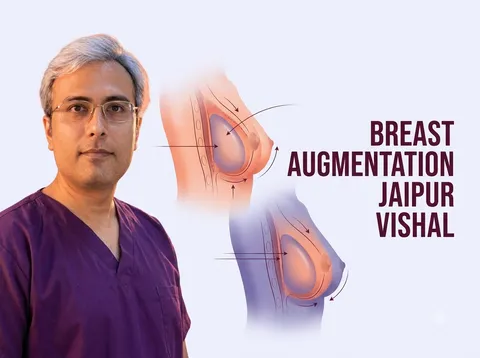
A balanced look requires a personal plan for breast augmentation in Jaipur. We customize the surgery to fit your body.
By focusing on your needs, we keep your journey safe. We want you to feel confident and happy.
Comparing Placement Depth: Subglandular vs. Submuscular
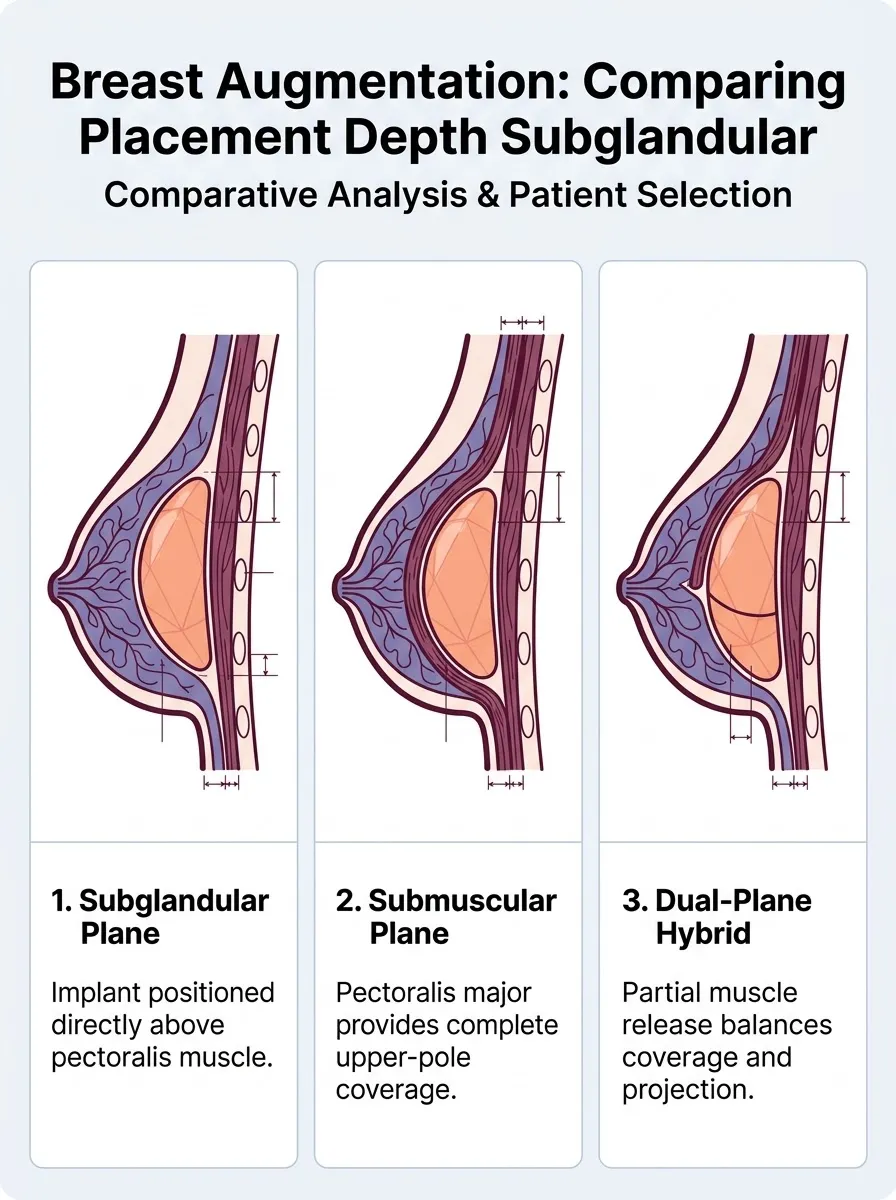
Placement Depth is where your implant sits in your chest. Your surgeon picks the best spot for your body.
| Feature | Subglandular (Over the Muscle) | Submuscular (Under the Muscle) |
|---|---|---|
| Location | It sits right behind your breast tissue. | It is tucked under the chest muscle. |
| Tissue Need | This works if you have enough breast tissue thickness. | This is for patients with a “pinch test result of less than 2 cm1” (“the implant was placed in the subpectoral plane”). |
| Feel | You recover faster. The implant is closer to your skin. | It offers “less palpability of the implant edges” (“less palpability of the implant edges”). |
| Position | This often creates a “greater2” (“distance was greater with subglandular pocket placement”) nipple-to-fold distance. | This is better for hiding the implant and lowering risk. |
Anatomical Suitability: Which Placement is Right for Your Body Type?
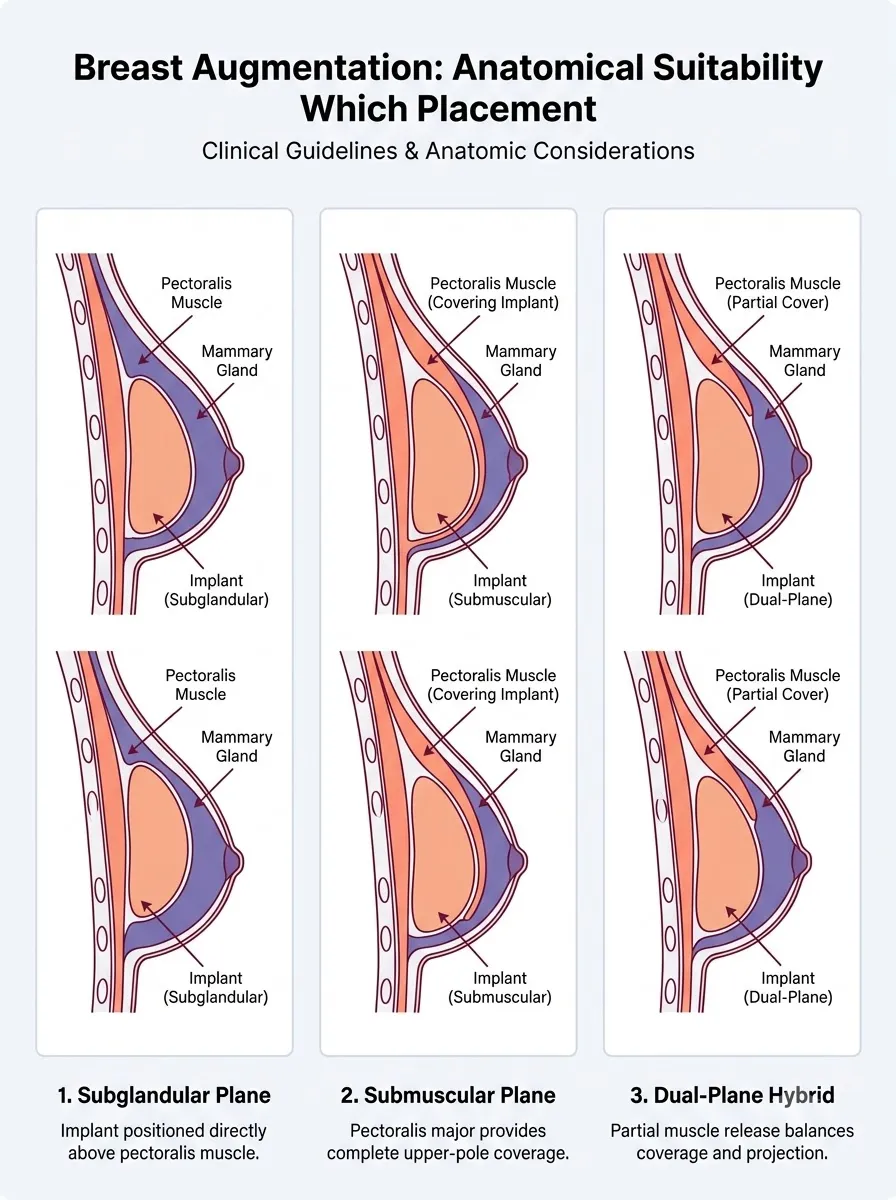
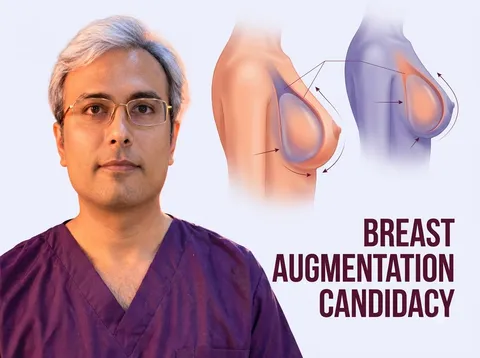
Your surgeon begins with a clinical evaluation. This is a physical check of your Anatomical Suitability. They want to see how your body shape fits certain surgeries.
They will measure your breast tissue. They also measure the base width of your chest.
These numbers help them see if you are a good candidate for certain placements. They calculate the base width of the breast3 to find the right implant size.
Some patients may need subfascial placement. This puts the implant under the thin tissue covering the muscle. It is a middle option between the two main choices.
Your doctor will check your skin elasticity. They will also check your gland thickness to make the final choice.
Aesthetic Outcomes and Implant Visibility
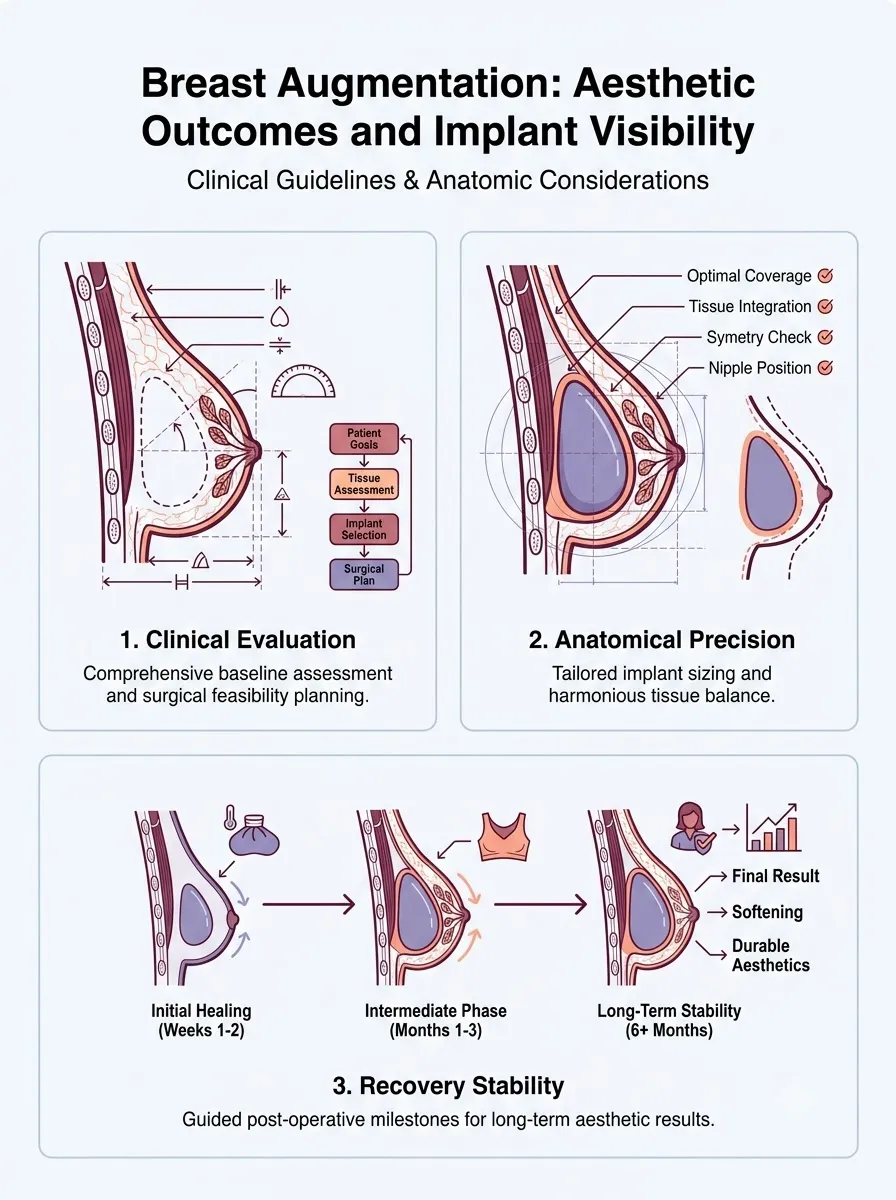
Your surgery aims for a natural look to boost your confidence. One big part of this is Implant Visibility. This is whether you can see the implant through your skin.
Sometimes, rippling can worsen4 when implants thin the skin. Moving the implant under the chest muscle can help hide these ripples.
Your surgeon also cares about palpability. This is how the implant feels when you touch it.
Picking the right setup helps you avoid the pitfalls of5 feeling the edge of the implant.
Putting the device under the muscle adds more coverage. This makes it feel softer and blend better with your body.
Clinical Risks and Long-Term Recovery
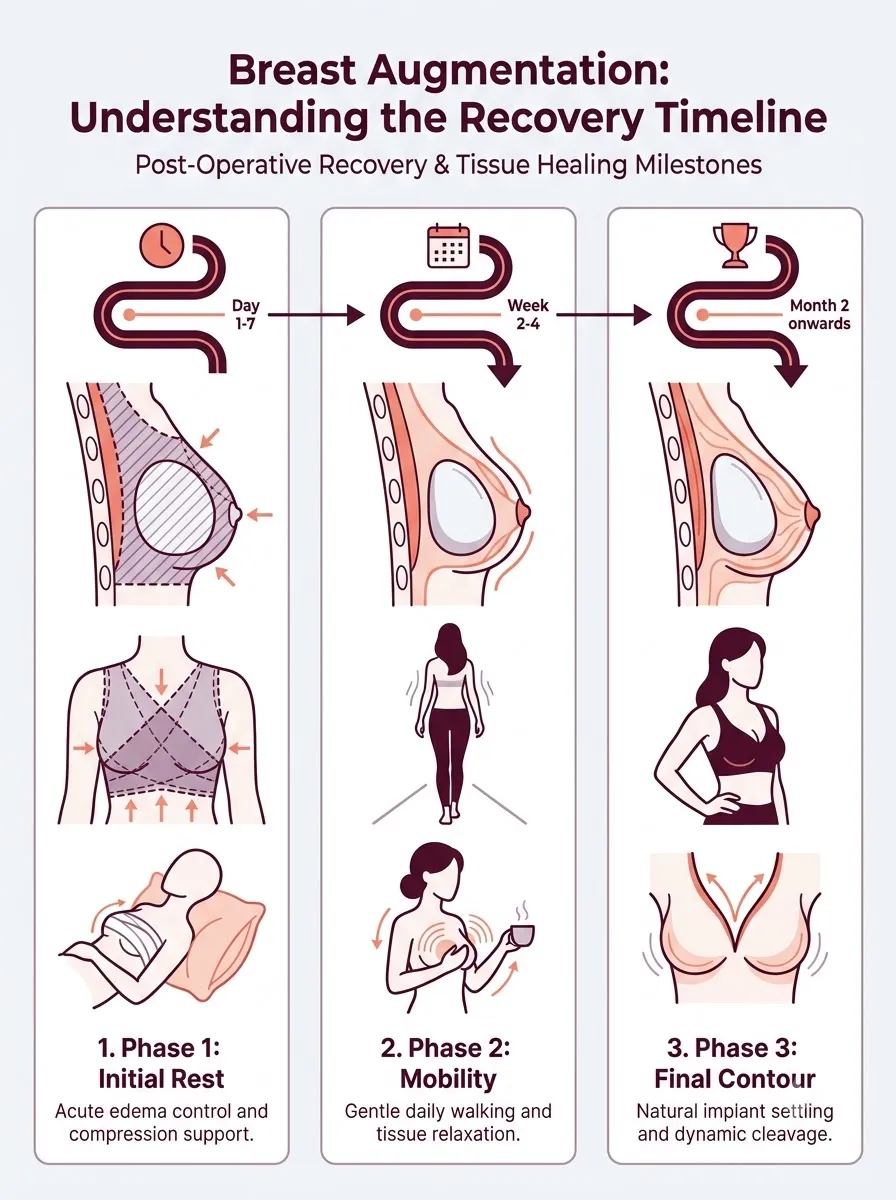
Where you place your implant affects your risks and how you heal. Here is how the two methods compare for your health and Recovery Timeline:
-
Capsular Contracture Risk: This happens when your body makes too much scar tissue around the implant. This capsular contracture6 can make breasts feel hard or look odd. Studies show this happens more with subglandular implants (“Factors associated with the development of capsular contracture include… implant position (higher rates with subglandular implants)”).
-
Muscle Healing and Soreness: Implants under the muscle may cause more pain at first. This happens because the surgeon must move your chest muscle. You will likely need a special postoperative care plan to handle this tightness.
-
Long-Term Tissue Health: Too much scar tissue can press on your breast over time. This pressure it exerts on the breast tissue (“the pressure it exerts on the breast tissue can lead to tissue necrosis”) can hurt healthy cells. Putting the implant under the muscle often lowers this risk over many years.
Evaluating Capsular Contracture Risk
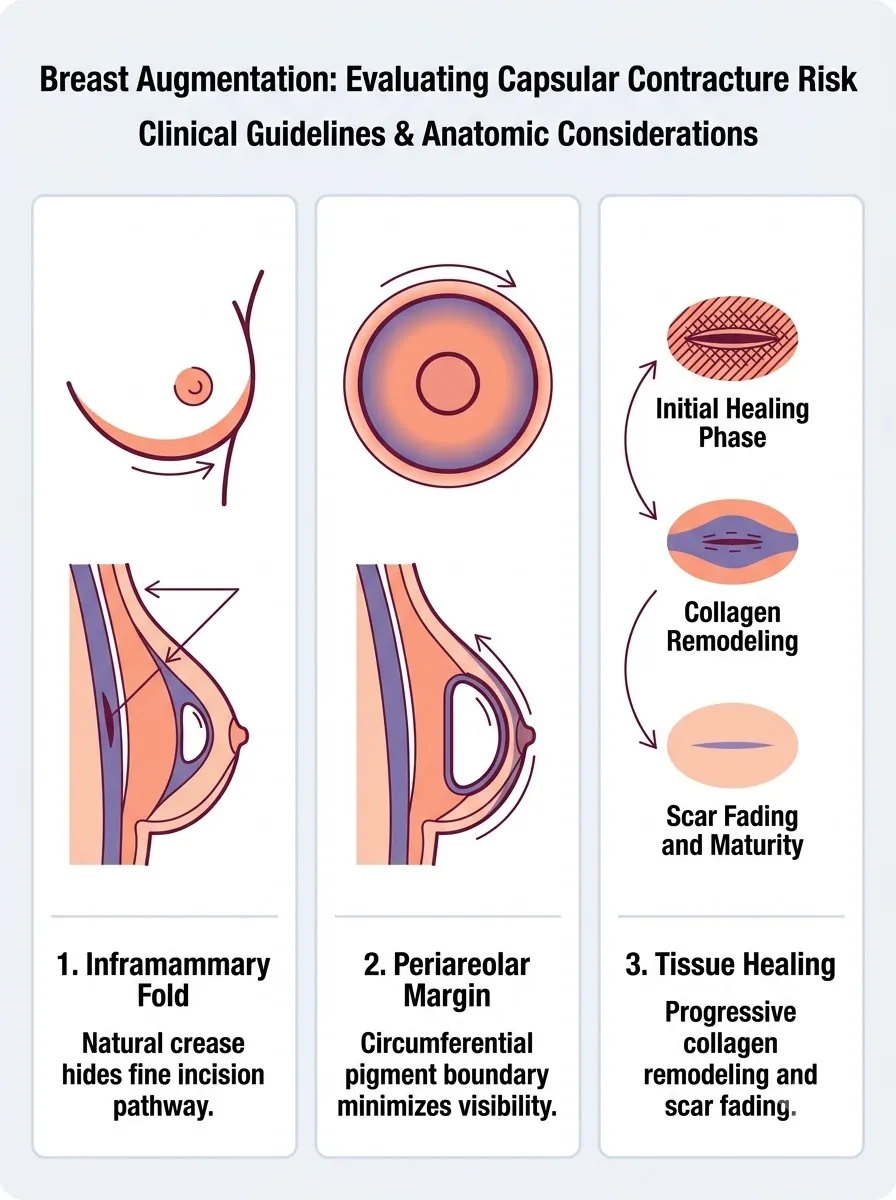
Adding muscle coverage changes how your body reacts to an implant. The chest muscle acts as a shield.
It helps control how scars form (“a patient-specific propensity for scar, and thus capsule, formation”). This layer can stop the implant from feeling hard.
Your own history with scarring also matters. Some people have a higher propensity for hypertrophic scarring7.
This can lead to more tightness. To learn more, read about Understanding Capsular Contracture.
Understanding the Recovery Timeline
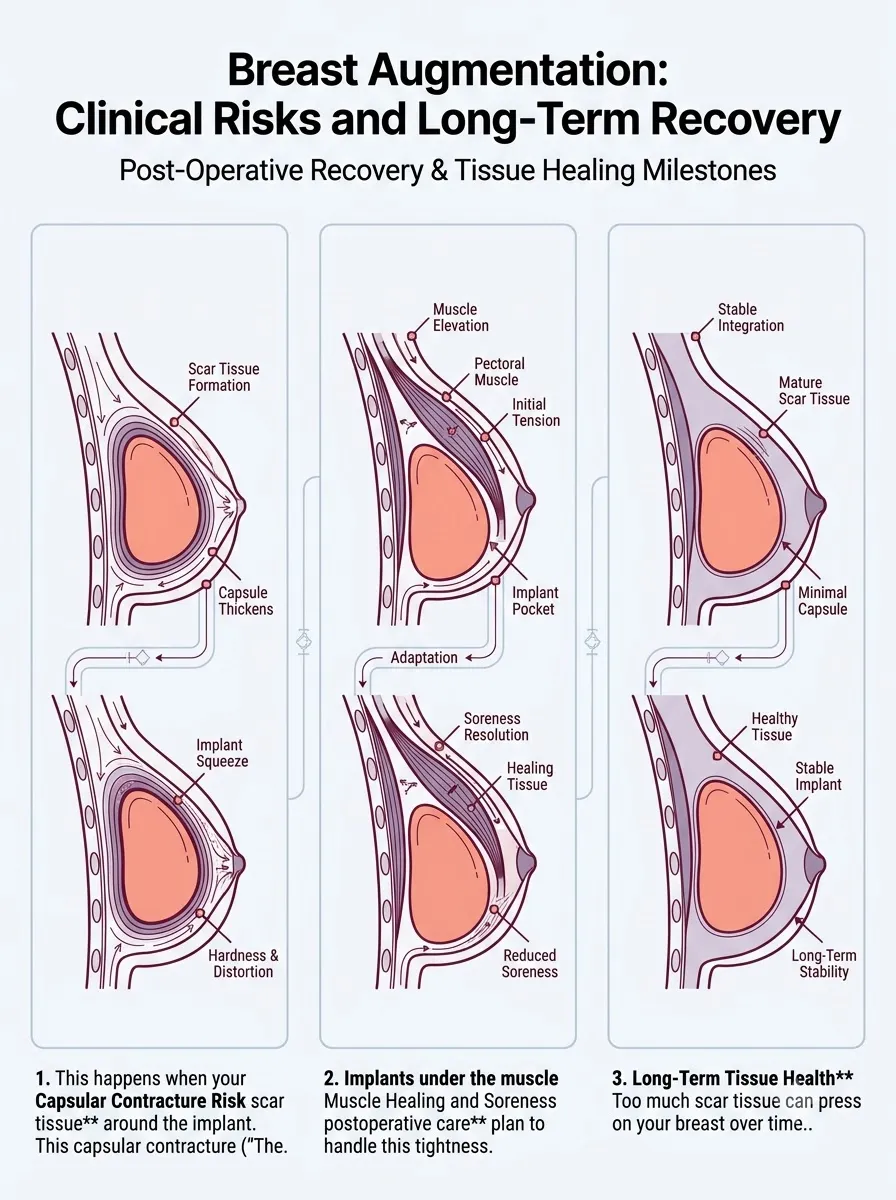
Your healing time depends on where your implant goes. If it is above the muscle, your chest may feel less sore at first.
This often lets you have a faster return to work, especially for desk jobs.
Submuscular recovery takes longer because the chest muscle needs to heal. You will likely feel more tightness and stiffness for the first two weeks.
Follow your specific recovery timeline after breast augmentation to regain your confidence safely.
Neurological Considerations: Sensation and Nerve Alteration
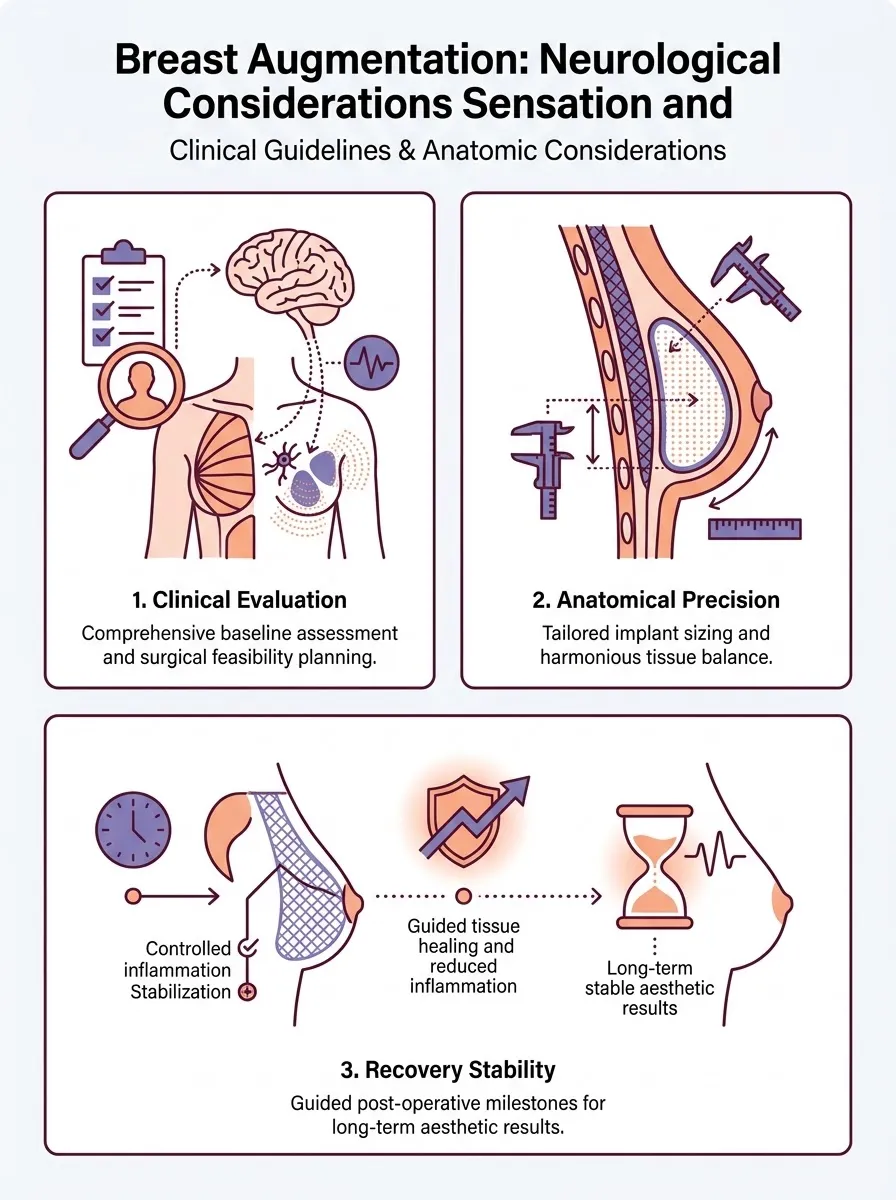
Many patients worry about how implants affect feeling. Sensation alteration happens if nerves are stretched or pressed during surgery. This often impacts nipple sensation8.
Where the implant goes changes the risk of nerve compression. Placing implants above the muscle can be riskier. This is because the main nerve “pierces the pectoral fascia to enter the substance of the breast” subglandular placement (“making it vulnerable during a subglandular dissection”).
Putting the implant under the muscle protects these nerves. However, every body is unique.
These nerve paths are also important in reconstructive surgery (“the anterior branch of the fourth lateral cutaneous nerve is a ‘unique nerve’ to the nipple”). Your surgeon will use a precise technique to protect these areas.
For complete incision maturation protocols, see our guide on breast augmentation scar care and healing.
Frequently Asked Questions
What is the difference between over-the-muscle and under-the-muscle implant placement?
Over-the-muscle (subglandular) placement positions the implant directly behind the breast gland above the pectoralis muscle, whereas under-the-muscle (submuscular or dual-plane) positions the upper two-thirds beneath the muscle, performed by Dr. Vishal Purohit in Jaipur. Dual-plane placement provides superior soft-tissue coverage, prevents visible rippling, and lowers capsular contracture rates. As an M.Ch plastic surgeon, Dr. Purohit recommends dual-plane placement for 90% of patients.
Why is dual-plane submuscular placement preferred for slender women?
Slender women with thin breast tissue pinch (<2 cm) lack sufficient natural padding to conceal implant edges; dual-plane placement uses the pectoralis muscle to camouflage the upper implant border, explains Dr. Vishal Purohit in Jaipur. This eliminates artificial ‘step-off’ transitions and creates a natural sloping upper pole. Dr. Purohit tailors muscle release to ensure dynamic, natural cleavage.
Does placing the implant under the muscle cause more initial pain?
Submuscular dual-plane placement involves mild-to-moderate muscular tightness for the first 3 to 5 days as the pectoralis muscle stretches over the implant, managed with muscle relaxants by Dr. Vishal Purohit in Jaipur. Subglandular placement has slightly less initial tightness but higher long-term risks of rippling and sagging. As an M.Ch. plastic surgeon, Dr. Purohit prioritizes lifetime aesthetic safety over brief initial discomfort.
Does submuscular placement prevent interference with mammograms?
Yes, dual-plane under-the-muscle placement keeps the implant behind the major muscle barrier, leaving the entire breast gland accessible for screening mammography and ultrasound with Dr. Vishal Purohit in Jaipur. It also dramatically lowers capsular contracture risks to under 1.5%. Dr. Purohit reviews anatomical placement drawings during your pre-operative consultation at Kalpana Aesthetics.