What Will My Breasts Feel Like After Breast Augmentation? A Comprehensive Guide to Sensation and Texture
Many people wonder if their breasts will feel “natural” after surgery. The answer depends on your implant choice, where it is placed, and how you heal.
The goal is always a soft, balanced look that fits your body. Most patients get a natural feel that boosts their confidence.
This balance takes both art and surgical skill. Dr. Vishal Purohit is an expert plastic surgeon. He tailors every surgery to your unique body.
He makes sure the results match your personal goals. Whether you want a small lift or a big change, you need a pro. Choosing breast augmentation in Jaipur ensures you are in safe hands.
It helps to understand how your breasts will move and feel. This guide explains how different implants work. You will learn what to expect during and after your recovery.
Tactile Consistency: Will My Breasts Feel Natural or Hard?
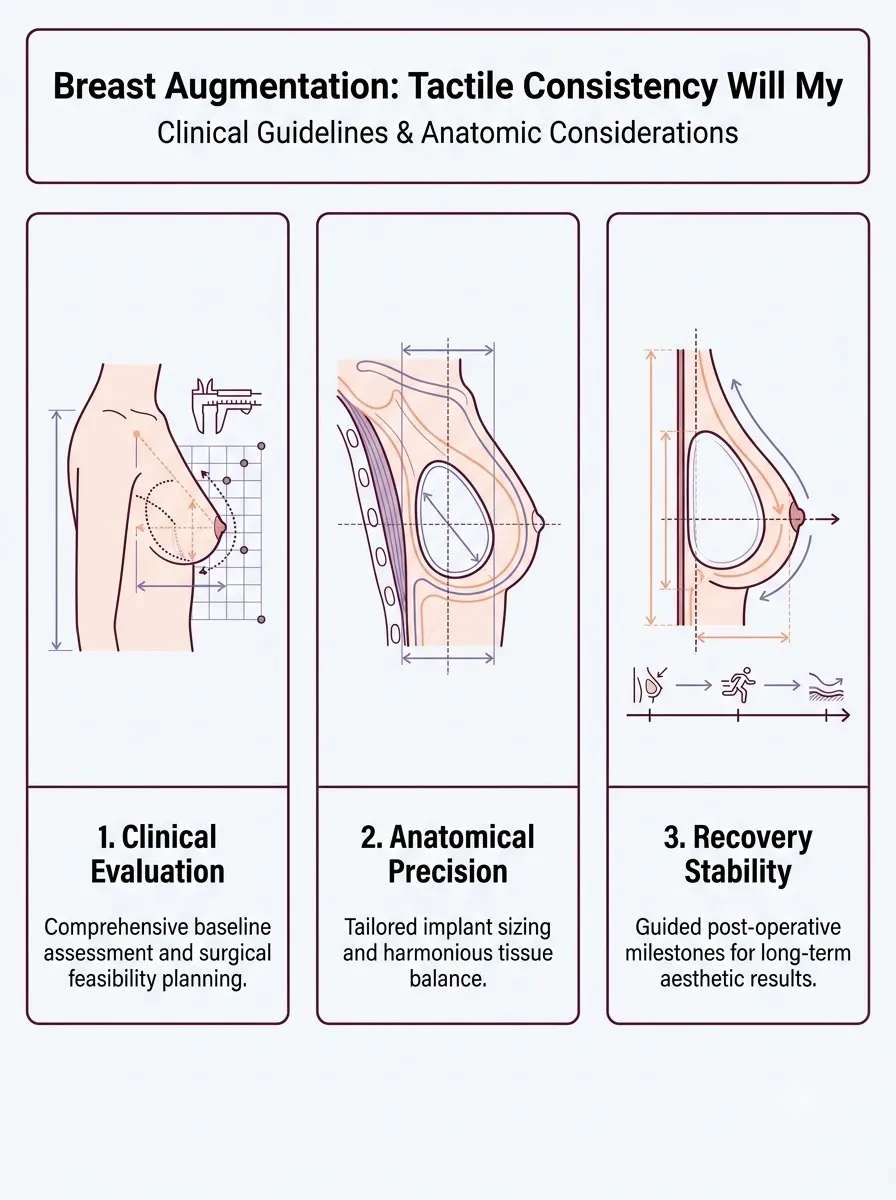
The tactile feel of your breasts depends on how the implant blends with your natural breast tissue. Your own tissue acts like a soft cushion over the device.
This cushion helps the breast feel like a part of your body. It stops it from feeling like a foreign object.
Implant consistency changes based on the material you choose. For example, saline vs. silicone have different textures.
Modern silicone implants often use a cohesive gel. This thick, sticky gel holds its shape. It feels very similar to natural fat.
Your body also heals around the implant over time. You will have swelling at first, but the long-term feel is usually soft.
Research shows that breast sensation (“both pressure and vibration sense”) may be lower at first. This feeling often returns to normal by six months. This process helps the breast feel more natural.
Nipple and Areolar Sensation: Understanding Nerve Recovery
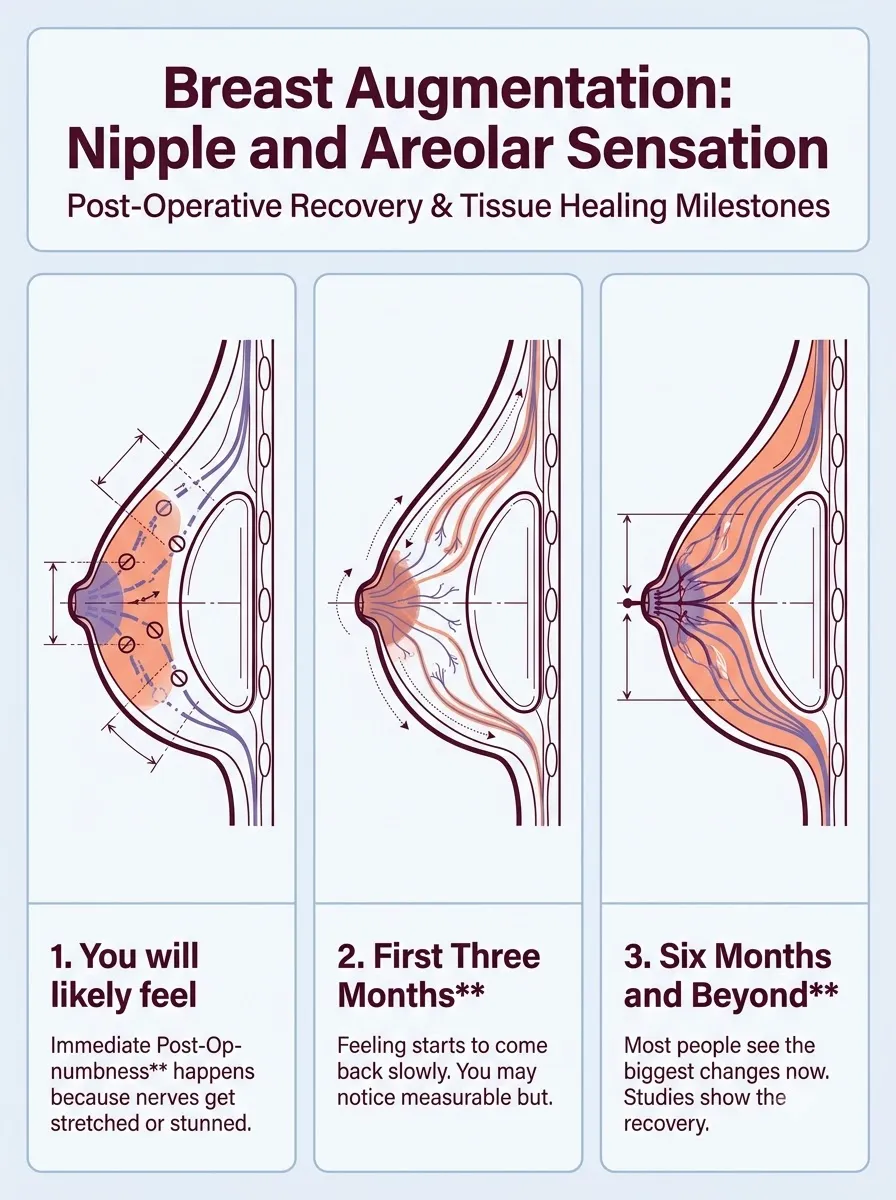
It is normal to worry about how your nipples will feel after surgery. Your surgeon uses nerve preservation to protect the tiny fibers that give you feeling.
Still, you may notice some changes in feeling while you heal.
Here is the sensory recovery timeline for the nipple-areolar complex:
- Immediate Post-Op: You will likely feel a significant loss of sensation1 no matter the surgery type. This numbness happens because nerves get stretched or stunned.
- First Three Months: Feeling starts to come back slowly. You may notice measurable but improving deficits2 during this time. This stage sets the baseline for your healing.
- Six Months and Beyond: Most people see the biggest changes now. Studies show the recovery of sensation (“recovery of sensation was also consistent with previous reports of 6 months or longer”) usually takes six months or more.
- Long-Term Healing: In some cases, improvement in sensation (“some improvement in sensation continues past 6 months”) can continue long after the first six months.
You might also feel hypersensitivity. This is when the area feels tingly or too sensitive.
It is a sign that your nerves are waking up. Usually, your feeling will return to a level that feels natural.
Implant Movement and Dynamics: How Your Breasts Behave
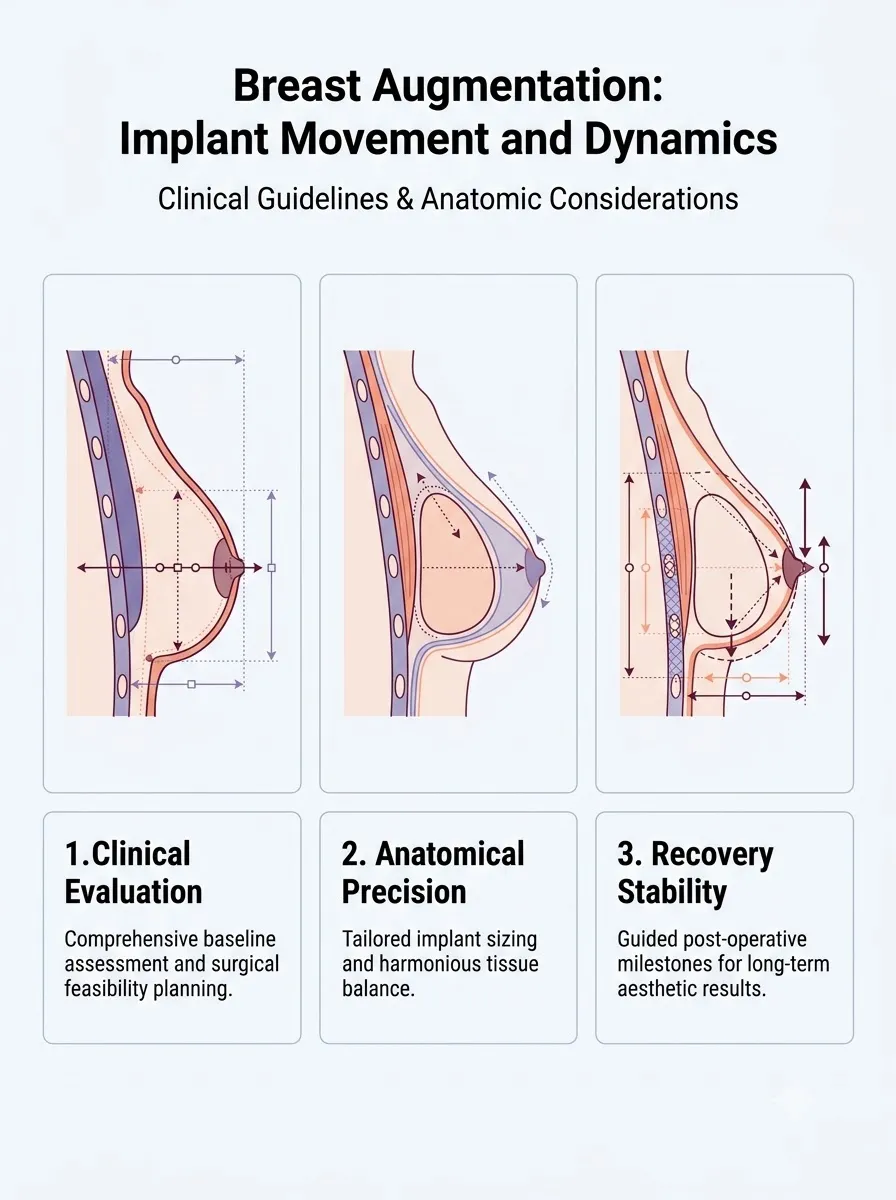
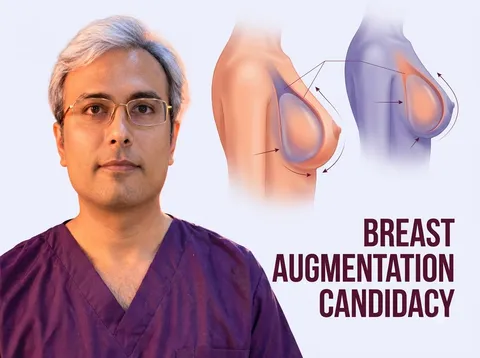
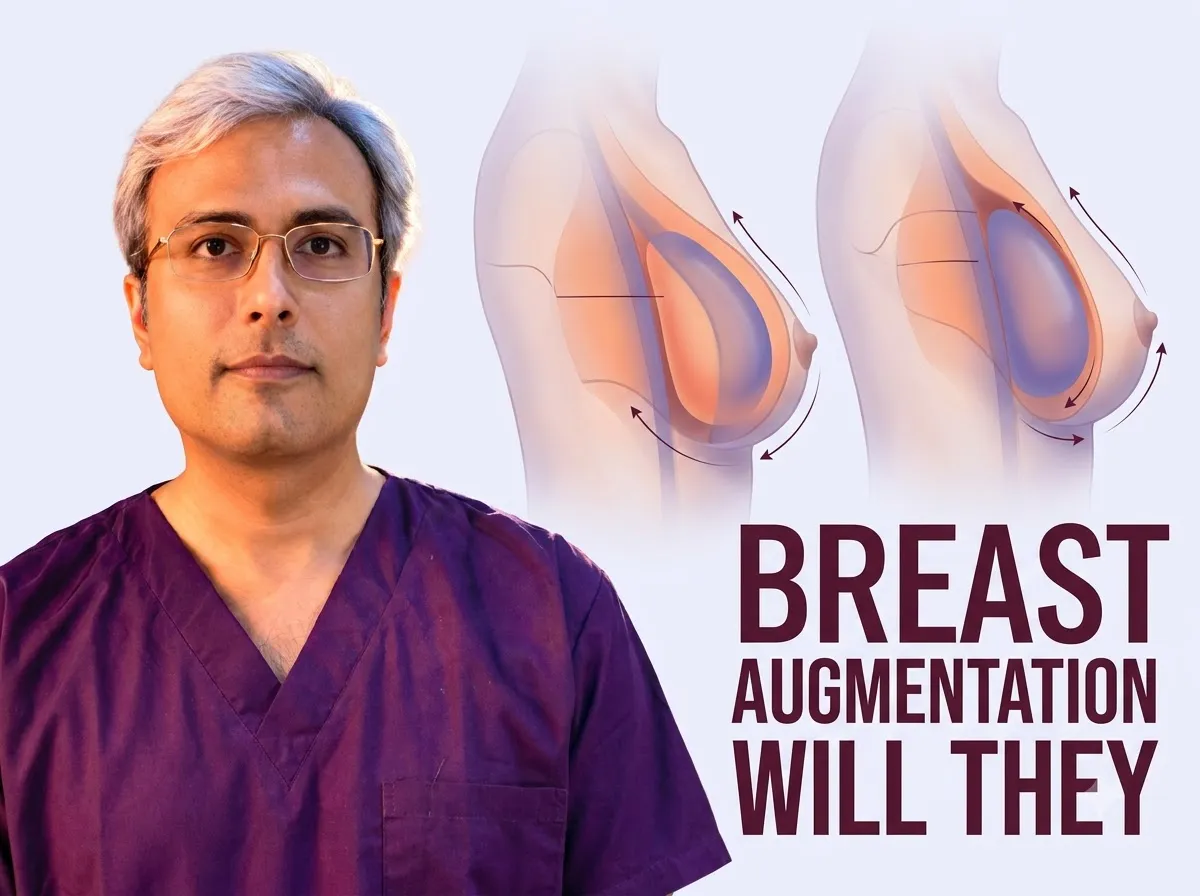
Your breasts will not stay in one fixed spot. They have dynamic movement. This means they shift as you move your body.
When you walk or dance, you will still feel a natural sway (“implant-soft-tissue dynamics”). This feels organic. It is not a static feel, where the breast feels like a hard, still object.
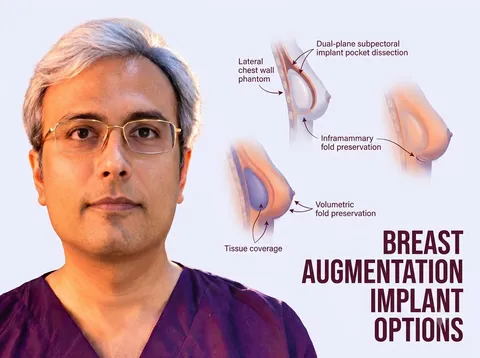
Movement depends on your surgical pocket. This is the space your surgeon makes to hold the implant.
The implant-soft-tissue dynamics (“interaction of the implant with adjacent tissues”) are different for everyone. Your surgeon adjusts the pocket to fit your body. This ensures your breasts look and feel right for you.
You will also notice breast displacement. This is how your breasts shift when you change positions.
For example, your breasts will move toward your sides when you lie on your back. This shows the implant is well-integrated with your body. Your soft tissue dynamics (“how soft tissue dynamics will be affected”) help the implants act like natural tissue.
The Impact of Surgical Placement on Tissue-to-Implant Integration
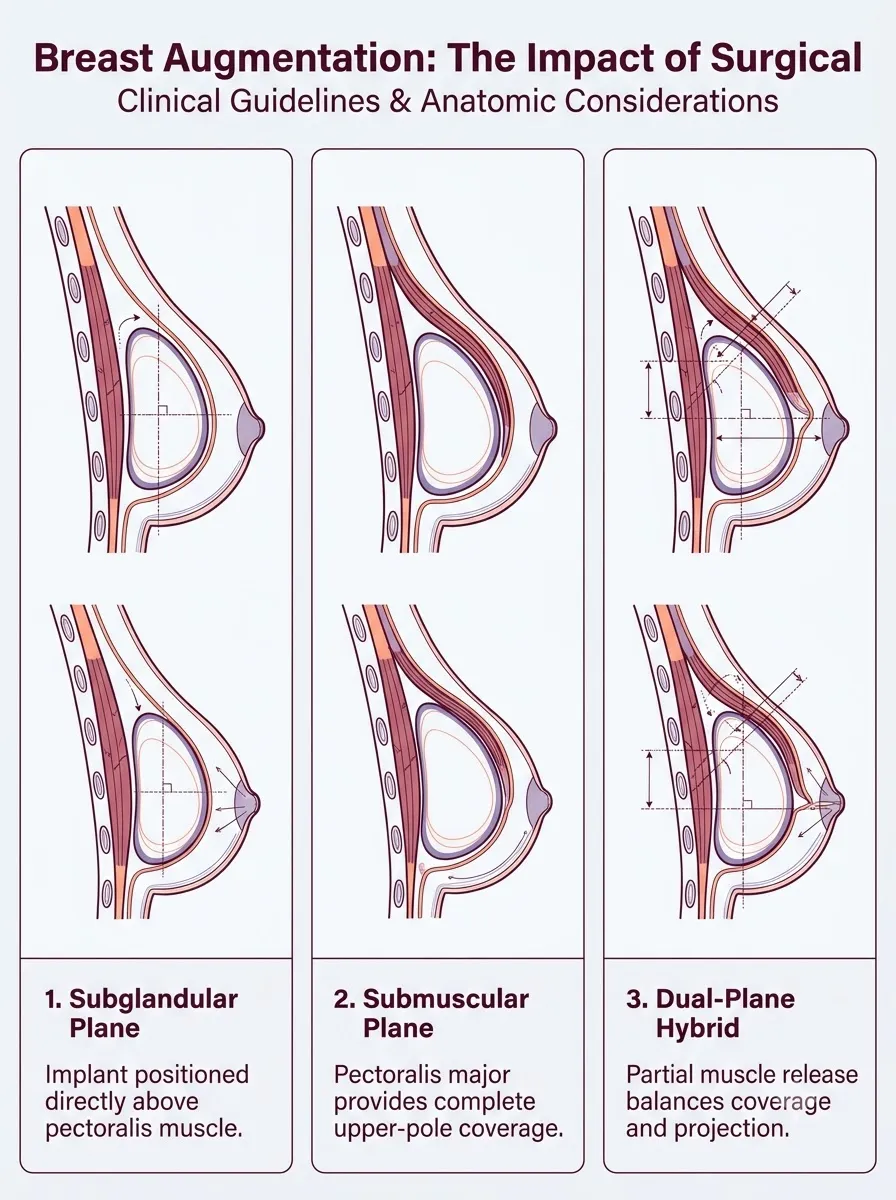
Where your surgeon puts the implant changes how your breasts feel. Your choice between submuscular vs. subglandular placement depends on your body and skin thickness.
This table shows how these two options affect the softness of your results:
| Feature | Submuscular Placement | Subglandular Placement |
|---|---|---|
| Position | It goes under the pectoral muscle (chest muscle). | It goes directly under the breast gland. |
| Feel of Edges | It offers less palpability of the implant edges3, so they are harder to feel. | You may feel the implant edges more easily through your skin. |
| Overall Softness | The muscle acts as a thick layer for a smooth feel. | It feels softer at first since no muscle is on top. |
| Tissue Integration | It blends with the muscle for a natural slope. | It blends directly with your breast tissue. |
Identifying Abnormal Sensations: Capsular Tightness and Contracture
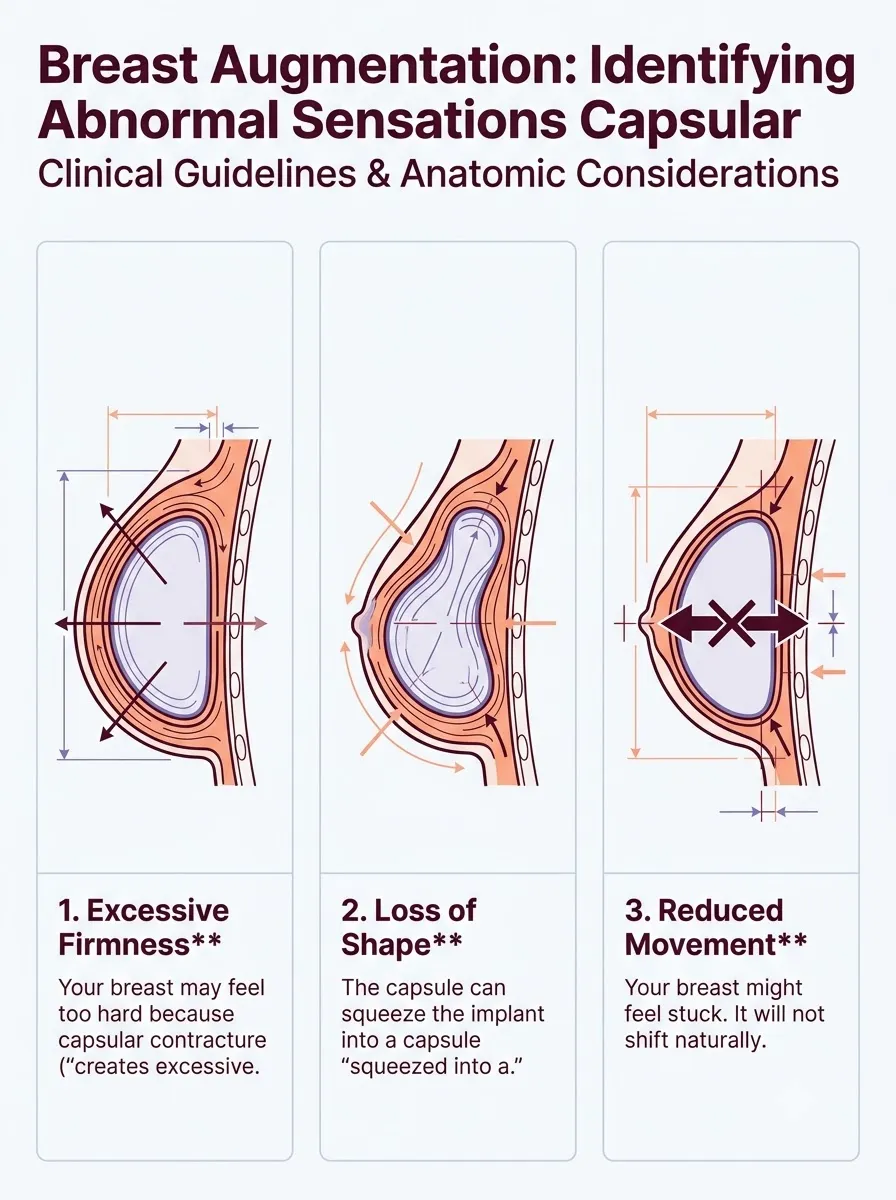
Your body naturally grows a fibrous capsule around every implant. This is a thin layer of scar tissue. It holds your implant in place.
This is normal, but some people deal with implant hardening.
Look for these signs to find abnormal sensations:
- Excessive Firmness: Your breast may feel too hard because capsular contracture (“creates excessive firmness of the breast”) occurs.
- Loss of Shape: The capsule can squeeze the implant into a “squeezed into a firm, hard immobile ball.” This causes a loss of natural contour4.
- Reduced Movement: Your breast might feel stuck. It will not shift naturally.
- Physical Discomfort: Sometimes, tightening creates painful distorted breasts5.
An M.Ch plastic surgeon uses a clinical diagnosis to find these problems. They will feel the breast to check for tension.
They make sure the surgical pocket (“adequate dissection of the surgical pocket”) is the right size. This keeps the implant soft and mobile.
Frequently Asked Questions
What will my breasts feel like to the touch after breast augmentation?
Once the initial 6 to 12 weeks of tissue swelling resolve, breasts augmented with modern cohesive silicone implants feel soft, warm, pliant, and remarkably natural to the touch, closely mimicking natural glandular tissue under Dr. Vishal Purohit’s care in Jaipur. In dual-plane placement, your own muscle and gland provide an authentic natural cushion. As an M.Ch plastic surgeon, Dr. Purohit ensures implant edges blend imperceptibly.
Will I lose nipple sensation after breast augmentation surgery?
Over 90% of patients retain normal or heightened nipple sensation after breast augmentation performed by Dr. Vishal Purohit in Jaipur, especially through inframammary fold incisions that protect lateral cutaneous nerve branches. Temporary hypesthesia (numbness) or tingling during the first 6 to 8 weeks is normal as tissue swelling resolves. Dr. Purohit uses loupe magnification dissection to preserve sensory innervation.
How do breast implants move when walking, lying down, or exercising?
Dual-plane cohesive silicone implants placed by Dr. Vishal Purohit in Jaipur move naturally with your body, gently shifting outward when lying on your back and bouncing subtly with natural motion during walking. Ergonomic implants like Motiva adapt their profile dynamically with gravity. As an M.Ch. plastic surgeon, Dr. Purohit avoids rigid, overly tight pockets that produce artificial immobility.
Why do my breasts feel firm and tight immediately after surgery?
Breasts feel firm, swollen, and tight during the first 3 to 6 weeks because the overlying skin and pectoral muscles are adapting to the new volume, and surgical edema is present, explains Dr. Vishal Purohit in Jaipur. As internal tissues stretch and implants ‘drop and fluff’ into the lower crease, breasts become progressively softer and more pliable. Dr. Purohit guides patients through this predictable settling timeline.
The goal is always a natural feel. But remember, every body heals differently.
To get a personal plan for your goals, schedule a consultation with Dr. Vishal Purohit at Kalpana Aesthetics.
If you would like to discuss your condition or book a consultation, contact Dr. Vishal Purohit in Jaipur at +91-7718183535. Our specialist team is here to guide you through every step of your care. For the full picture, explore our complete guide to breast augmentation in Jaipur or learn more about our surgical suite for breast augmentation in Jaipur.