Planning for aesthetic nasal reshaping requires an accurate understanding of the financial commitment and clinical details involved. Patients comparing options can review Rhinoplasty or Septoplasty? Appearance and Breathing Concerns to understand how cosmetic goals differ from functional airway evaluations.
A transparent written quotation ensures that individuals understand every component of their care, preventing unexpected hospital or procedural fees during postoperative recovery.
Dr. Purohit’s Price Range
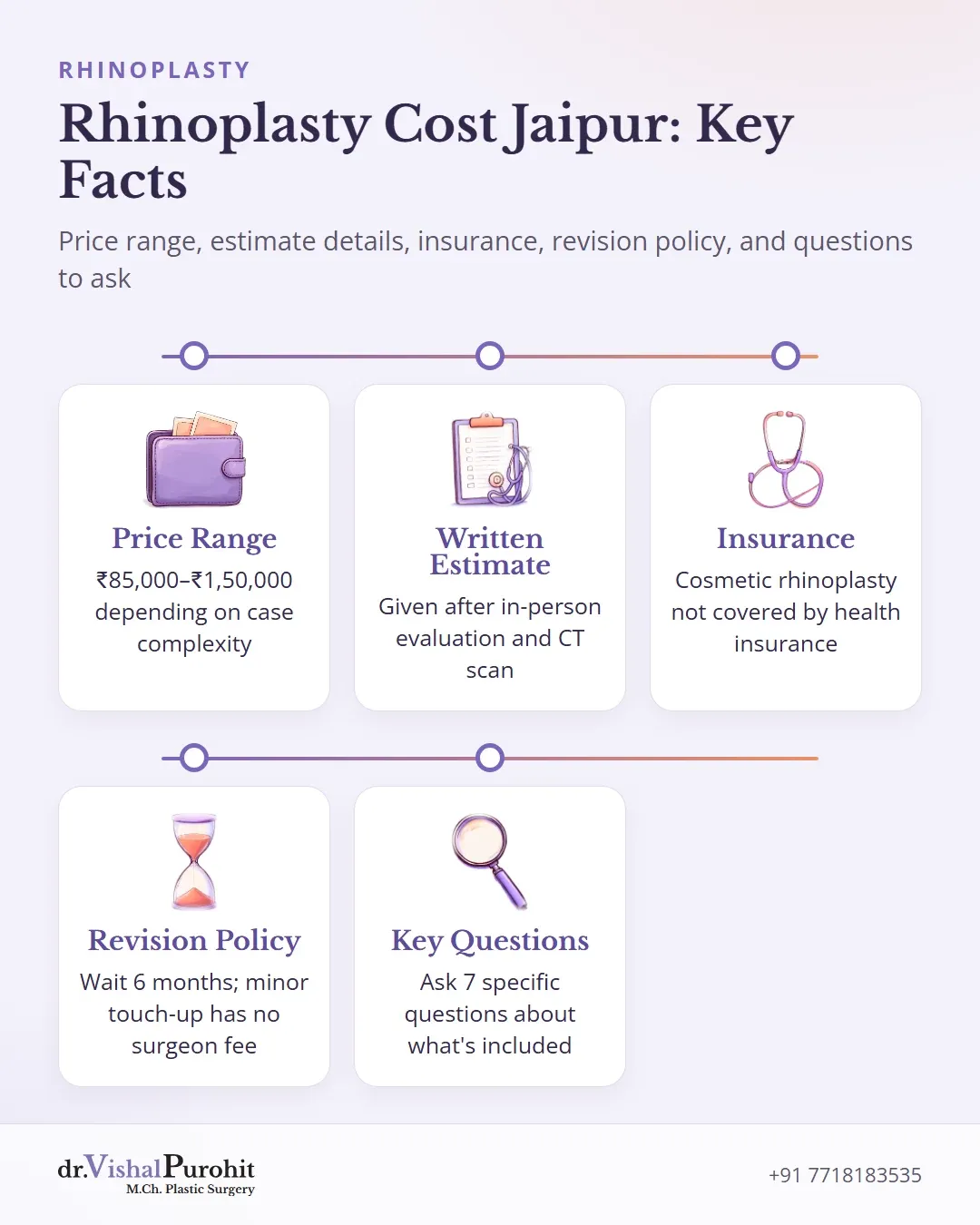
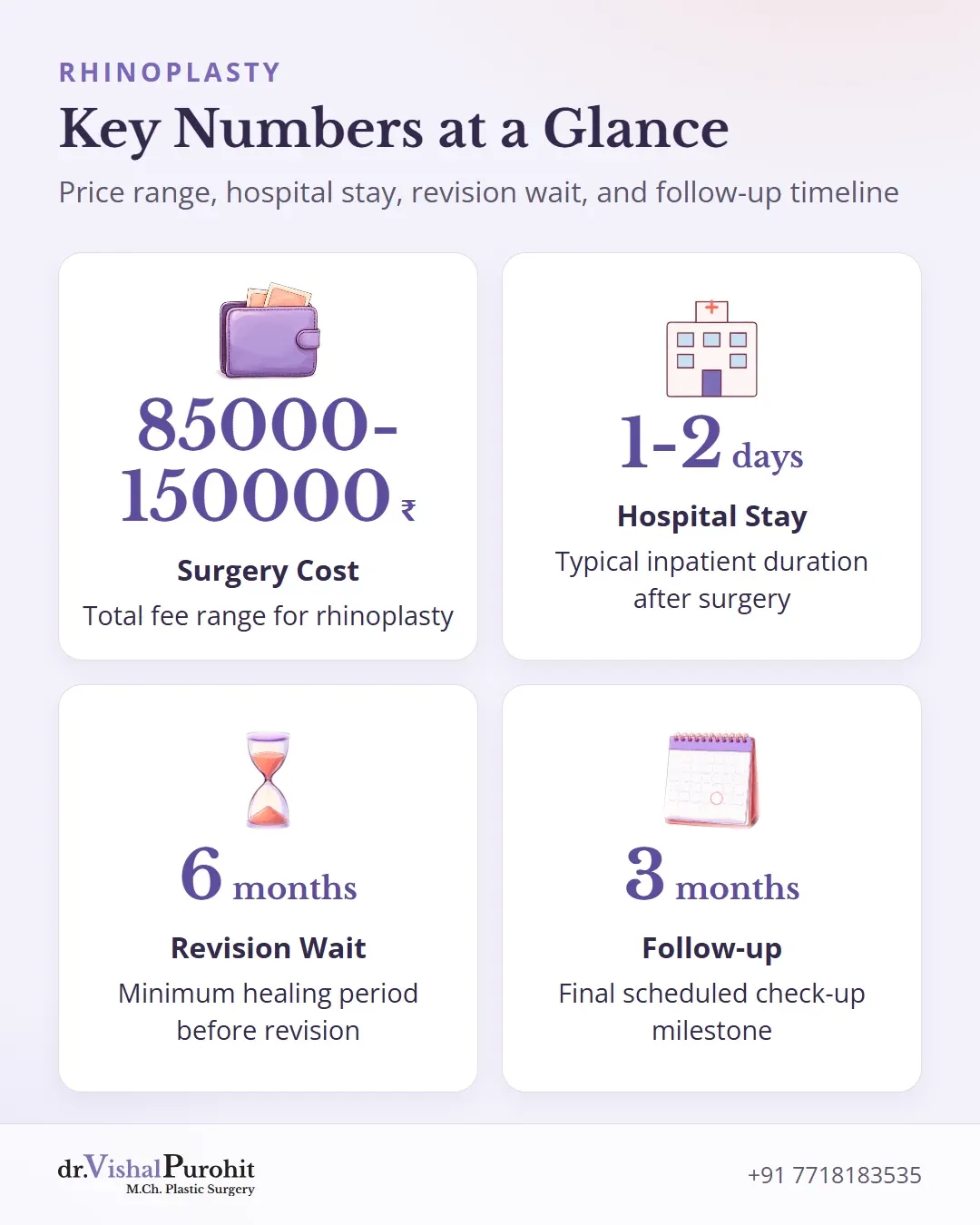
At his practice in Jaipur, Dr. Vishal Purohit charges ₹85,000 to ₹1,50,000 for rhinoplasty, depending on the case.
Because every nose presents distinct anatomical challenges, the final quotation depends on the precise surgical work required. The surgical plan may involve:
- Cosmetic reshaping of the nasal bridge, tip, or nostrils
- Correction of the nasal septum during the same procedure
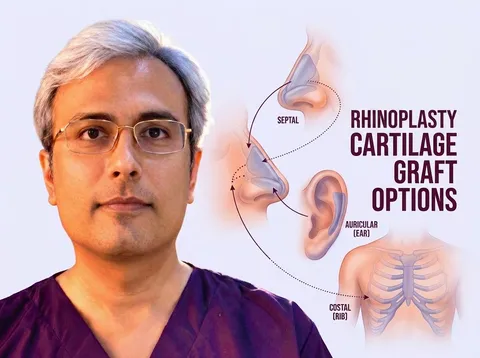
- Autologous grafting using the patient’s own septal cartilage, or rarely ear cartilage
- Secondary surgery to correct prior surgical outcomes or post-traumatic nasal deformities
Cosmetic rhinoplasty is not covered by insurance.
Dr. Purohit’s note: When planning for surgery, patients receive a clear written estimate following an in-person clinical evaluation and CT scan of the nose with 3D reconstruction, ensuring they understand their expected financial commitment before scheduling the procedure.
What Moves a Quote Within the Range
Rhinoplasty fees vary between ₹85,000 and ₹1,50,000 depending on the clinical complexity and surgical requirements of each nose. Several specific factors determine where an individual estimate falls within this range.
Key points
- Rhinoplasty fees range from ₹85,000 to ₹1,50,000 based on individual surgical complexity.
- Factors such as septal realignment, structural cartilage grafting, and revision work influence the final quote.
- Each itemised estimate accounts for operating facility resources, anaesthesia, and specific planned techniques.
Surgical Factors Influencing Cost
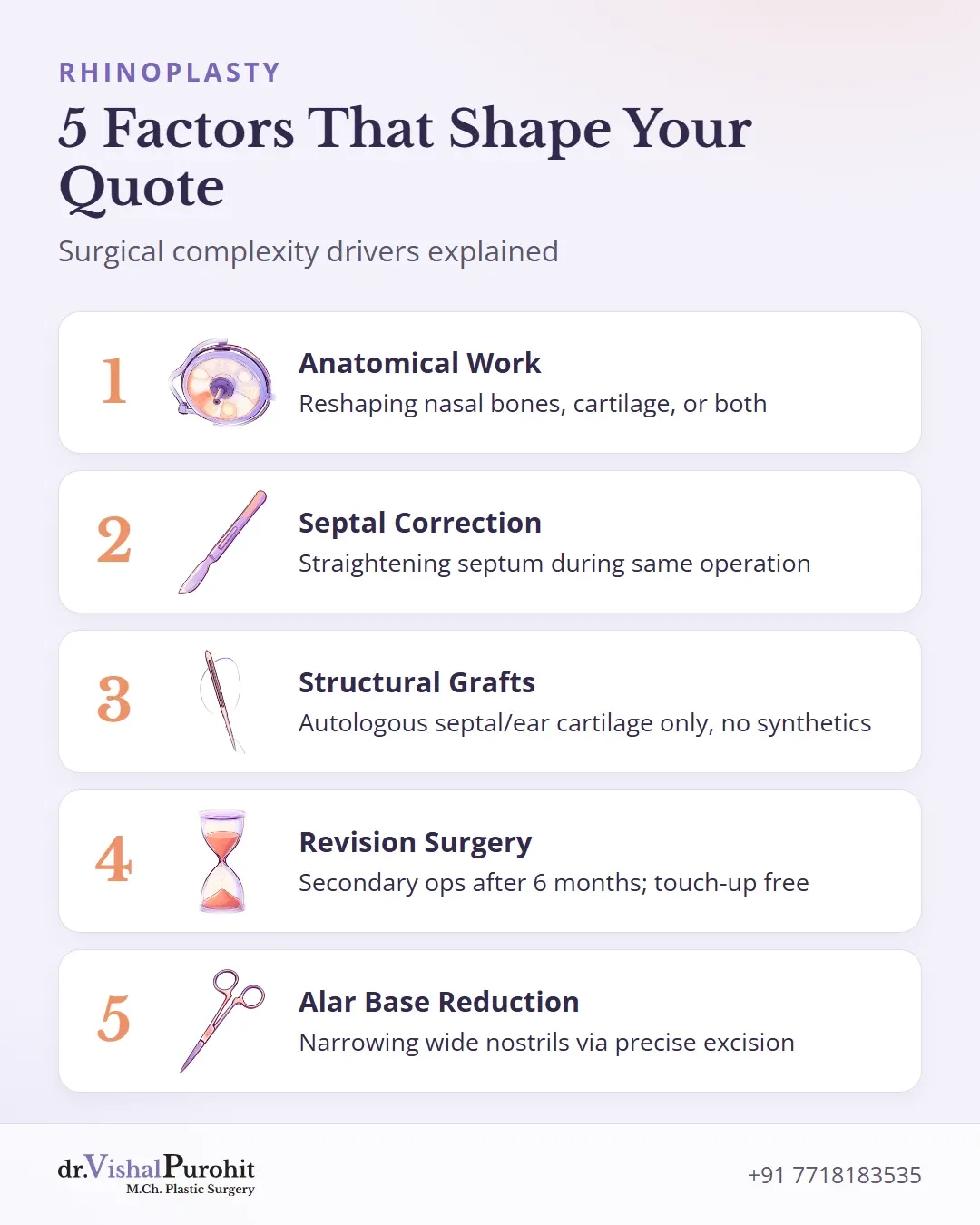
- Extent of anatomical work: The operative plan depends on whether structural changes require reshaping the nasal bones with standard osteotomes, modifying the cartilaginous framework, or adjusting both areas.
- Septal correction: When indicated, the septum is corrected during the same operation, which adds operative time and anatomical realignment.
- Structural grafts: Cartilage grafting increases surgical complexity. Dr. Purohit uses autologous septal cartilage as the first-choice graft and ear cartilage rarely. He does not use synthetic implants such as silicone, Medpor, or Gore-Tex.
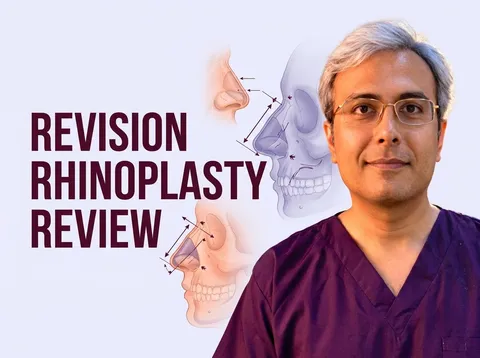
- Revision rhinoplasty: Secondary operations address altered surgical planes, scarring, or depleted native cartilage12. A second operation is considered only after waiting at least 6 months; minor touch-ups under local anaesthesia carry no surgeon fee.
- Alar base reduction: Narrowing wide nostrils involves precise tissue excision with an incision placed along the nostril-cheek crease.
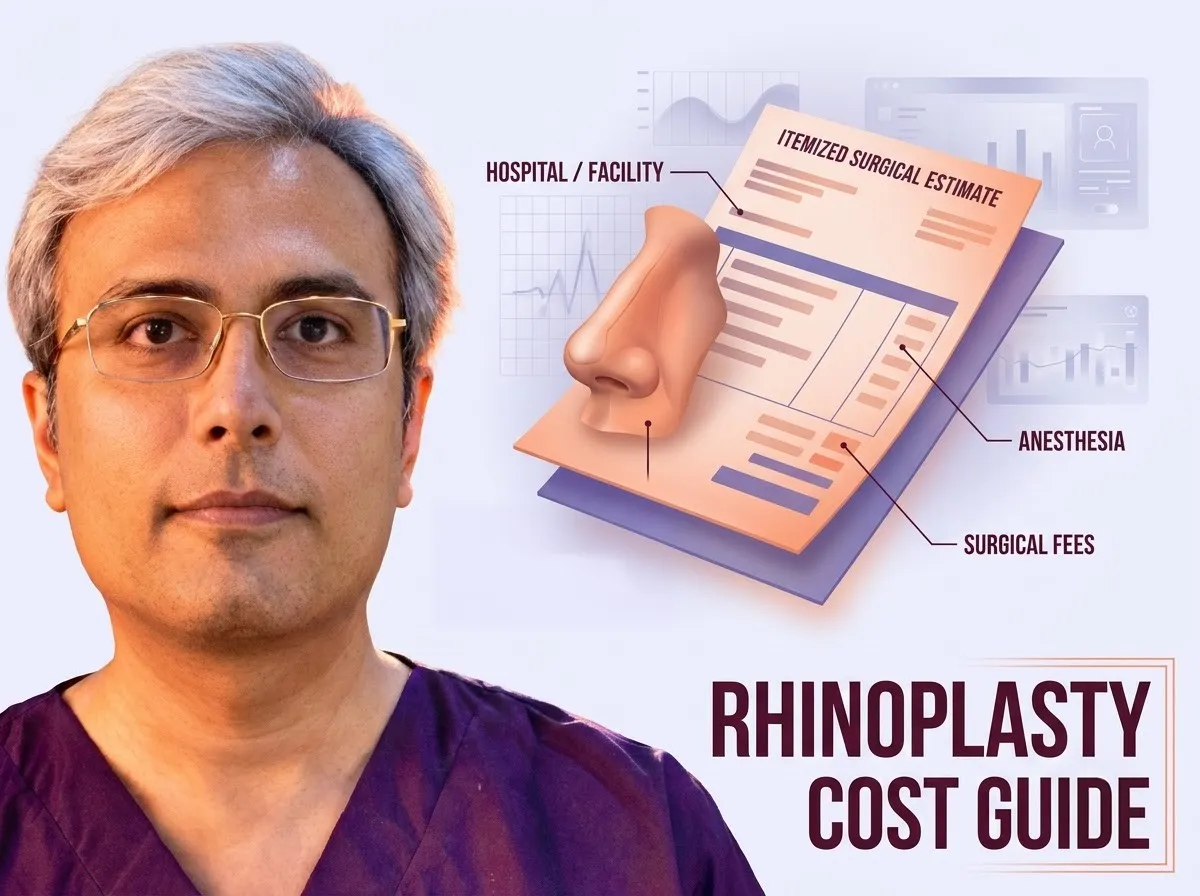
An itemised surgical estimate reflects the operating facility resources, general anaesthesia administration, and specific techniques planned for the procedure34.
Questions to Ask About the Estimate
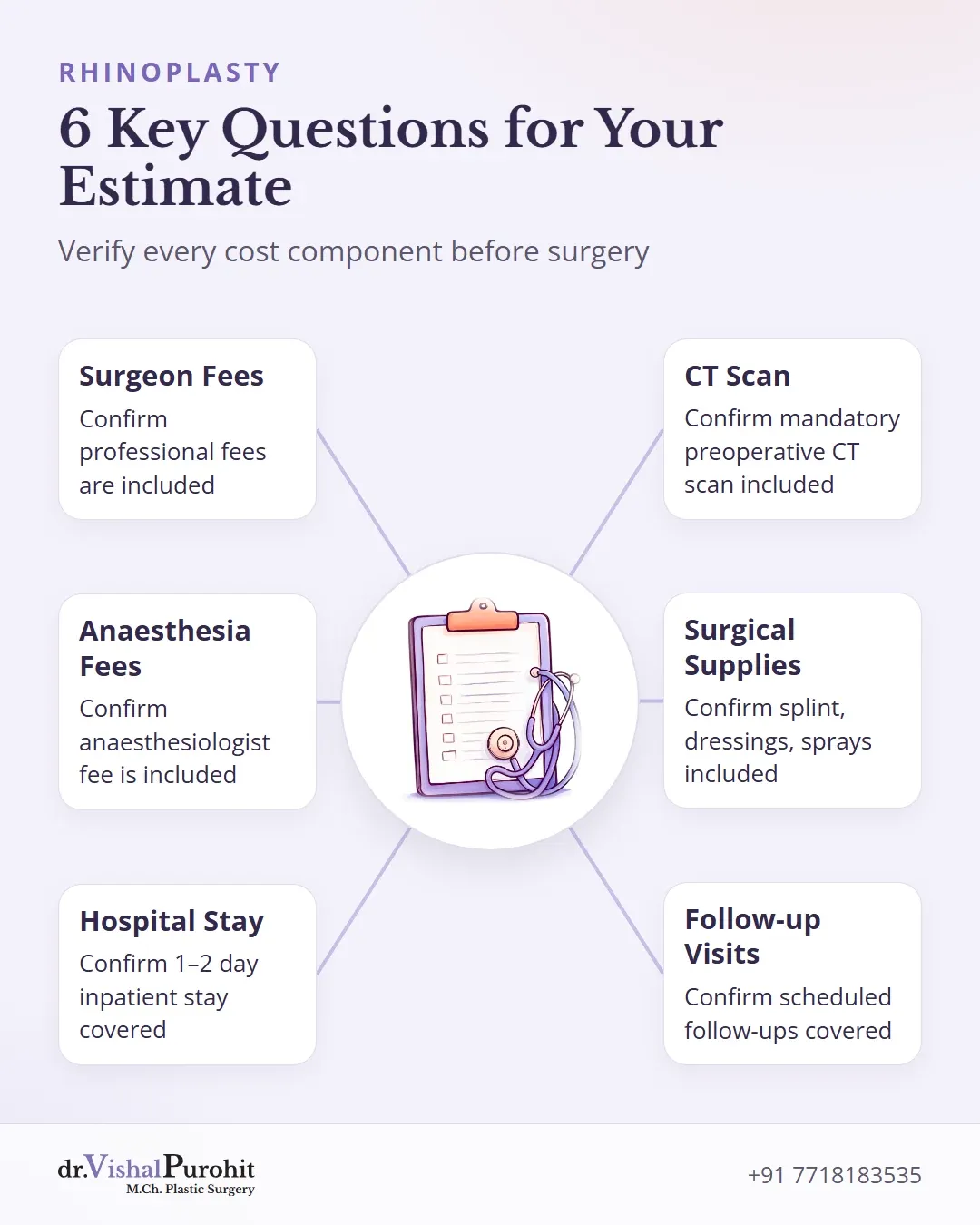
A written financial estimate should provide complete clarity before scheduling surgery. When reviewing a quotation, patients should ask specific questions to confirm which professional and hospital services are included34:
- Does the quotation cover the professional fees of the plastic surgeon and the team34?
- Are general anaesthesia services and the anaesthesiologist’s fee accounted for34?
- Does the facility charge cover an inpatient hospital stay of 1 to 2 days after surgery, or will extra days incur additional fees34?
- Is the mandatory preoperative CT scan of the nose with 3D reconstruction included in the total figure, or must it be billed separately at the diagnostic centre3?
- Does the estimate cover necessary surgical supplies, such as the external nasal splint applied in theatre4?
- Are routine postoperative medicines, dressings, and nasal sprays part of the package or paid separately at discharge3?
- Are scheduled follow-up visits—such as appointments at day 3, day 7, day 14, 1 month, and 3 months—covered under the initial cost5?
Clarifying these points early prevents unexpected expenses during recovery34.
Insurance and Breathing Surgery
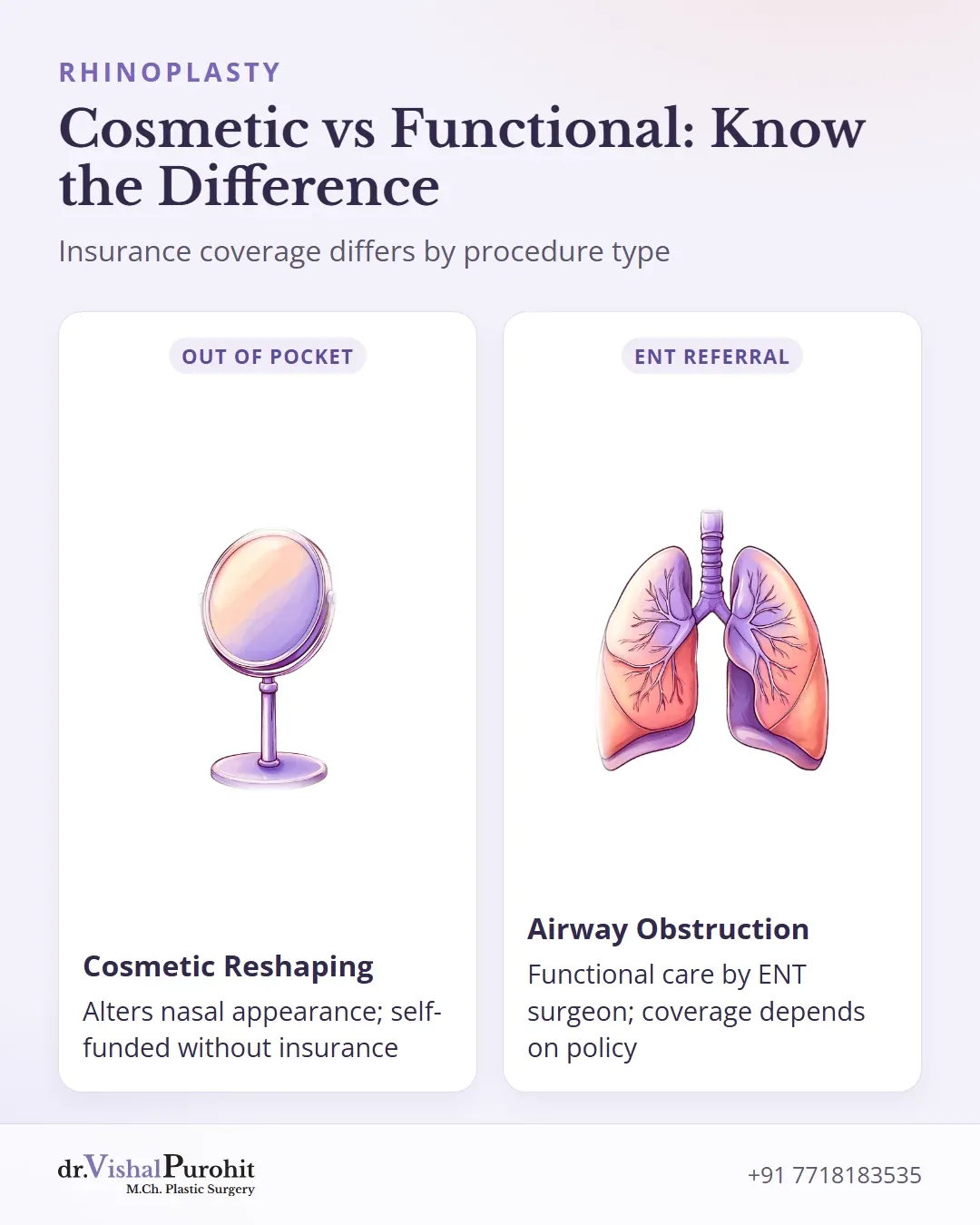
Cosmetic rhinoplasty is an elective procedure and is not covered by health insurance. Most health insurance policies specifically exclude coverage for operations such as rhinoplasty and any related surgical complications4.
Key points
- Cosmetic rhinoplasty is an elective procedure funded entirely out of pocket and excluded from health insurance coverage.
- Dr. Vishal Purohit performs cosmetic and revision rhinoplasty but does not perform functional breathing surgery.
- Patients with breathing difficulties or airway obstruction are referred to an ENT specialist.
Dr. Vishal Purohit accepts cosmetic rhinoplasty, revision rhinoplasty, and correction after a nose injury. He does not perform functional breathing surgery. When patients present with breathing complaints or airway obstruction, these concerns are referred for an ear, nose, and throat (ENT) assessment.
Consequently, inquiries regarding insurance approval for breathing surgery belong entirely under the care of an ENT specialist:
- Cosmetic reshaping: Performed by Dr. Purohit to alter nasal appearance, funded entirely out of pocket without insurance coverage.
- Airway obstruction: Addressed through functional procedures, which fall under the scope of an ENT surgeon rather than Dr. Purohit’s practice.
Patients must review their individual health insurance subscriber policy documents directly4. International guidelines, billing structures, or foreign insurance rules do not apply to private medical policies in India. Every insurer enforces its own pre-authorisation criteria, and aesthetic nasal surgery remains excluded from medical reimbursement.
Revision and Touch-Up Costs
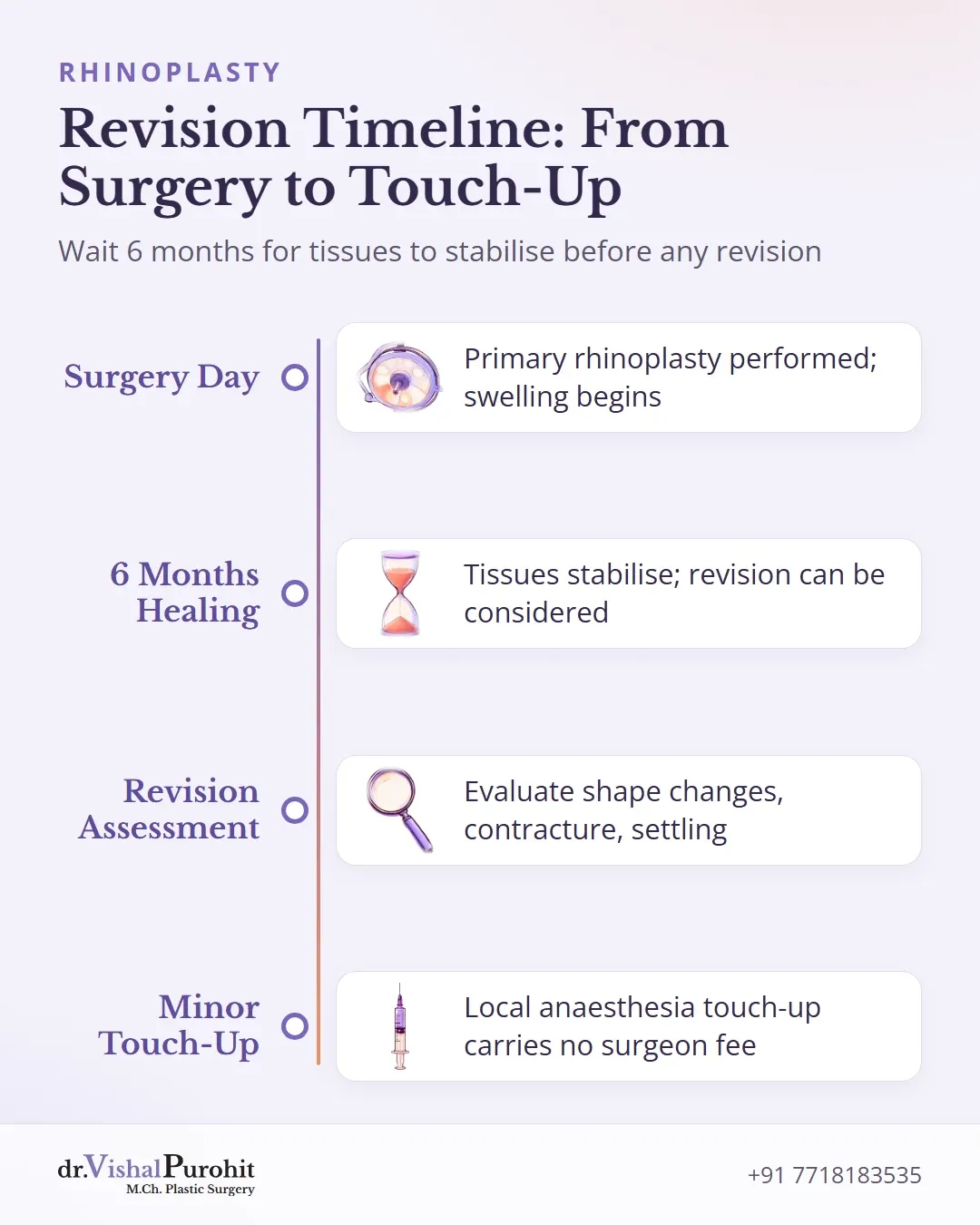
Understanding how secondary corrections are handled is an essential part of evaluating any surgical estimate. Healing after nasal reshaping takes considerable time, as postoperative oedema may persist for many months, up to and beyond a year6. Tissue settling, contracture, and alterations in shape occur throughout this recovery period6.
In Dr. Vishal Purohit’s practice, surgical revisions follow clear clinical criteria:
- Observation period: A second operation is considered only after waiting at least 6 months to allow tissues to stabilise.
- Touch-up fees: A minor touch-up performed under local anaesthesia is not charged.
When planning for nasal reshaping, patients often enquire about the broader financial policies for secondary surgeries. In the literature, practices that do not charge an additional surgeon fee for revisions may still ask the patient to cover operating room and anaesthesia facility fees7. Detailed policies regarding secondary procedures, candidate selection, and technical management are covered in the discussion on revision rhinoplasty. Every patient receives a clear explanation of these timelines and financial boundaries before proceeding with primary surgery.
Planning Rhinoplasty in Jaipur
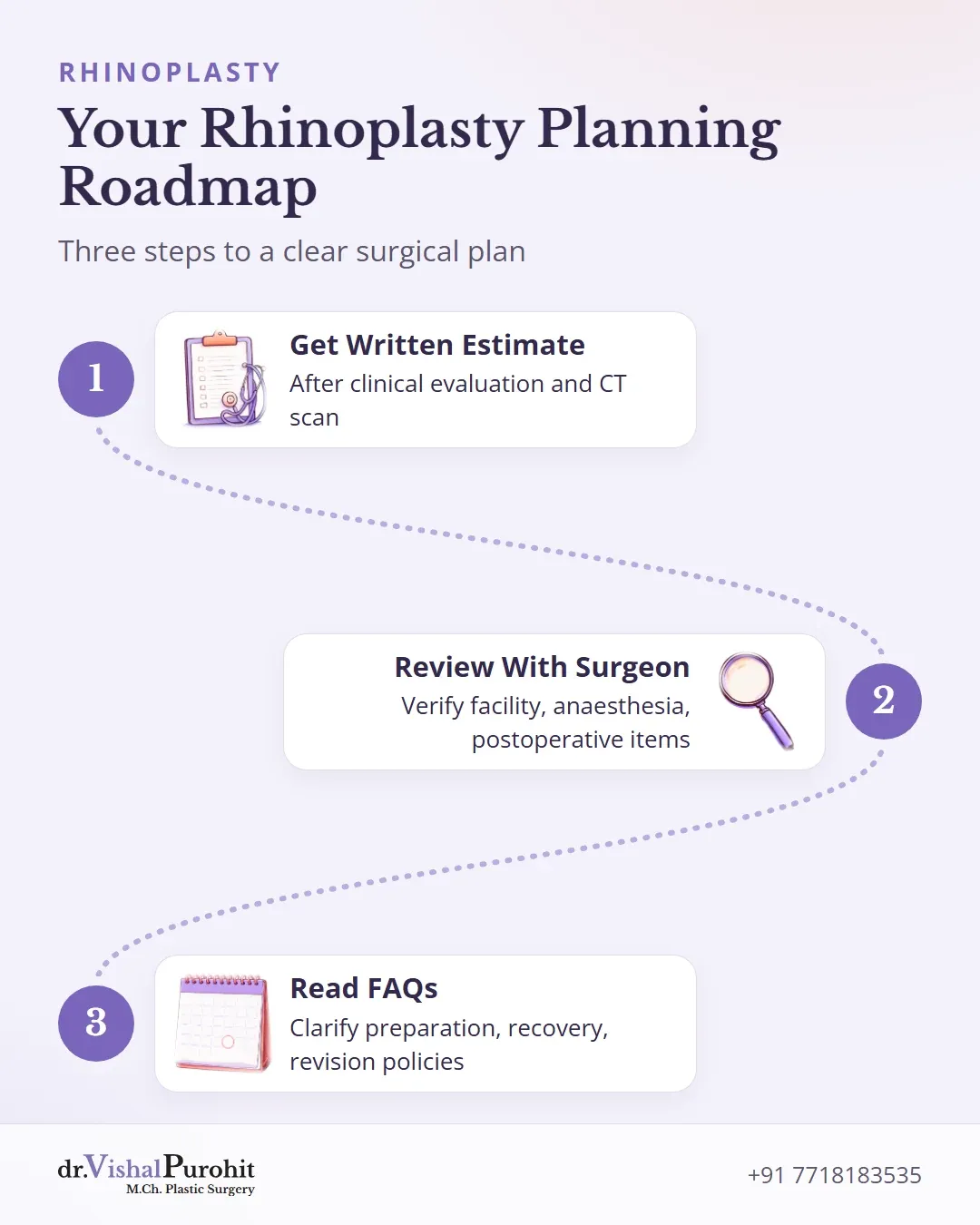
Obtaining a written surgical quotation ensures complete financial clarity prior to undergoing nasal reshaping. Prospective patients evaluating rhinoplasty in Jaipur should review each item with their surgeon to verify facility, anaesthesia, and postoperative arrangements. Reviewing common rhinoplasty FAQs also helps clarify surgical preparation, recovery timelines, and revision policies before making a final clinical decision.
This is educational information, not medical advice.