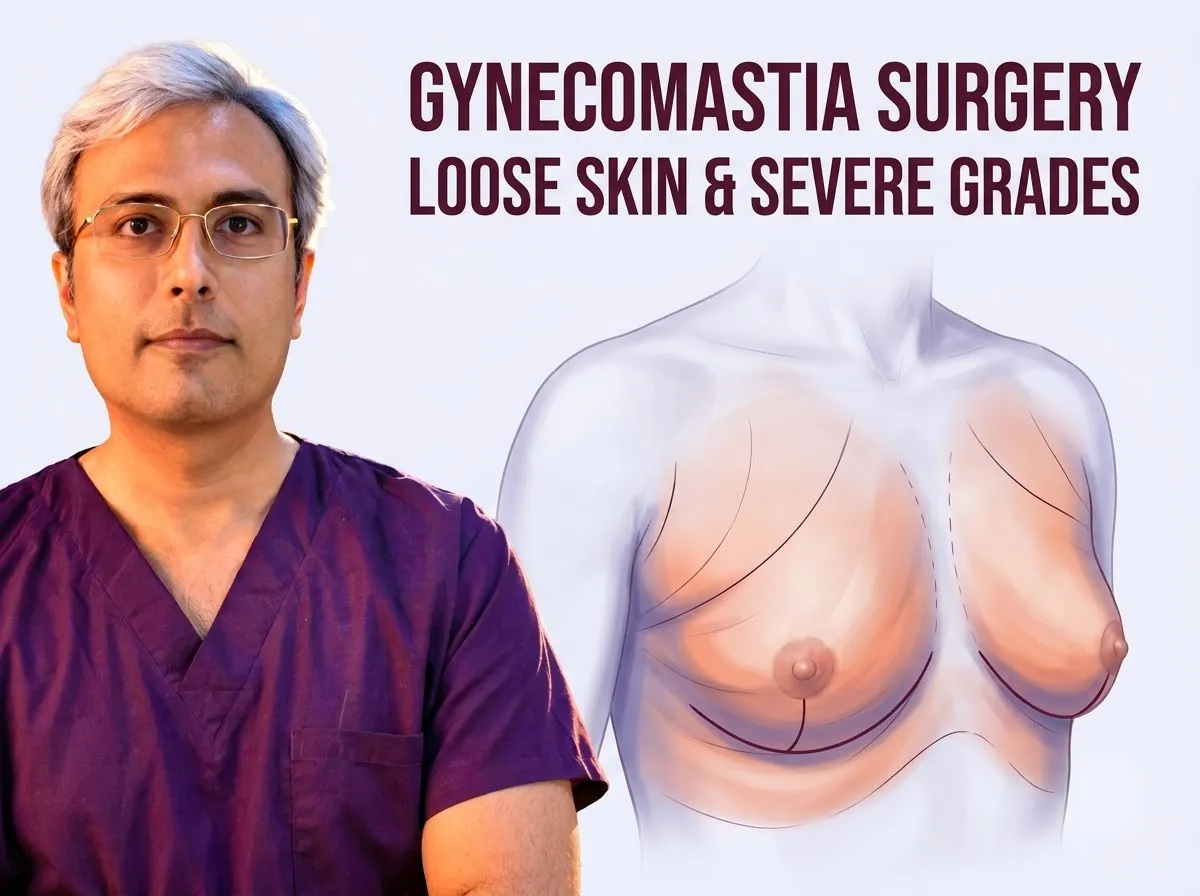
Years of enlarged breast tissue, or significant weight loss after gynecomastia develops, can stretch the chest skin beyond its ability to retract on its own. When the nipple is pulled downward and the skin envelope has lost its elasticity, removing the gland and fat alone may not produce a flat, masculine chest contour.
The extent of skin laxity shapes the entire surgical plan. Understanding how many grades of gynecomastia exist helps explain why a periareolar scar is enough in most cases, while the most severe presentations may require a longer incision or nipple repositioning.

When Skin Becomes Part of the Problem
How Enlargement and Weight Loss Stretch the Chest
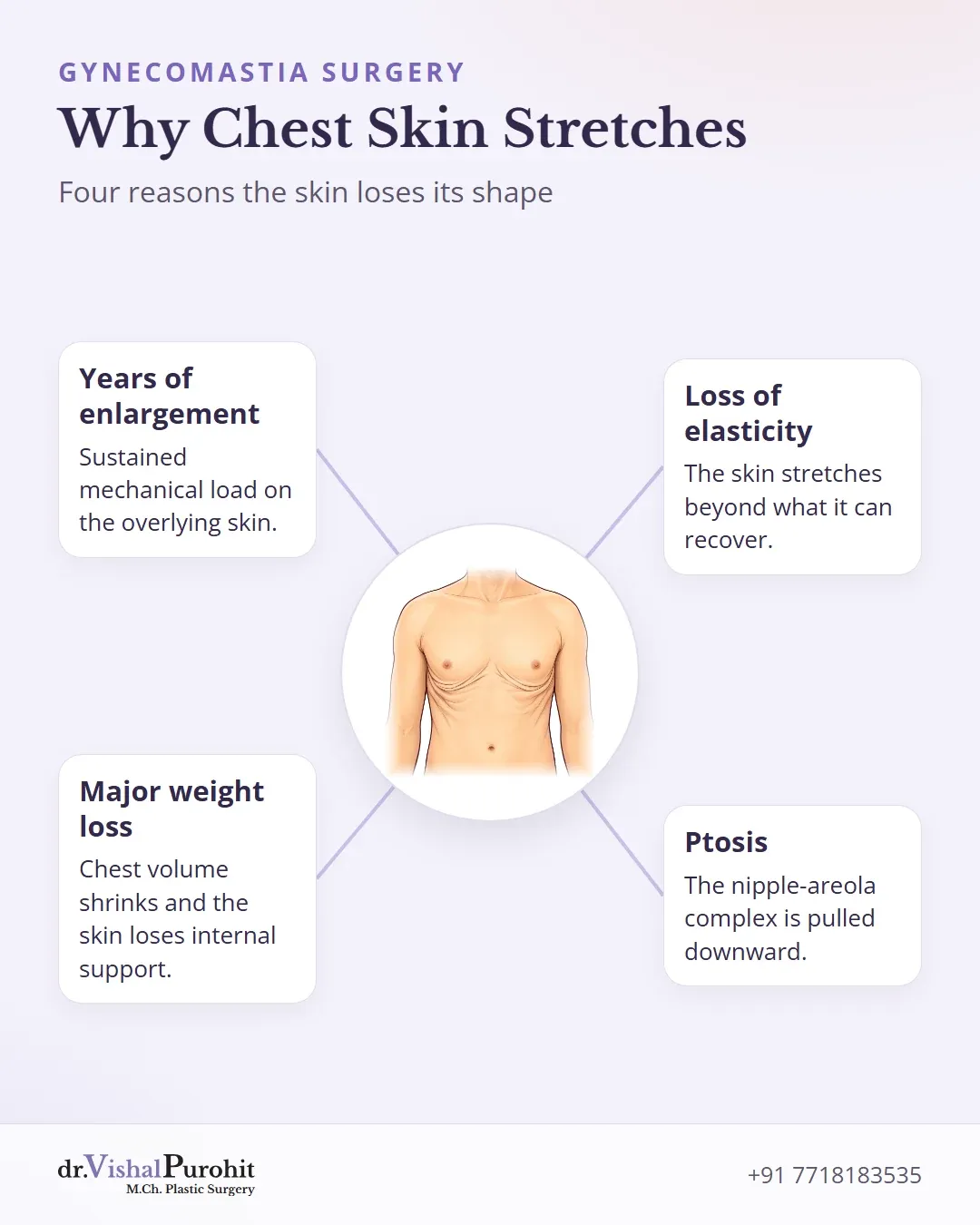
Gynecomastia that has been present for years, or that reaches a large size, places sustained mechanical load on the overlying skin. The skin gradually loses its elasticity and stretches beyond what it can recover on its own. Major weight loss compounds this further: as chest volume shrinks, the skin envelope that once covered a larger frame is left without adequate internal support [1, 2].
The nipple-areola complex is pulled downward along with the excess skin, a condition known as ptosis [3]. In its most advanced form, the appearance of the male chest begins to resemble a female breast — the defining feature of Simon Grade III and Rohrich Grade IV gynecomastia [3].
Why Skin Quality Shapes the Surgical Plan
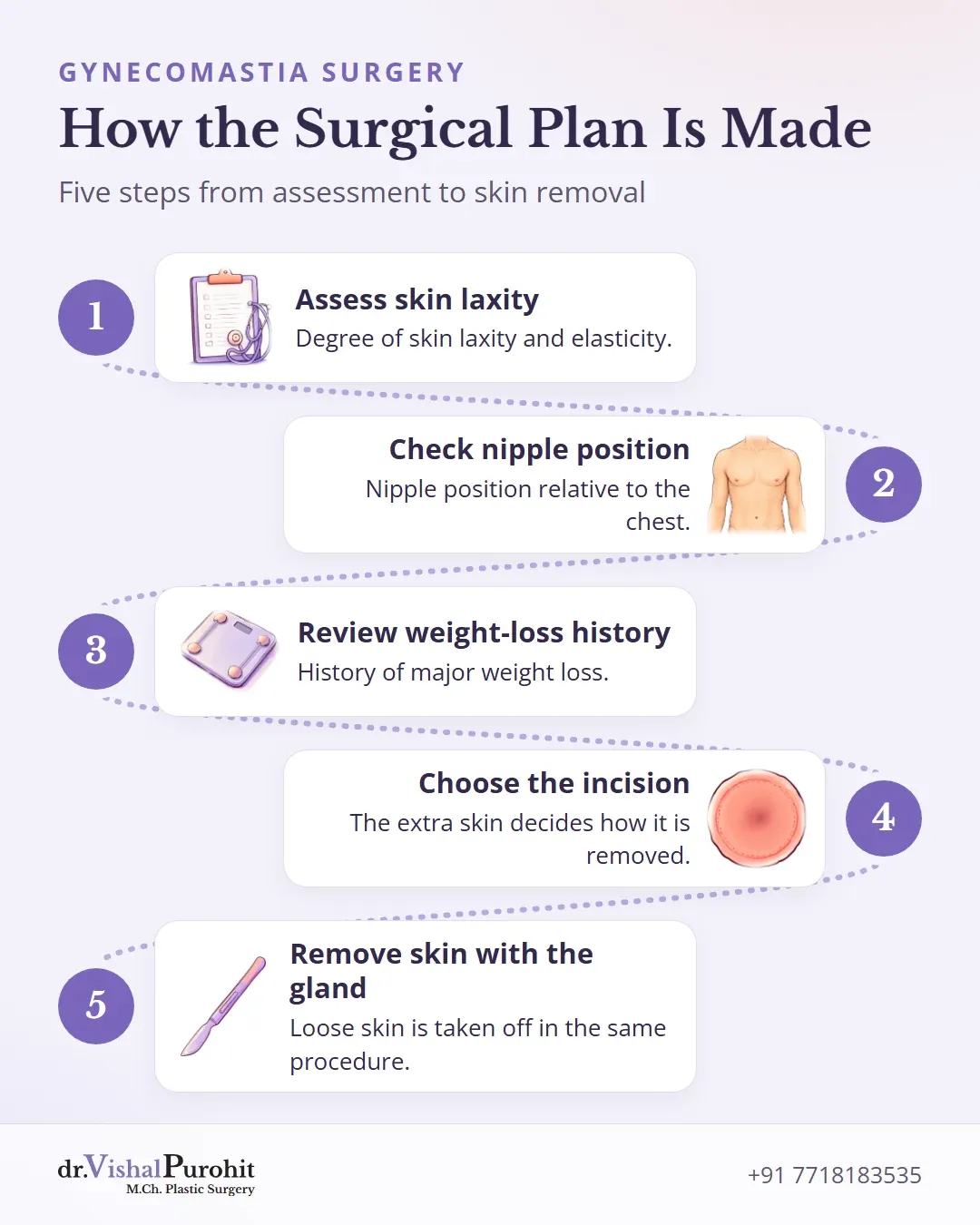
Removing glandular tissue and fat is not always enough. When the skin has lost its ability to retract and redrap after the underlying volume is gone, a contour deformity can result regardless of how precisely the tissue is removed [4].
For this reason, the surgical plan in Jaipur considers skin quality alongside tissue volume.
Key factors assessed before planning:
- Degree of skin laxity and elasticity
- Nipple position relative to the chest
- History of major weight loss
The grade definitions themselves are explained in gynecomastia grades.
Can the Skin Shrink Back on Its Own?
What the evidence shows
For most grades of gynecomastia, liposuction alone — or combined with gland excision — produces enough skin retraction to give a flat, masculine chest contour [4, 5]. Ultrasound-assisted and VASER liposuction in particular are associated with improved skin retraction, which is one reason they are used as a definitive treatment in many mild-to-moderate cases [4]. Treating the immediate subdermal layer during liposuction encourages further skin contraction, though this must be done carefully to avoid thermal injury [4].
When skin retraction is not enough
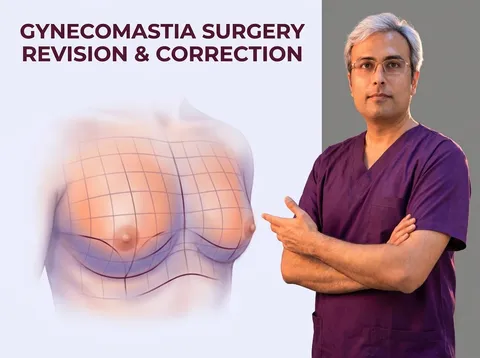
In significant gynecomastia, the skin may be stretched and sagging to a degree that liposuction and gland removal alone cannot correct [6]. Major reductions involving the removal of a large amount of tissue and skin may require larger incisions [7].
What supports redraping
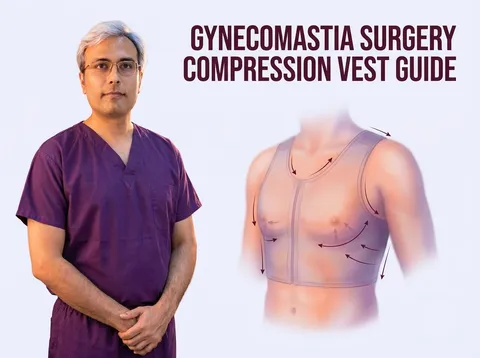
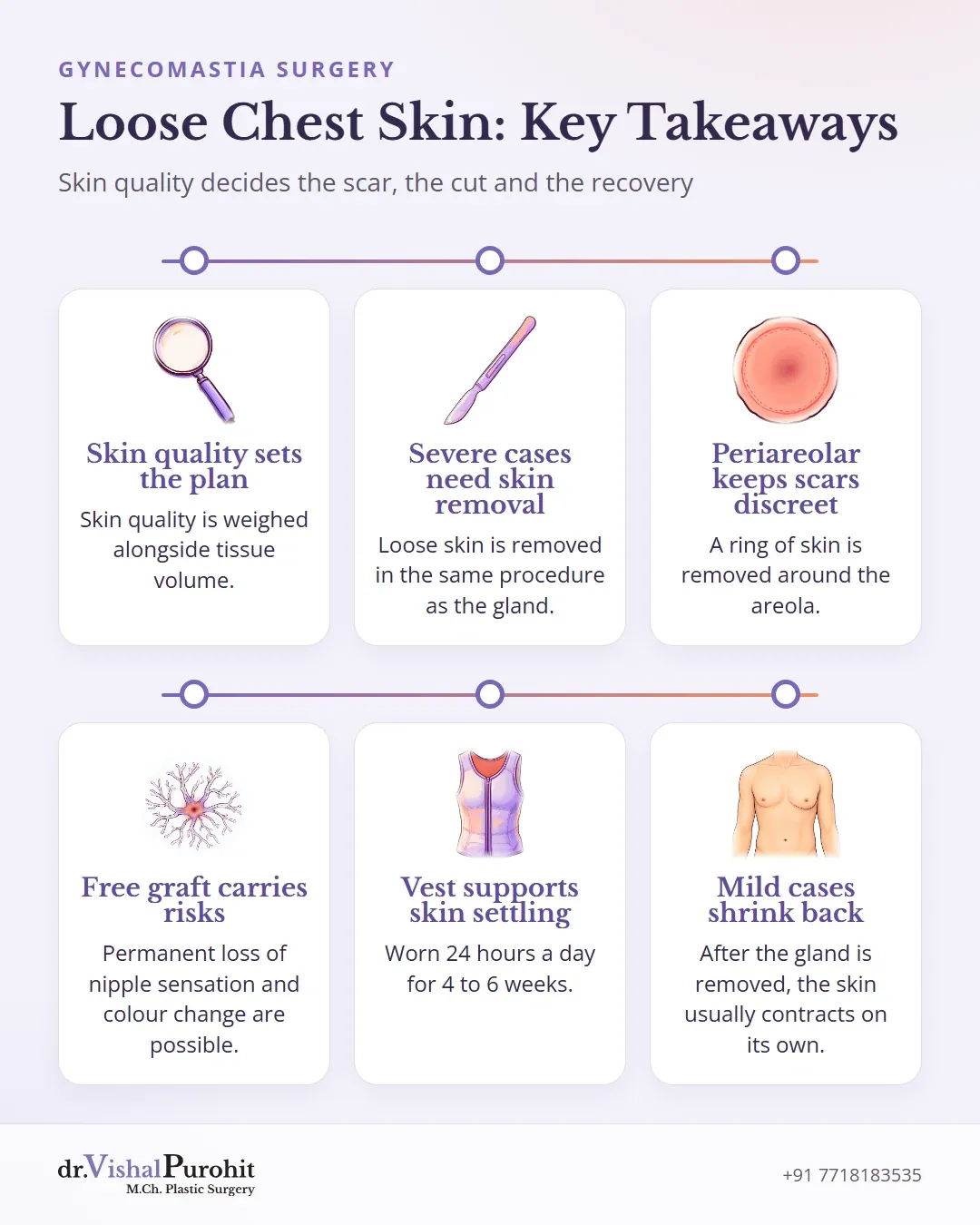
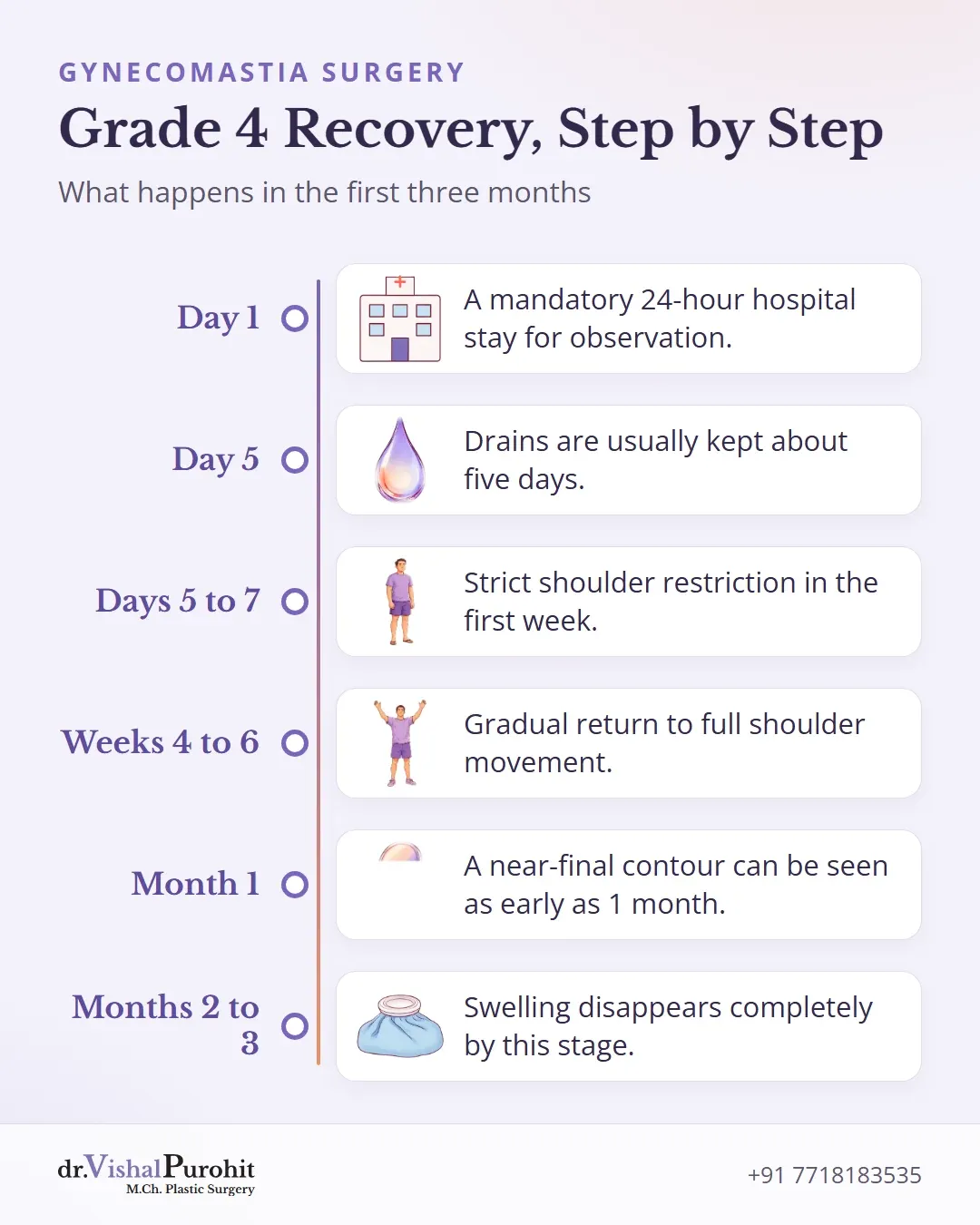
- A custom medical-grade compression vest, worn 24 hours a day for 4 to 6 weeks, helps the skin conform to the new chest shape.
- A near-final contour can be seen as early as 1 month; swelling disappears completely by 2 to 3 months.
Myth: Once the fat and gland are removed from the chest, the skin snaps back to its new, smaller size on its own within days.
Fact: The skin does not simply snap back to its new, smaller volume overnight.
Myth: The amount of skin shrinkage is always the same, whatever the amount of tissue removed or the elasticity of the skin.
Fact: What happens depends on how much tissue was removed, the elasticity of the skin at the time of surgery, and how the body heals in the weeks that follow.
Skin Removal and Nipple Repositioning
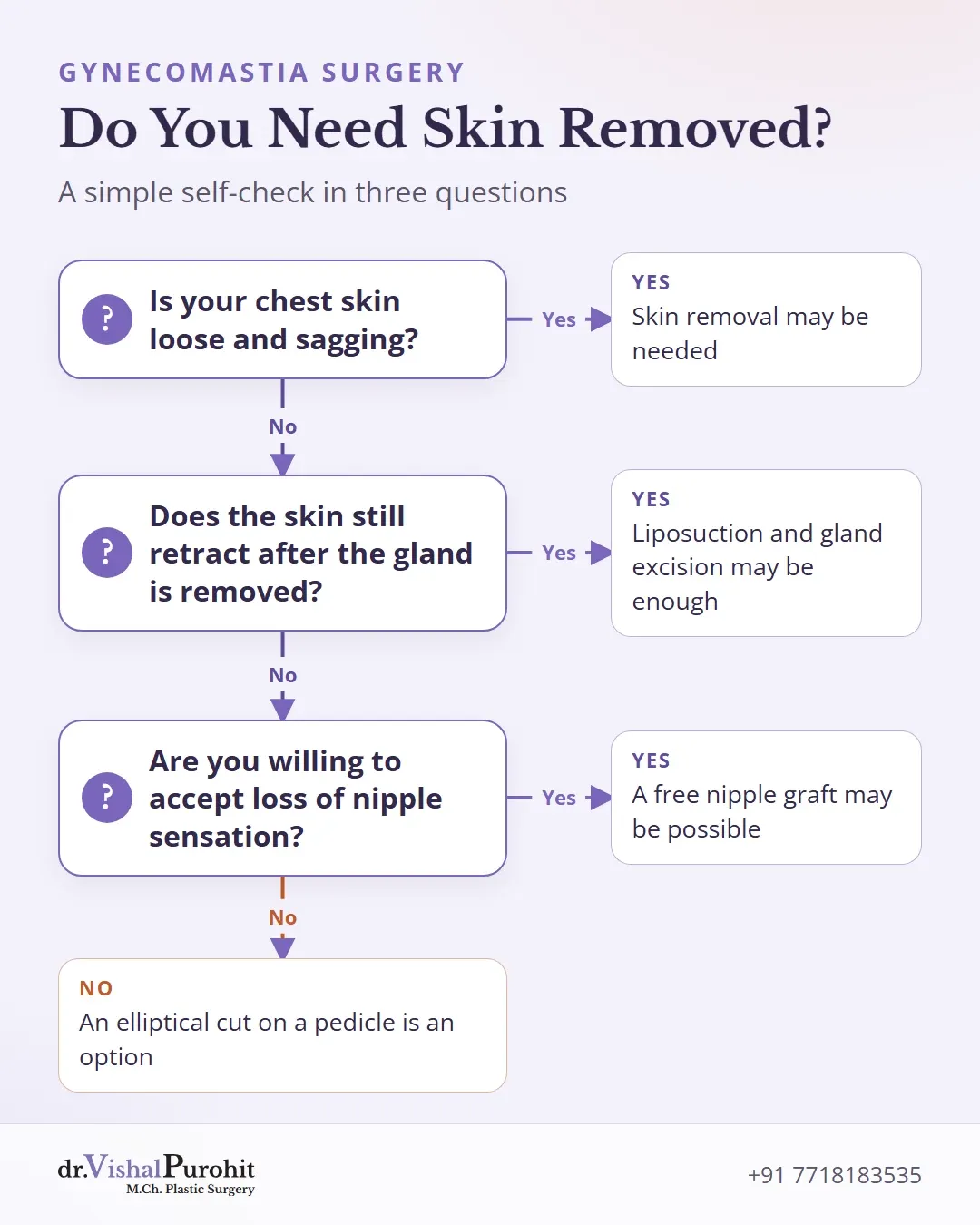
When gynecomastia is mild or moderate, the skin usually contracts on its own after the gland and fatty tissue are removed. In more severe cases, loose skin remains and needs to be addressed at the same time as the gland excision.
When Is Skin Removal Needed?
Patients with significant skin excess or poor skin elasticity often need skin to be removed as part of a single procedure [4]. The amount of excess skin determines how that removal is carried out.
The Periareolar Approach
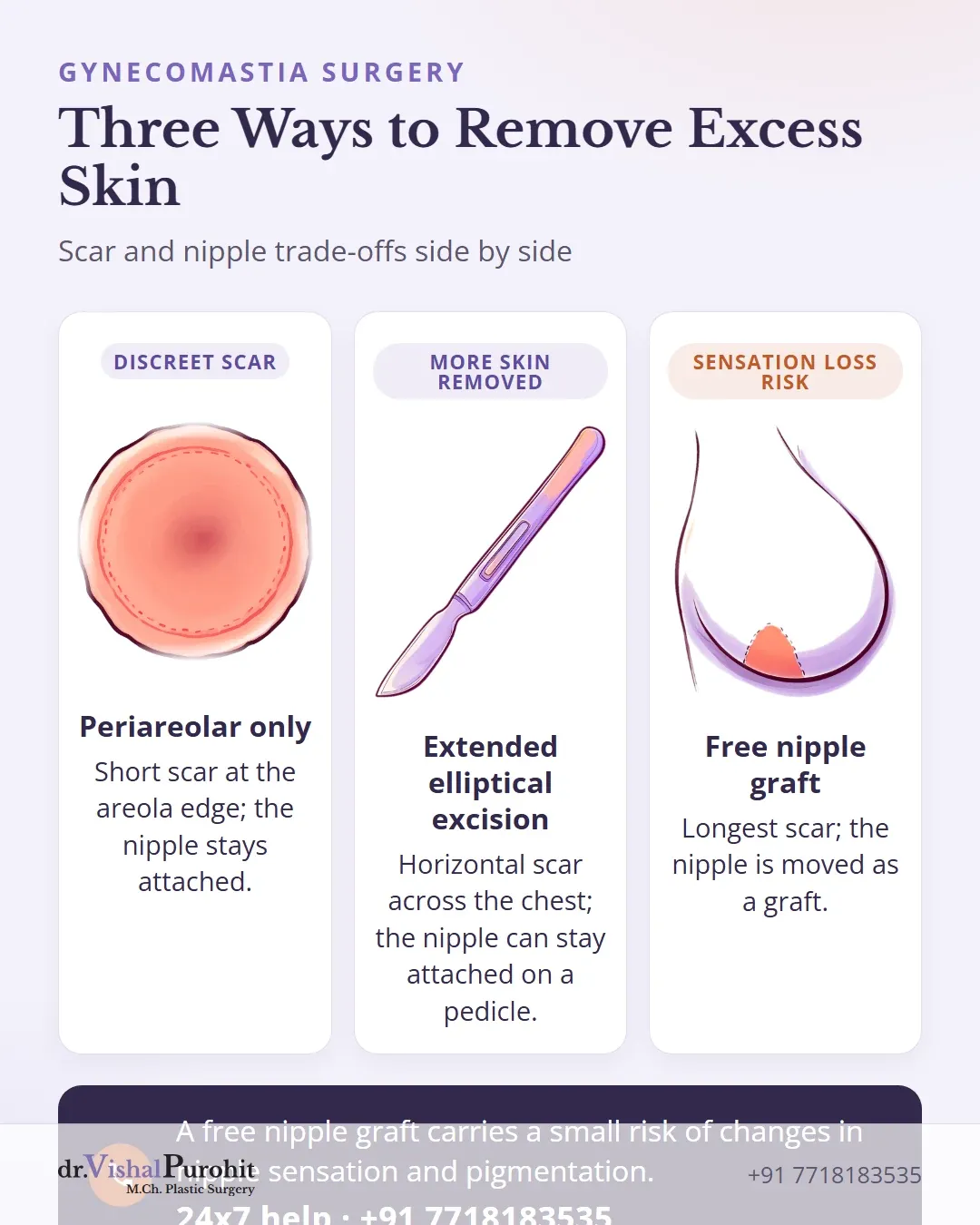
The most commonly used method removes a ring of skin around the areola [4]. The incision follows the edge of the areola, the excess skin is taken away, and the wound is closed so that the scar sits neatly along the areolar border [4]. This approach flattens the chest and removes surplus skin while keeping scarring as discreet as possible [4].
This technique has limits. Trying to remove too much skin through a periareolar incision can lead to widened scars or slight rippling around the areola, but these effects are generally less noticeable than a long scar crossing the chest [4].
Longer Scars for More Severe Cases
When the skin excess is too great for a periareolar approach alone, a longer elliptical excision may be needed, leaving a horizontal scar that extends to each side of the areola [4]. This is reserved for patients whose skin redundancy cannot be managed through the smaller periareolar pattern [4].
Nipple Repositioning
In the most extreme cases, the nipple-areola complex may need to be moved to a higher position on the chest wall. This can be done in two ways [8]:
- Moving the nipple on a pedicle — a strip of tissue that keeps the nipple connected and preserves its blood supply.
- Removing the nipple as a full-thickness free graft and placing it in the correct position [4].
Free grafting carries a small risk of changes in nipple sensation and pigmentation [4].
Dr. Vishal Purohit’s Approach in Jaipur
In grade 4 gynecomastia, Dr. Vishal Purohit removes excess skin when it is needed. The areola is not reduced in size during this process.
The Trade-Offs: Scars and Sensation
Scars: What to Expect by Grade
For most men with grade 1 to 3 gynecomastia, Dr. Vishal Purohit in Jaipur uses a hemi-periareolar incision — a small cut along the lower half of the areola border. This scar sits at the colour boundary of the skin.
Key points
- Most men with grade 1 to 3 gynecomastia get a hemi-periareolar incision that hides the scar at the areola border.
- Skin removal in grade 4 carries a greater scar burden, and a periareolar approach has limits.
- A free nipple graft flattens the chest but risks nipple depigmentation and permanent loss of nipple sensation.
When grade 4 gynecomastia requires skin removal, the scar burden is greater. A periareolar approach has limits: pushing too much skin excision through that route can cause widened scars, nipple distortion, and rippling around the areola [4]. Still, most surgeons reserve the longer extra-areolar cut — a horizontal scar extending medially and laterally off the areola — for cases where the periareolar route simply cannot remove enough skin [4].
In the most severe cases, a free nipple graft technique places the nipple at a new position entirely [4]. This achieves a flatter chest but carries the risk of nipple depigmentation and permanent loss of nipple sensation [4].
Nipple Sensation
In Jaipur, numbness after gynecomastia surgery usually lasts only a few days; occasionally sensation takes longer to return. Dr. Vishal Purohit checks sensation at the mandatory day-5 and one-month visits.
Weighing the Trade-Off
| Approach | Scar | The nipple |
|---|---|---|
| Periareolar only | Short, at the areola edge | Stays attached |
| Extended elliptical excision | Horizontal, across the chest [4] | Can stay attached on a pedicle [4] |
| Free nipple graft | Longest | Moved as a graft; possible depigmentation and permanent loss of sensation [4] |
For patients who are unwilling to accept loss of nipple sensation or possible depigmentation, an elliptical excision pattern that keeps the nipple on a pedicle may be a viable alternative to free nipple grafting [4]. The decision depends on how much skin must be removed to achieve a flat chest, and is discussed with each patient before surgery.
Weight, Health and Timing Before Surgery
Body Weight and BMI
In Jaipur, Dr. Vishal Purohit’s target for surgery is a BMI within the normal range. Slightly overweight men may also benefit from the procedure without being asked to wait. Obese and massively obese men are not operated on: the surgical risk is too high, and if significant weight loss follows later, the skin may sag and need further correction.
General Health
General health must be within tolerable limits for anaesthesia and healing before any grade of gynecomastia surgery is considered.
What Grade 4 Involves
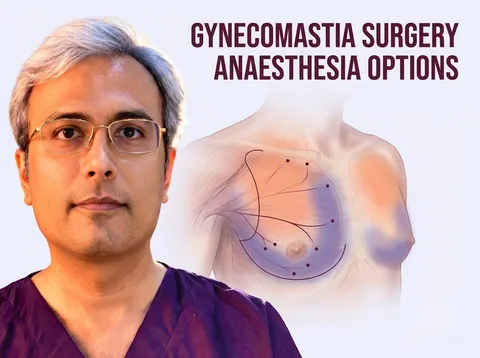
Grade 4 gynecomastia is a longer procedure and is performed under general anaesthesia. Key points for this grade:
- Drains are placed and kept as long as required, usually about 5 days.
- A mandatory 24-hour hospital stay for observation follows general anaesthesia.
- The rest of the recovery timeline is the same as other grades and depends on how well the body heals.
Planning the Timing
Men planning surgery before a wedding or major event should allow at least 2 months: roughly one month for healing and a buffer of about 30 days for any minor correction or complication management.
Planning Gynecomastia Skin Removal in Jaipur
For men considering surgery for significant or long-standing gynecomastia, understanding the skin component is as important as understanding the gland. The right incision pattern depends on how much skin must be removed to achieve a flat chest, and that decision is made after a thorough assessment.
Full details about the procedure are available on the gynecomastia surgery in Jaipur page. Common questions about grades and severity are answered in the gynecomastia FAQs.
This is educational information, not medical advice.