
Persistent jaw tightness, dental wear, and morning headaches frequently prompt individuals to seek clinical evaluation. Determining whether these symptoms arise from primary dental pathology, mechanical temporomandibular joint issues, or sustained masticatory muscle hyperactivity is essential before planning therapy. Clinical evidence explores Does Botox Cure Bruxism? Muscle, Pain and Wear Evidence to clarify realistic expectations.
Because orofacial discomfort spans multiple clinical mechanisms, a comprehensive initial evaluation ensures that structural joint faults, neuropathic pain, and primary headache disorders are not mistakenly attributed solely to clenching. Muscle-relaxing injections provide targeted relief for muscular spasm, but they do not replace necessary dental restorations or correct underlying airway compromise.
Dental Examination for Tooth Damage and Restorations
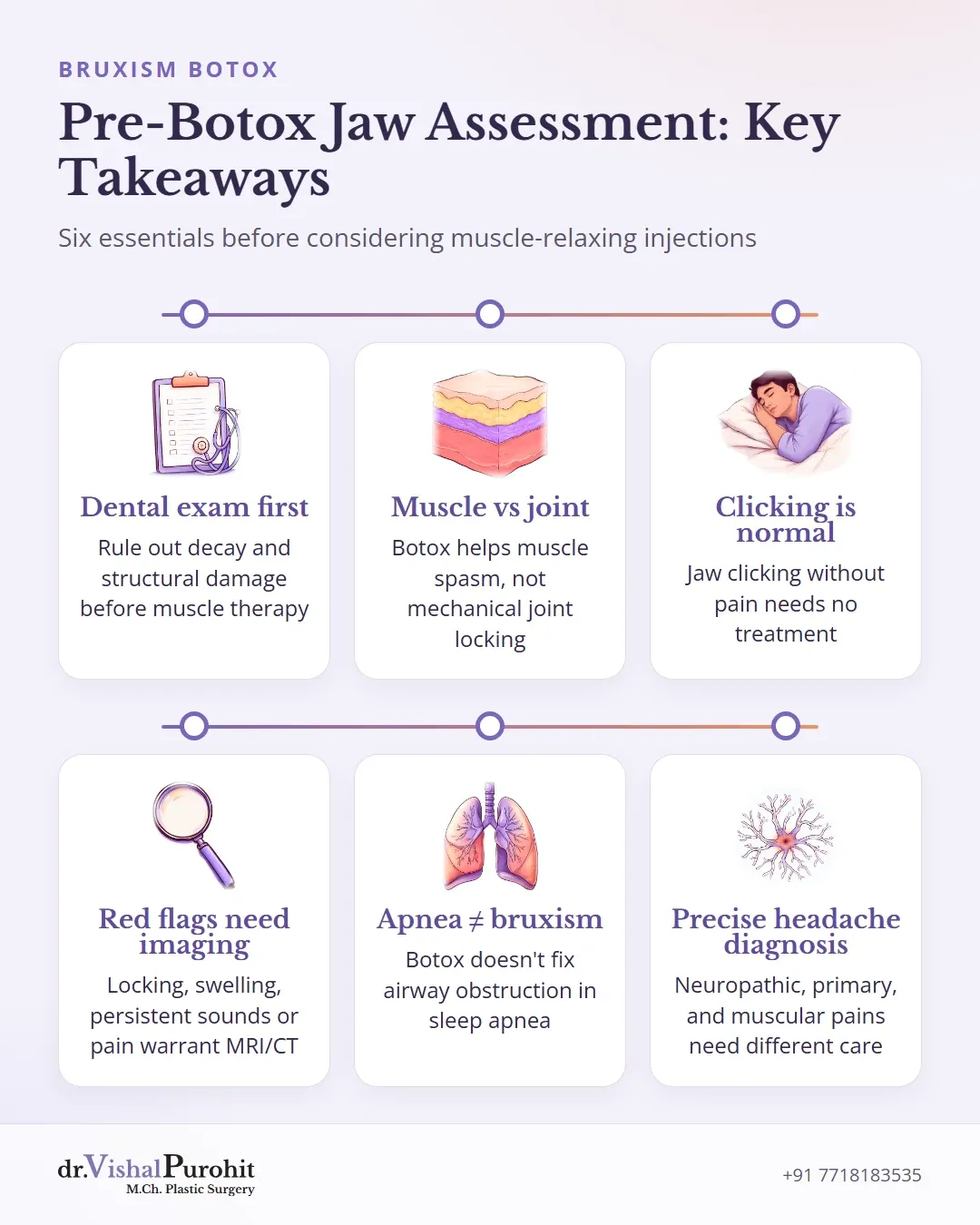
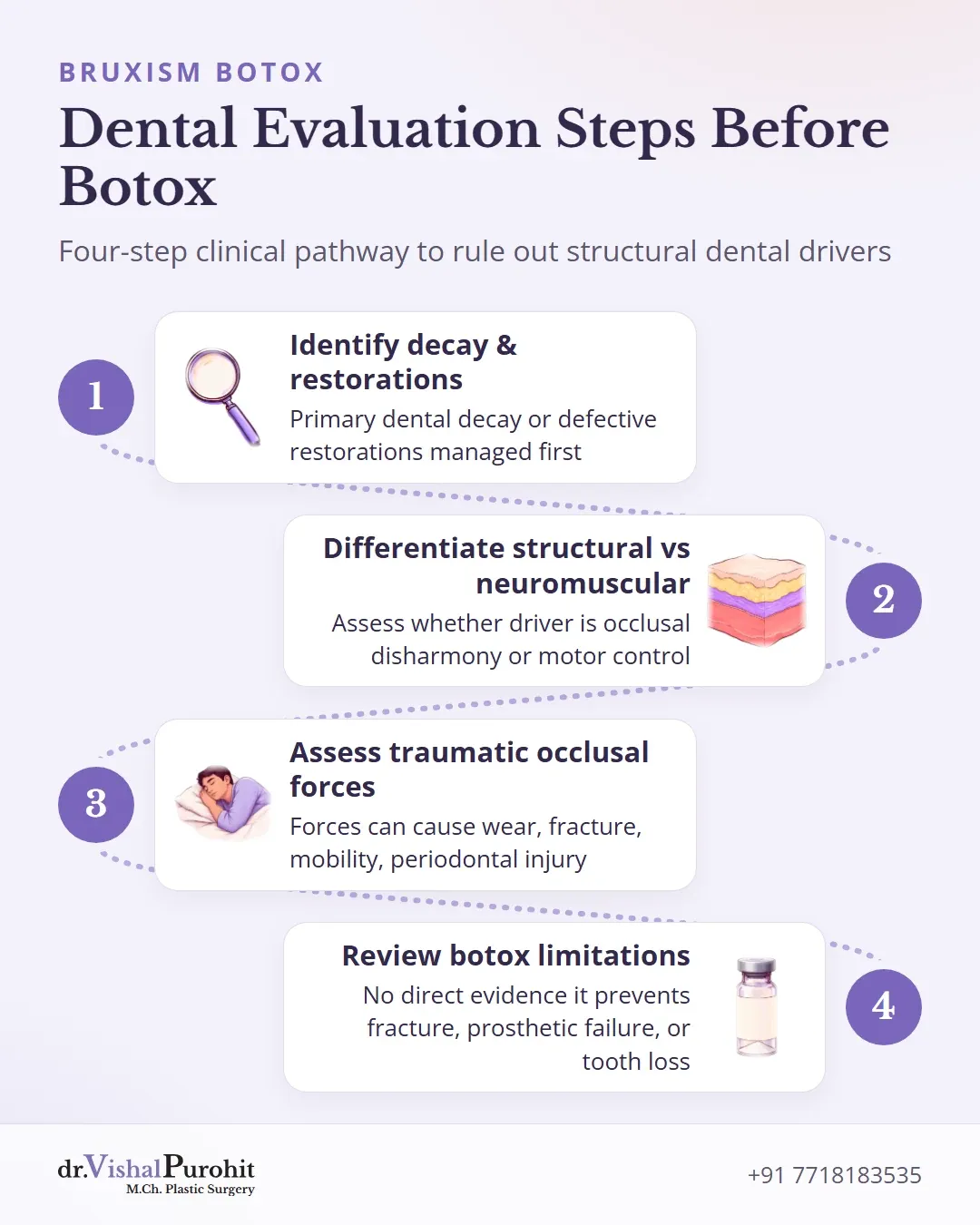
A thorough dental evaluation examines whether wear, fractures, or mobility stem from structural occlusal disharmony or acute dental pathology. Many individuals with bruxism, masticatory muscle pain, or stomatognathic disorders first consult dentists because their discomfort is perceived as a dental, prosthetic, or occlusal issue1.
When evaluating these symptoms, clinical assessment must differentiate structural concerns from motor control abnormalities:
- Identifying primary dental decay or defective restorations ensures that dental pathology is managed before any muscular therapy is considered1.
- Inappropriate repeated dental adjustments or reconstructive procedures carry risks when the underlying driver is neuromuscular rather than structural1.
- Traumatic occlusal forces can cause tooth wear, tooth fracture, mobility, and injury to the periodontal attachment apparatus1.
While botulinum toxin type A can reduce maximal bite force in patients with bruxism, direct evidence that it prevents tooth fracture, prosthetic failure, periodontal attachment loss, or tooth loss is currently lacking1.
Muscle Soreness vs Jaw Joint Locking
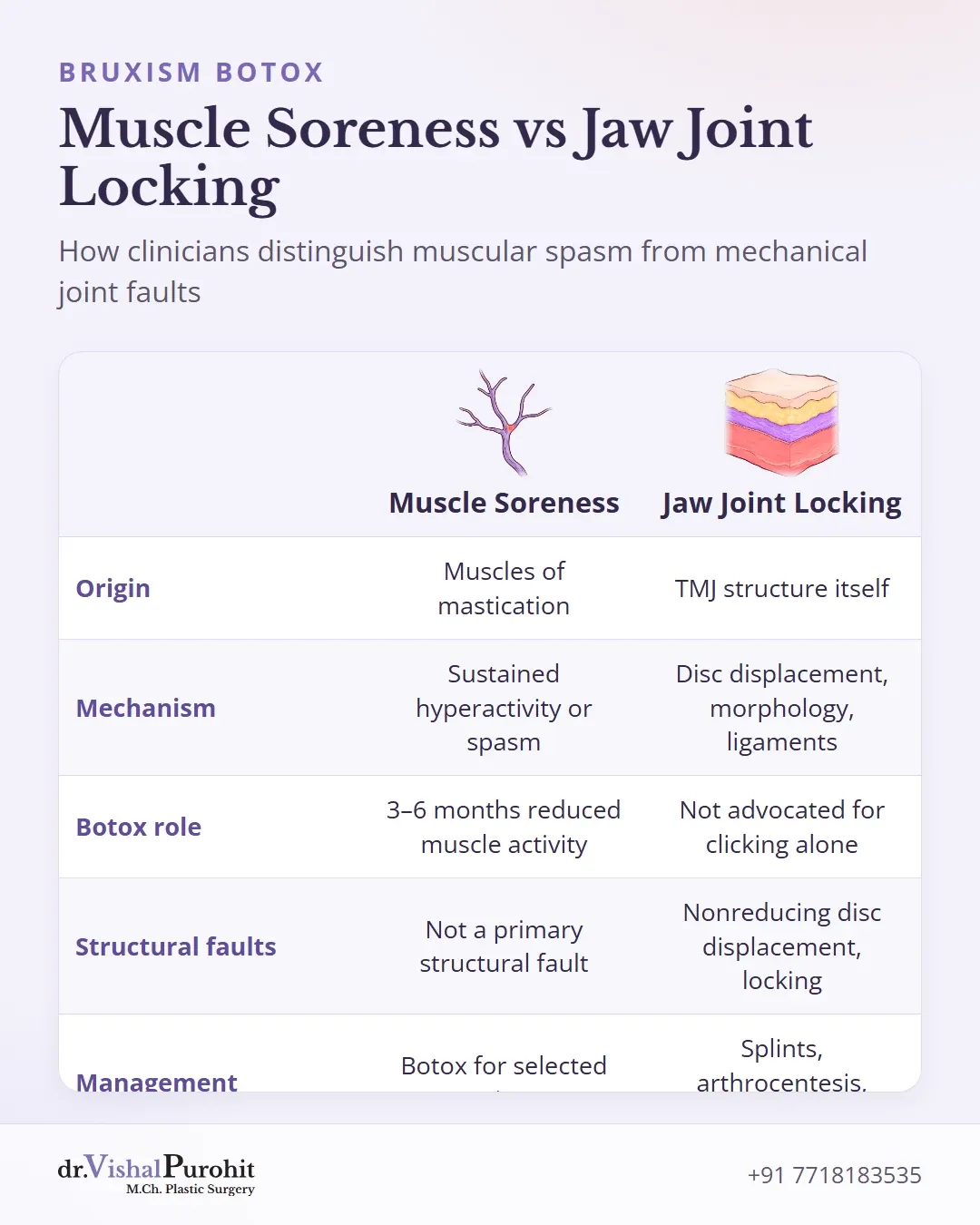
Distinguishing muscle-based pain from mechanical joint problems is an essential step in assessment. Masticatory myalgia or myofascial pain arises within the muscles of mastication2, where sustained muscular hyperactivity or spasm can lead to discomfort23. Botulinum toxin injected into the masseter or temporalis muscles provides three to six months of decreased muscle activity to relieve muscle spasm in selected patients3.
Key points
- Muscle-based jaw pain arises from muscular hyperactivity and can be relieved by targeted botulinum toxin injections.
- Mechanical joint issues involve the jaw joint structure itself and should not be assumed to be muscle hyperactivity.
- Structural joint locking and internal derangement require dental or maxillofacial management rather than muscle injections alone.
Mechanical joint issues involve the temporomandibular joint structure itself12. Mechanical joint sounds and symptoms can stem from disc displacement, joint morphology, ligamentous factors, or altered movement patterns1. These mechanical signs should not automatically be attributed to muscular hyperactivity1. In addition, botulinum toxin is not advocated for joint clicking alone without a convincing muscular mechanism, and its use for internal derangement or clicking remains investigational with limited evidence1.
Structural issues such as nonreducing disc displacement, internal derangement, and joint locking represent mechanical faults within the joint34. True joint pathology, severe limited mouth opening, and degenerative joint disease require dental or maxillofacial management, which may include splints, arthrocentesis, arthroscopy, or open joint surgery, rather than jaw muscle injections alone235.
Facial Headaches and Non-Bruxism Causes
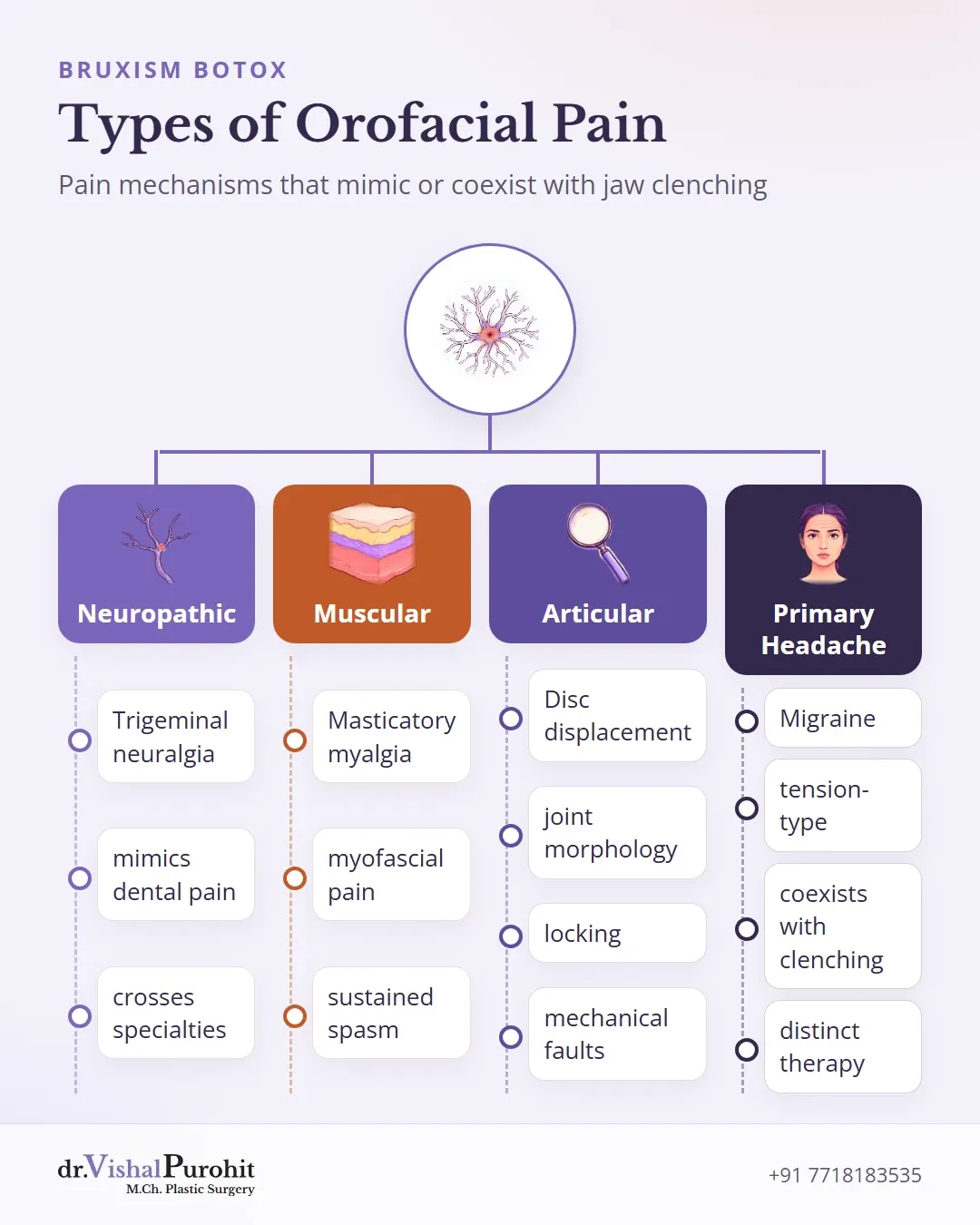
Temple tightness and facial discomfort can mimic or co-occur with primary headache disorders, sinus conditions, or neuropathic pain. Comprehensive assessment prevents misattributing primary migraines or tension-type headaches solely to jaw clenching.
Key points
- Temple tightness and facial discomfort can stem from primary headache disorders, sinus issues, or neuropathic conditions rather than jaw clenching alone.
- Precise diagnostic phenotyping is essential before initiating botulinum toxin type-A injections or other targeted therapies.
- Accurate evaluation often requires multidisciplinary coordination across neurology, dentistry, otolaryngology, and pain medicine.
Orofacial pain should not be approached as a single problem1. Because neuropathic, nociplastic, muscular, articular, and dystonia-related discomfort may require substantially different therapeutic strategies, precise diagnostic phenotyping is essential before initiating therapy1. Trigeminal neuralgia, for example, can present as dental pain and cross specialty boundaries1.
Starting with the correct diagnosis is critical when evaluating candidates for botulinum toxin type-A injections6. Candidates can include individuals with disabling primary headaches or coexistent jaw, head, or neck muscle spasms6.
Effective assessment relies on multidisciplinary coordination:
- Neurologists contribute expertise in differential diagnosis and movement disorders1.
- Dentists and oral surgeons evaluate occlusion, mastication, dental structure, and intraoral anatomy1.
- Otolaryngologists assess swallowing and pharyngeal function1.
- Pain specialists provide insight into complex nociceptive mechanisms1.
Why Simple Jaw Clicking Needs No Injection
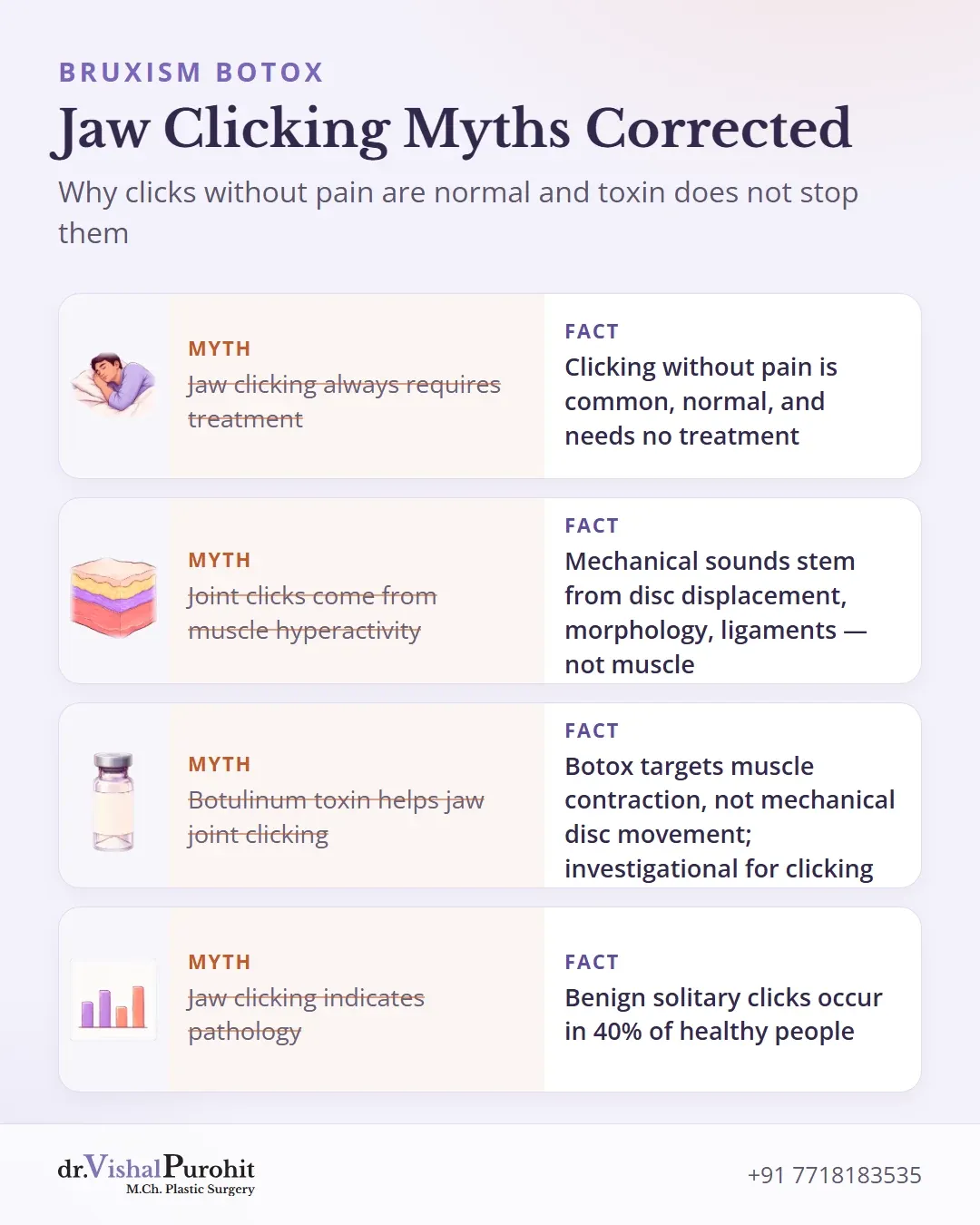
Clicking or popping sounds in the jaw joint without pain are common, are considered normal, and do not require treatment7. In healthy populations, benign solitary clicks occur in 40% of people8. There is considerable support in the published literature that joint noise occurring without pain or dysfunction requires no intervention9.
Mechanical joint sounds can originate from disc displacement, joint morphology, ligamentous factors, or altered movement patterns1. Because these acoustic events stem from structural components, they should not automatically be attributed to muscular hyperactivity1.
Botox injections into jaw muscles are designed to address muscular contraction rather than mechanical disc movement. Scientific literature confirms that botulinum toxin should not be advocated for temporomandibular joint clicking alone without a convincing muscular mechanism, and such applications are regarded as investigational1.
Dr. Purohit’s note: At his practice in Jaipur, Dr. Vishal Purohit assesses jaw symptoms carefully during consultation before recommending any non-surgical injection treatment.
Intervening with toxin injections for asymptomatic joint clicking exposes patients to unnecessary side effects without conferring therapeutic benefit1.
When Specialist Imaging and Examination Help
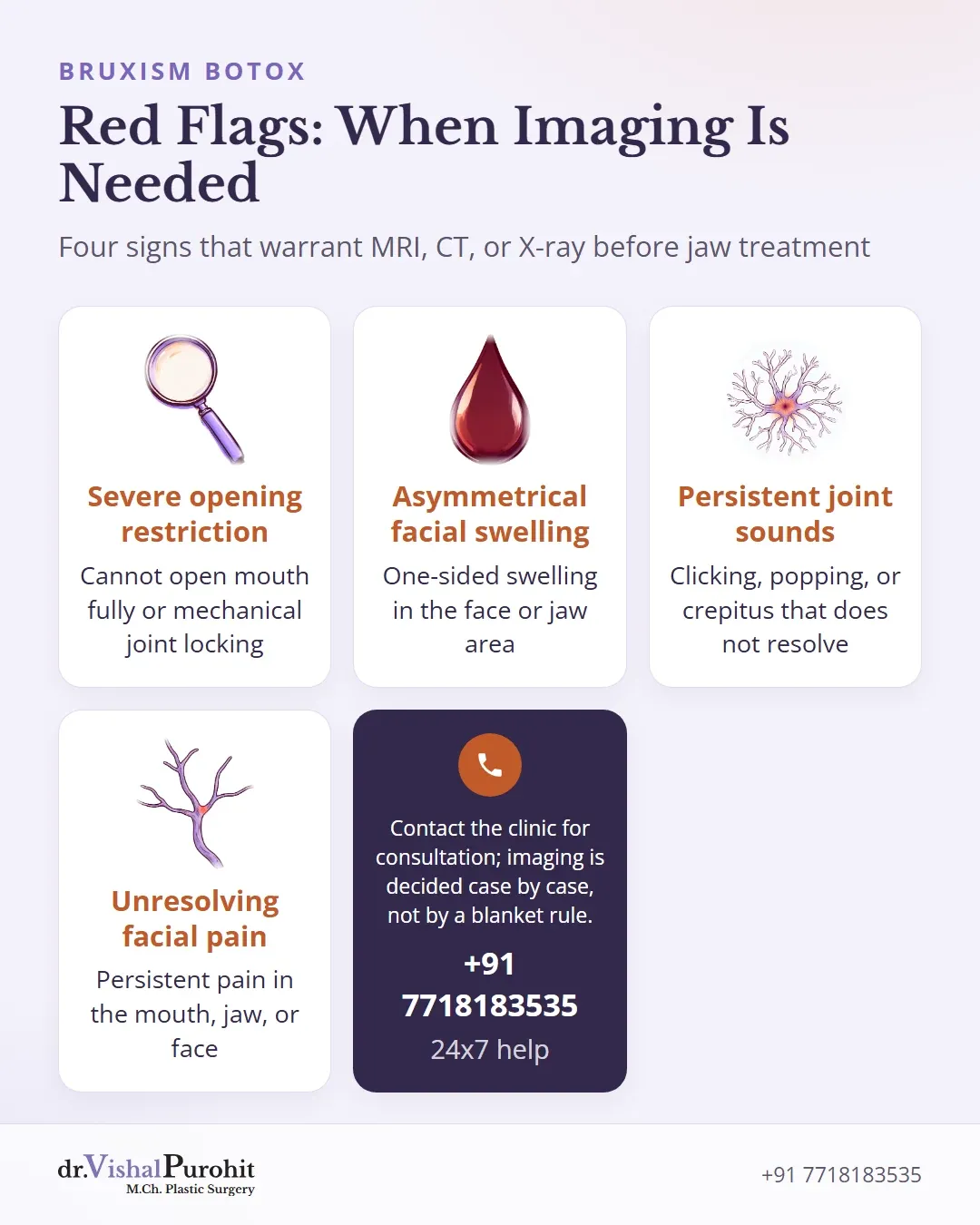
Pain in the mouth, jaw, or face may stem from conditions other than jaw muscle strain7. Clinical assessment helps rule out other problems before proceeding with any intervention7.
Specialist dental or orofacial examination and targeted imaging, such as magnetic resonance imaging (MRI), are indicated when specific red-flag signs appear7:
- Severe restriction in jaw opening or mechanical joint locking
- Asymmetrical facial swelling
- Persistent joint sounds such as clicking, popping, or crepitus7
- Unresolving or persistent facial pain7
In addition, screening for mechanical joint locking and underlying joint disease ensures safe triage before considering aesthetic or muscular interventions7. Clinicians evaluate the head, neck, face, and jaw for tenderness and movement difficulties, and may recommend imaging such as x-rays, computed tomography (CT), or MRI7.
Whether a patient requires specialist imaging or referral prior to Botox is not confirmed as a blanket protocol and is decided at the consultation.
Snoring and Sleep Breathing Considerations
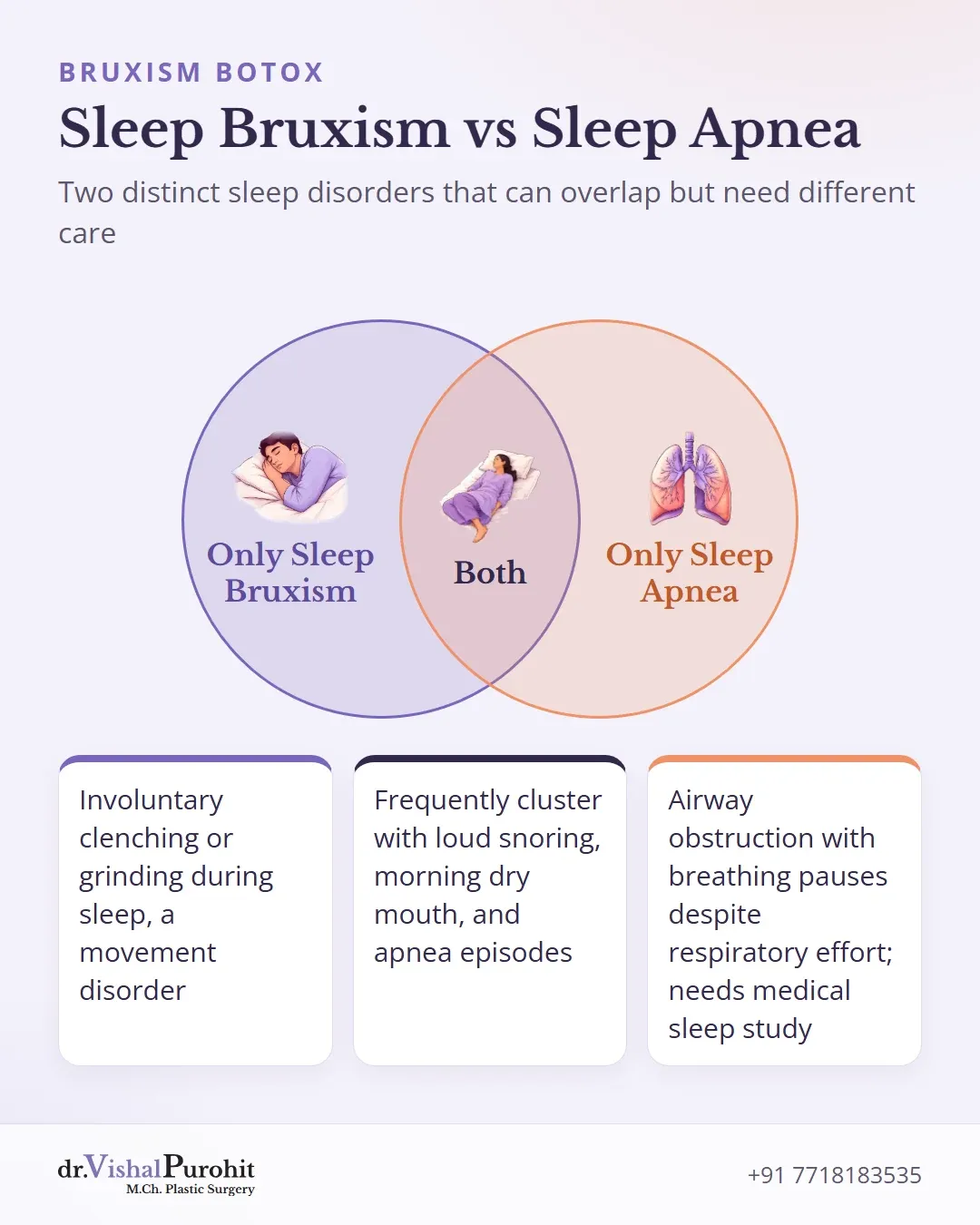
Sleep bruxism is a sleep-related movement disorder involving involuntary clenching or grinding of the teeth during sleep10.
Obstructive sleep apnea involves airway obstruction with transient interruption of breathing despite ongoing respiratory effort11. Injections of botulinum toxin type A into the masticatory muscles reduce muscle activity by acting on neuromuscular junctions12, but relaxing jaw muscles does not treat underlying airway obstruction.
Polysomnography (sleep study) in a sleep centre uses sensors to monitor breathing, heart rate, brain activity, and muscle activity to detect sleep-related disorders and assess grinding13. Instrumental confirmation with polysomnography or electromyography establishes a diagnosis of definite sleep bruxism10.
When sleep-disordered breathing is suspected, a coordinated medical sleep assessment or formal polysomnography is essential before planning jaw muscle injections.
Clinical Consultations in Jaipur for Jaw Pain Assessment
Accurate clinical evaluation remains the foundation for addressing masticatory muscle pain, dental wear, and related headaches. Differentiating structural joint problems and sleep disorders from muscular hyperactivity ensures appropriate, coordinated care. Patients considering jaw muscle relaxation can explore Bruxism Botox in Jaipur for procedural details or consult the Bruxism Botox FAQs to understand assessment protocols, clinical photography records, and treatment considerations.
This is educational information, not medical advice.