Managing Pain, Swelling, and Tightness After Breast Augmentation: A Recovery Guide
It is normal to feel pain, swelling, or tightness after breast augmentation. This is just your body’s natural way of healing. These feelings usually fade as your body gets used to the implants.
Dr. Vishal Purohit (M.Ch. Plastic Surgery) at Kalpana Aesthetics will guide your recovery. He focuses on your safety and comfort.
Follow your custom recovery plan to heal well. This helps you reach your goals of confidence and natural results.
You can learn more about breast augmentation in Jaipur to get the support you need. Proper aftercare helps you get back to your daily life faster. It also protects your beautiful new look.
Effective Pain Management Protocol After Breast Augmentation
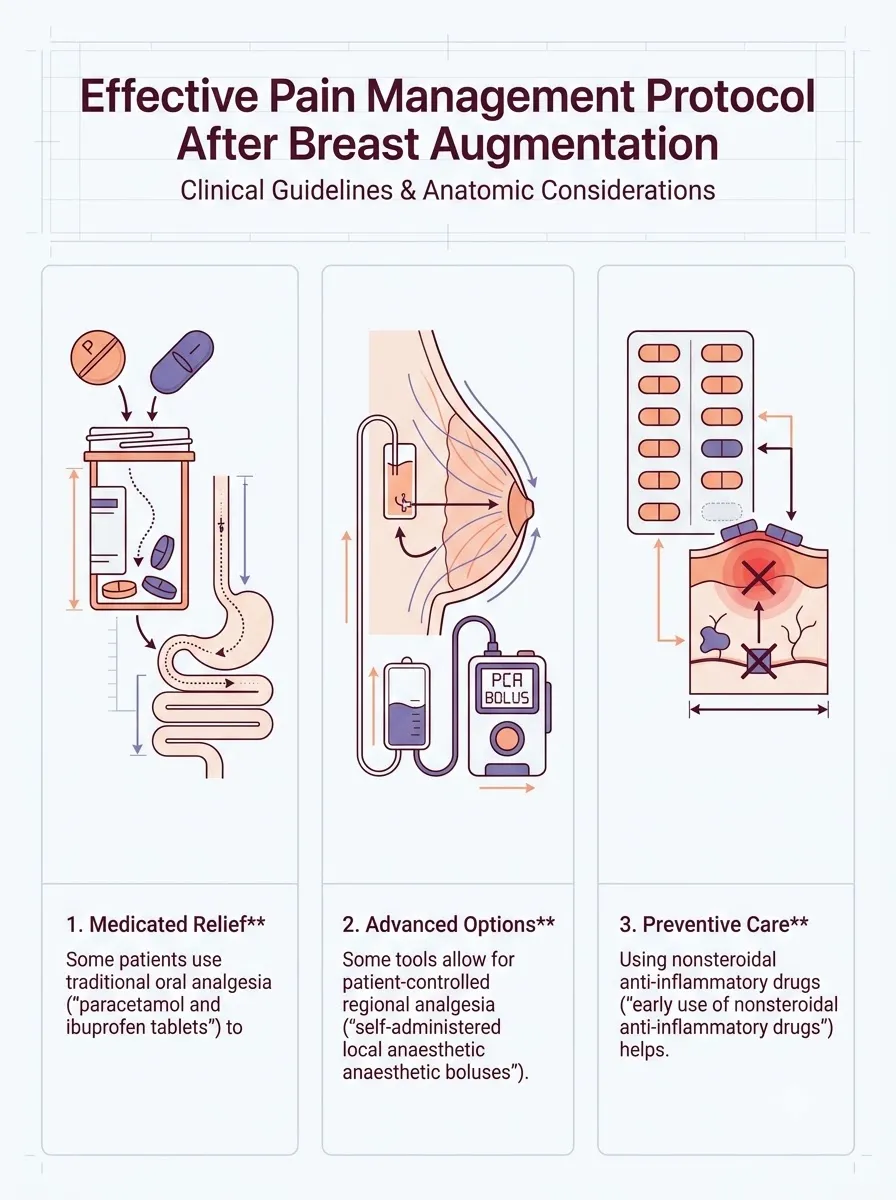
Managing acute pain is the key to your comfort. We use medicine and gentle care to help you heal. This lets you focus on your new confidence.
Your doctor will give you a strict medication schedule. This helps you take your analgesics (painkillers) on time.
Take your medicine before the pain gets bad. We use pain titration, which means we adjust your dose based on how you feel.
We use different ways to keep you pain-free:
- Medicated Relief: Some patients use traditional oral analgesia1 to manage discomfort.
- Advanced Options: Some tools allow for patient-controlled regional analgesia (“self-administered local anaesthetic boluses”) for better relief.
- Preventive Care: Using nonsteroidal anti-inflammatory drugs (“early use of nonsteroidal anti-inflammatory drugs”) helps lower early pain.
- Movement: Starting early arm movement (“return to activity as soon as possible”) helps stop muscle spasms.
Following these steps makes your recovery smooth. This professional plan ensures your results look and feel great.
Recommended Pain Medications
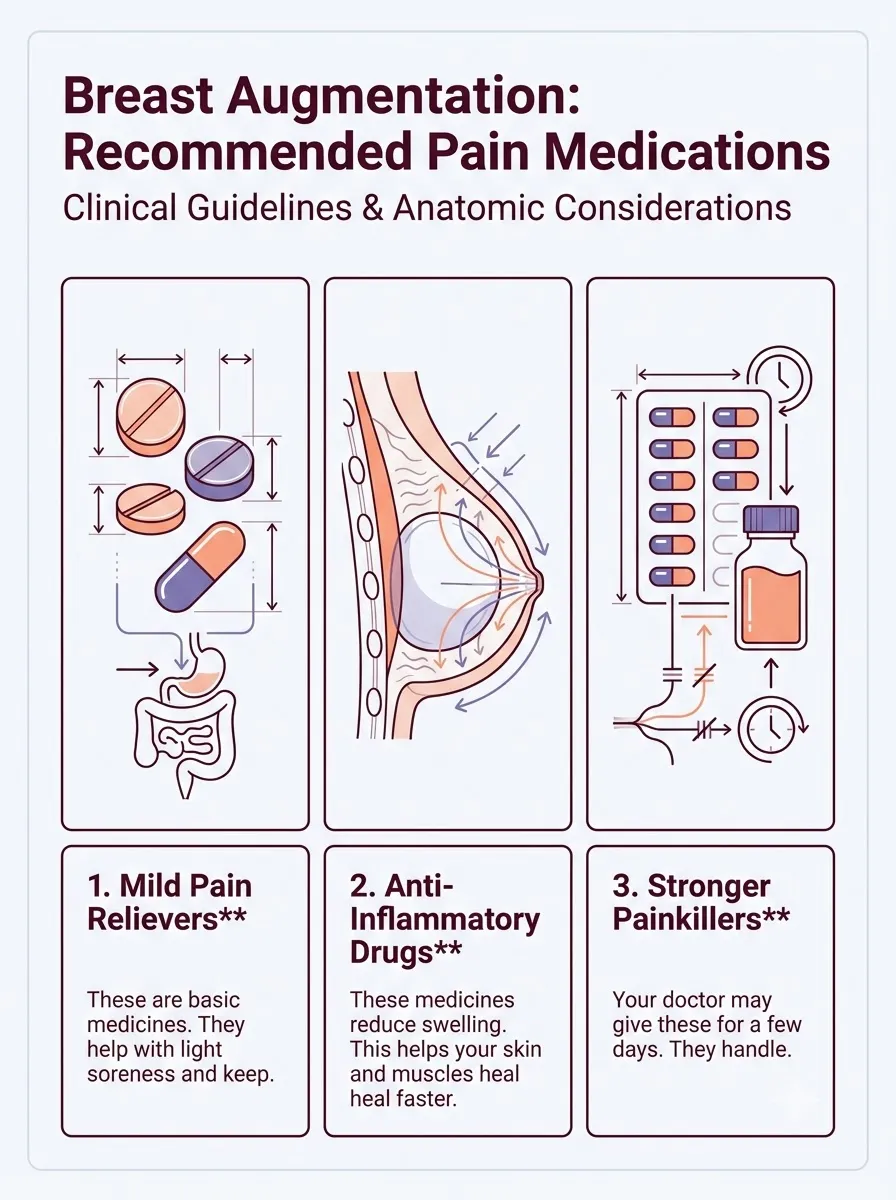
Your doctor will give you a list of prescribed analgesics. These are medicines made to stop pain.
Follow the correct dosage carefully. This is the best way to get steady pain relief.
- Mild Pain Relievers: These are basic medicines. They help with light soreness and keep you comfortable.
- Anti-Inflammatory Drugs: These medicines reduce swelling. This helps your skin and muscles heal faster.
- Stronger Painkillers: Your doctor may give these for a few days. They handle the worst pain right after surgery.
- Combination Therapy: Using two types of medicine together often works best. This attacks the pain from different angles.
Duration of Acute Post-Surgical Pain
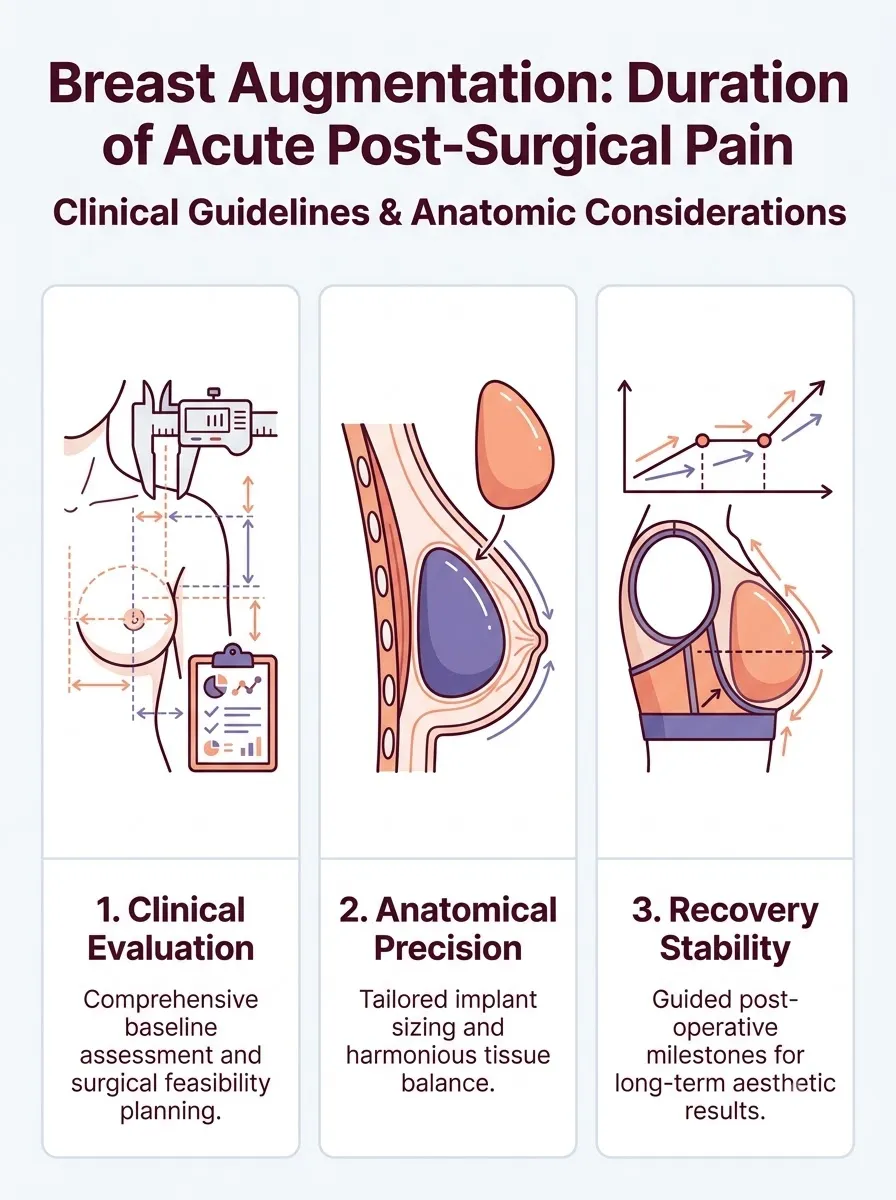
Most patients feel the most soreness during the first 48 hours after surgery. This is when your body reacts most to the procedure.
You may feel a heavy or tight sensation in your chest. This is normal during the first few days.
Your recovery timeline shows that sharp pain fades quickly. After the second day, it usually turns into a dull ache.
This change is a normal part of healing. Most people need less medicine by the end of the first week.
You will start to feel more like yourself soon. You will feel more comfortable as your body adjusts to your new look.
Understanding and Reducing Post-Surgical Edema (Swelling)
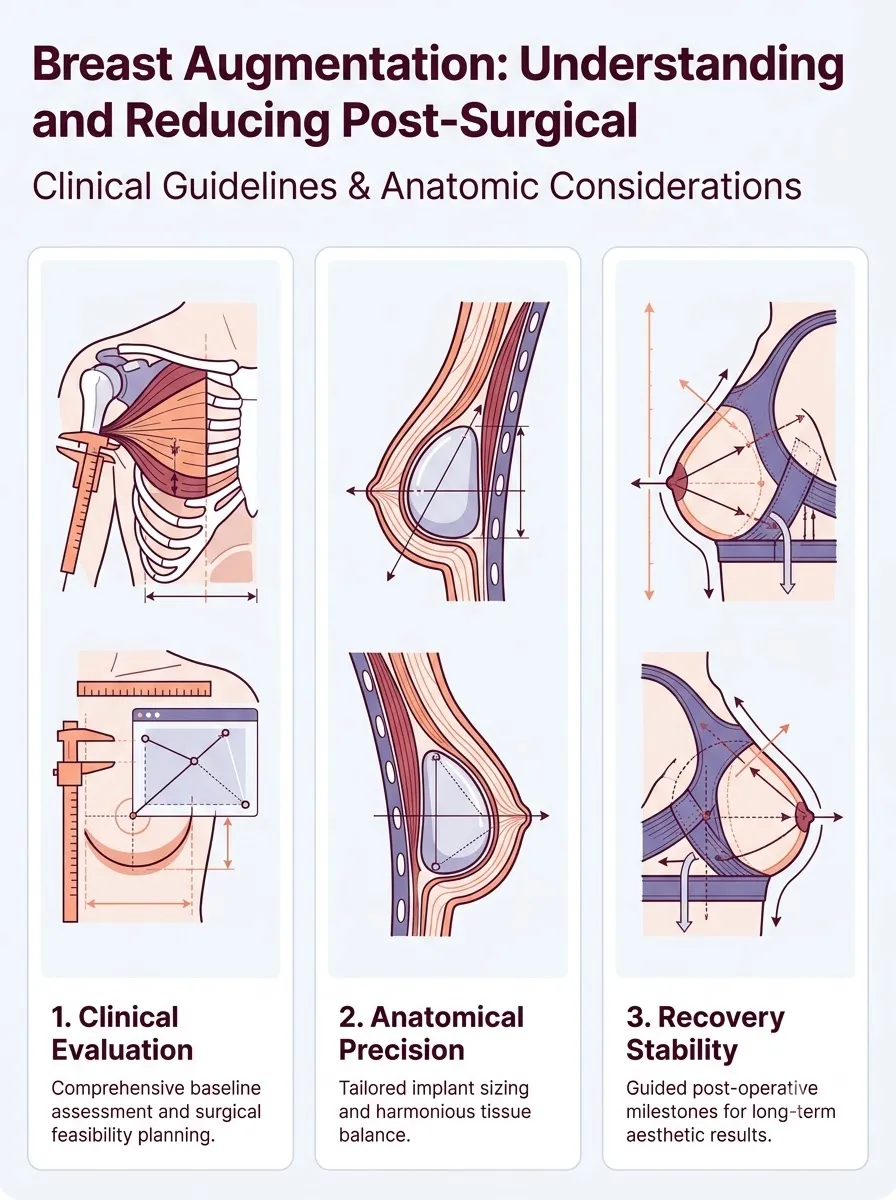
Edema is the medical word for swelling. It happens when fluid builds up in your body’s tissues.
This is a natural inflammatory response as you heal from surgery. Your breasts may look larger or feel hard at first. This is normal and will go away.
You might notice uneven swelling while you recover. One breast may look bigger or different than the other.
This happens because different parts of your body heal at different speeds. Do not worry if they do not look the same right away. Your final shape appears once the fluid clears.
Your body uses lymphatic drainage to help you heal. This system carries extra fluid away from your surgery site.
Light walking helps this system move fluid faster. Try to keep your upper body slightly raised while you sleep. These simple steps help you feel more comfortable and confident.
Why Uneven Swelling Occurs
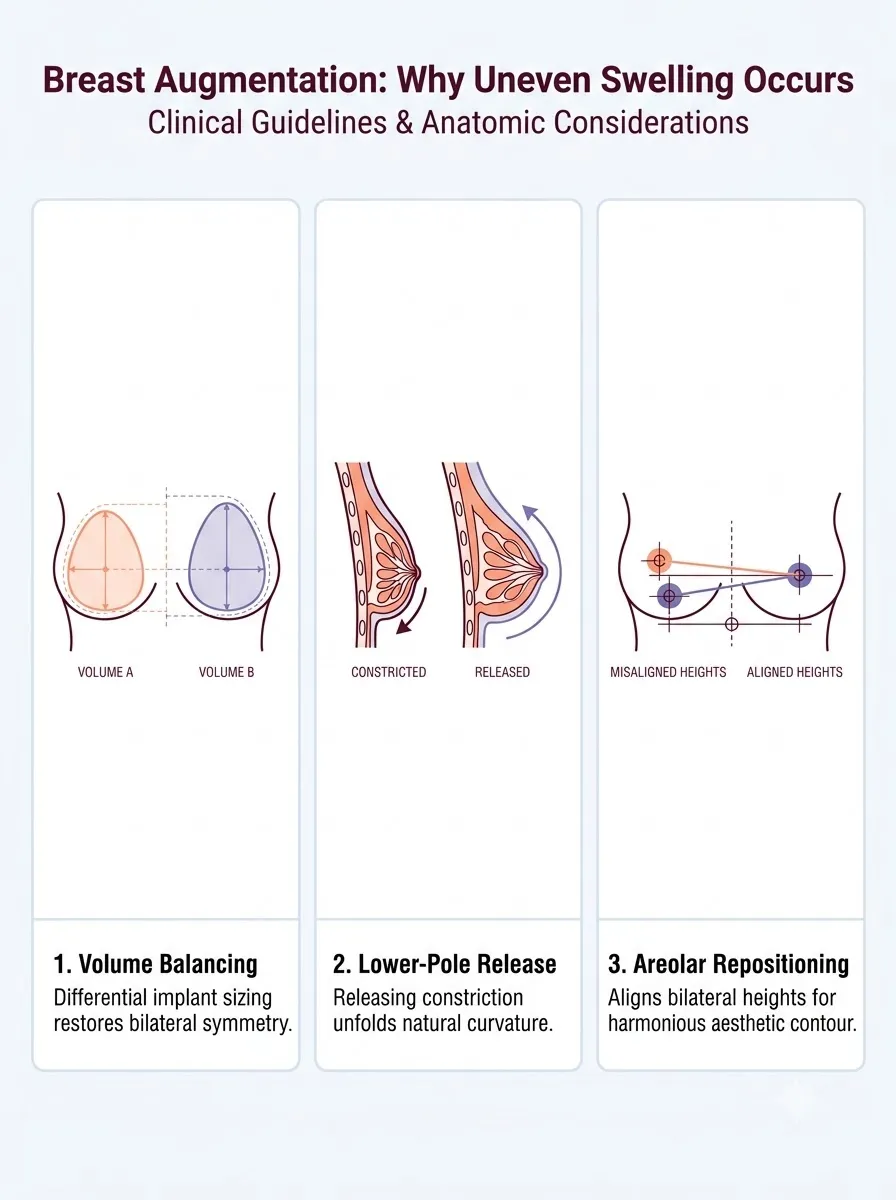
It is common to see asymmetry in your breasts for the first few weeks. This means one side may look larger or higher than the other.
This happens because your body does not heal at the same speed on both sides.
Fluid accumulation is the main cause of this difference. Your body sends fluid to the area to help the skin and muscle heal.
One breast often holds more fluid than the other for a short time.
This imbalance is a part of normal recovery. Your breasts will not reach their final, natural shape right away.
As the swelling goes down, your breasts will look more even and balanced.
Strategies to Reduce Swelling Faster
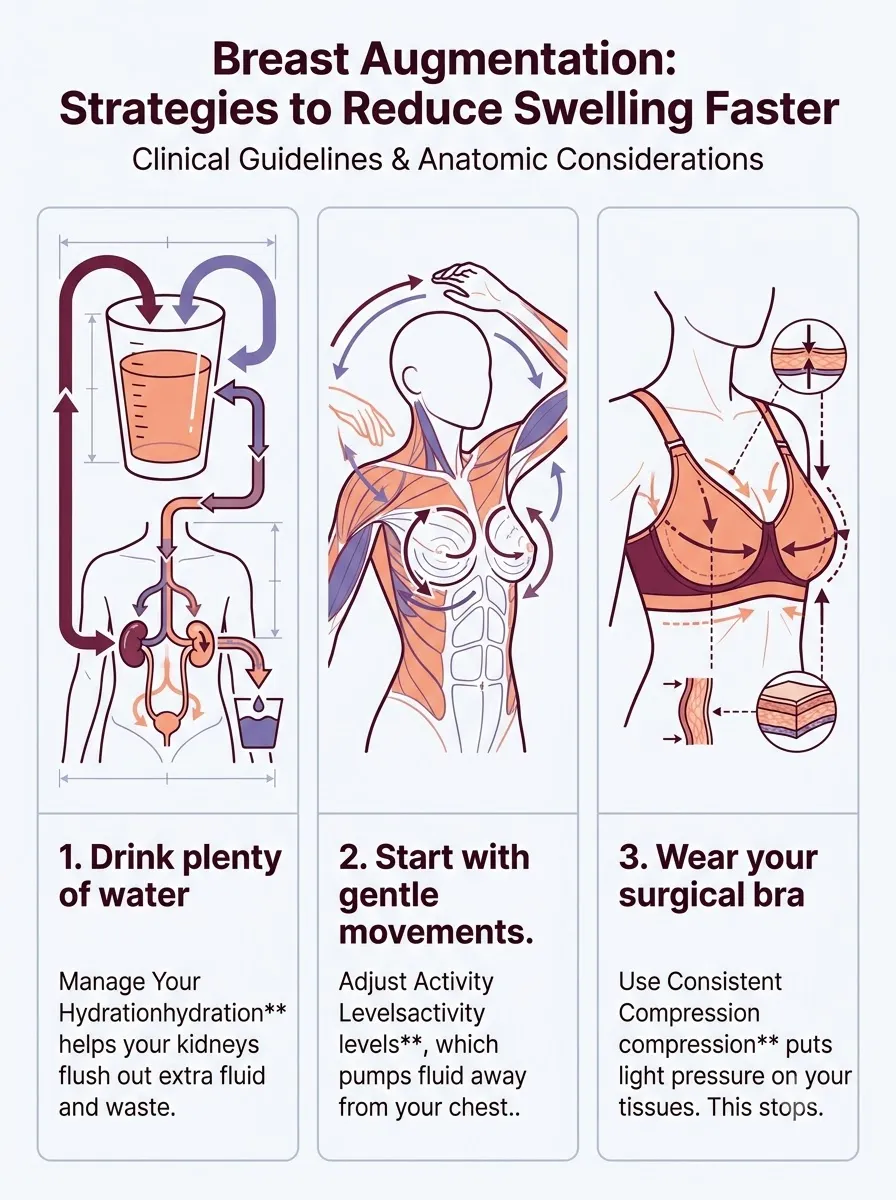
You can help your body clear fluid faster with a few simple habits. These steps support your healing. They help your new shape emerge.
- Manage Your Hydration: Drink plenty of water every day. Proper hydration helps your kidneys flush out extra fluid and waste.
- Adjust Activity Levels: Start with gentle movements. Light walking increases your activity levels, which pumps fluid away from your chest. Avoid heavy lifting or gym workouts until your doctor says it is safe.
- Use Consistent Compression: Wear your surgical bra or support garment as directed. Proper compression puts light pressure on your tissues. This stops fluid from building up.
- Sleep With Elevation: Keep your head and chest raised with two or three pillows. Gravity moves swelling away from your breasts while you rest.
- Limit Salt Intake: Eat foods low in sodium for the first few weeks. Too much salt makes your body hold onto water. This increases swelling.
Managing Chest Wall Tightness and Sensation
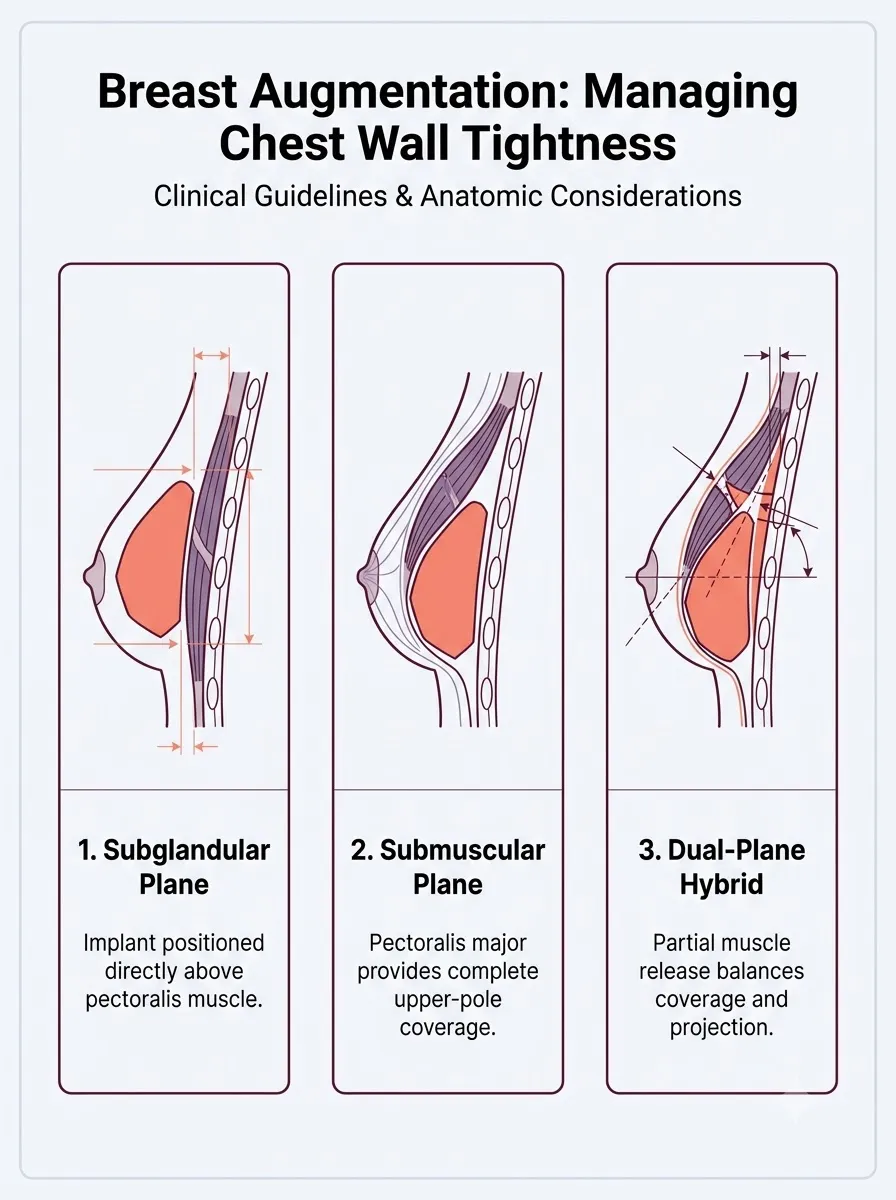
It is normal to feel chest wall tightness after surgery. Your skin and muscles need to adjust to the new implant positioning.
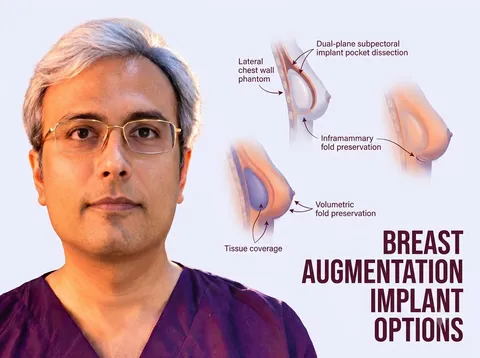
If your implant is under the muscle, you will feel muscle stretching. This happens as the tissue expands. It is a standard part of healing.
Learn the difference between normal healing and a problem. Normal tightness feels like a firm pull or pressure. It slowly gets better over several weeks.
This feeling depends on the surgical technique used to make the implant pocket.
Some patients have a natural dip in their chest. In these cases, surgeons may use custom-made implants because “Accurately fitting of the implant to the chest wall is achieved by obtaining a precise defect template.”
Most breast augmentations use standard sizes. However, the goal is always a natural fit. Tightness shows that your body is adapting to the new volume.
Causes of the ‘Tight’ Sensation
That tight feeling often comes from your pectoral muscle. This is the large muscle in your chest.
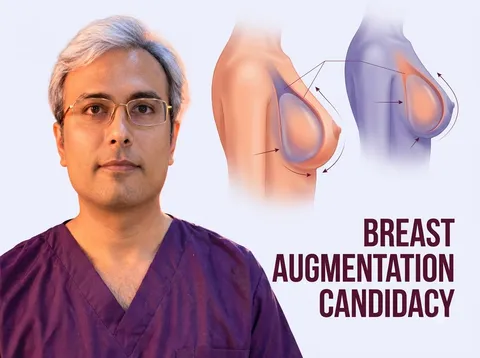
Your muscle must stretch to fit the new implant volume. This tissue expansion creates a feeling of pressure or restriction.
This happens because the implant takes up new space. Sometimes, this “pressure effect on the nerve” compromise of nerve function2 can cause temporary changes in feeling.
You may feel this more if your breast area is smaller. Tightness depends on how the implant fits your body.
High tension happens when “the implant is placed under a relatively small breast” sensory alterations3. Your body will slowly relax as the tissues soften.
Timeline for Tightness Resolution
The tight feeling in your chest won’t go away overnight. You will notice tissue softening as your skin and muscles relax. This usually takes a few weeks or months.
Most patients go through a phase called drop and fluff. This is when your implants settle into their final spot. Your breasts will look more natural and feel less stiff.
Long-term recovery for your chest wall takes more time. You will usually get full flexibility and a natural feel by six months. Your body slowly gets used to the new volume during this time.
Post-Surgical Compression Care at Kalpana Aesthetics
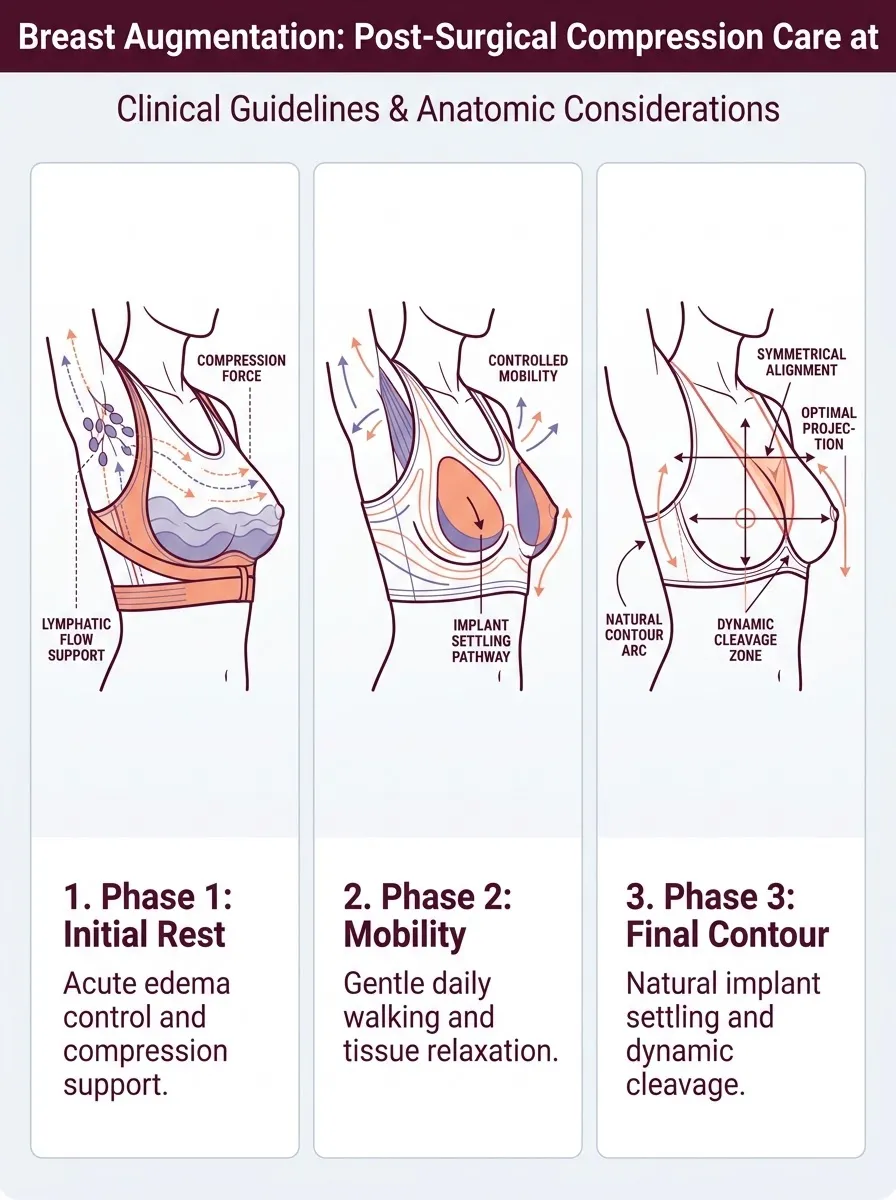
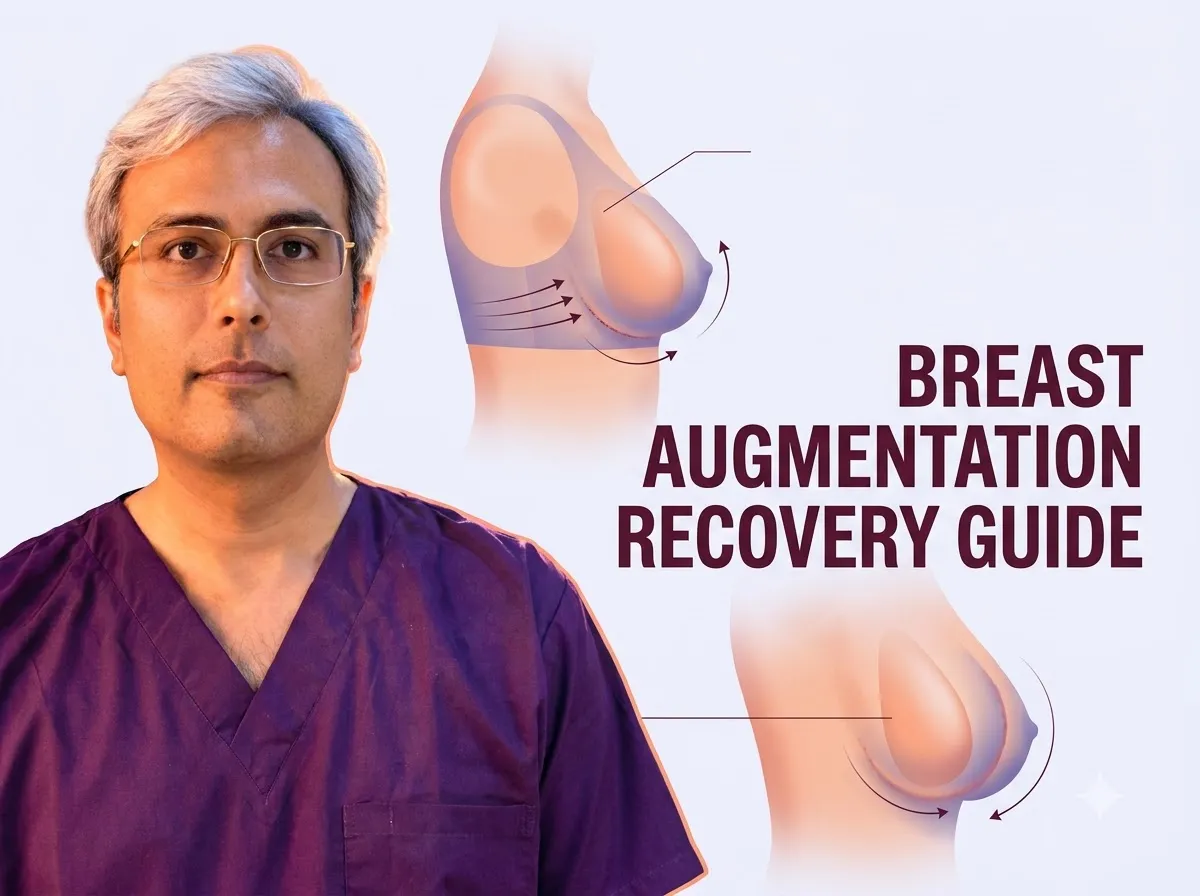
Wearing a compression garment is a big part of your healing. This special wrap puts gentle pressure on your chest.
This pressure stops fluid from building up. It also keeps swelling down and helps with implant stability.
You will likely start with a surgical bra. This bra holds your tissue firmly against your chest.
This stops implants from moving to avoid “postoperative shifting or motion of the prosthesis” capsule thickening4. Less movement means a smoother recovery.
Later, you will switch to a support bra. This bra has less pressure but still gives you lift.
It helps your skin and muscles feel less tight. Wearing these bras ensures your results look natural and feel great.
Guidelines for Wearing Support Garments
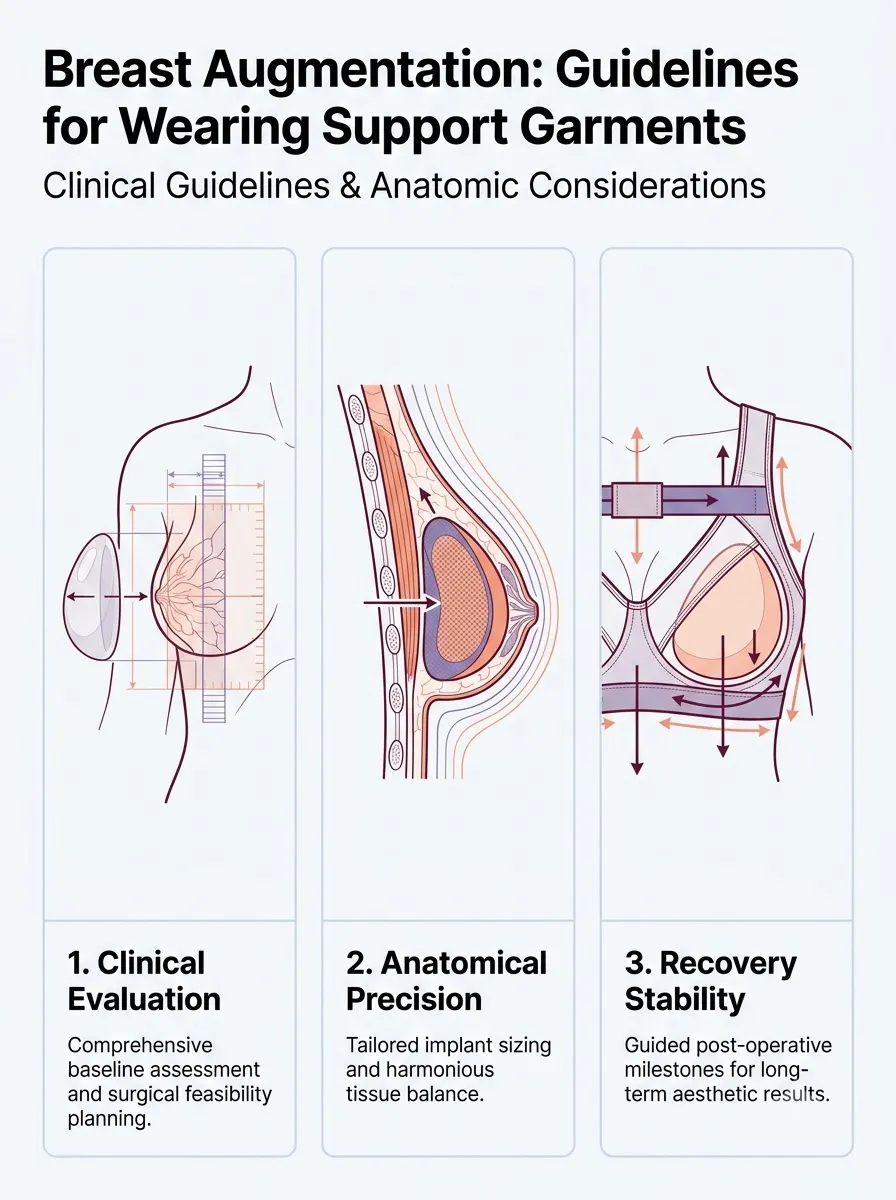
You must follow a strict bra schedule for the best results. A post-surgical bra helps your breasts heal in the right shape.
A proper fit is very important. The right “range is best to maintain soft tissue support” bra cup measurements5.
Loose bras will not stop swelling. Bras that are too tight can hurt your skin.
Follow this guide for your garments:
| Recovery Phase | Recommended Garment | Daily Wear Hours | Purpose |
|---|---|---|---|
| Weeks 1-2 | Surgical Compression Bra | 24 hours a day | Maximum stability and swelling control. |
| Weeks 3-6 | Supportive Non-Wired Bra | 16-24 hours a day | Gradual transition to natural support. |
| Month 2+ | Your Preferred Underwire Bra | As needed | Long-term shape and lift. |
Watch out for early removal risks. Taking your bra off too soon can cause more swelling.
It can also make your implants shift. This may change how your breasts look. Always ask your surgeon before you change your bra type.
Warning Signs: Distinguishing Normal Recovery from Complications
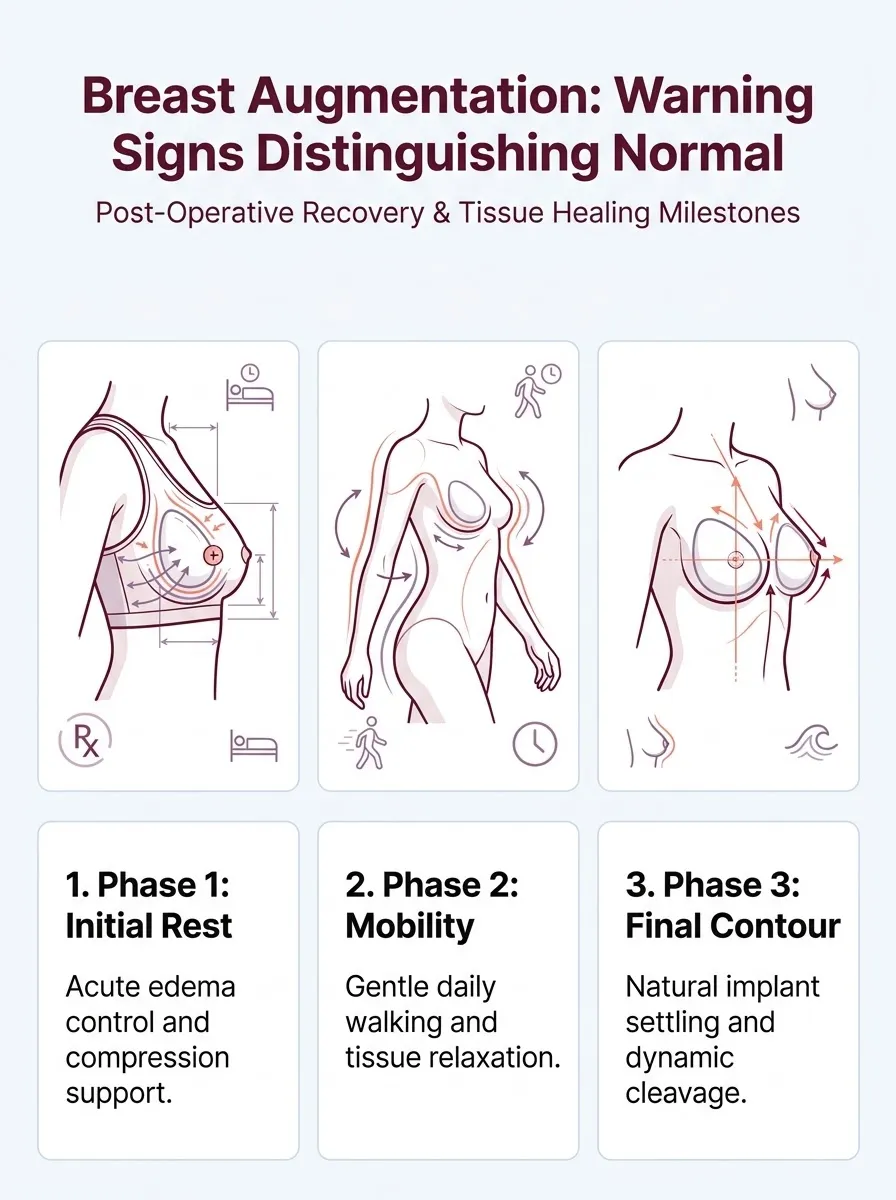
Most people heal well, but you need to know the red flags. Some soreness or mild tightness is normal.
However, sudden tightness in one breast is not normal. This could be a hematoma, which is blood building up around the implant.
A hematoma often makes one breast look larger. It may also feel harder than the other side.
Watch for signs of an infection. This happens when germs get into the surgery site.
Check for skin that feels hot. Look for bright red streaks on your skin.
You might also have a high fever or chills. These are potential complications that need fast medical care.
Do not wait for these symptoms to go away. Call your surgeon right away if you see these changes.
Fast action protects your health and your results. Your safety is the most important part of your journey.
Critical Symptoms Requiring Immediate Visit to Jaipur Hospital
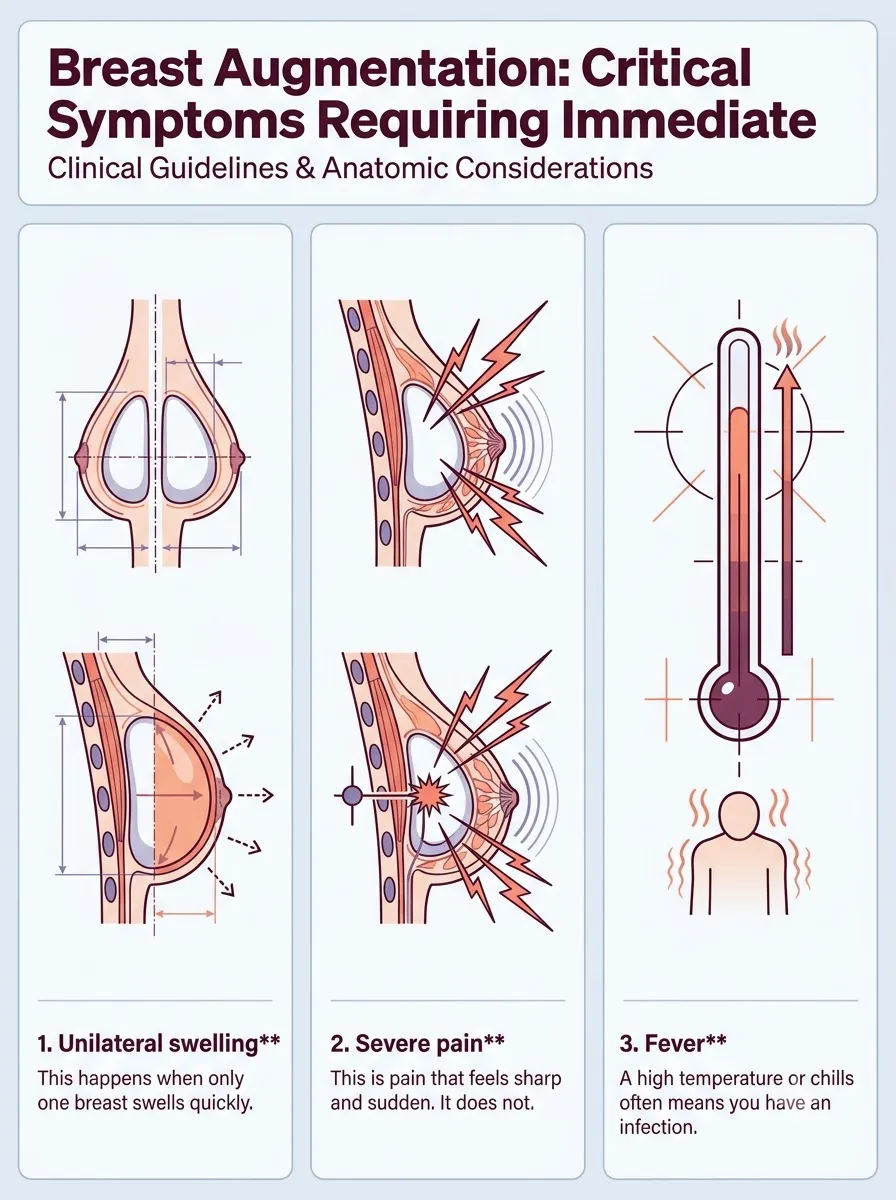
Most people heal without any problems. However, some symptoms are emergencies.
Call your surgeon or go to the hospital right away if you notice these things:
- Unilateral swelling: This happens when only one breast swells quickly.
- Severe pain: This is pain that feels sharp and sudden. It does not get better with your medicine.
- Fever: A high temperature or chills often means you have an infection.
- Excessive redness: Your skin may look bright red or feel hot. You might see red streaks moving away from the cut.
- Shortness of breath: Seek help for any sudden chest pain or trouble breathing.
- Fluid leakage: Watch for pus or strange fluids leaking from your surgical cuts.
Optimize comfort and reduce swelling by following our sleeping, travel, and posture tips after breast augmentation.
Frequently Asked Questions
What is the normal pain and tightness level after breast augmentation?
Patients typically experience moderate chest tightness, muscular soreness similar to an intense workout, and skin fullness that peaks within 48 to 72 hours, managed effectively with prescribed oral analgesics by Dr. Vishal Purohit in Jaipur. Submuscular dual-plane placement produces more initial tightness than subglandular placement. As an M.Ch plastic surgeon, Dr. Purohit uses multi-modal nerve block protocols to keep discomfort minimal.
How does Dr. Vishal Purohit minimize post-operative pain during surgery?
Dr. Vishal Purohit in Jaipur employs long-acting local anesthetic intercostal nerve blocks (ropivacaine) and tumescent pocket infiltration during surgery, providing up to 18 hours of continuous post-operative numbness. Combining anti-inflammatory medications with muscle relaxants ensures patients wake up comfortable and nausea-free. Dr. Purohit’s gentle surgical handling significantly accelerates early convalescence.
When does breast swelling and muscle tightness resolve completely?
Acute swelling and severe tightness subside significantly within 2 to 3 weeks, with 80% resolving by week 6 and complete tissue softening achieved at 3 to 6 months with Dr. Vishal Purohit in Jaipur. Pectoral muscles gradually stretch and adapt to the new implant volume. As an M.Ch. plastic surgeon, Dr. Purohit conducts milestone checks to ensure balanced, natural tissue relaxation.
Can cold compresses or heating pads be applied to the breasts?
Ice packs can be applied gently to the upper chest for 10 minutes at a time during the first 48 hours, but direct application of heating pads or extreme ice to the breasts is strictly prohibited by Dr. Vishal Purohit in Jaipur. Numb skin from surgery cannot detect thermal injury, creating severe burn risks. Dr. Purohit provides safe, approved comfort guidelines upon discharge.