
Careful preparation before a dermal filler procedure helps reduce procedural bruising and supports safe tissue healing. Patients planning injections benefit from organizing past aesthetic records, noting health conditions, and discussing current supplements with an M.Ch. plastic surgeon.
Understanding procedural timing, infection precautions, and event scheduling ensures realistic recovery expectations. Learning who should avoid or postpone dermal fillers helps individuals determine appropriate medical candidacy before arranging an aesthetic consultation.
Medical and Product History to Bring
Patients preparing for a dermal filler consultation should compile a detailed record of their general health and prior cosmetic procedures123. Sharing this background allows the surgeon to identify potential contraindications and plan treatment safely23.
Key Details to Document
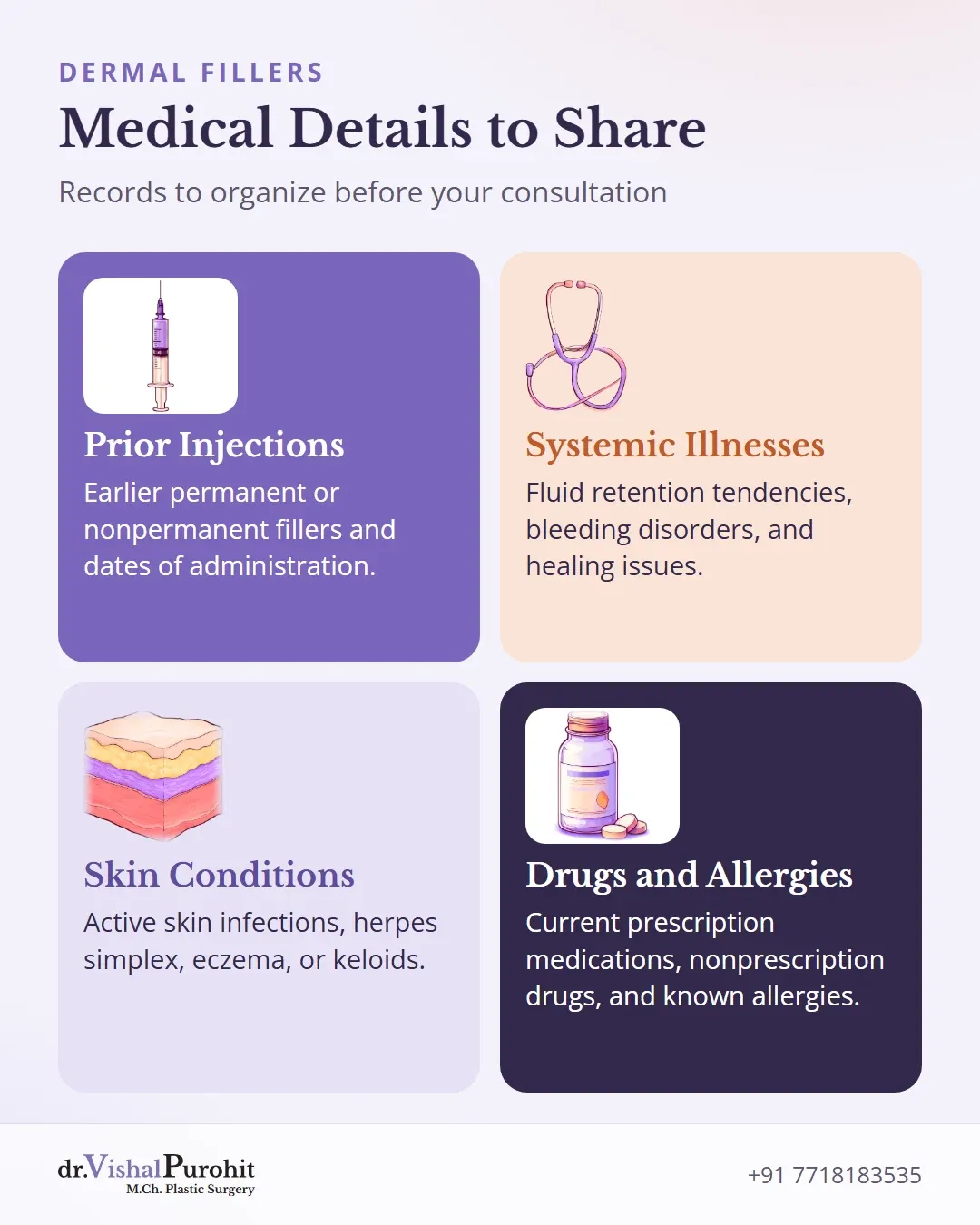
- Prior aesthetic procedures: A complete log of previous cosmetic treatments, including earlier permanent or nonpermanent fillers and dates of administration134.
- Medical conditions and skin health: Ongoing systemic illnesses, fluid retention tendencies, bleeding disorders, poor wound healing, or skin conditions such as active infections, herpes simplex, eczema, or keloid scarring1456.
- Medications and allergies: A full list of current prescription drugs, over-the-counter medicines, and known drug or substance allergies13.
Documenting earlier facial injectables helps clinicians assess the structural tissue plane and consider risks such as localized swelling47. Pretreatment evaluation also considers the timing of other medical procedures or immunizations to reduce inflammatory or hypersensitivity reactions3.
Medication and Supplement Review
Bruising and localized bleeding are recognized side effects of dermal filler procedures89. Certain over-the-counter medications and dietary supplements interfere with normal hemostasis and platelet function, significantly increasing the likelihood and extent of bruising101112.
Key points
- Common over-the-counter medications and dietary supplements can increase bruising and bleeding risks during filler procedures.
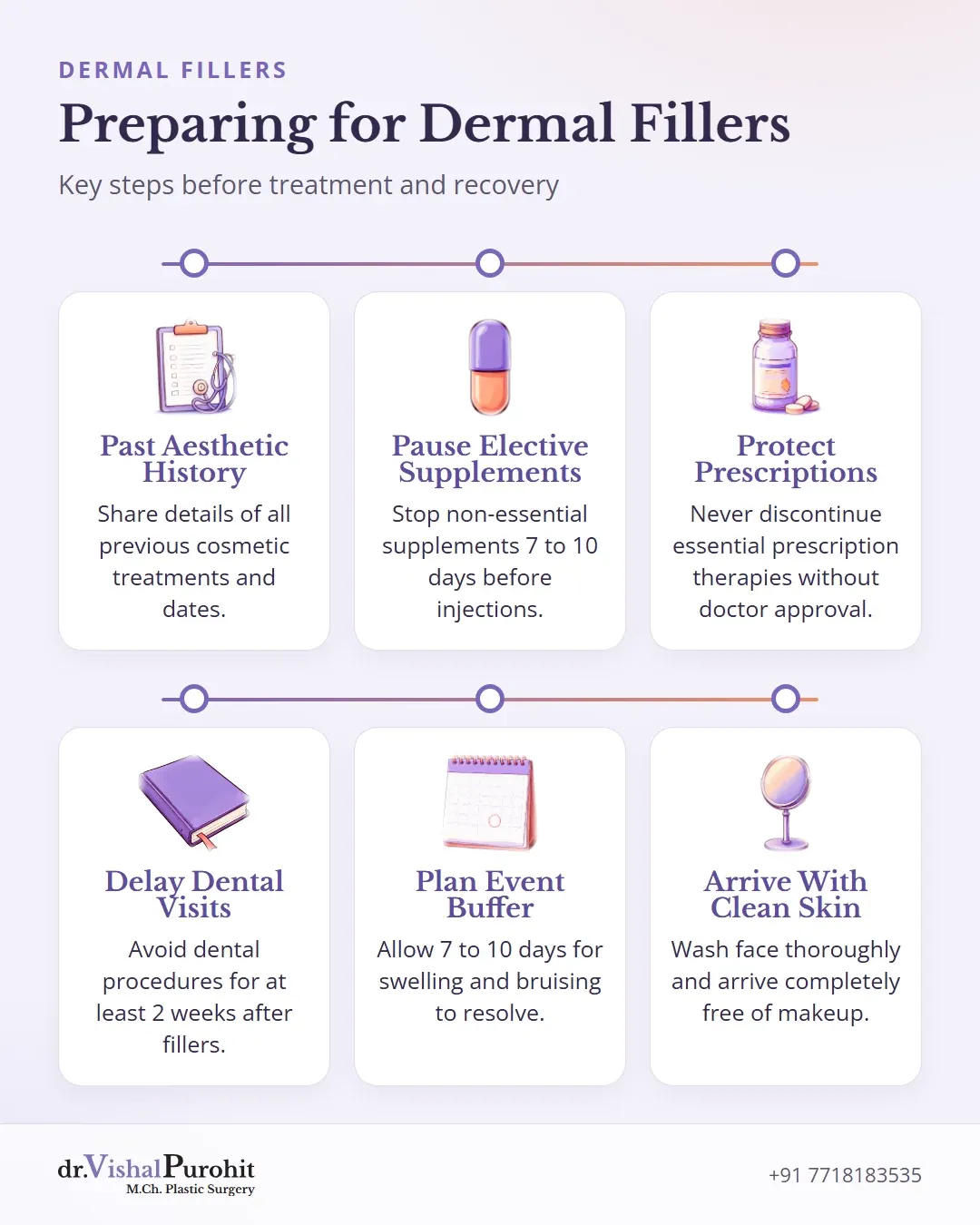
- Elective supplements and anti-inflammatory agents are often paused 7 to 10 days before treatment.
- Prescribed anticoagulants and essential medications must never be stopped without consulting the prescribing physician.
Common substances known to heighten bruising risks include:
- Non-steroidal anti-inflammatory drugs (NSAIDs) and aspirin1112
- Herbal and dietary supplements such as Ginkgo biloba, high-dose vitamin E, garlic, and ginseng1012
- Other non-essential supplements including fish oil10
In general clinical literature, pausing non-essential supplements and elective over-the-counter anti-inflammatory agents 7 to 10 days before treatment is often suggested to minimize bruising13.
Protecting Prescribed Regimens
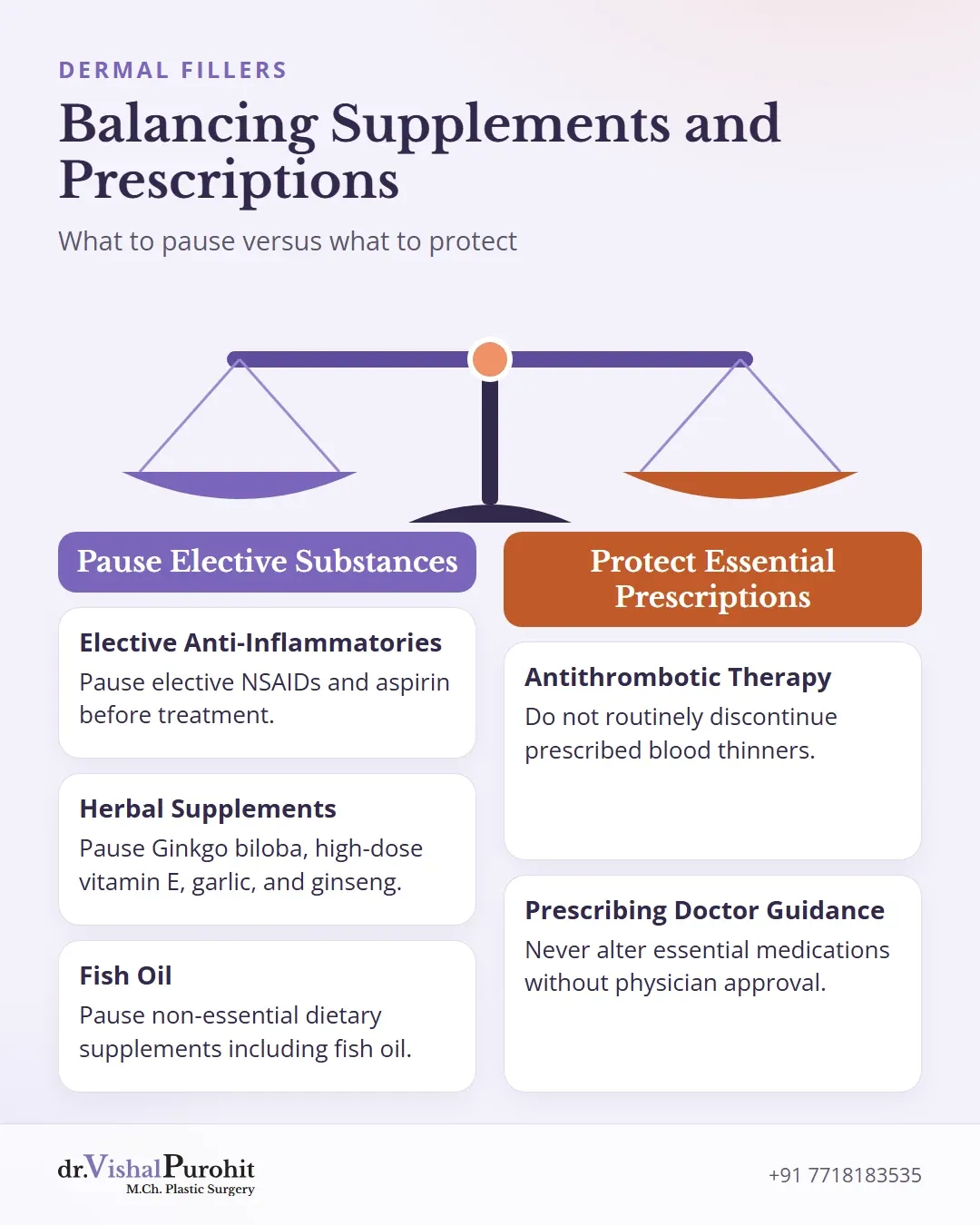
Patients must share a full, accurate list of all current medications and supplements during their consultation1214. However, medically indicated antithrombotic therapy should not be routinely discontinued simply to reduce bruising associated with minimally invasive aesthetic procedures12.
Patients must never stop or adjust any prescribed anticoagulant or essential medication without direct guidance from their prescribing physician1012. Any treatment plan must carefully balance procedural bleeding risks against individual medical needs12.
Illness Dental Work and Cold-Sore Management
Medical history and pending procedures are reviewed carefully before scheduling dermal filler treatment3.
Key points
- Active infections require rescheduling filler treatments to limit inflammatory reactions.
- Dental work should be avoided for at least two weeks following hyaluronic acid injections.
- Patients prone to cold sores may require prophylactic antivirals before perioral procedures.
Illness and Dental Procedures
A detailed assessment of systemic disease and active skin conditions helps determine whether an injection appointment should proceed3. Treatment plans are structured around pending medical care, dental visits, and immunizations to limit inflammatory reactions or hypersensitivities from a heightened immune system3.
- Injections in the presence of an active infection are contraindicated15.
- Following hyaluronic acid injections, guidelines advise patients to avoid dental work for at least 2 weeks4.
- Routine appointments should be rescheduled if an acute illness or infection develops prior to treatment315.
History of Cold Sores
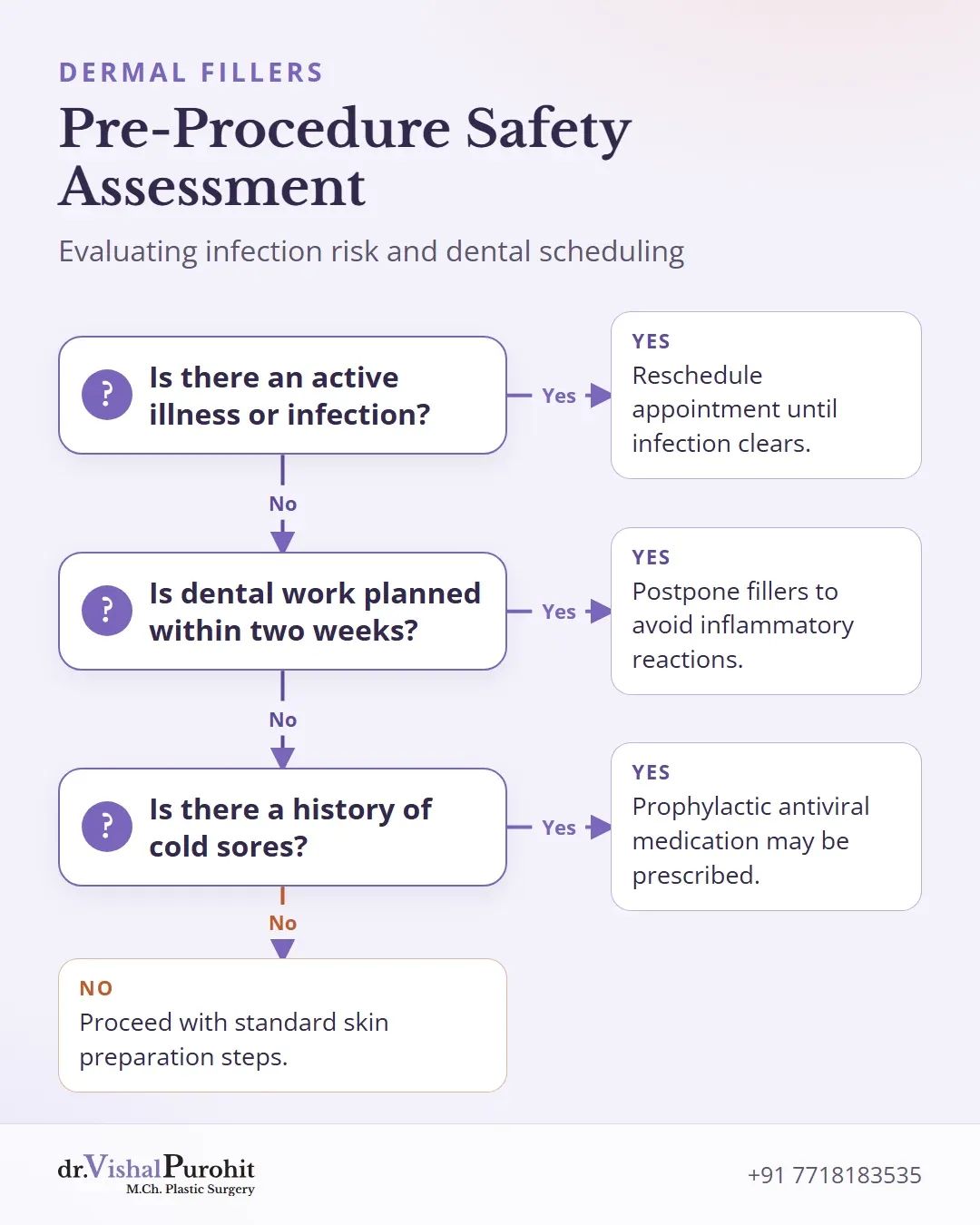
Herpes simplex virus (HSV) reactivation can occur following filler injections, particularly around the mouth or lips1216.
Patients prone to cold sores should inform the doctor before receiving perioral treatment1516:
Scheduling Around Major Events
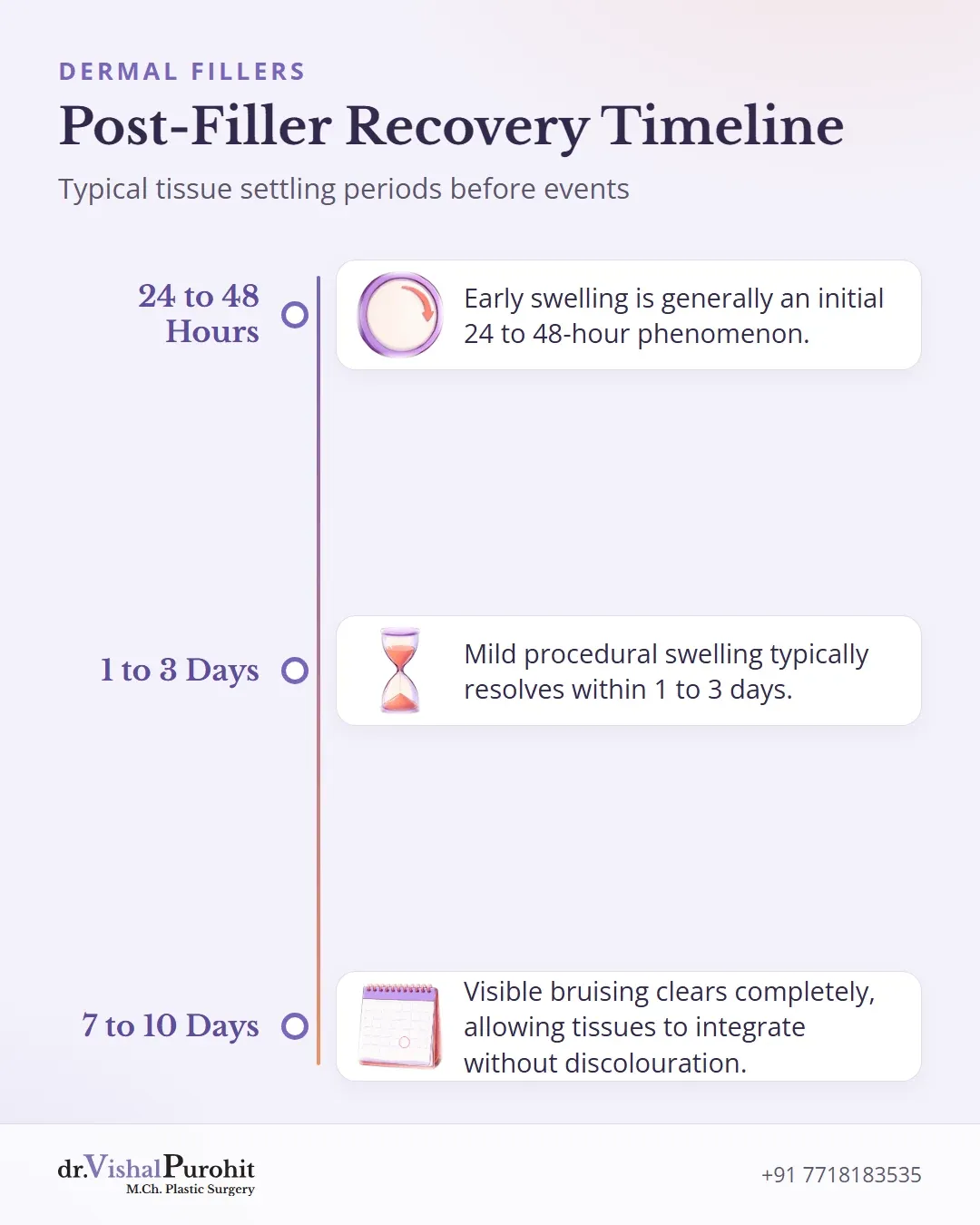
Scheduling a dermal filler treatment before significant personal milestones, weddings, photographic sessions, or major public engagements requires planning for expected recovery phases. Normal post-treatment tissue responses include mild swelling and bruising, which take time to settle before the treated areas stabilize.
Evidence indicates that post-procedure swelling and bruising follow a typical resolution window:
- Swelling is generally a 24- to 48-hour phenomenon1920, though literature notes that it typically resolves in 1 to 3 days21.
- Visible bruising can persist for as long as a week19, or may last 7 to 10 days depending on the extent of the bruise21.
Providing adequate buffer time allows these early tissue changes to clear completely and permits the injectable gel to integrate without residual fullness or discolouration. Scheduling treatments too close to an important function risks attending with noticeable bruising or transient asymmetry.
For those with upcoming engagements, reviewing event dates with an M.Ch. plastic surgeon during the initial consultation helps establish a realistic timeframe tailored to individual healing.
Clinic Instructions for Treatment Day
Proper preparation on the day of an appointment helps create an organised setting for facial injections.
Skin Cleansing and Arrival
Literature recommends coming to the appointment with a cleanly washed face without make-up22. Washing off all cosmetic products prior to injection is advised23, as appropriate skin preparation and strict aseptic technique are necessary steps to help prevent bacterial or viral infections12.
Appointment Planning and Travel
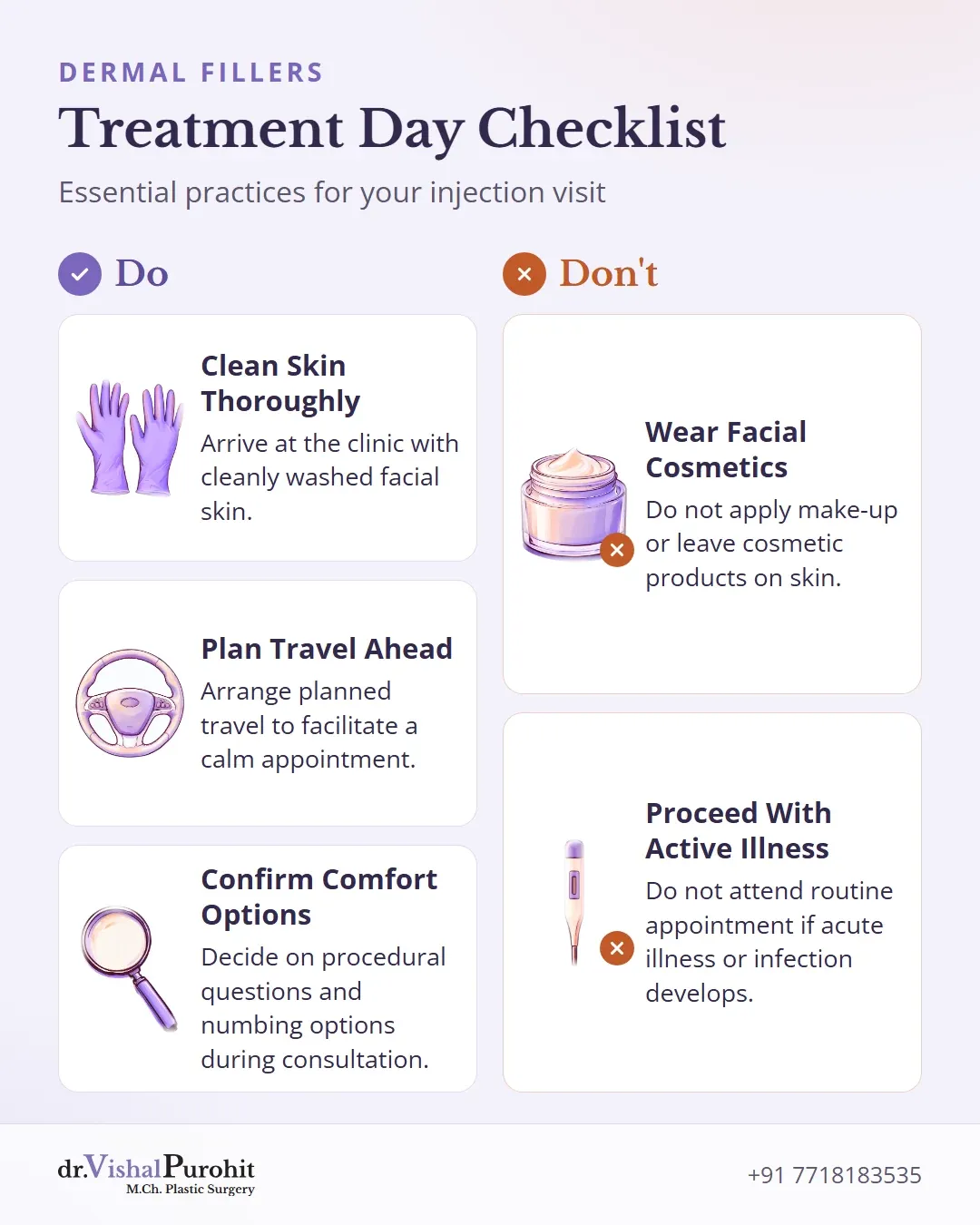
Arriving with clear, makeup-free skin and planned travel arrangements facilitates a calm appointment.
Any procedural questions or comfort measures, including the choice of numbing method, are also decided at the consultation.
Arranging a Dermal Filler Consultation in Jaipur
Planning facial injectable procedures requires individualized medical guidance and thorough preparation. Prospective patients seeking Dermal Fillers in Jaipur can review their complete health history, medication profile, and procedural expectations directly with an M.Ch. plastic surgeon. For further clarity regarding candidacy, preparation steps, and safety precautions, reading the Dermal Fillers FAQs provides helpful information before scheduling a private clinical assessment.
This is educational information, not medical advice.