Undergoing multiple cosmetic improvements can refresh physical contours after pregnancy, but extended surgical times demand thoughtful preparation. Combining procedures requires clear communication between patient and surgeon to ensure every protective safeguard is in place.
When planning a mommy makeover in Jaipur, Dr. Vishal Purohit assesses each candidate’s medical history to address potential circulatory complications before scheduling combined procedures.
Evaluating how combined procedures influence circulation helps determine whether One Operation or Two Stages: Planning a Mommy Makeover provides a safer path. Understanding personal risk factors and proactive clinic protocols allows patients to plan recovery with safety at the forefront.
Why Body Contouring Raises Clot Risk
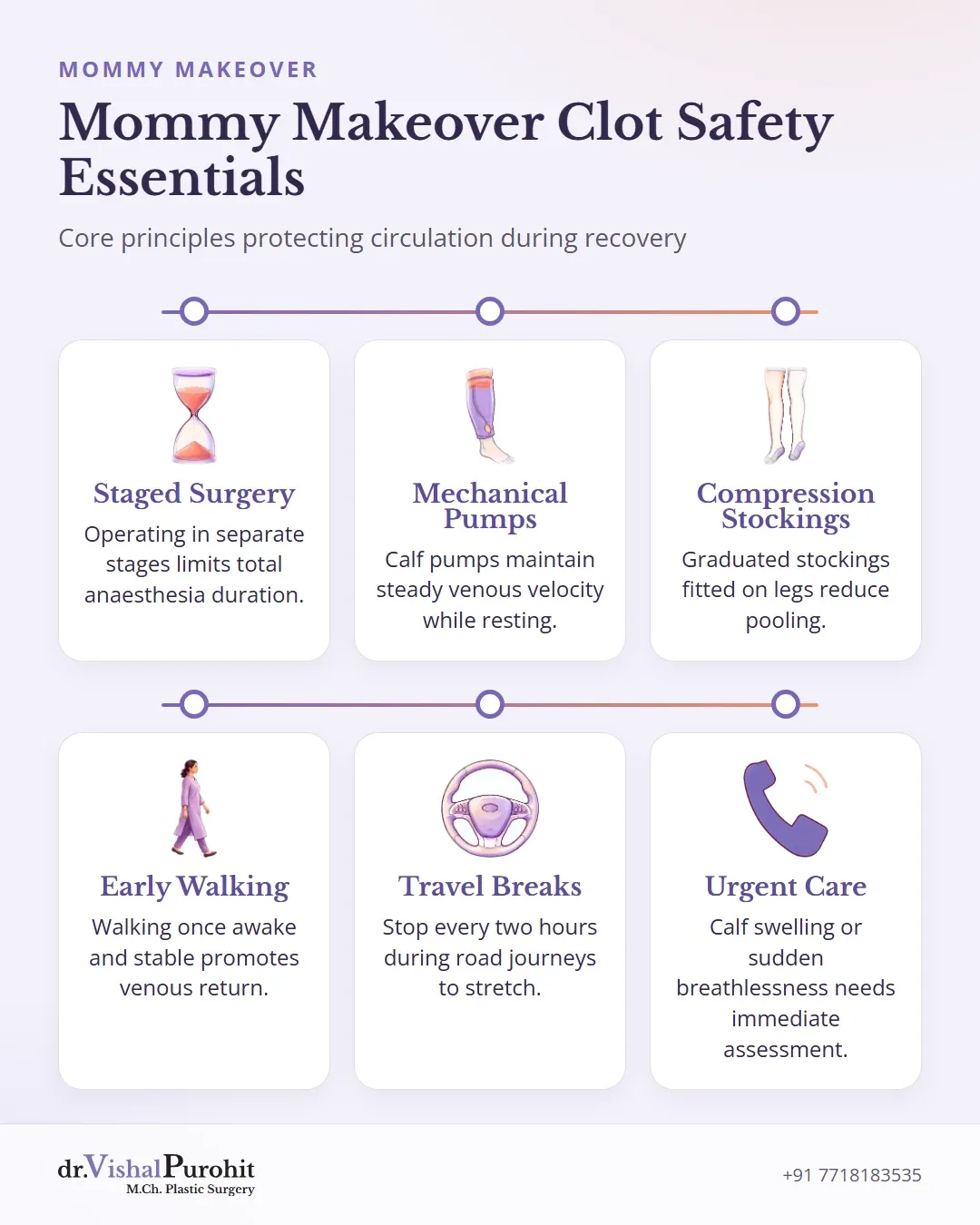
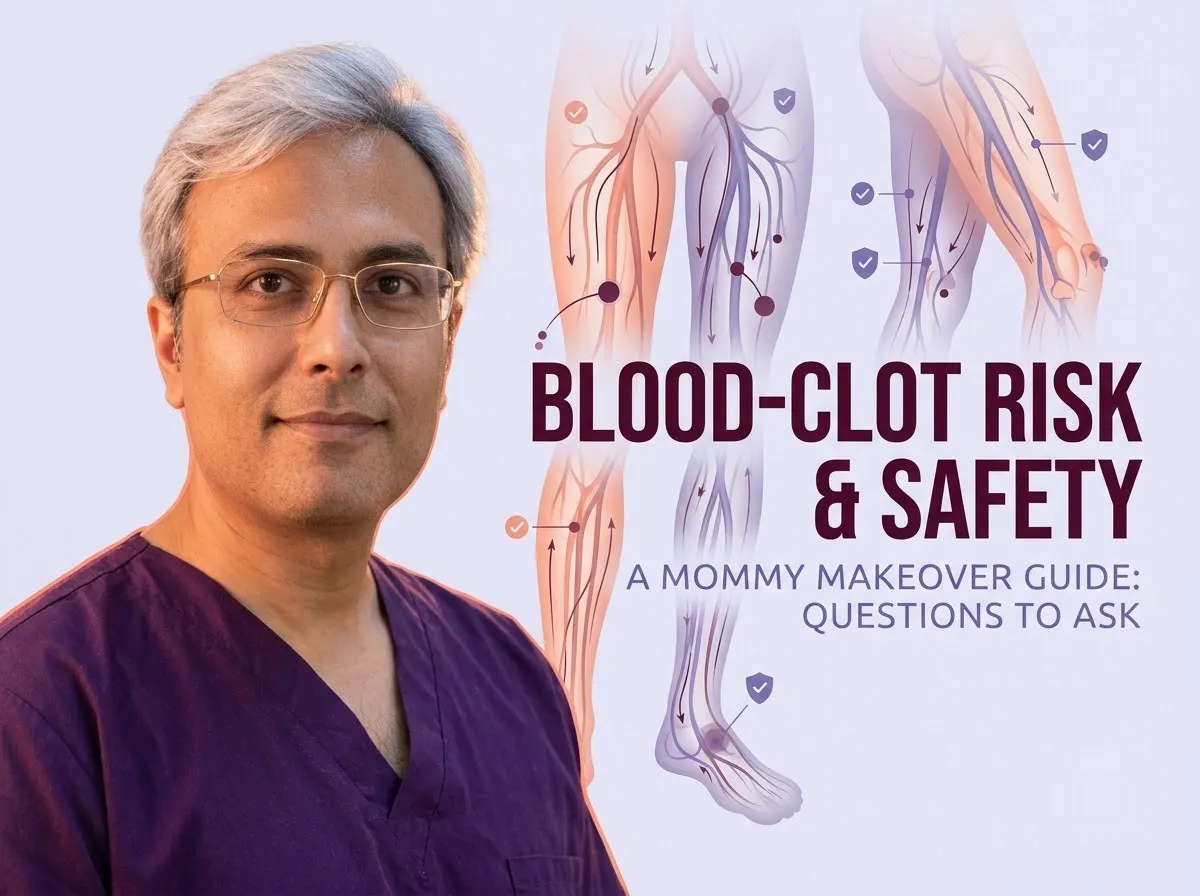
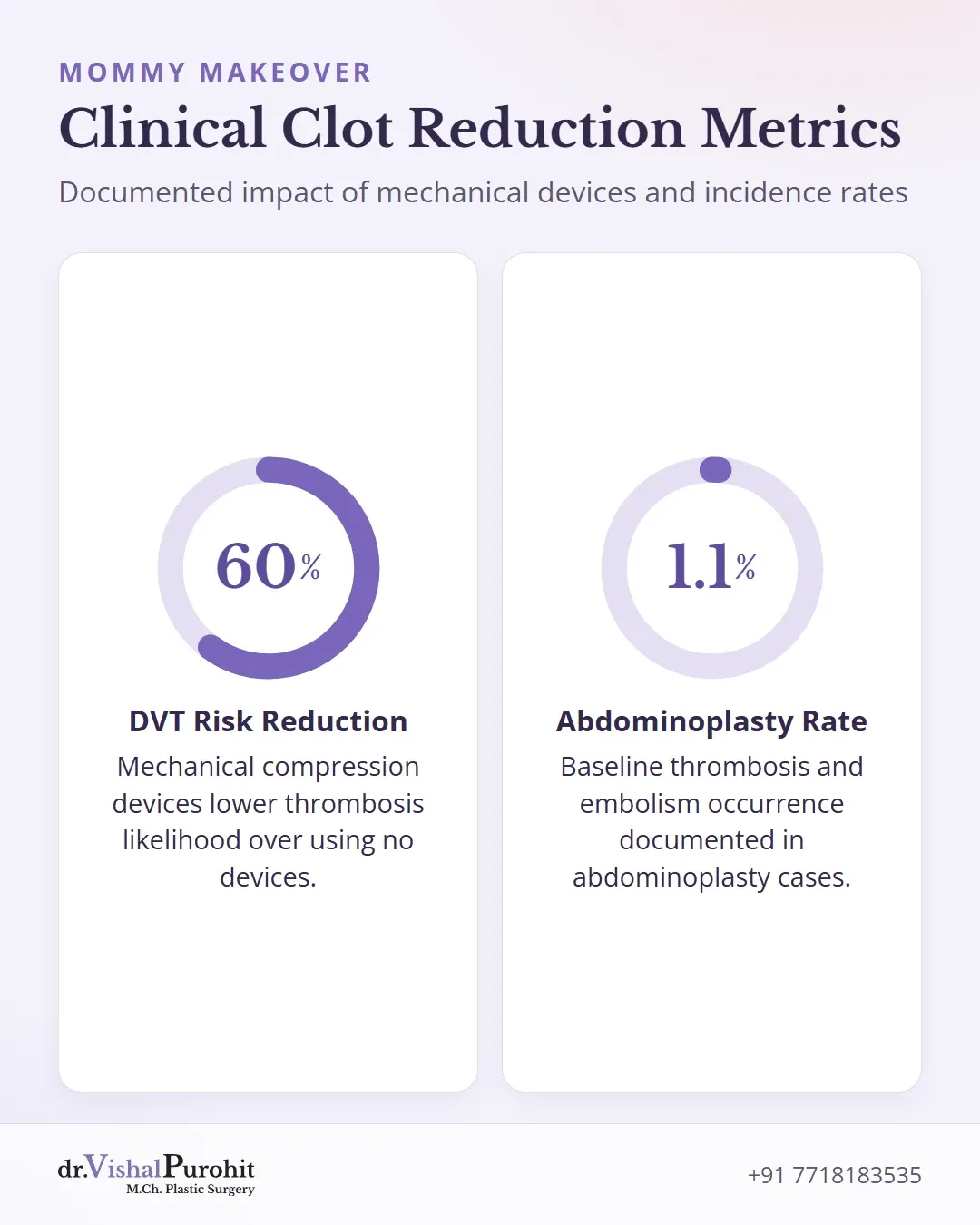
Deep vein thrombosis and pulmonary embolism are serious surgical risks that occur as frequently as 1.1% in abdominoplasties and account for half or more of all abdominoplasty fatalities1. Combining aesthetic operations, such as a tummy tuck (abdominoplasty) alongside breast surgery or liposuction, can increase these complications2. Understanding how surgical duration, abdominal tension, and recovery mobility interact helps explain this heightened risk.
Prolonged Operative Times
Performing multiple procedures in one sitting extends total surgical time. General anaesthesia carries a baseline risk of clot formation that rises with each additional hour of surgery3. Under general anaesthesia, a decrease in peripheral vascular resistance combined with prolonged immobility slows the normal return of blood from the lower extremities1.
Abdominal Surgical Dynamics
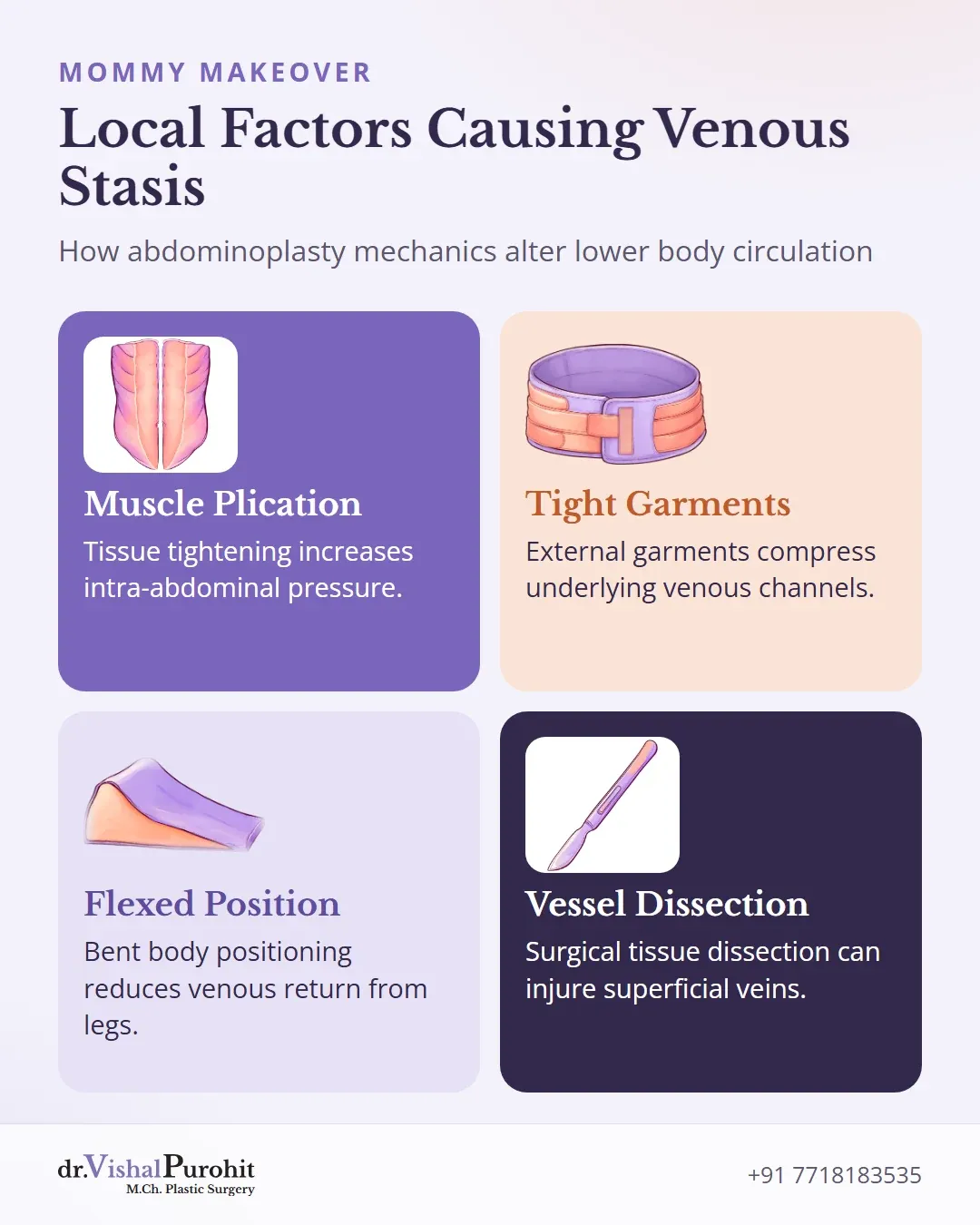
Abdominal surgery inherently carries a higher clot risk than many other types of surgery3. In an abdominoplasty, several local factors contribute directly to venous stasis1:
- Rectus muscle plication and tissue tightening increase intra-abdominal pressure1.
- Tightly fitted external compression garments compress underlying venous channels1.
- Flexed body positioning on the operating table and during early recovery reduces blood flow returning from the legs1.
- Surgical dissection can lead to vessel injury of superficial veins1.
Reduced Postoperative Mobility
After extensive contouring, post-surgical discomfort limits movement. Decreased postoperative mobility allows blood to pool in the deep calf veins1.
Dr. Purohit’s note: To manage these concerns, Dr. Vishal Purohit does not combine a tummy tuck with breast augmentation in a single operation, staging the mommy makeover instead. His clot prevention protocol utilizes compression stockings, calf pumps, and early walking, while blood-thinning injections are administered strictly under medical supervision.
Personal Risk Factors to Mention
Every patient evaluation begins with a detailed personal medical background. Certain factors alter venous circulation or blood coagulation, making complete disclosure essential before planning a mommy makeover.
Key points
- Complete disclosure of your personal medical history is essential before planning surgery.
- Conditions affecting blood clotting, circulation, and hormone levels directly influence surgical risk.
- Factors like recent pregnancy, body weight, and smoking require careful timing and lifestyle adjustments.
Key Factors to Disclose
- Previous blood clots: A personal history of deep vein thrombosis or pulmonary embolism significantly raises the baseline risk score for subsequent clotting events456.
- Family history: A family background of thrombosis or inherited clotting disorders increases the likelihood of postoperative thromboembolism, even without a confirmed genetic trait567.
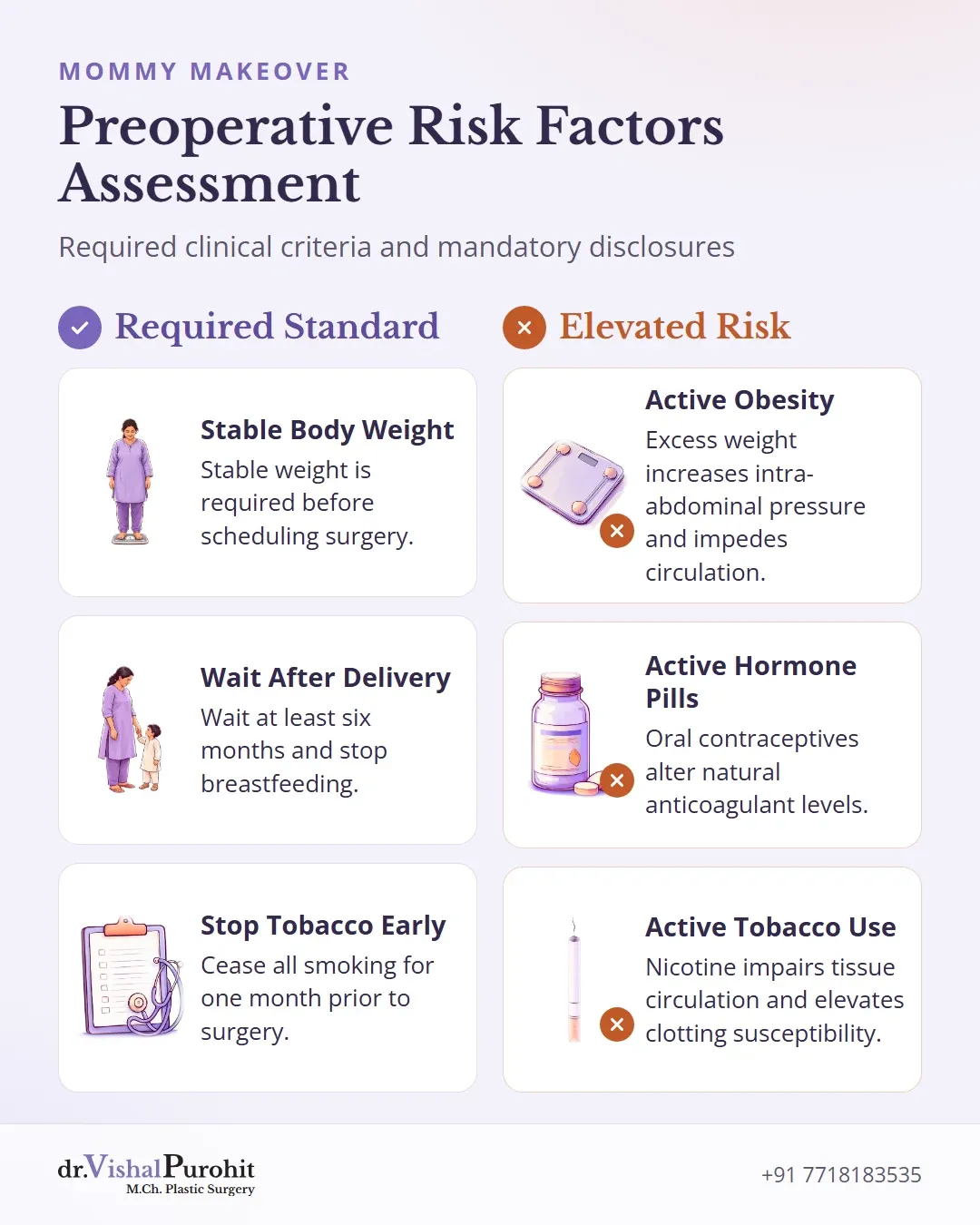
- Hormonal medicines: Oral contraceptive pills and hormone replacement therapy increase thrombosis risk by elevating estrogen activity and altering natural anticoagulant levels789.
- Recent pregnancy: Pregnancy and the early postpartum period introduce haemodynamic and hypercoagulable changes that elevate risk4510. In Dr. Vishal Purohit’s practice, surgery is considered at least 6 months after delivery and after stopping breastfeeding, with about a year being ideal.
- Obesity: Excess weight increases intra-abdominal pressure and impedes venous return from the legs8. In Dr. Vishal Purohit’s practice, a stable weight is required; being overweight is acceptable, but obesity is not.
- Smoking: Tobacco and smoking impair tissue circulation and elevate thrombotic susceptibility79. In Dr. Vishal Purohit’s practice, smoking and tobacco must be stopped for 1 month before surgery.
How Clots Are Prevented in Dr. Purohit’s Practice
Patient safety protocols begin before surgery starts and continue throughout recovery. To reduce the risk of deep vein thrombosis during a mommy makeover, Dr. Vishal Purohit relies on mechanical measures and carefully supervised medical care:
- Graduated compression stockings fitted on the legs
- Mechanical calf pumps used around the procedure
- Early walking once awake and stable
- Blood-thinning injections given only under direct medical supervision
Mechanical compression works by increasing venous velocity and preventing blood stasis in the lower extremities11. In surgical patients, mechanical compression devices have been shown to reduce deep vein thrombosis by about 60% compared with having no devices11. Early ambulation further supports healthy venous return and helps prevent venous thromboembolism after body contouring12.
Staging and Operating Time
A prolonged duration under general anaesthesia and extensive immobilization are known contributors to thromboembolic risk in combined body remodeling1314.
To protect patient safety and manage operative duration, Dr. Purohit performs the major reconstruction first and secondary contouring procedures later. This surgical approach limits the duration of individual interventions while maintaining safe recovery standards1314.
Travel and Long Journeys
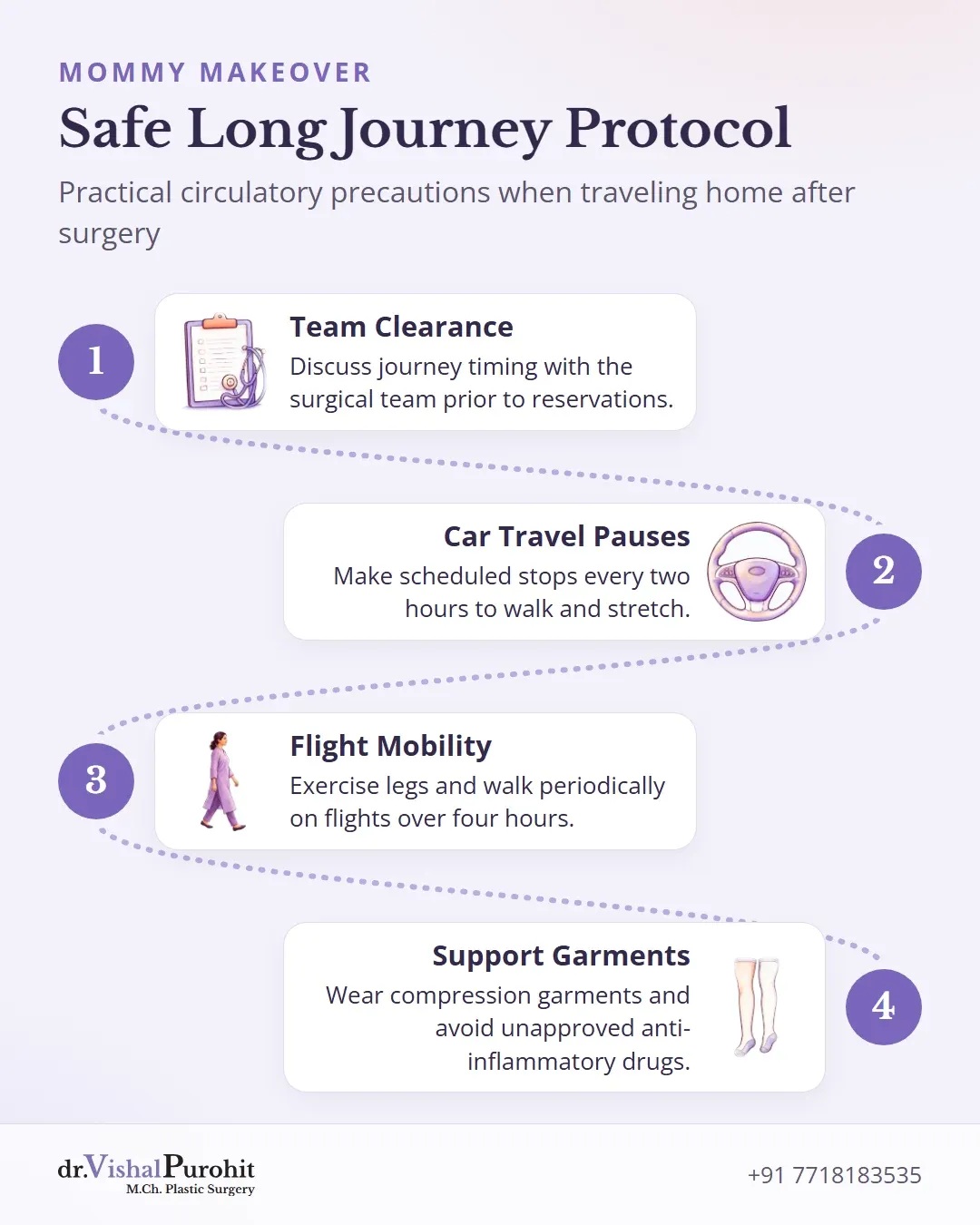
Long car trips or flights soon after surgery increase the risk of deep vein thrombosis because sitting immobile for hours impairs venous blood flow15. Clot formation can lead to dangerous pulmonary emboli, presenting as early as 24 hours or up to several weeks later15.
There is no fixed calendar rule for when travel can resume. Dr. Vishal Purohit assesses each patient individually rather than enforcing a rigid schedule for outstation recovery. The timing of any long journey must be discussed directly with the surgical team before making travel bookings.
When extended travel becomes necessary, general surgical precautions include:
- Making scheduled stops at least every 2 hours during car travel to walk and stretch the legs15.
- Exercising the lower extremities and walking every 1 to 2 hours during flights lasting more than 3 to 4 hours15.
- Utilizing mechanical measures such as compression garments, while avoiding nonsteroidal anti-inflammatory drugs before clearance due to bleeding risks15.
Leg Pain or Breathlessness Is an Emergency
Following surgery, sudden physical changes require immediate attention. A blood clot in the deep veins of the lower extremity or lungs can manifest through distinct warning signs.
Symptoms to Watch For
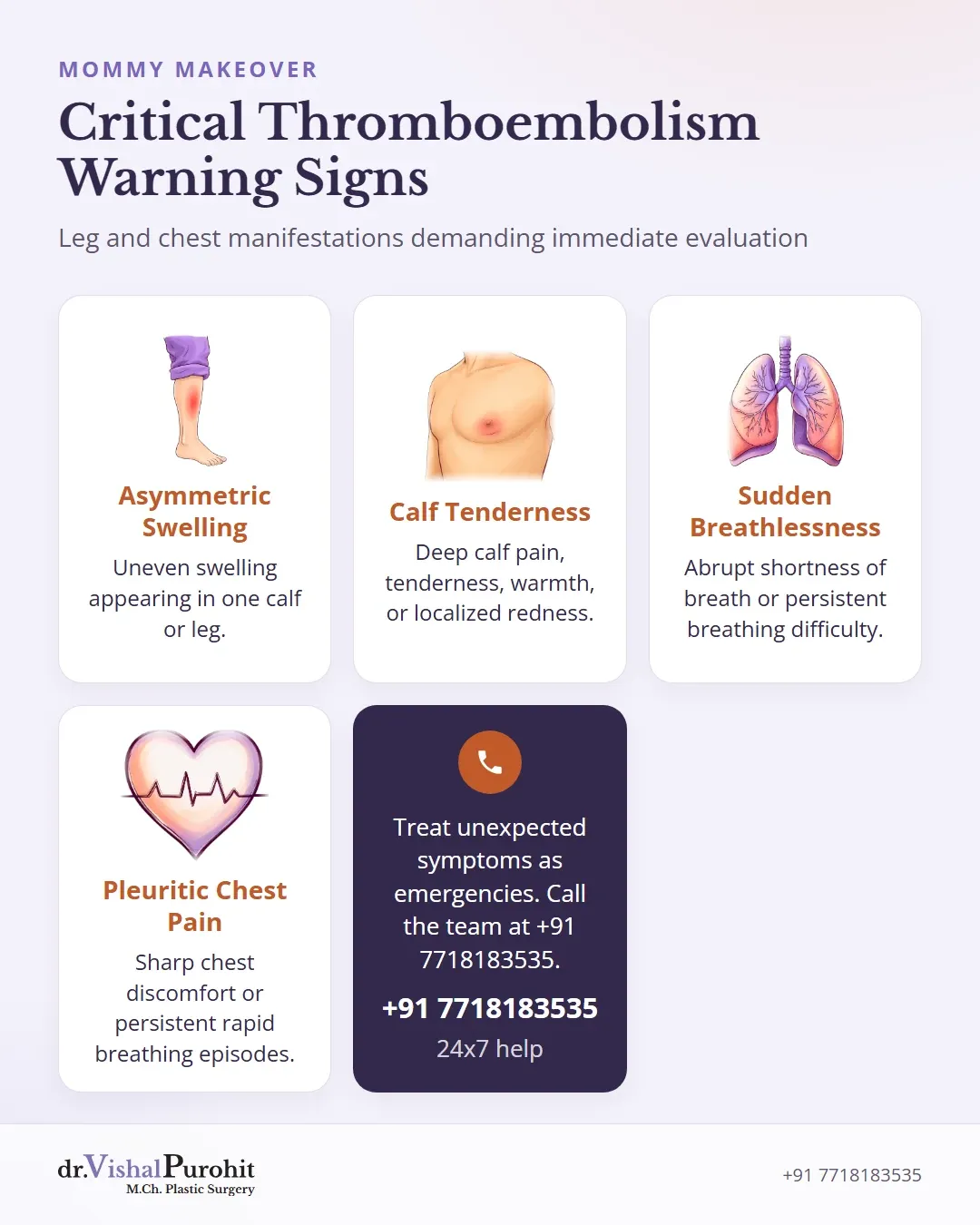
A patient must monitor for signs affecting the legs or chest:
- Asymmetric swelling in the calf or leg1617
- Deep calf or leg pain, tenderness, warmth, or redness181920
- Sudden shortness of breath or difficulty breathing162021
- Sudden pleuritic chest pain or persistent rapid breathing16192122
- Unexplained cough, lightheadedness, or sudden apprehension161921
Immediate Action
Dr. Vishal Purohit advises patients to treat every surprise or unexpected discomfort as an emergency. If any warning signs or unexplained symptoms appear, call the surgical team immediately on +91 7718183535. The surgical team evaluates every call to sort urgent medical emergencies from routine queries. Patients should never wait to see whether sudden breathlessness or calf swelling resolves on its own.
Call the surgical team immediately if asymmetric leg swelling, deep calf pain, warmth, redness, sudden shortness of breath, pleuritic chest pain, rapid breathing, unexplained cough, lightheadedness, or sudden apprehension occurs.
Consultation and Safety Planning in Jaipur
Planning aesthetic surgery requires addressing personal health factors and understanding procedural safety protocols. Reviewing mommy makeover FAQs helps clarify surgical measures and post-operative monitoring. For tailored medical guidance regarding a mommy makeover in Jaipur, contact the surgical team directly on +91 7718183535 to arrange a clinical evaluation.
This is educational information, not medical advice.