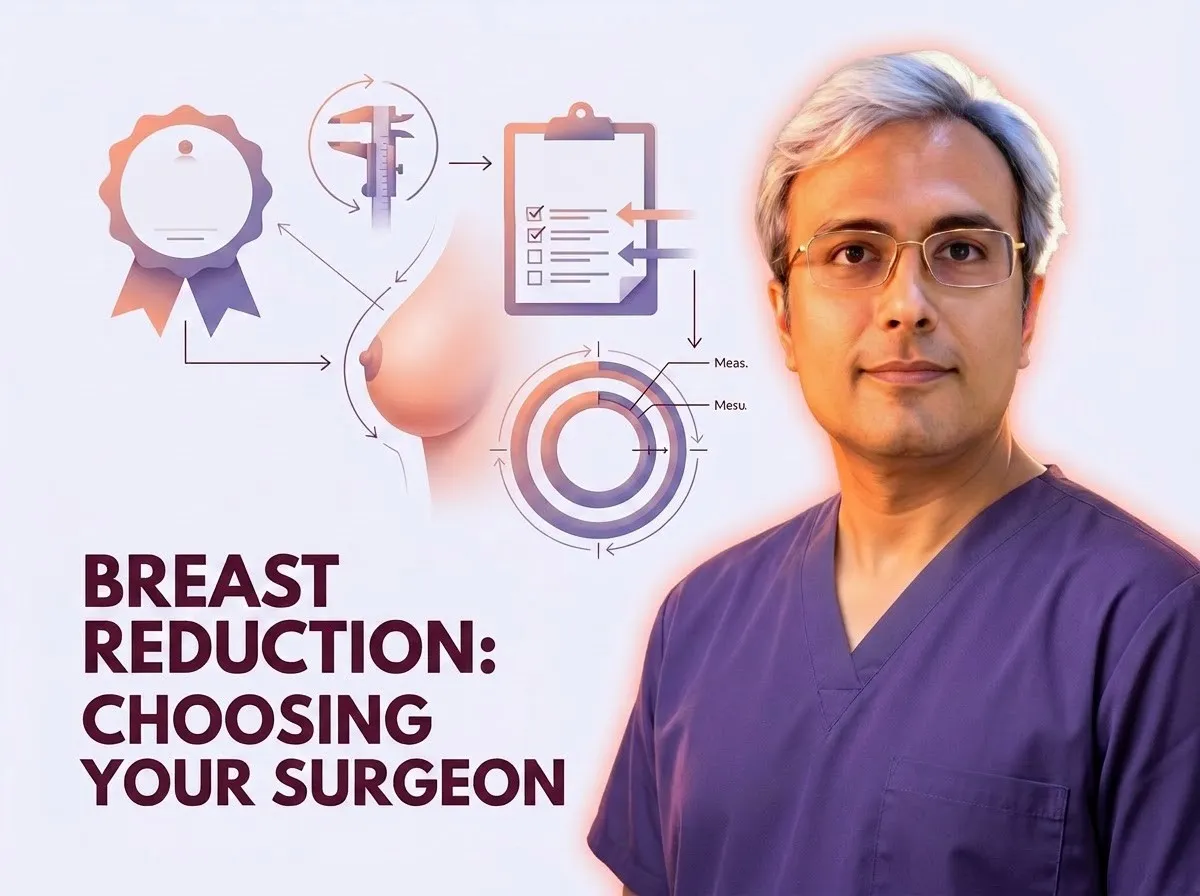
Selecting a specialist for reduction mammaplasty involves evaluating formal medical training, operative settings, and aftercare arrangements. Verifying university qualifications and medical council registrations ensures that the operating surgeon has completed formal superspecialty training in plastic and reconstructive surgery.
Preparing specific questions helps clarify surgical approaches, incision choices, and expected recovery milestones. Patients can learn more about what to expect during their initial discussion in this guide on Breast Reduction Consultation: What to Expect.
Checklist at a Glance
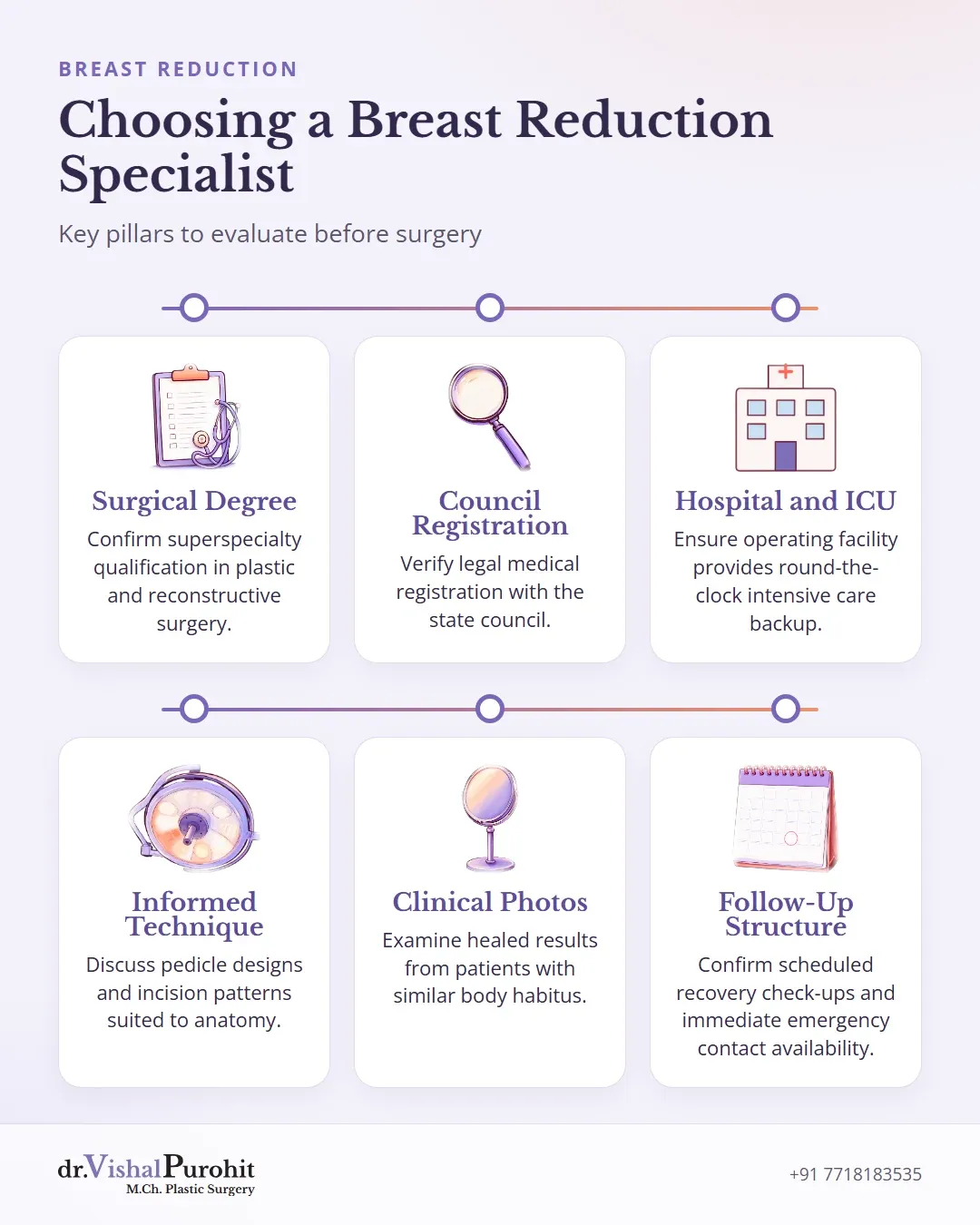
Choosing a qualified specialist for reduction mammaplasty requires evaluating credentials, operative safety standards, and planned surgical care. Patients in Jaipur can use this framework during an initial consultation:
| What to check | Why it matters | What to ask |
|---|---|---|
| Plastic surgery degree | Formal surgical qualification confirms specific training in reconstructive and aesthetic breast surgery. | “Were you trained specifically in the field of plastic surgery?” [1] |
| State medical council registration | Registration verifies the legal license to practise within the state. | “Are you registered with the state medical council as a plastic surgeon?” |
| Breast reduction experience | Breast reduction requires precise surgical planning and pedicle design to protect blood supply and tissue viability. | “What surgical technique is recommended for me?” [1] |
| Hospital and anaesthesia set-up | Major breast surgery requires an accredited operating environment and emergency infrastructure. | “Do you have hospital privileges to perform this procedure, and at which hospitals?” [1] |
| Before-and-after photos | Clinical photographs show realistic surgical results and scar placement across different breast shapes. | “Do you have before-and-after photos I can look at for this procedure, and what results are reasonable for me?” [1] |
| Consent and follow-up | Clear operative consent outlines potential risks, expected recovery, and protocol for surgical complications. | “What are the risks and complications associated with my procedure, and how are complications handled?” [1] |
In Dr. Vishal Purohit’s practice, follow-up visits are scheduled across a structured timeline:
- Day 3 and day 7 checks
- Review at 4 weeks
- Long-term assessments at 3, 6, and 12 months, with follow-up photographs taken at 6 months
Minor corrections under local anaesthesia are charged, while major corrections or the management of complications under general anaesthesia may be chargeable, with revisions considered after waiting 6 months.
At Kalpana Aesthetics in Jaipur, Dr. Vishal Purohit (M.Ch. Plastic and Reconstructive Surgery, RMC Reg. 28041/14185) performs reduction mammaplasty in the surgical facility at Jaipur Hospital, supported by 24/7 ICU backup.
Qualifications and Registration
Choosing a qualified specialist is the first step when considering breast reduction (reduction mammaplasty).
In India, formal surgical accreditation and medical council registration establish that a doctor has completed dedicated superspecialty surgical training.
Verifying Medical Credentials in India
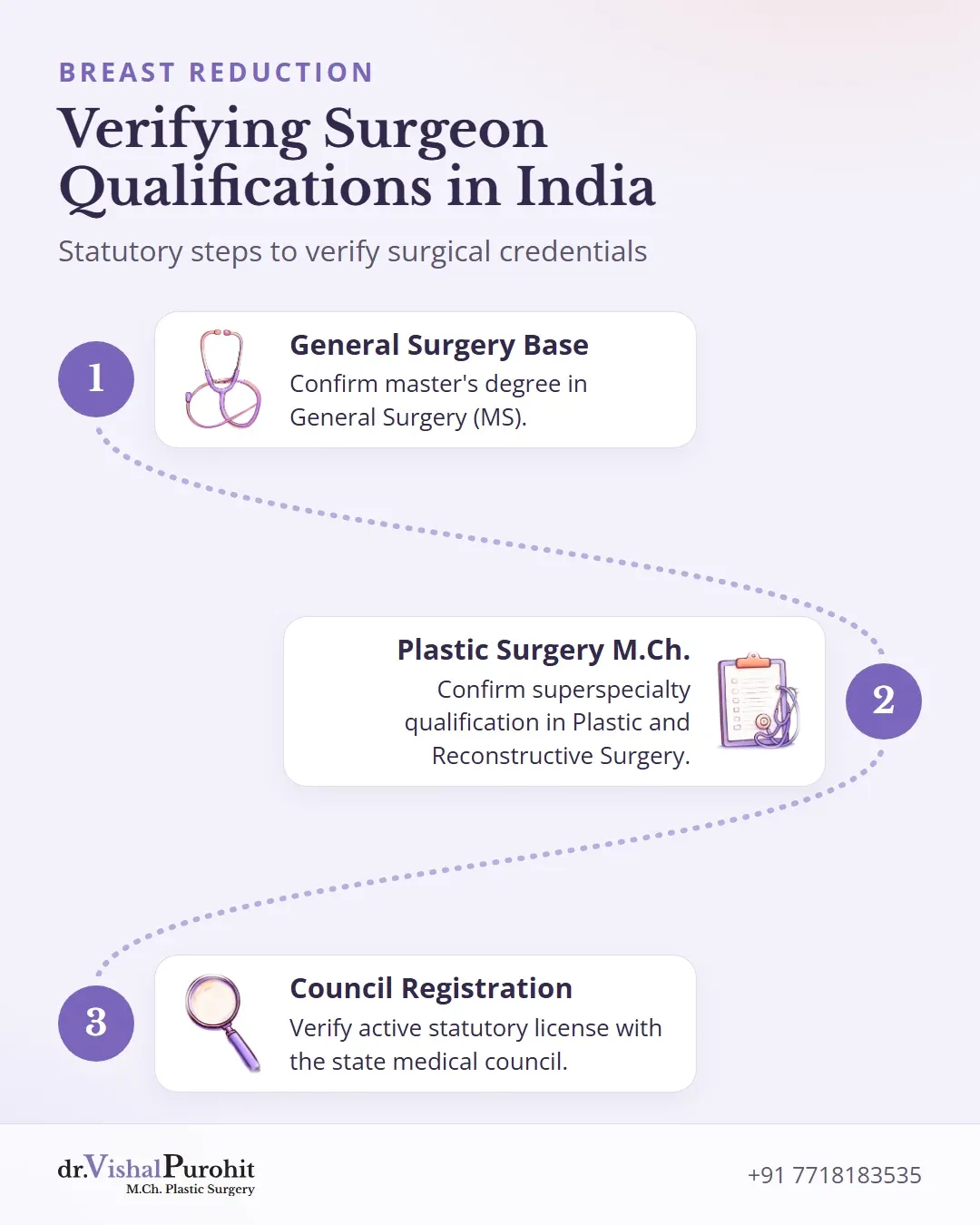
Patients seeking reduction mammaplasty should confirm that their operating surgeon holds a recognised superspecialty qualification rather than an informal title:
- Formal Qualifications: Look for an M.Ch. (Magister Chirurgiae) or equivalent superspecialty qualification in Plastic and Reconstructive Surgery, preceded by a master’s degree in General Surgery (MS).
- Medical Council Registration: Verify that the specialist holds active registration with the relevant state medical council.
Dr. Purohit’s note: Dr. Vishal Purohit practices at Kalpana Aesthetics in Jaipur and holds an M.Ch. in Plastic and Reconstructive Surgery along with an MS in General Surgery. He is an alumnus of Sawai Man Singh (SMS) Medical College, Jaipur, and is registered with the Rajasthan Medical Council under RMC Reg. 28041/14185.
Overseas literature often refers to national registers or certification bodies, such as the General Medical Council specialist register or the Royal College of Surgeons in the United Kingdom [2], or medical specialty boards in the United States [3, 4].
In India, these foreign board systems do not apply; statutory verification is conducted through state medical councils and recognised university surgical degrees.
Why Formal Surgical Training Matters
Surgeons performing reduction mammaplasty assess patient symptoms, anatomical proportions, surgical principles, expected outcomes, and operative risks [2].
Training in plastic surgery equips the surgeon to address both aesthetic contouring and tissue resection while carefully safeguarding vascular supply and tissue viability.
Asking prospective surgeons directly about their formal degrees, council registration numbers, and operative background helps ensure patient safety before scheduling a consultation.
Experience, Technique and Honest Counselling
Choosing a plastic surgeon for reduction mammaplasty requires an open discussion about surgical volume, incision design, and long-term changes to the breast.
Asking About Experience and Surgical Technique
When consulting a surgeon, ask how frequently they perform reduction mammaplasty and which technical approach fits your body frame.
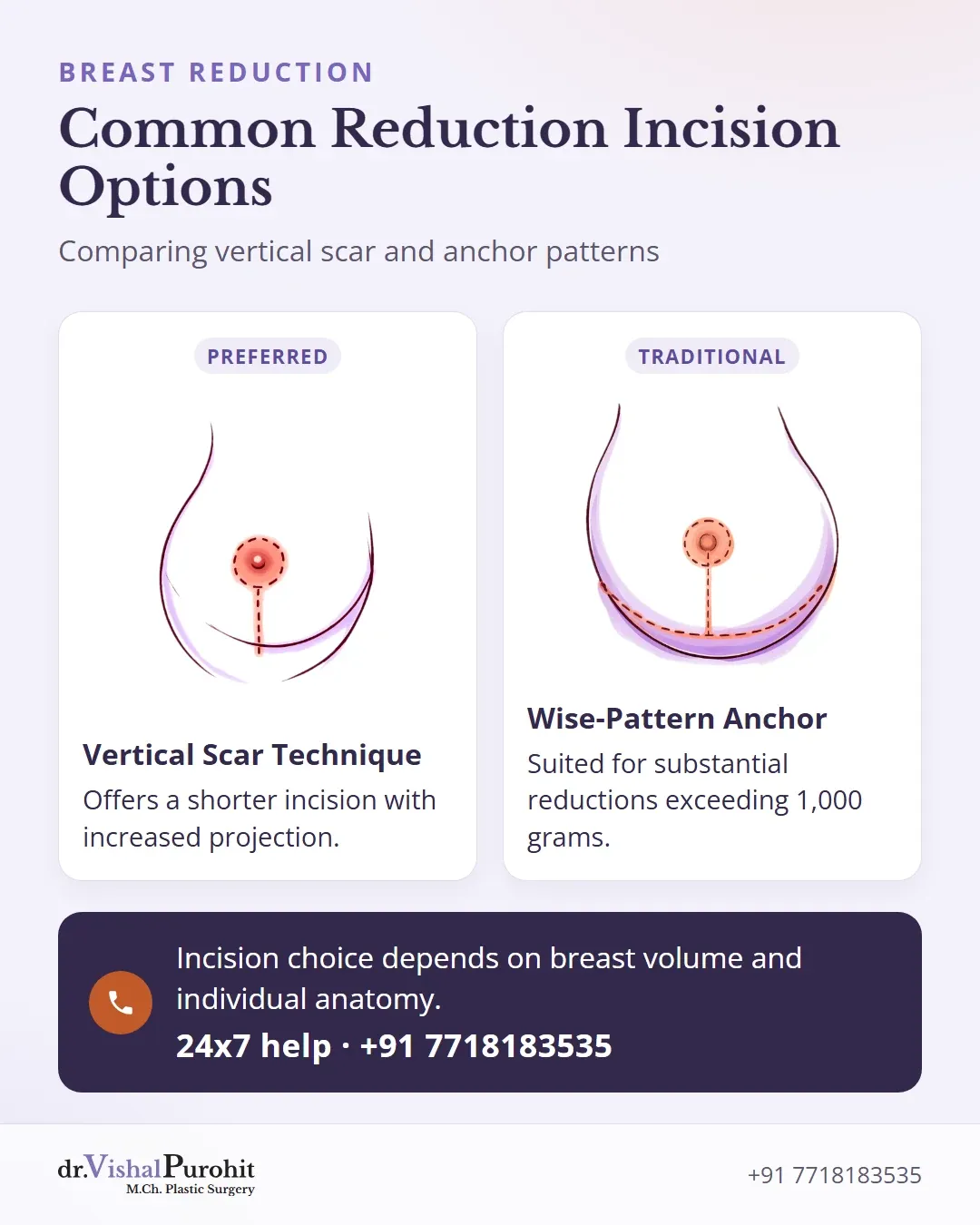
At Kalpana Aesthetics in Jaipur, Dr. Vishal Purohit performs reduction mammaplasty using either a superomedial or an inferior pedicle, combined with a Wise-pattern (anchor) or vertical scar, with the superomedial pedicle being his preferred approach. Liposuction-only breast reduction is offered for suitable patients, and free nipple grafting is offered for very large breasts.
Studies show that a superomedial pedicle with a vertical scar offers the advantage of a shorter incision and increased projection, with complication rates comparable to an inferior pedicle Wise-pattern reduction across diverse breast sizes [5].
Meanwhile, literature suggests that breast tissue reductions exceeding 1,000 grams per side are often addressed with a Wise-pattern reduction using a dermoglandular pedicle or free nipple grafting [6].
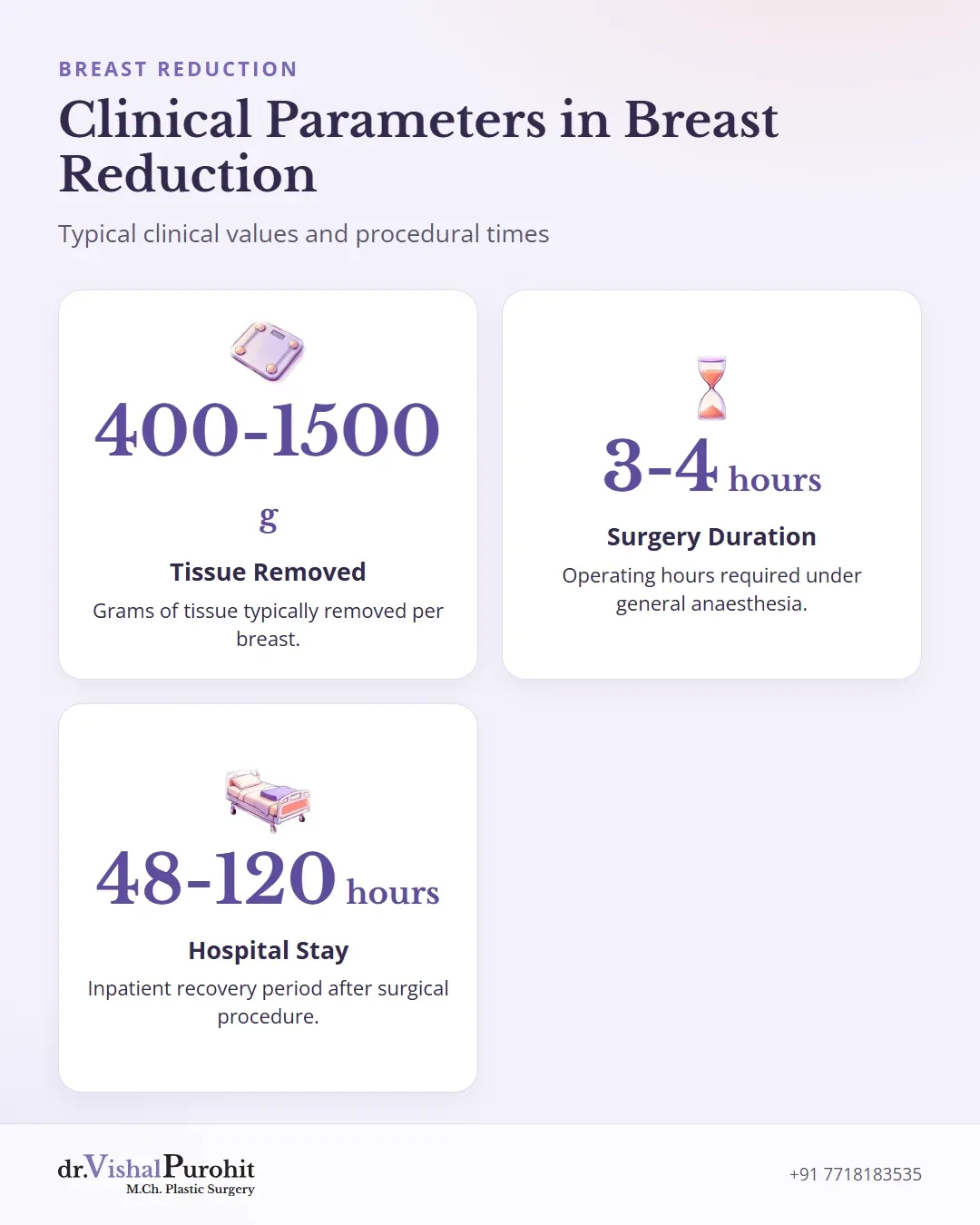
In his practice, Dr. Purohit typically removes 400 to 1,500 grams per breast, with the new nipple positioned about 19 to 22 cm from the sternal notch and the areola resized to about 38 to 42 mm in diameter.
Key Topics During Honest Counselling
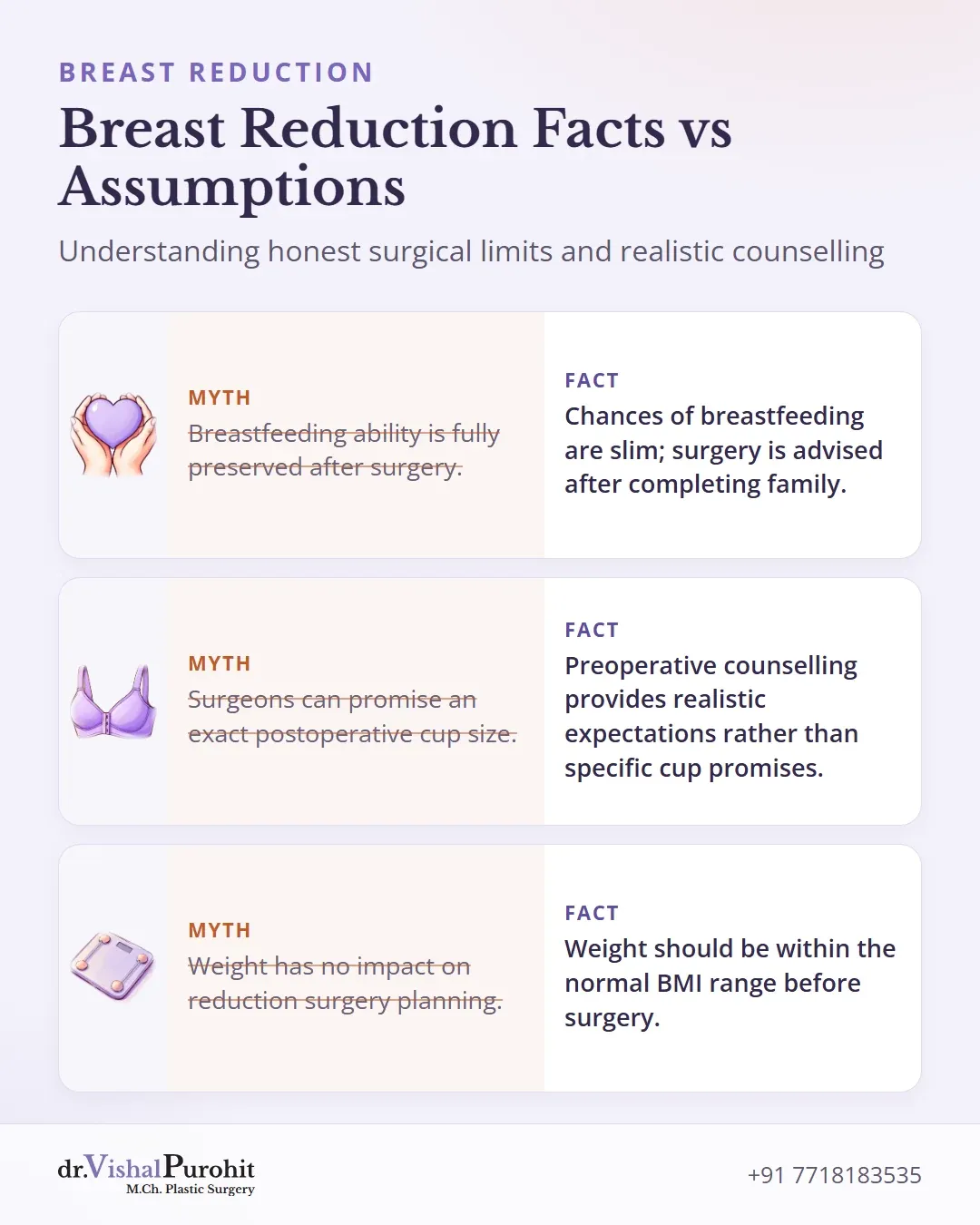
Thorough preoperative counselling must provide realistic expectations rather than promises of a specific cup size:
Surgical Scars
Incisions depend on the tissue pattern, resulting in vertical or anchor-shaped scars.
Nipple Sensation
In Dr. Purohit’s practice, pedicled transposition keeps the nipple attached to its dermoglandular base to preserve the 4th lateral intercostal cutaneous nerve branch and support sensation.
Breastfeeding Viability
The chances of breastfeeding after breast reduction surgery are slim, and surgery is advised after completing the family.
- Realistic Size and Proportion: Preoperative planning balances how much tissue is removed with keeping a safe blood supply to the nipple. Weight should be within the normal BMI range before surgery.
Hospital, Anaesthesia and Emergency Cover
Choosing where your breast reduction surgery takes place is an essential element of surgical planning. Having your procedure performed in an accredited surgical facility is considered essential for patient safety [4].
Key points
- Choose an accredited hospital facility with on-site intensive care backup for your surgery.
- Breast reduction is performed under general anaesthesia with a planned hospital stay.
- Ensure 24/7 access to the surgical team for post-operative concerns and emergency support.
Facility Accreditation and Operating Privileges
When evaluating surgical centres in Jaipur, patients should ask specific questions about the facility and team credentials during their consultation [1]:
- Does the surgeon have hospital privileges to perform reduction mammaplasty, and at which specific hospitals [1]?
- Is the surgical facility accredited by a recognized accrediting agency or licensed by relevant authorities [1]?
- What surgical environment and support systems are prepared to manage potential risks and complications [1]?
For major plastic surgery procedures, Dr. Vishal Purohit operates at Jaipur Hospital, located at Tonk Road, Mahaveer Nagar, Jaipur. This hospital setup provides 24/7 intensive care unit (ICU) backup directly on-site to address acute medical needs.
Anaesthesia and After-Hours Care
Ask who will give the anaesthesia and how you will be monitored during and after the operation. In Dr. Vishal Purohit’s practice, breast reduction is always done under general anaesthesia, typically taking 3 to 4 hours, and the hospital stay is usually 48 hours to 5 days after the procedure.
While hospital setups provide critical infrastructure such as operating theatres and intensive care support, patients should also clarify how medical queries or unexpected complications are managed once the operating day concludes.
Patients can call the surgical team at Kalpana Aesthetics at any time, day or night, on +91 7718183535, and the team arranges to solve the issue.
For any warning sign after surgery, call the surgical team immediately on +91 7718183535. For other clinical concerns, the surgical team at Kalpana Aesthetics can be reached by phone or WhatsApp at +91 7718183535.
Before-and-After Photos, Consent and Follow-Up
Reviewing surgical photographs, formal documentation, and aftercare plans allows patients in Jaipur to evaluate a clinic’s clinical standards objectively before committing to breast reduction surgery.
Key points
- Examine clinical photographs with starting dimensions and body types similar to your own under standardised lighting.
- Written informed consent is essential for both the surgical procedure and photograph usage.
- A structured follow-up schedule and accessible post-operative support are crucial for safe healing.
Evaluating Before-and-After Photographs
When reviewing clinical photographs during a consultation, patients should assess whether results demonstrate consistent surgical standards rather than selected ideal outcomes:
- Starting Dimensions and Body Habitus: Look for clinical examples involving individuals with breast volumes, proportion to body habitus, and degree of ptosis similar to your own [7].
- Symmetry and Proportions: In objective surgical assessments, clinical teams evaluate overall aesthetic outcomes by grading the proportion of breast volume to body habitus, breast shape, symmetry, nipple position, and scar appearance [7].
- Standardised Imaging: Reliable assessment requires standardised lighting, consistent camera angles, and views taken after healing rather than immediate postoperative images. In Dr. Vishal Purohit’s practice at Kalpana Aesthetics, standard photographic views include standing front, both sides, and both 45-degree angles, plus bend-over views in all 5 positions, with follow-up photographs taken at 6 months.
Informed Consent and Decision Time
Written informed consent is a basic standard in surgery, both for the operation and for any use of your photographs.
Patients should be given adequate time to process surgical risks, discuss incision patterns, and make an unpressured decision. Seeking a second opinion is a valid step to confirm surgical recommendations before scheduling surgery.
Written Postoperative Follow-Up Plan
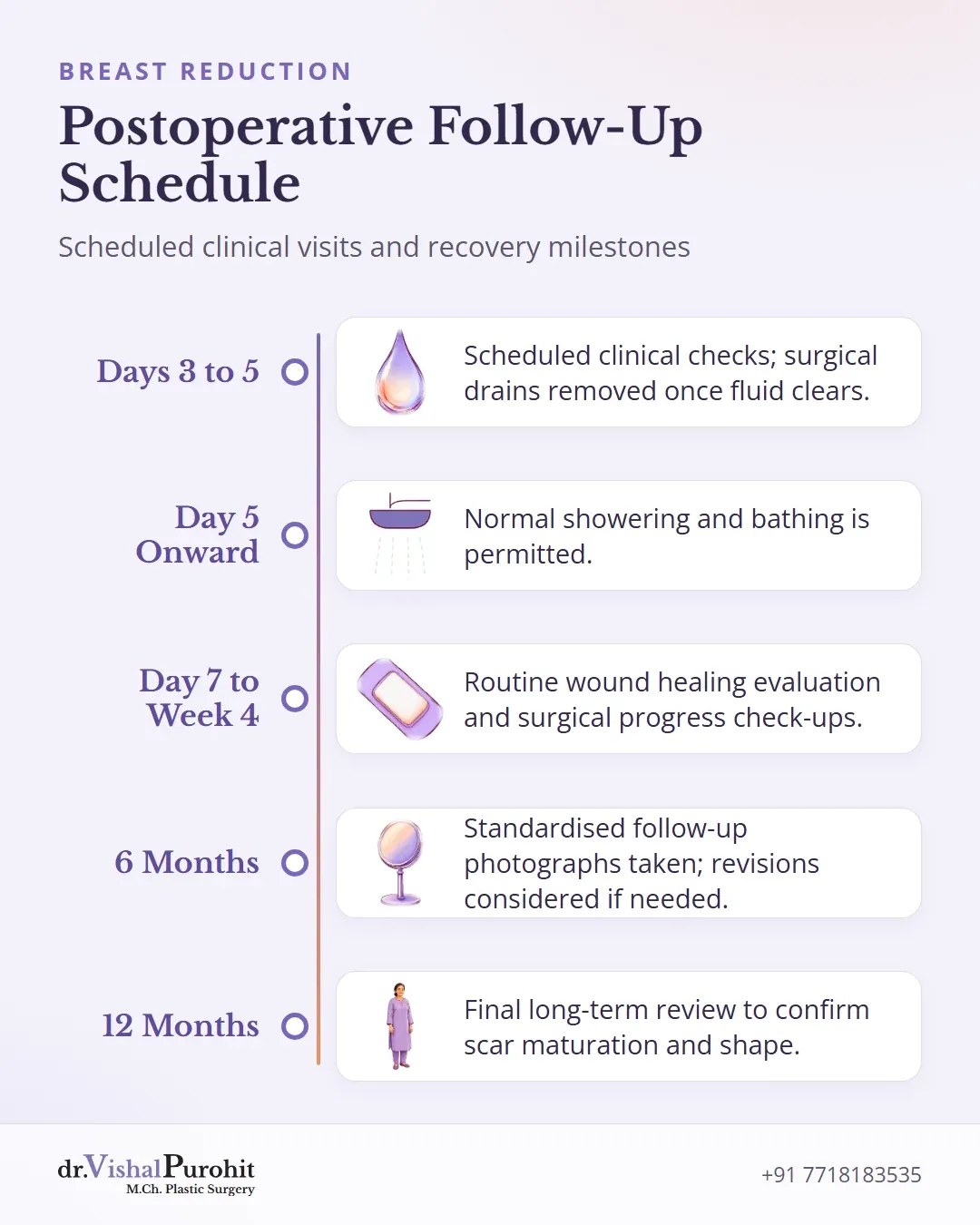
A clear follow-up structure ensures that wound healing, scar maturation, and recovery milestones are systematically evaluated.
At Kalpana Aesthetics in Jaipur, surgical procedures are led by M.Ch. plastic surgeon Dr. Vishal Purohit with an emphasis on evidence-based care and patient safety. However, scheduled review intervals must be clearly detailed in advance.
In Dr. Purohit’s practice, scheduled follow-up visits take place on day 3 and day 7, at 4 weeks, and at 3, 6, and 12 months.
Drains are typically removed on day 4 to 5 once the fluid is clear, and bathing is permitted from day 5. Patients can call the surgical team at any time, day or night, on +91 7718183535 if any issues or warning signs arise.
Questions to Take to Your Consultation
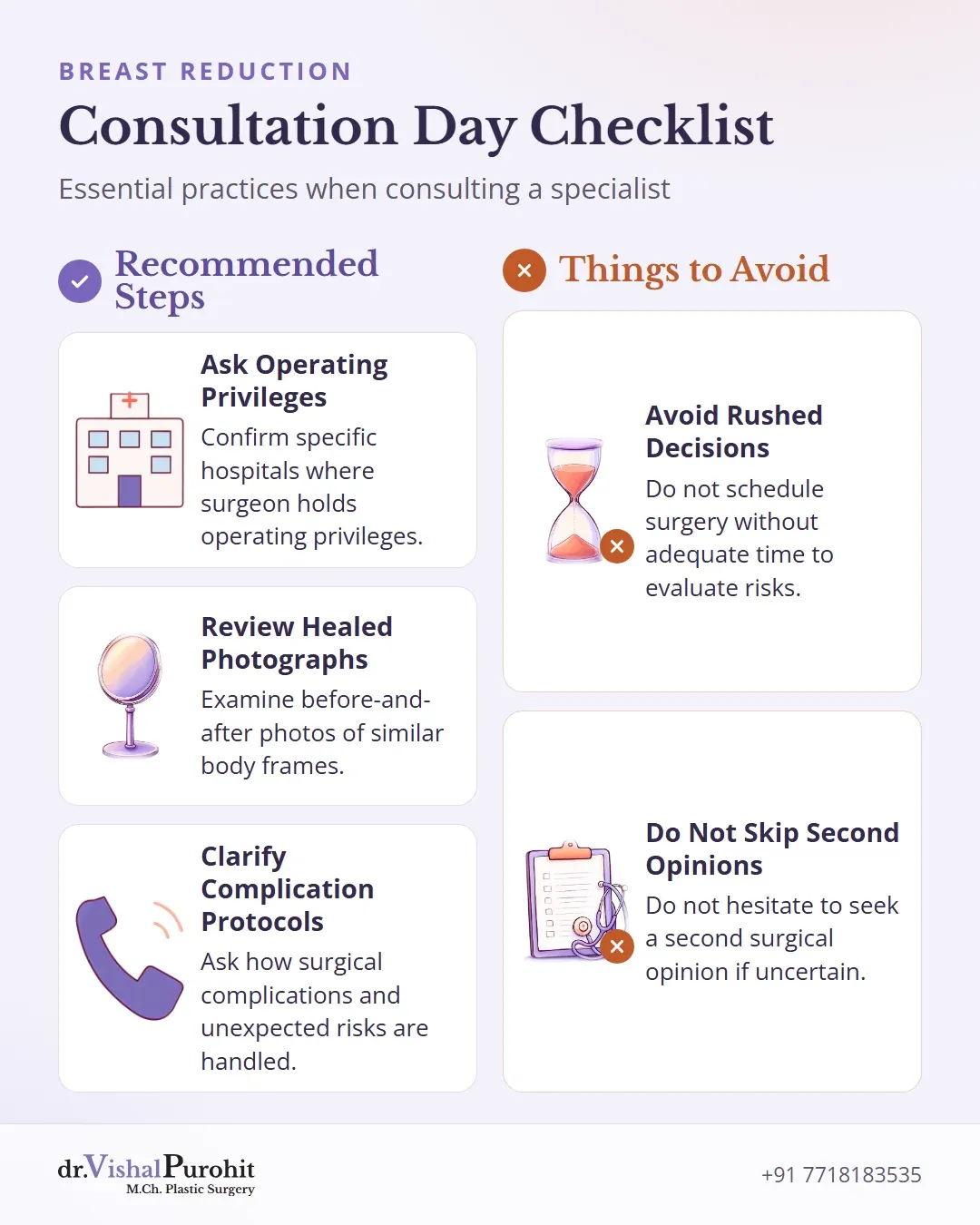
A consultation is an opportunity to evaluate a surgeon’s qualifications, surgical technique, and safety standards. Patients preparing for a breast reduction (reduction mammaplasty) consultation can consider this checklist of questions:
The Surgeon
- Were you trained specifically in plastic surgery, and what qualifications do you hold [1]?
- How many years of plastic surgery training have you completed [1]?
- Do you have hospital privileges to perform this procedure, and at which hospitals [1]?
The Operation
- Am I a good candidate for this procedure [1]?
- Which surgical technique is recommended for me [1]?
- Where and how will you perform my procedure [1]?
- What are the risks and complications associated with my procedure [1]?
Results
- Do you have before-and-after photos I can look at for this procedure, and what results are reasonable for me [1]?
- What are my options if I am dissatisfied with the outcome [1]?
After Surgery
- How long of a recovery period can I expect, and what kind of help will I need during my recovery [1]?
- How are complications handled [1]?
- What will be expected of me to get optimal results [1]?
Consulting a Plastic Surgeon in Jaipur
Selecting a specialist involves reviewing formal qualifications, operative privileges, and surgical planning. Patients evaluating breast reduction surgery in Jaipur should discuss incision choices, emergency safety infrastructure, and recovery expectations before scheduling a procedure.
Before confirming surgery, verify hospital credentials and operating privileges. The FAQs on choosing a surgeon and hospital cover consent as well. To schedule an evaluation at Kalpana Aesthetics on Tonk Road, call or message +91 7718183535.
This is educational information, not medical advice.