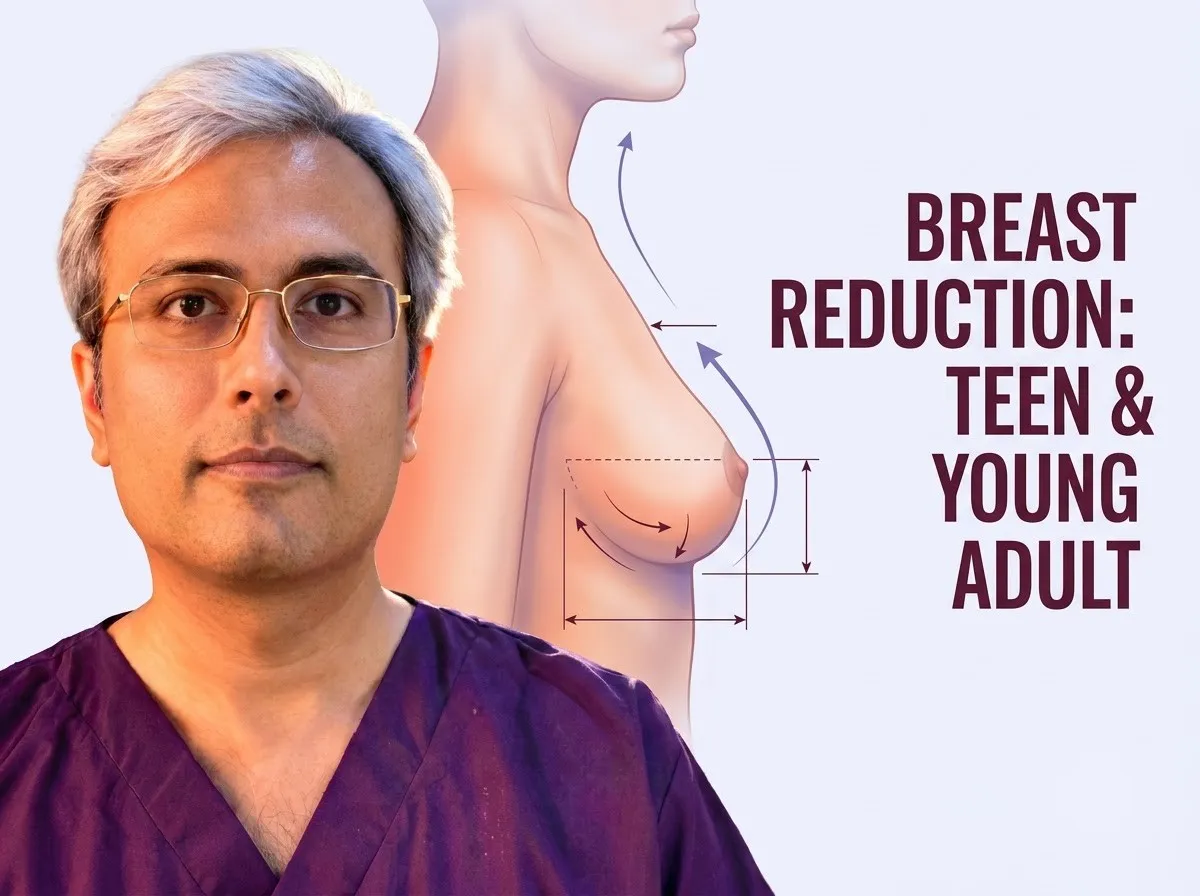
Carrying disproportionately heavy breast tissue during adolescence creates significant somatic discomfort and emotional distress. Rather than being a simple cosmetic matter, macromastia can cause chronic musculoskeletal strain, painful bra-strap grooves, and exercise limitations.
To help manage these physical strains and functional restrictions, Dr. Vishal Purohit evaluates young patients seeking breast reduction surgery in Jaipur to determine if surgical correction is clinically appropriate.
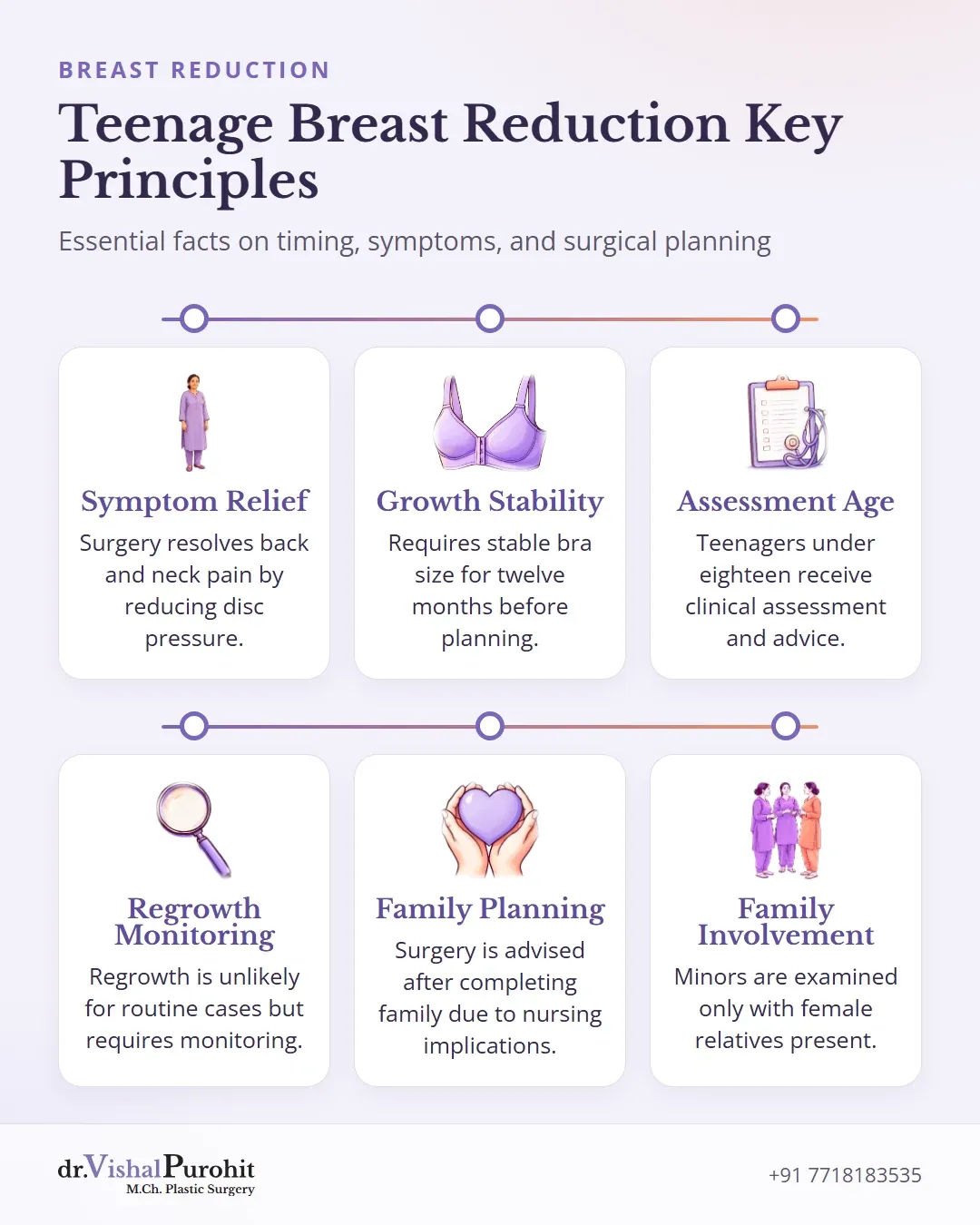
In Dr. Vishal Purohit’s practice, the minimum age for breast reduction is 18 years, and surgery is considered only after the bra size has been stable for 12 months. Teenagers and their families are seen for assessment and advice: a minor is examined only with her mother or another female relative present, and the consultation is conducted in front of both parents, with grandparents as well if the family wishes. Young individuals exploring surgical intervention can read Psychological Benefits of Breast Reduction Surgery to understand how surgical correction supports health-related quality of life and overall well-being.
Teenage Breast Reduction at a Glance
| Question | What studies show | What it means for families |
|---|---|---|
| Symptoms | Macromastia produces significant somatic discomfort1. Surgery resolves back, neck, and lumbar pain by readjusting the body’s center of gravity and reducing pressure on intervertebral disks2. | Physical strain and pain are documented medical burdens of excessive breast tissue rather than simple posture habits12. |
| Timing | Published literature notes juvenile macromastia presents as rapid breast growth at puberty34. | Teenagers are seen for assessment and advice, while surgery is deferred until growth and bra size have stabilized. |
| Regrowth | Recurrent enlargement can occur in cases of juvenile gigantomastia, and patients must be counselled on recurrence risks after reduction mammaplasty34. | While breast reduction reshapes tissue, adolescent hormonal changes mean ongoing monitoring for regrowth remains necessary34. |
| Breastfeeding | Preserving tissue pedicles maintains lactiferous duct viability, whereas free nipple transplantation separates the nipple-areola complex35. In Dr. Vishal Purohit’s practice, pedicled transposition keeps the nipple attached and is designed to preserve the fourth lateral intercostal nerve branch for sensation, though the chances of breastfeeding afterwards are slim. | Breast reduction is advised after completing family planning, as the chances of breastfeeding after surgery are slim. |
| Emotional effects | Breast hypertrophy causes marked psychological disability3. Reduction mammaplasty significantly improves quality of life and psychological conditions from pre-operative baselines267. | Surgical correction often relieves substantial emotional and social distress associated with severe breast enlargement23. |
Physical Symptoms and Emotional Impact
Breast hypertrophy related to puberty typically starts around the onset of menstruation or shortly thereafter, between 8 and 16 years of age8. Studies report that approximately 80% of women with macromastia trace the beginning of their symptoms back to puberty6.
For teenagers and young adults, carrying disproportionately heavy breast tissue is not merely a cosmetic concern; it imposes substantial physical strain and emotional distress69.
Physical Discomfort and Activity Limitations
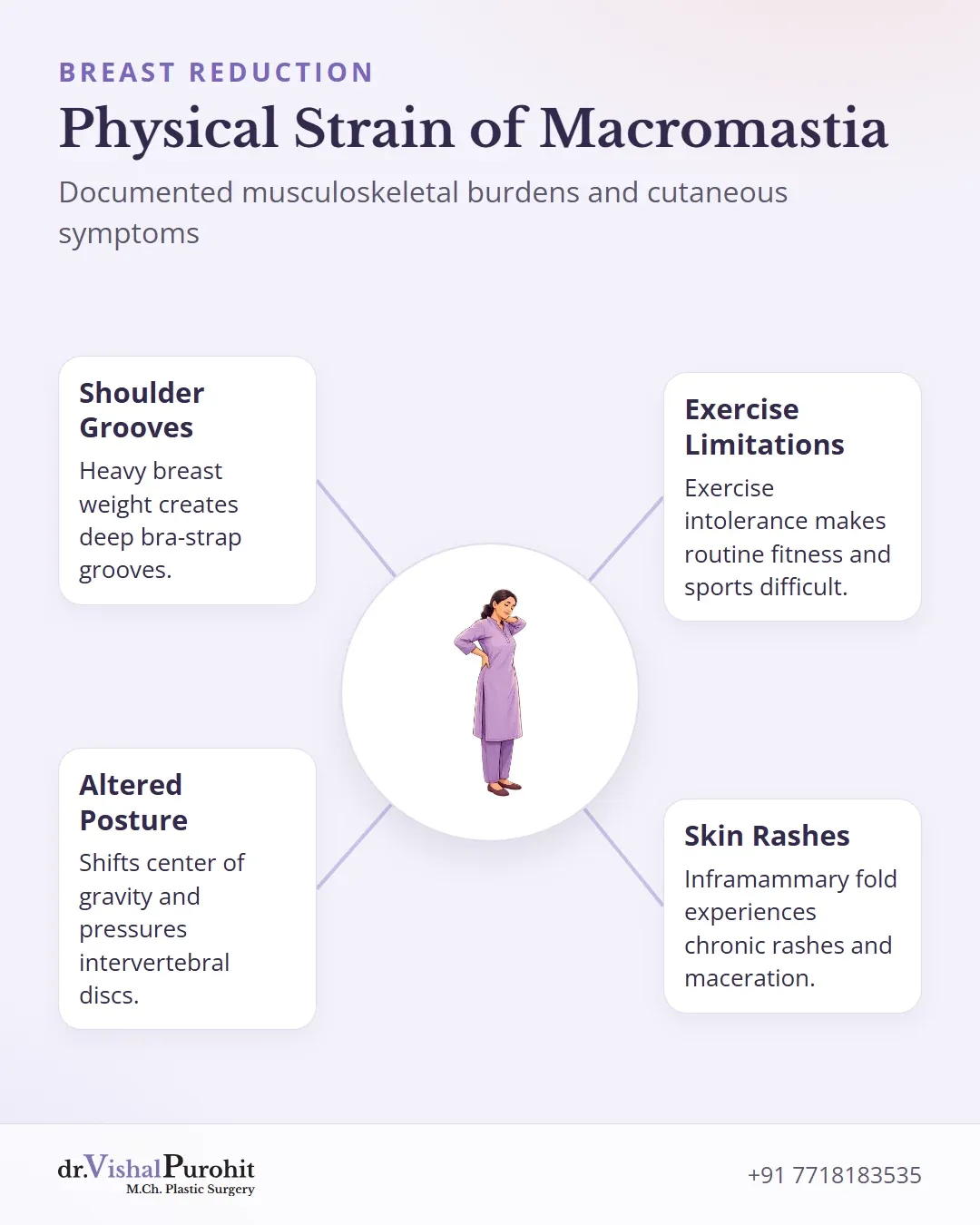
Heavy, pendulous breasts frequently produce progressive musculoskeletal strain and skin irritation:
- Neck, back, and shoulder strain: Patients frequently suffer from back and neck pain, accompanied by deep bra-strap grooves across the shoulders from heavy breast weight9.
- Postural disturbances: Heavy breasts alter body posture, especially in women with a DD cup size or larger2. This shifts the center of gravity and increases mechanical pressure on the posterior intervertebral discs2.
- Physical limitations: Exercise intolerance is common, making routine physical fitness or sports difficult9.
- Skin irritation and local pain: The inframammary fold is susceptible to chronic rashes and skin maceration, and breasts may remain chronically painful9.
Psychological Sequelae and Quality of Life
Beyond physical discomfort, teenage girls with macromastia are frequently subject to unwanted attention and harassment, which can lead to psychological distress9.
Following reduction mammaplasty, published studies document clear improvements:
Physical Relief
Readjustment of the body’s center of gravity relieves pressure on intervertebral discs, resolving back, neck, and lumbar aches evaluated at 6 months postoperatively2.
Quality of Life
Health-related quality of life significantly improves from below normative levels to above the norm7.
Research using validated tools like the BREAST-Q demonstrates that women presenting for reduction mammaplasty experience a baseline health-related quality of life significantly below population norms7. Marked distortions in breast shape and volume negatively affect self-esteem, social functioning, vitality, and overall mental health6.
Timing: Development and Maturity
Evaluating breast development, stable tissue size, and overall physical maturity is a central step when considering reduction mammaplasty for teenagers and young adults. Breast development represents an important physical transition into adulthood11.
Because breast tissue continues to develop during the peripubertal period, evaluating whether growth is ongoing helps determine surgical readiness.
Surgical Timing and Incomplete Growth
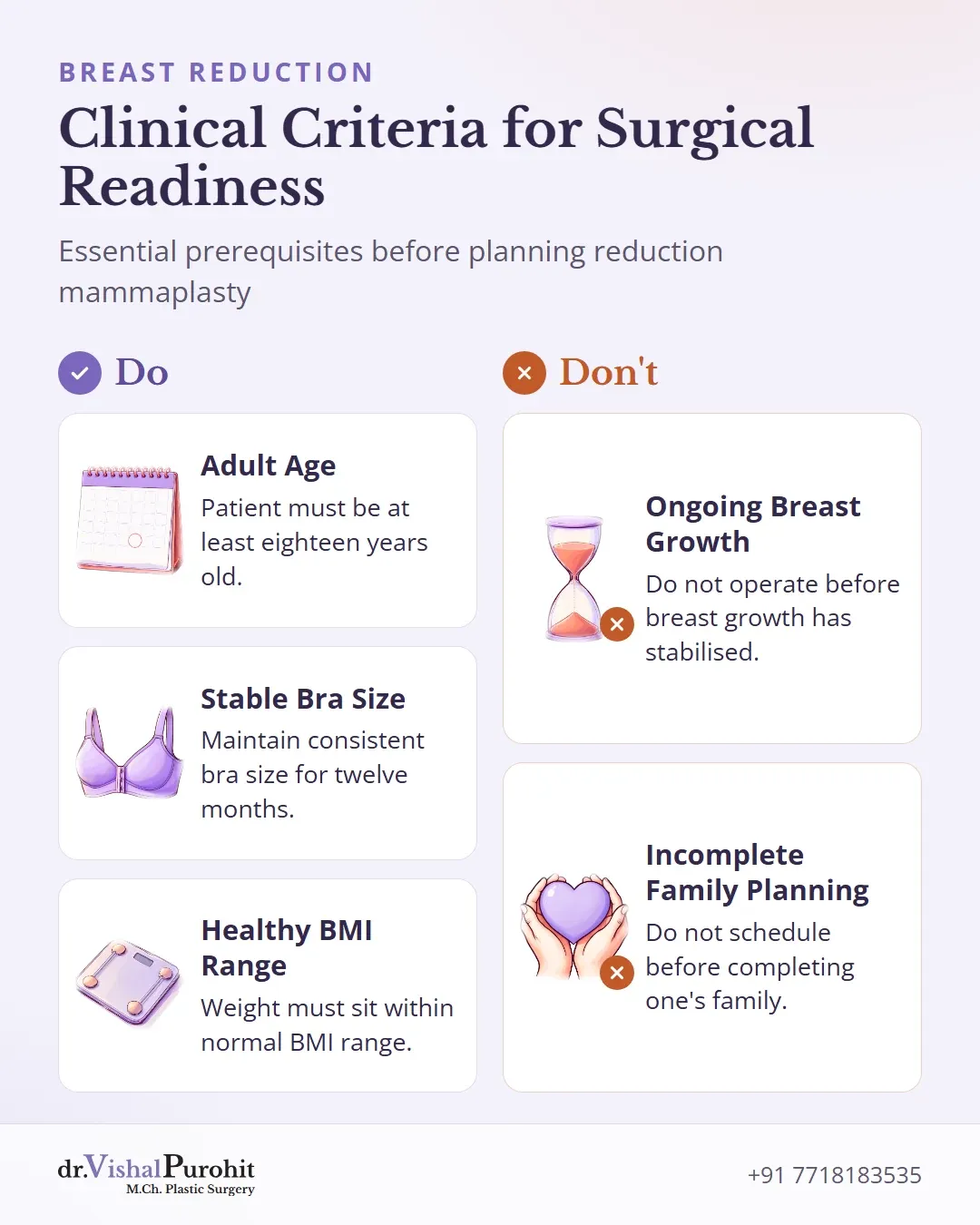
There is no universal age cutoff in the medical literature for performing reduction mammaplasty. In Dr. Vishal Purohit’s practice, surgical readiness depends on physical maturity and tissue stability:
- Assessment of tissue stability: Clinical evaluation focuses on breast maturity and stability, requiring a consistent bra size for 12 months before surgical intervention is planned.
- Risk of recurrence: When significant breast enlargement occurs during early puberty, such as in rare conditions like virginal breast hypertrophy with rapid tissue growth over 1,500 grams per breast, surgical resection through reduction mammaplasty carries a documented high rate of recurrence11.
- Ongoing physical changes: Operating before breast growth has stabilised can lead to further tissue enlargement over time, potentially altering the long-term surgical result.
In Dr. Vishal Purohit’s Jaipur practice, teenagers under 18 and their families are seen for assessment and advice. Additionally, weight should be within the normal BMI range before surgery.
Dr. Purohit’s note: Dr. Purohit advises undertaking breast reduction after completing one’s family.
Clinical Assessment in Jaipur
While the medical literature does not define a single universal age limit, Dr. Vishal Purohit evaluates young patients in Jaipur individually.
Minors and teenagers are seen for assessment and clinical guidance alongside their families, ensuring thorough physical evaluation and counselling before any future surgery is considered.
Can Breasts Grow Again?
For young patients considering breast reduction, medical reports indicate that regrowth is generally unlikely, though sporadic cases of recurrent enlargement have been documented12.
In routine cases, repeat reduction surgery is uncommon13.
Regrowth in Juvenile Gigantomastia
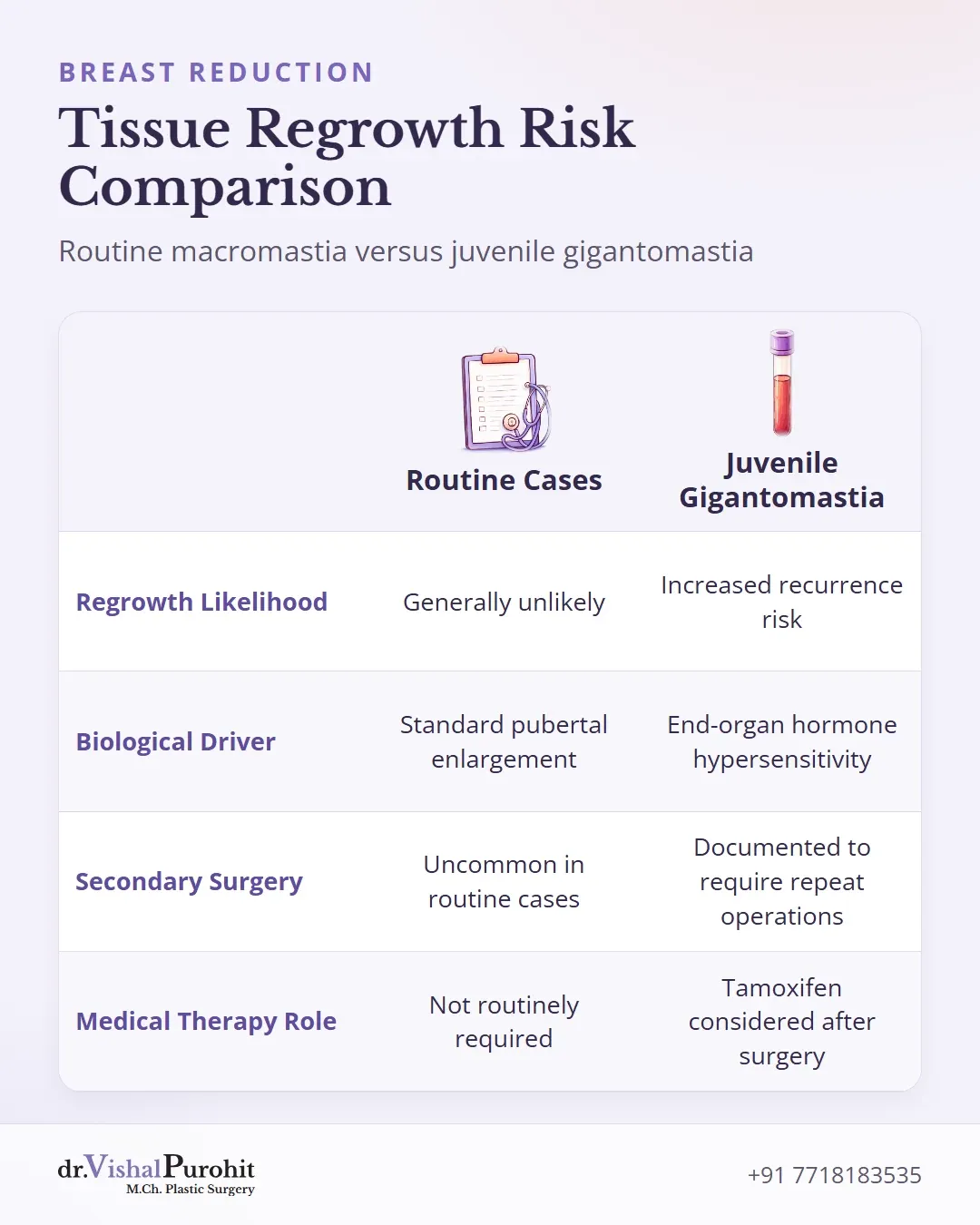
A notable exception where enlargement may recur is juvenile gigantomastia (also known as virginal macromastia or virginal mammary hypertrophy)3413.
This rare condition involves rapid breast enlargement during puberty, typically related to end-organ hypersensitivity to normal circulating hormones34.
Published surgical evidence highlights specific considerations for these patients:
- Recurrence Risk: Reduction mammaplasty provides improved breast aesthetics, but patients face an increased likelihood of recurrence compared to other procedures4. Regrowth has been documented to require subsequent operations313.
- Surgical Findings: In some adolescent cases, persistent enlargement or insufficient volume reduction has been observed rather than true biological recurrence14. Complete tissue removal via subcutaneous mastectomy minimizes recurrence risk but produces a more deforming result4.
- Medical Therapy: Studies note that medical therapies, such as anti-oestrogen medication including tamoxifen, have been utilized or considered after surgery to help lower recurrence rates412.
In Jaipur, teenagers are seen only for assessment and advice.
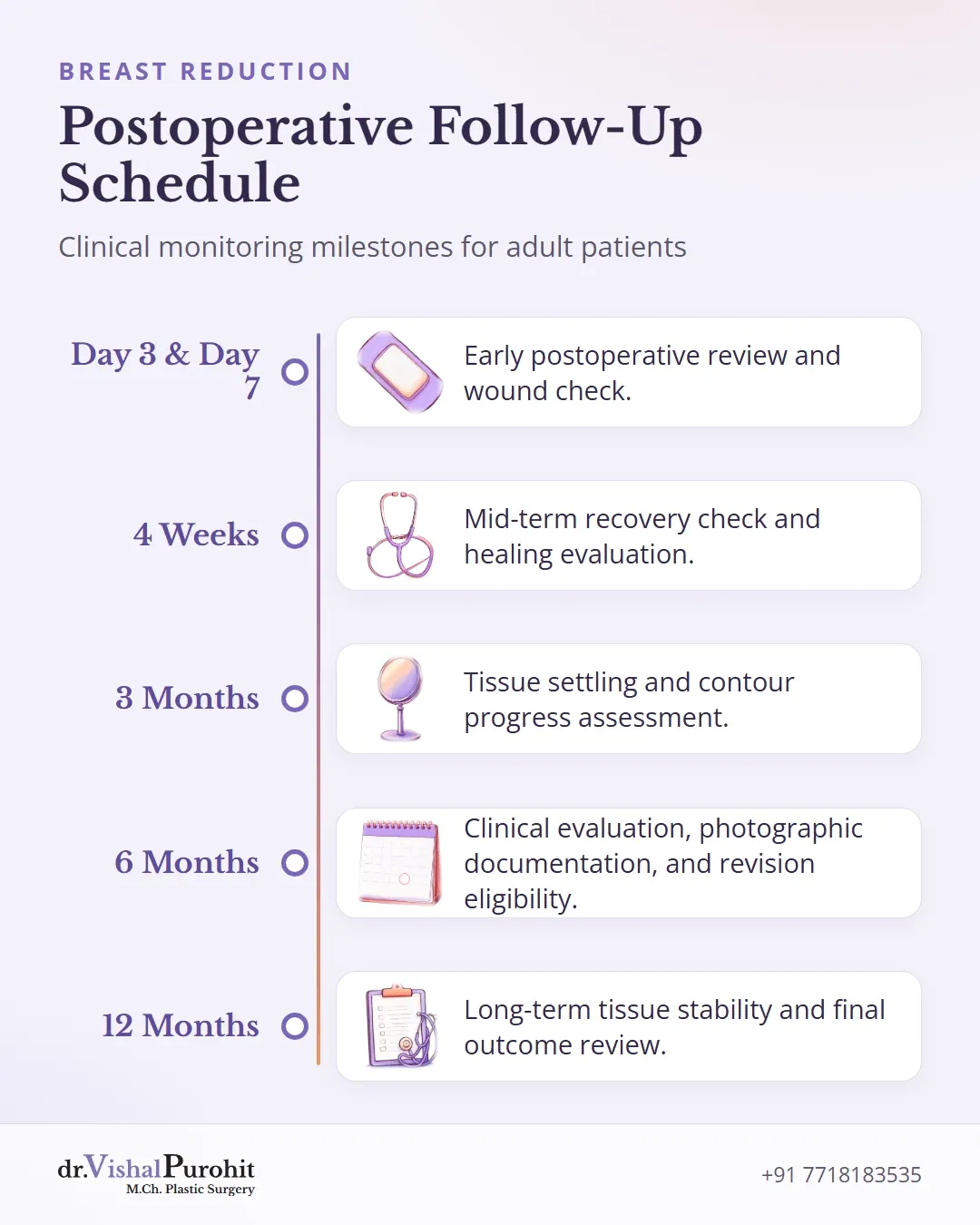
For adult patients undergoing reduction mammaplasty, Dr. Purohit schedules postoperative follow-up visits on day 3 and day 7, at 4 weeks, and at 3, 6, and 12 months, with photographs taken at 6 months.
Any revision or secondary correction is considered only after waiting at least 6 months. Minor corrections performed under local anaesthesia are charged, while major corrections or complication management under general anaesthesia may be chargeable.
Breastfeeding, Consent and Family Involvement
Future Breastfeeding Considerations
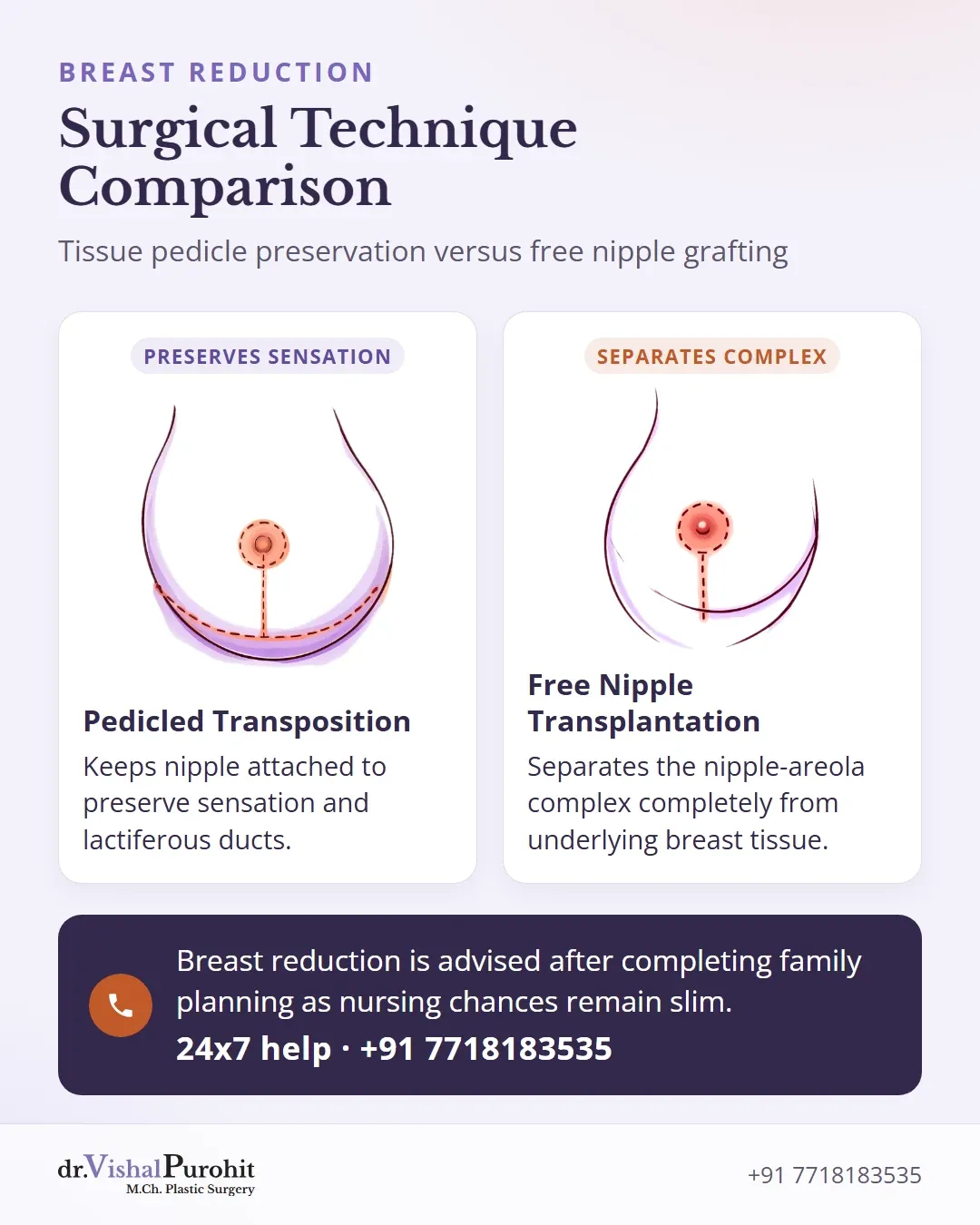
A primary principle across reduction mammaplasty techniques is maintaining sensation alongside symptom relief15.
In his practice in Jaipur, Dr. Vishal Purohit uses superomedial or inferior pedicle reduction mammaplasty with a Wise pattern anchor or vertical scar. This pedicled transposition keeps the nipple attached to its pedicle to preserve sensation.
Even with preserved anatomy, literature notes that tissue necrosis remains a recognized risk during reduction mammaplasty16. Large-volume reductions carry heightened risk of nipple ischemia due to the tenuous blood supply of long pedicles.
In Dr. Vishal Purohit’s practice, patients are counseled that breast reduction is advised after completing their family (after having children), given the implications for future nursing.
Consent, Assent, and Patient Privacy
Written consent is needed before surgery and before any photographs are taken.
Teenagers under 18 years of age are seen solely for assessment and clinical advice.
Clinical Evaluation for Young Patients in Jaipur
Deciding on surgical intervention during youth requires careful consideration of physical maturity, anatomical stability, and personal emotional well-being.
Teenagers and their families are seen at the clinic for clinical assessment and advice, with consultations conducted together with family members. Detailed consultations provide families with essential clarity regarding tissue stability and long-term implications.
Understanding eligibility and candidacy helps clarify if surgery is appropriate at this stage. Families can receive comprehensive care through breast reduction surgery in Jaipur in Jaipur, located on Tonk Road.
This is educational information, not medical advice.