Reduction mammaplasty provides lasting reductions in breast volume and significant physical comfort for women dealing with heavy breast tissue. Understanding how surgical results evolve over time helps patients set realistic expectations for their post-operative appearance and overall physical well-being.
While surgical removal of glandular tissue is definitive, natural factors such as gravity, ageing, and weight fluctuations gradually influence contour. Exploring breast reduction for back & neck pain relief highlights how enduring functional comfort remains alongside gradual structural settling.
Long-Term Results at a Glance
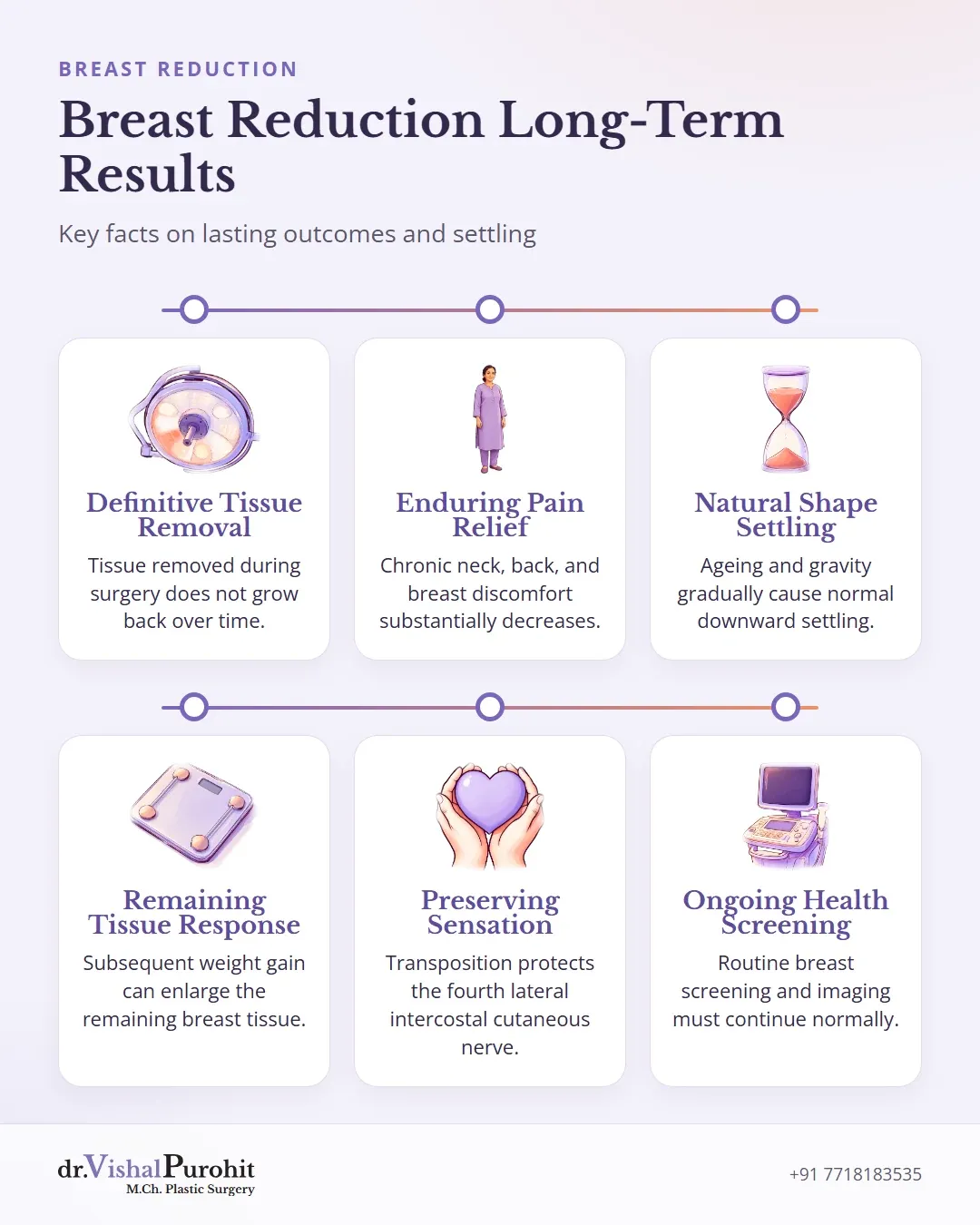
Long-term outcomes after reduction mammaplasty combine lasting relief for many women with gradual changes in shape.
| What can change | Why | What helps |
|---|---|---|
| Size | Long-term satisfaction with breast size remains high following reduction mammaplasty [1]. | Surgical reduction of breast volume and tissue weight [1]. |
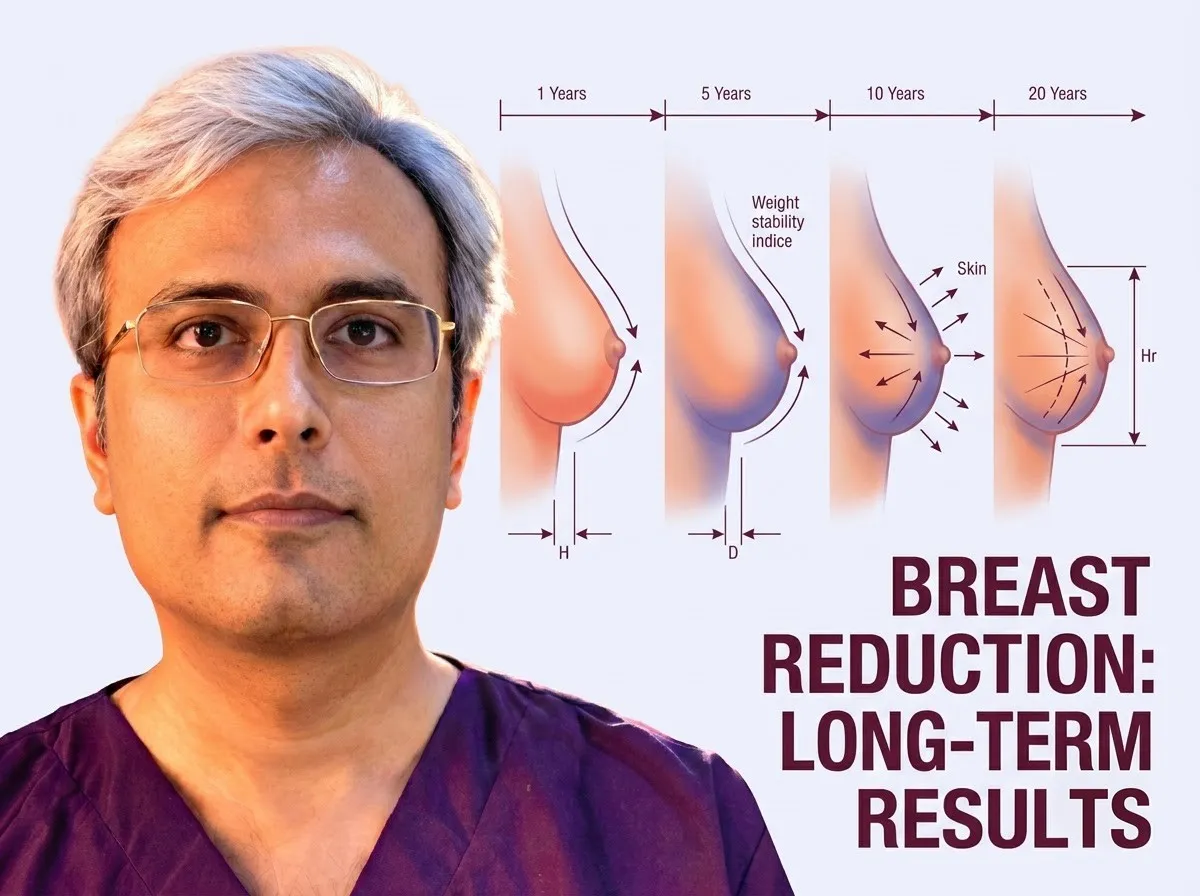
| Shape and sagging | Sternal notch-to-nipple distance and vertical inframammary distance can increase over follow-up as tissues settle [1]. | Dermis suspension techniques help limit vertical tissue elongation and maintain shape stability [1]. |
| Scars | Wise pattern anchor or vertical scar incisions mature over time. | Surgical placement along anatomical folds. Dr. Vishal Purohit uses layered closure with internal Monocryl sutures, avoids skin glue or waterproof tape, and advises keeping scars covered from the sun. |
| Symptom relief | Chronic back pain, neck pain, and mastodynia reduce substantially after surgery [1]. Physical activity limitations also drop significantly [1]. | Decreasing breast weight relieves vertical tissue tension and improves physical functioning [1]. |
| Sensation | Nipple-areola sensation can be altered during pedicle transposition. | Dr. Vishal Purohit uses pedicled transposition to preserve the 4th lateral intercostal cutaneous nerve branch for sensation, though the chances of breastfeeding afterwards remain slim. |
What Lasts: Symptom Relief and Quality of Life
Long-term published evaluations show that reduction mammaplasty provides substantial functional improvements, though individual outcomes vary and permanent pain relief cannot be promised.
Long-Term Relief of Chronic Pain
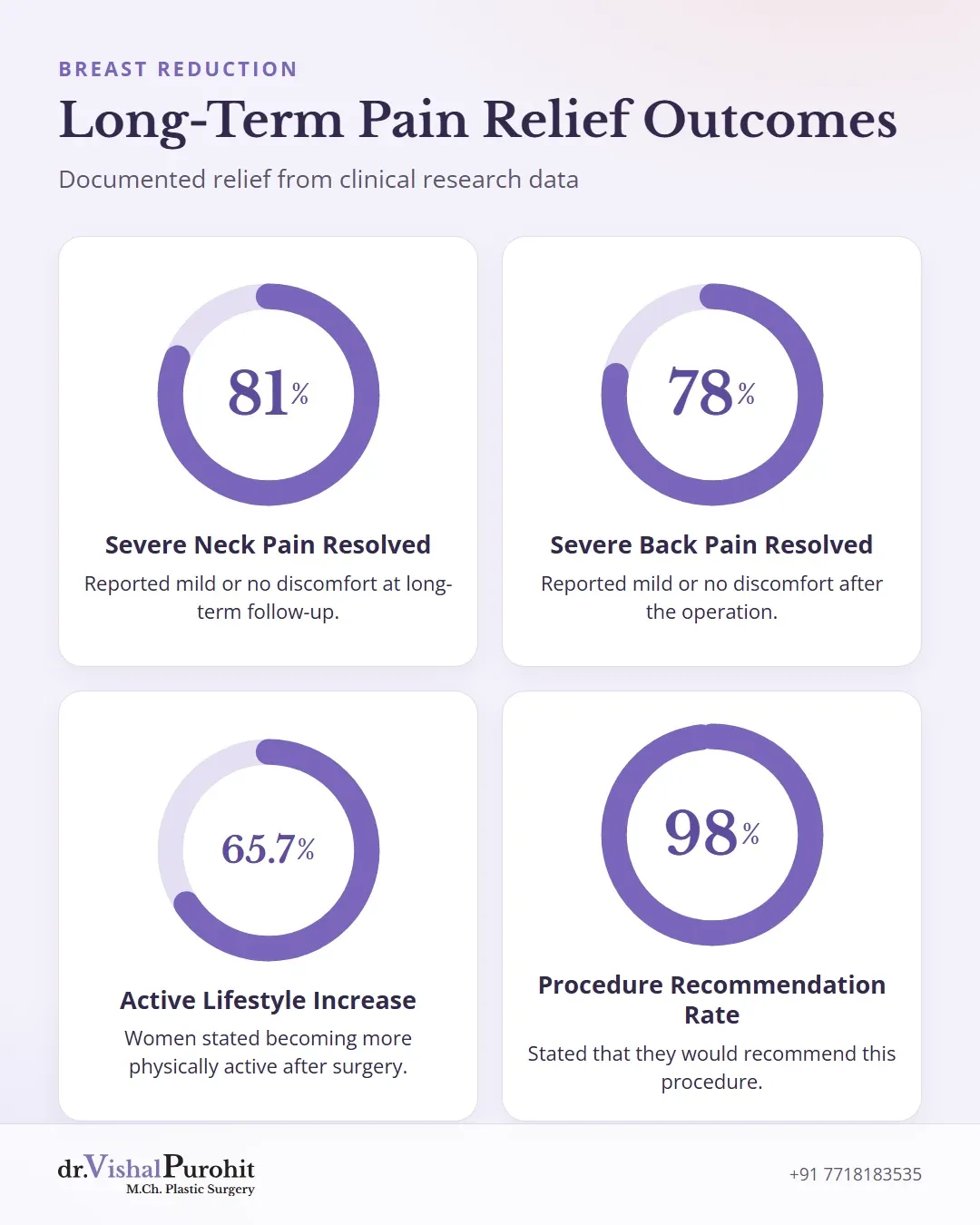
Clinical research specifically examining functional outcomes confirms that physical discomfort associated with heavy breasts often improves markedly after surgery:
- Neck and Back Pain: In a long-term study evaluating patients who underwent inferior pedicle reduction mammaplasty, neck pain was reported by 78.9% of women before surgery compared with 24.7% postoperatively [2]. Back pain dropped from 89.8% preoperatively to 30.8% following the procedure [2].
- Severe Pain Resolution: Among women who experienced severe neck pain before surgery, 81% reported only mild or no pain at long-term follow-up [2]. Similarly, 78% of those with severe preoperative back pain reported mild or no pain afterward [2].
- Pain Medication Dependence: The proportion of patients requiring analgesic medication for neck or back pain decreased from 44% before the operation to 17% postoperatively [2].
Physical Activity and Everyday Well-Being
Beyond physical comfort, removing excess breast tissue frequently translates into greater ease with physical movement and daily living:
Physical Activity
In published follow-up data, 65.7% of surveyed women stated they became somewhat or much more physically active after surgery [2]. Other surgical series similarly report significant reductions in physical activity limitations over long-term follow-up [1].
Self-Image
Long-term follow-up studies document an improvement in self-image for 88% of patients [2].
Satisfaction
Long-term follow-up studies show 98% of patients stating they would recommend the procedure [2].
While published studies reflect significant, enduring relief across patient cohorts, individual results depend on personal health and overall musculoskeletal factors.
Can Breasts Grow Back or Sag Again?
A common question among patients planning reduction mammaplasty is whether breast tissue can grow back after surgery, or whether the breasts can sag again over time.
Myth: Excised breast tissue can grow back after reduction mammaplasty.
Fact: The excised tissue does not return, though breasts can undergo contour changes over time due to patient-related and technique-related variables [3].
Can Breast Tissue Regrow?
The tissue that is removed does not grow back. The breast tissue that remains can still change with weight and age [3], and in rare conditions such as virginal hypertrophy, regrowth can lead to a second reduction [4].
Shape Changes Over Time: Bottoming Out and Ptosis
Factors influencing long-term structural behavior include:
- Patient age and weight loss or gain [3]
- Skin elasticity and density of breast parenchyma [3]
- Initial breast size, excision pattern, pedicle design, and lower pole structural support [3]
Due to gravity, the stretching of skin and underlying supportive structures can cause superiorly displaced tissues to prolapse over time [3]. Relying on soft tissues with low structural strength for long-term breast support often proves inadequate [3].
Differences Between Surgical Pedicles
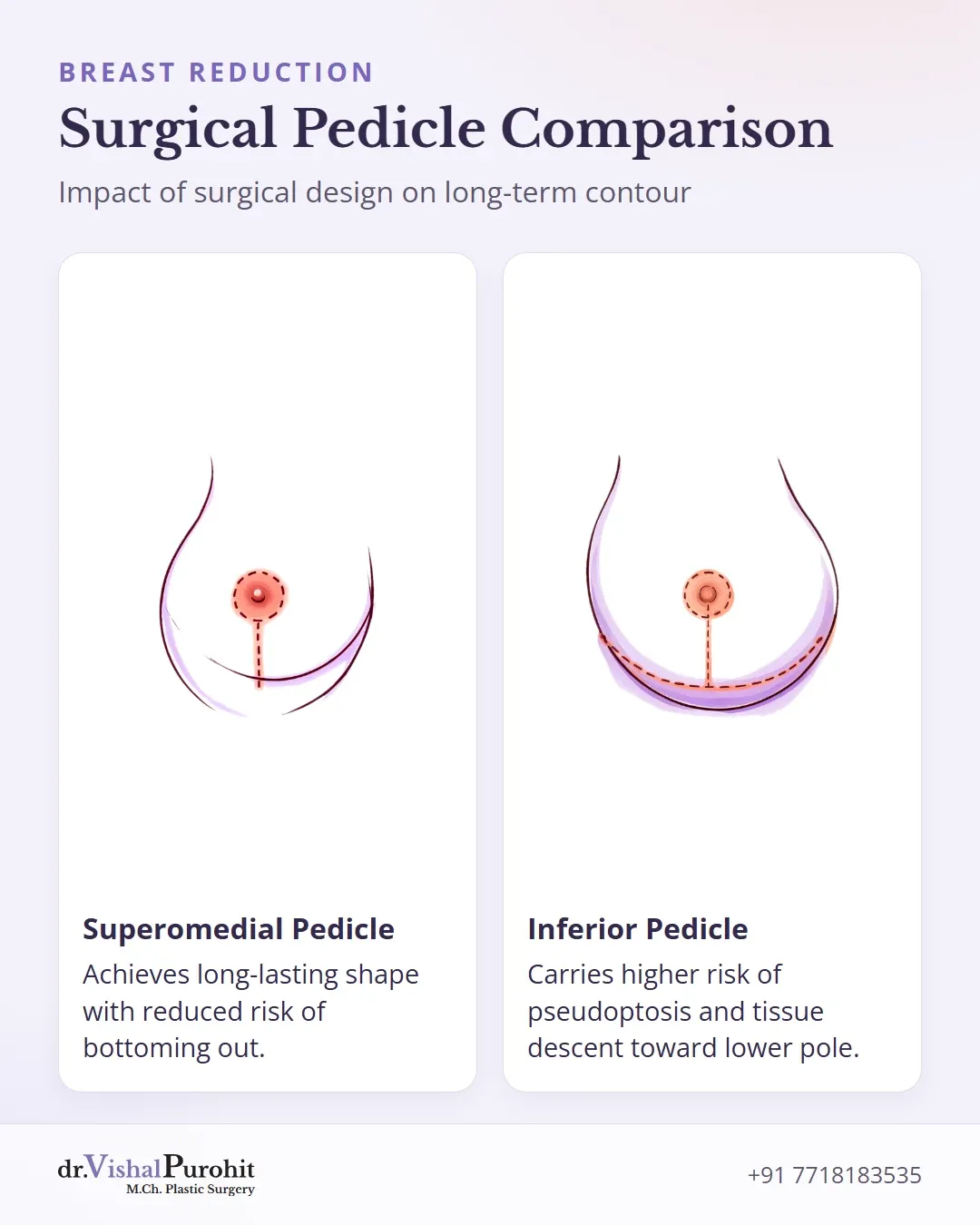
Clinical evidence indicates that the choice of glandular pedicle plays a significant role in long-term shape stability:
- Inferior Pedicle Technique: Pseudoptosis, commonly termed “bottoming out,” is a recognized long-term outcome associated with inferior pedicle breast reductions [3, 5, 6]. In this phenomenon, breast tissue descends toward the lower pole, leading to an increased distance between the nipple and the inframammary fold alongside a “star-gazing,” upward-rotated, or high-riding nipple-areola complex [3, 5, 6]. Recurrent ptosis is also documented following this approach [3]. Dr. Vishal Purohit uses the inferior pedicle when indicated, though it is not his primary preference.
- Superior and Superomedial Pedicles: Published comparisons demonstrate that superior and superomedial pedicles achieve long-lasting results with a reduced risk of bottoming out compared to inferior pedicles [3, 6]. Even with these techniques, long-term projection and contour remain dependent on the vertical height of skin flaps, glandular pillars, and pedicle thickness [3].
Dr. Purohit’s note: In Dr. Vishal Purohit’s practice in Jaipur, the superomedial pedicle is his preferred pedicle technique.
Weight, Pregnancy and Ageing
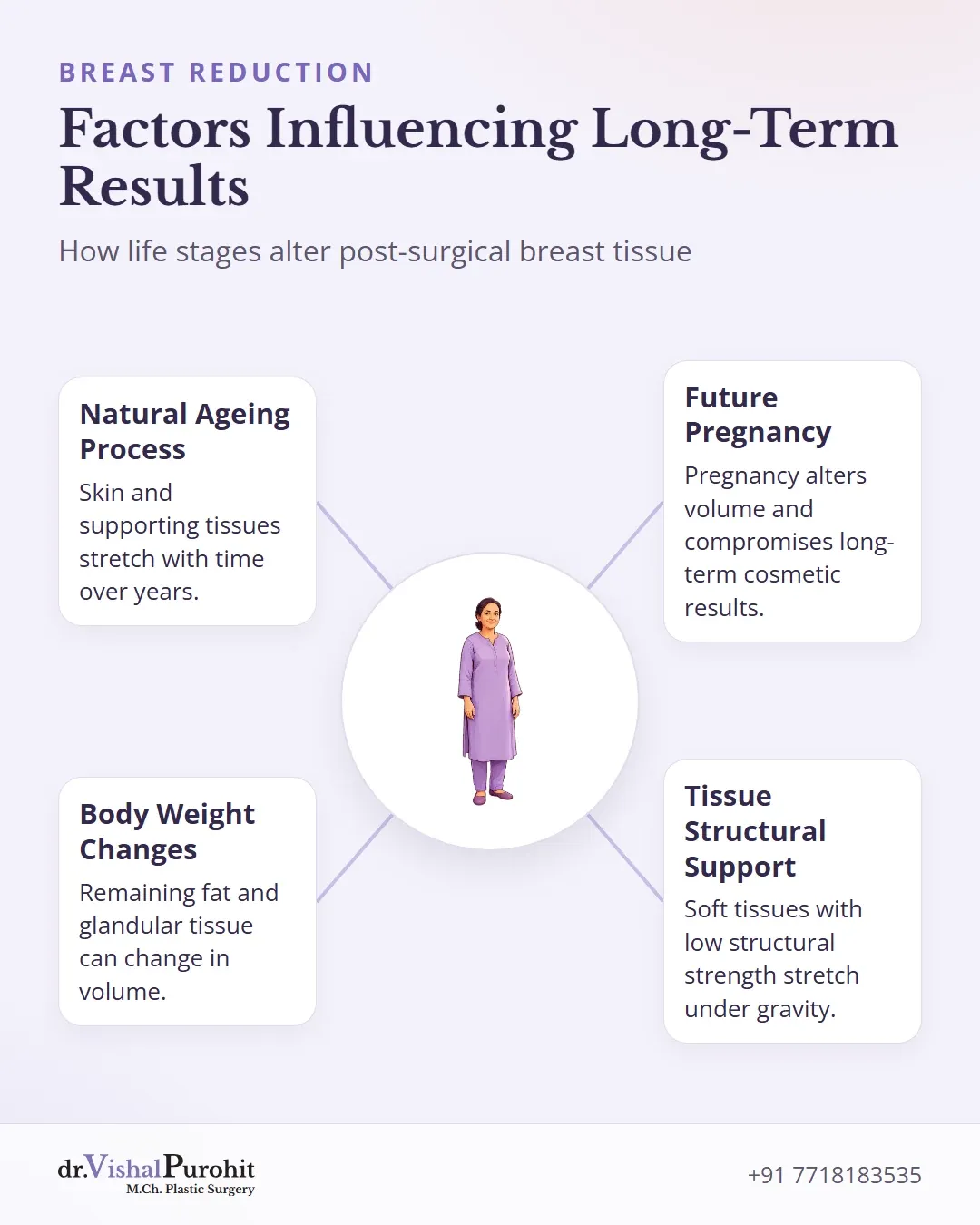
Long-term breast shape and volume after reduction mammaplasty are naturally influenced by major life changes over time.
Weight Fluctuations
The breasts that remain after a reduction still contain fat and glandular tissue, so later weight gain or loss can change their size and shape; studies list weight change among the factors behind long-term shape change [3].
In Dr. Vishal Purohit’s practice, a patient’s weight should be within the normal BMI range before surgery.
Pregnancy and Breastfeeding
Pregnancy changes the breasts. Because of the potential impact on breastfeeding, Dr. Vishal Purohit advises undergoing breast reduction after completing one’s family.
Natural Ageing
Skin and supporting tissues stretch with time, which is one reason the lower part of the breast can descend after any breast reduction [3]. Symptom relief tends to last: in one long-term study, 81% of women with severe neck pain before surgery reported mild or no pain at follow-up [2].
New Symptoms and Follow-Up Later On
Long-term recovery after reduction mammaplasty involves ongoing monitoring, as unexpected breast changes or discomfort can emerge years after surgery.
Assessing Pain and New Lumps
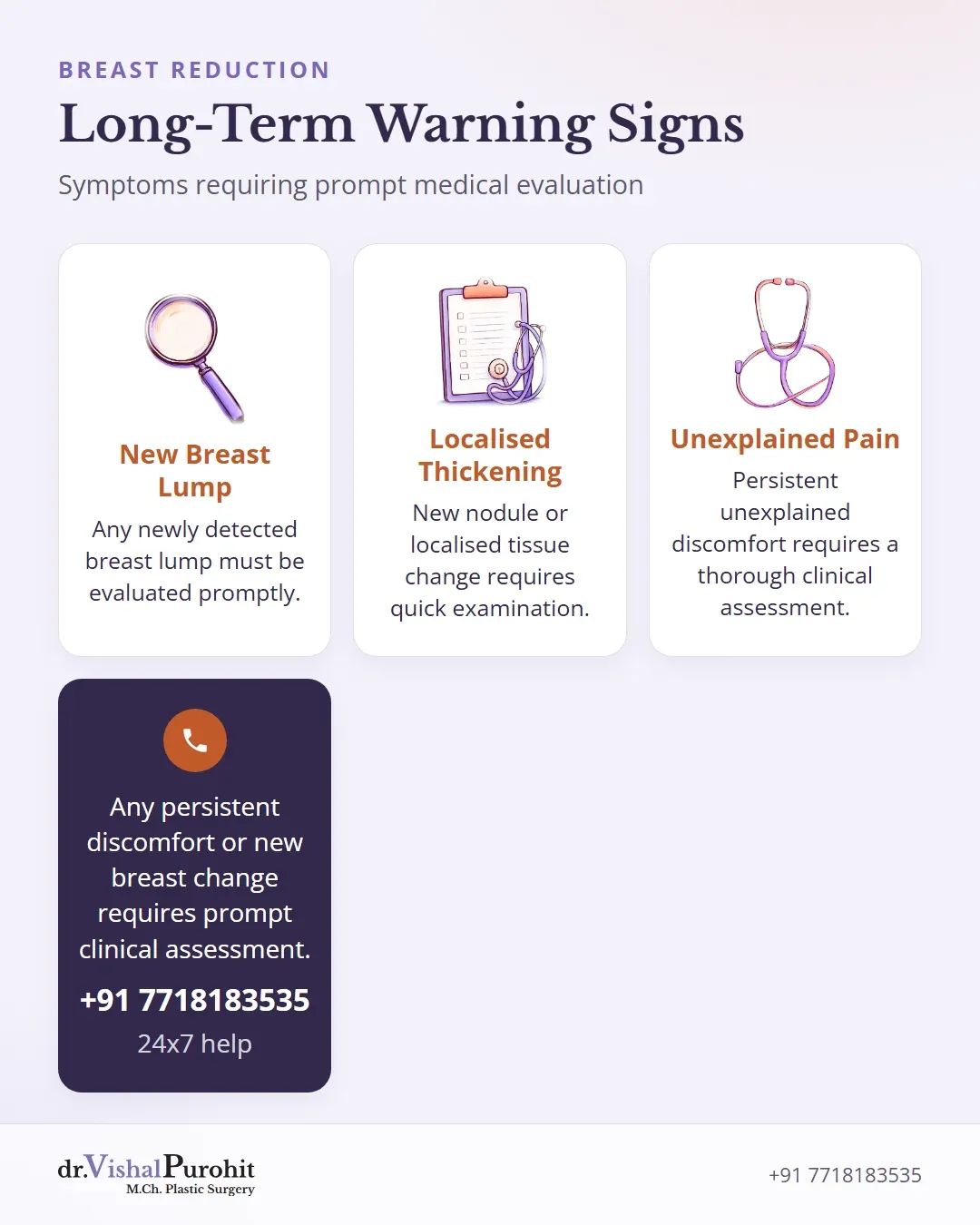
Persistent pain after breast reduction may stem from other causes rather than the original breast volume; any unexplained or ongoing discomfort requires a thorough clinical assessment.
Similarly, any new breast lump, nodule, or localised change must be checked by a doctor without delay. Routine breast screening, including clinical examinations and breast imaging, should continue as guided by standard screening protocols.
Revision and Repeat Breast Reduction
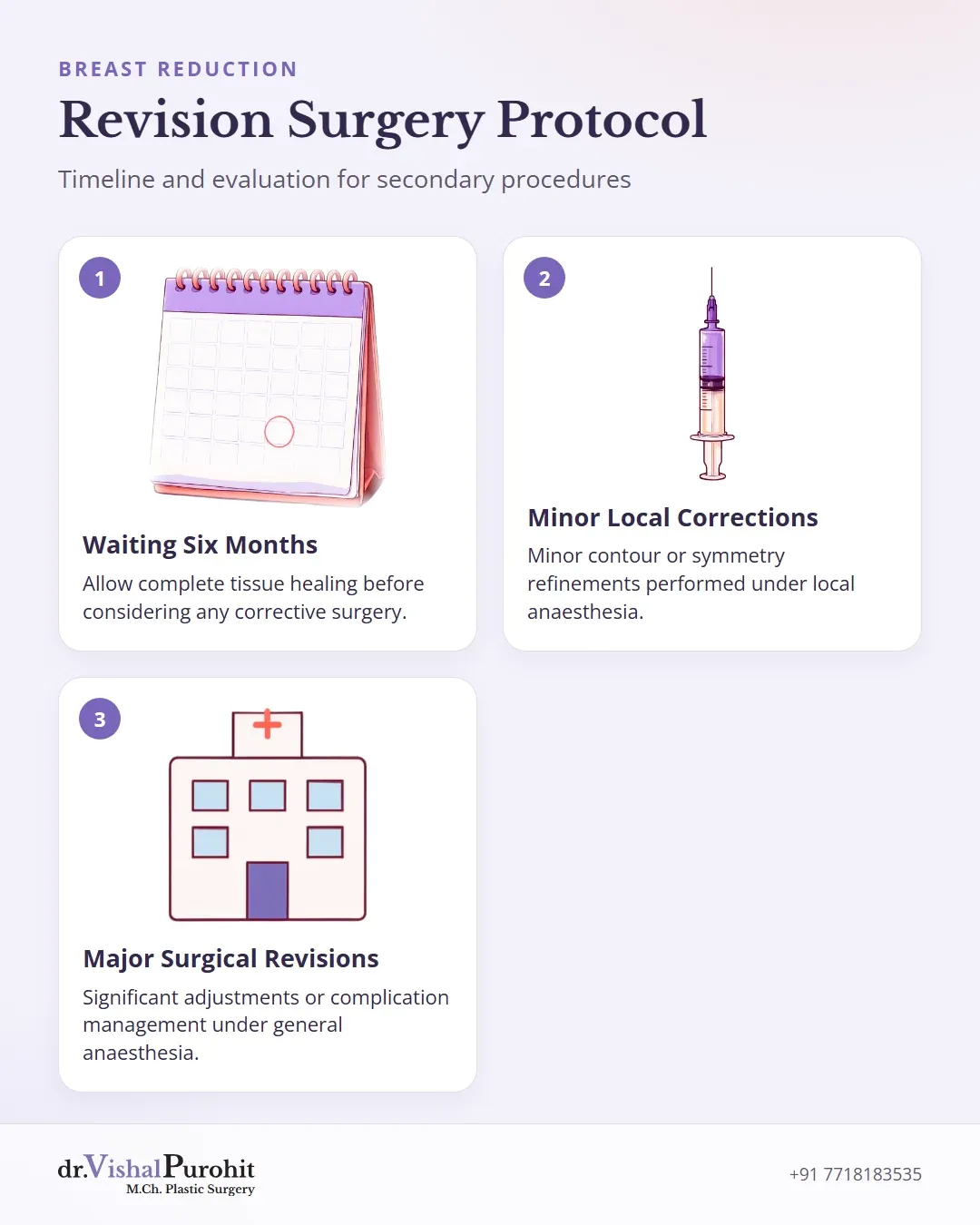
Secondary breast surgery may address several specific concerns:
- Aesthetic issues
- Healing problems
- Changes in symmetry
- Complications from the initial operation [4, 7]
Repeat reductions remain uncommon; conditions such as virginal hypertrophy are among the few instances where tissue regrowth necessitates further reduction surgery [4].
Studies report that secondary breast reductions can be carried out safely without free nipple grafting [8].
In a retrospective cohort study of 30 secondary reduction mammaplasty patients, researchers observed no occurrences of nipple-areolar complex (NAC) ischemia or loss. In this group, 73% retained NAC sensation when the primary pedicle was known, and 83.33% retained sensation when the initial pedicle was unknown [8].
In Dr. Vishal Purohit’s practice at Kalpana Aesthetics, corrections are considered after waiting 6 months. Minor corrections performed under local anaesthesia are charged, while major corrections or the management of complications under general anaesthesia may be chargeable.
Long-Term Breast Reduction Consultations in Jaipur
Maintaining realistic expectations about ageing, weight changes, and tissue dynamics ensures greater confidence in your long-term surgical outcome. For individuals considering breast reduction surgery in Jaipur, careful surgical planning addresses both functional relief and contour stability.
During consultation, you can review procedural details, recovery timelines, and expectations for breast reduction results and long-term outcomes.
This is educational information, not medical advice.