
Sweating is a natural bodily process for cooling, but primary hyperhidrosis produces excessive perspiration that interferes with everyday life. Clinical evaluation distinguishes normal temperature regulation from conditions requiring targeted treatment.
A structured review identifies whether perspiration is localized or secondary to underlying illnesses. Patients preparing for evaluation can review Before Hyperhidrosis Botox: Medical History and Consent to understand the role of complete health documentation.
Normal Heat Response Versus Daily Disruption
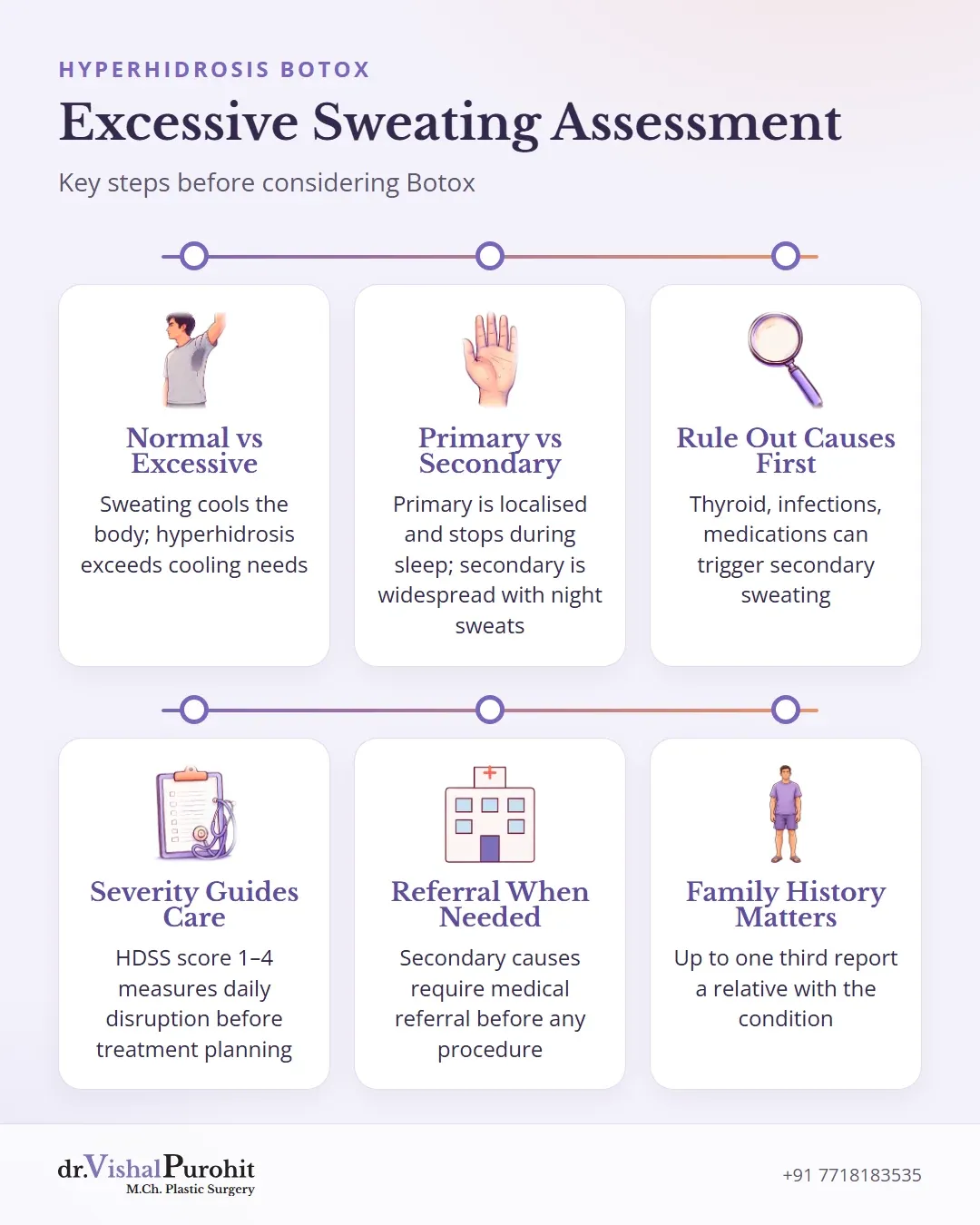
Sweating is a normal physiological reaction that helps regulate body temperature during exercise or in response to fluctuations in temperature12. Cutaneous eccrine glands produce sweat across the body to cool the skin when needed12.
In contrast, hyperhidrosis is the secretion of sweat in amounts far greater than physiologically required for thermoregulation23. In primary focal hyperhidrosis, this excessive production occurs without an obvious underlying medical cause or trigger134.
Normal Heat Response
How Excessive Sweating Affects Daily Routine
When sweat production exceeds normal cooling needs, it frequently interferes with ordinary activities5. Patients often experience marked disruption in daily life:
- Sweat may soak through garments, causing visible stains and requiring clothing changes1.
- The condition can cause significant occupational and physical impairment5.
- It creates distress and undue social stigmatization during work or social interactions256.
Unmanaged focal sweating can substantially reduce overall quality of life245. A formal medical evaluation helps determine whether symptoms represent an exaggerated response requiring targeted clinical care78.
Localised Patterns Versus Night Sweating
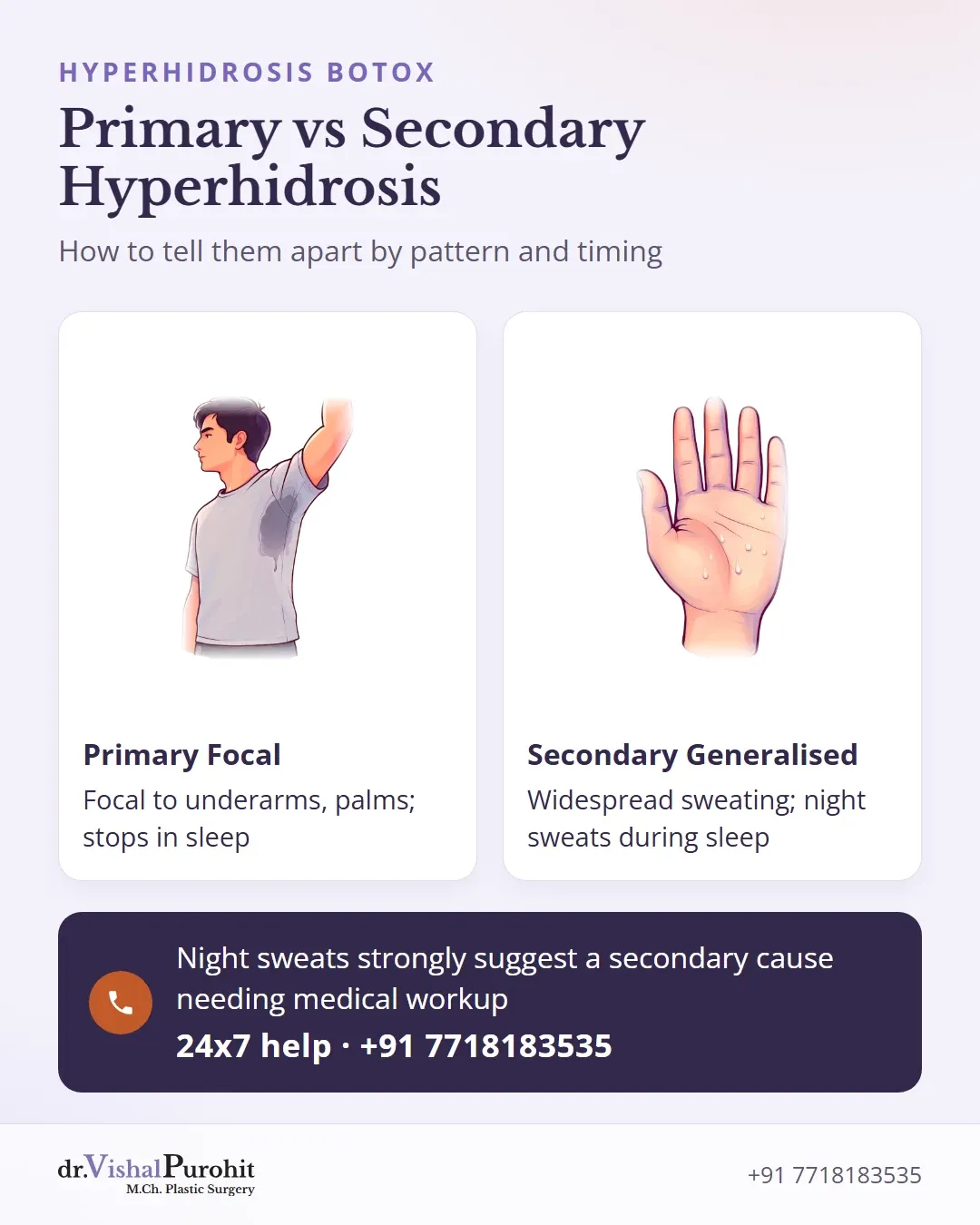
Primary focal hyperhidrosis is confined to specific anatomical locations, such as the axillae, palms, soles, or face45. It typically begins in childhood or adolescence and is not caused by an underlying medical condition45. Sweating from primary hyperhidrosis occurs while awake and characteristically stops during sleep7.
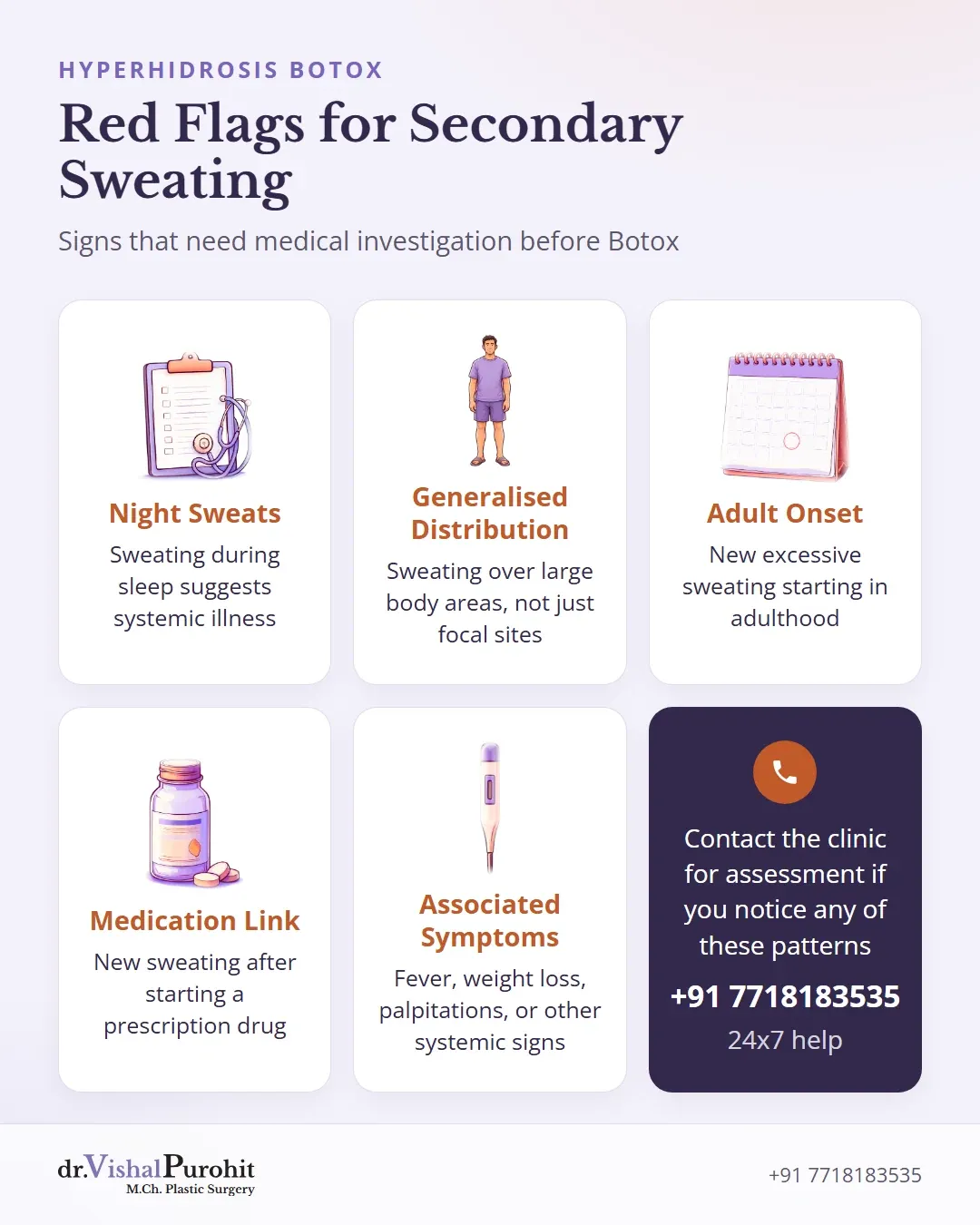
In contrast, generalized hyperhidrosis affects a larger surface area and suggests a secondary cause rather than primary focal disease57. Patients with generalized or secondary sweating often present in adulthood and report symptoms occurring both while awake and during sleep, manifesting as night sweats7.
Secondary hyperhidrosis requires careful medical evaluation for systemic causes7. Potential underlying triggers include:
- Systemic infections, such as tuberculosis, HIV, or endocarditis7.
- Endocrine disorders, including hyperthyroidism, pheochromocytoma, or carcinoid syndrome79.
- Malignancies, such as lymphoma7.
- Adverse effects from medications78.
Dr. Purohit’s note: Dr. Purohit assesses these clinical patterns during consultation to rule out systemic illnesses before considering non-surgical options like Botox, ensuring underlying disorders receive appropriate medical care rather than isolated symptomatic treatment9.
Medical History and Thyroid Considerations
Before considering Botox for excessive sweating, patients should undergo a thorough medical evaluation to rule out secondary causes9. Underlying conditions can stimulate sweating across the body, and treating the primary illness remains the essential first step89.
Key points
- A comprehensive medical evaluation is essential to identify and address secondary causes of sweating before considering Botox.
- Underlying systemic conditions, hormonal changes, and certain medications can trigger generalized hyperhidrosis.
- Treating the primary health condition takes priority over standalone sweat-reduction procedures.
Systemic Triggers and Prescribed Medicines
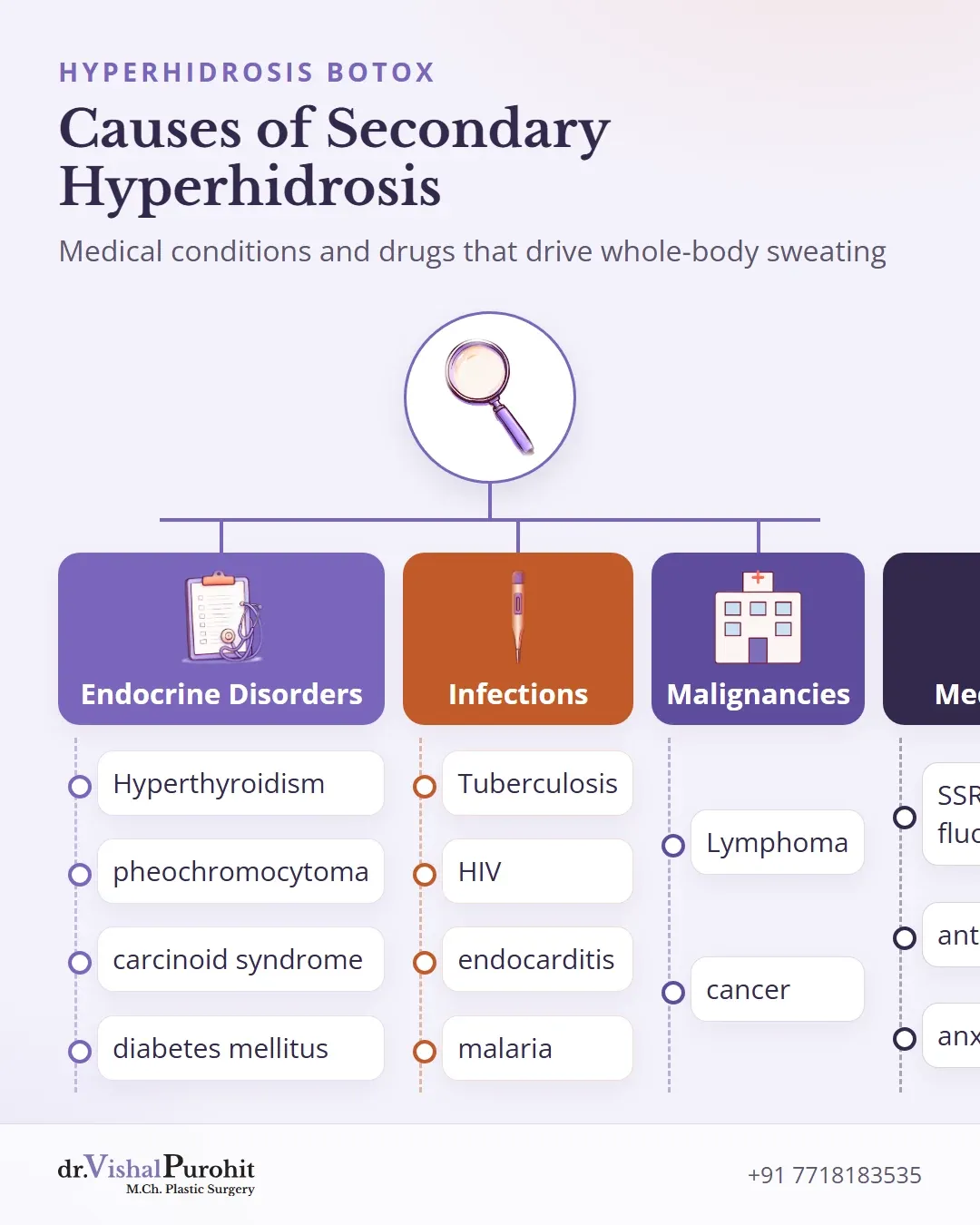
Certain health conditions and daily medications may prompt secondary hyperhidrosis8:
- Hormonal changes, such as an overactive thyroid gland (hyperthyroidism) or diabetes mellitus91011.
- Systemic illnesses, including febrile infections such as tuberculosis or malaria1011.
- Specific prescription medications, such as fluoxetine and related selective serotonin reuptake inhibitors1011.
Dr. Vishal Purohit assesses each patient to distinguish secondary causes from primary sweating disorders before planning any procedure. Patients must review their complete health history and existing prescriptions thoroughly with their doctor rather than stopping any prescribed medicine on their own8. In secondary hyperhidrosis, dermatologists and physicians work with the prescribing clinician to adjust treatments where possible, or manage the root condition alongside symptom control8.
Documenting Symptoms and Daily Impact

A structured medical history helps define how excessive sweating alters daily life. Clinical assessment documents several key factors:
- Specific anatomical locations, such as the palms, soles, or armpits10
- Age of onset, which often begins during childhood or teenage years1012
- Family history, as up to a third of affected individuals report a relative with the condition1012
- Functional interference and aggravating factors12
Severity Scales and Daily Function
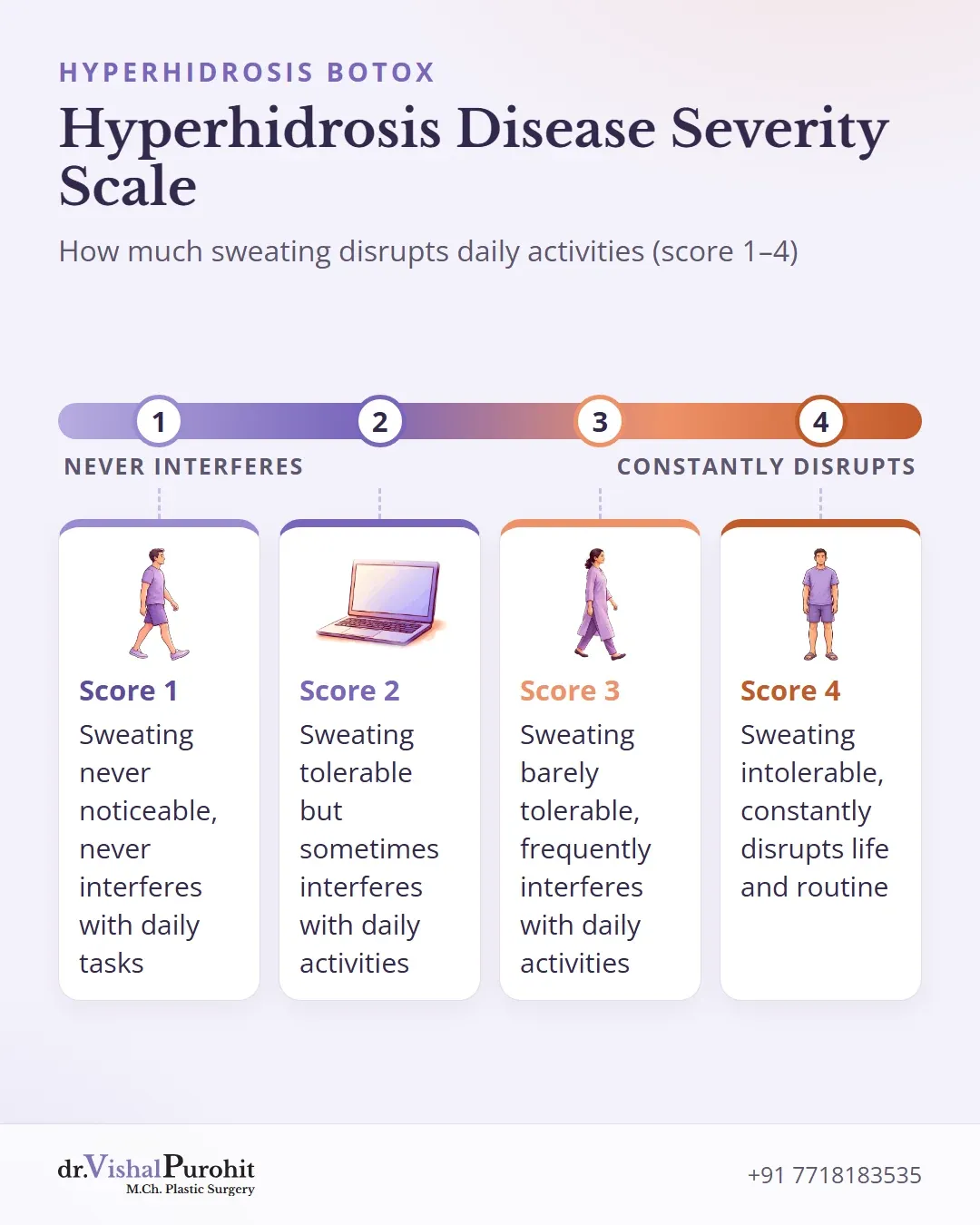
Standardised scoring tools evaluate functional limitations to guide clinical planning. The Hyperhidrosis Disease Severity Scale (HDSS) is a subjective tool that scores how noticeably sweating interferes with daily activities913. A score of 1 indicates underarm sweating is never noticeable and never interferes with daily tasks, whereas a score of 4 reflects intolerable sweating that constantly disrupts life9. Gravimetric sweat measurement can further quantify output, but functional questionnaires establish how symptoms affect a patient’s routine912.
When Medical Referral Comes First
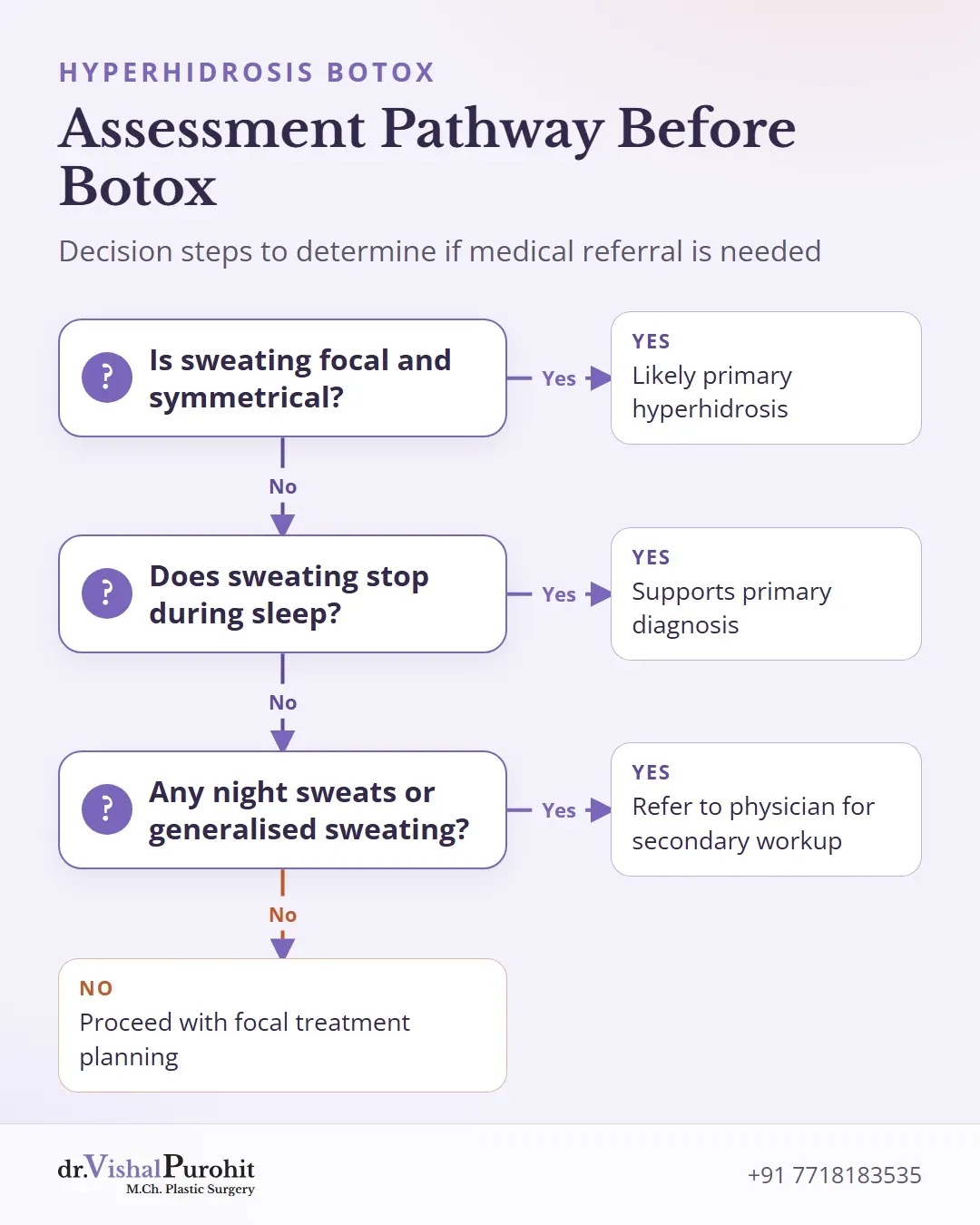
Primary focal hyperhidrosis is typically localized and symmetrical14. In contrast, secondary hyperhidrosis can be focal or generalized and arises from underlying systemic causes or certain medications814. Potential medical causes include high temperatures, physical exercise, fever, anxiety, thyrotoxicosis, lymphoma, cancer, hypoglycemia, Frey’s syndrome, neurological lesions, and medications such as antidepressants or anxiolytics14.
Patients must undergo clinical evaluation to identify potential causes of secondary hyperhidrosis, such as hyperthyroidism, before receiving focal treatment9. Initiating symptomatic suppression with Botox without diagnosing or managing the primary medical condition is inappropriate9. When secondary sweating is identified, clinical care focuses on treating the underlying medical disease or evaluating medication adjustments with the prescribing doctor8.
Whether a patient requires medical referral prior to any procedure at the practice is decided at the consultation. Choosing no treatment remains a valid option.
Clinical Assessment and Consultation in Jaipur
An accurate diagnosis ensures that underlying conditions receive appropriate attention before any non-surgical procedure is considered. Adult patients seeking clinical evaluation can explore Hyperhidrosis Botox in Jaipur for details on focal treatments, or review common procedural questions through Hyperhidrosis Botox FAQs. Contact the practice on +91 7718183535 to schedule a personal assessment.
This is educational information, not medical advice.