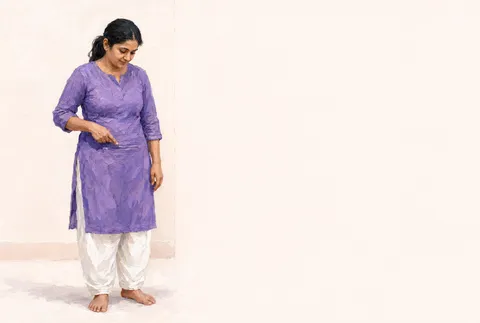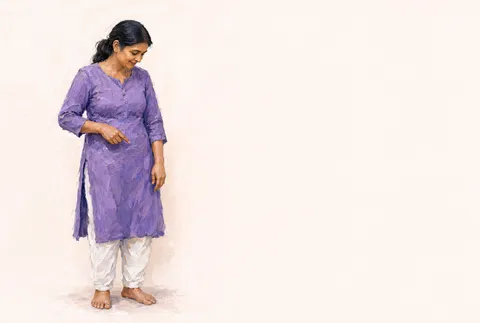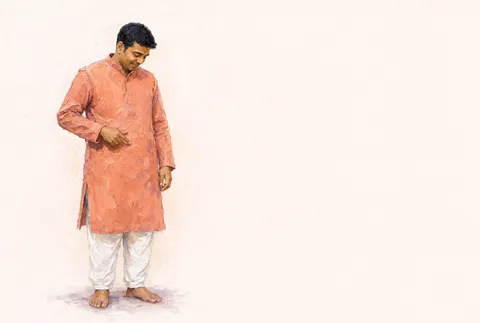
Recovering safely after an abdominoplasty requires a clear understanding of daily wound care, support garments, and healing stages. Careful postoperative habits protect the repaired abdominal wall and support smooth skin healing throughout every phase.
Following structured medical advice reduces complications and ensures comfort. Understanding the full Tummy Tuck Recovery Timeline: Week by Week helps patients plan their rest, time away from work, and daily routines with realistic expectations.
The Wound and Stitches
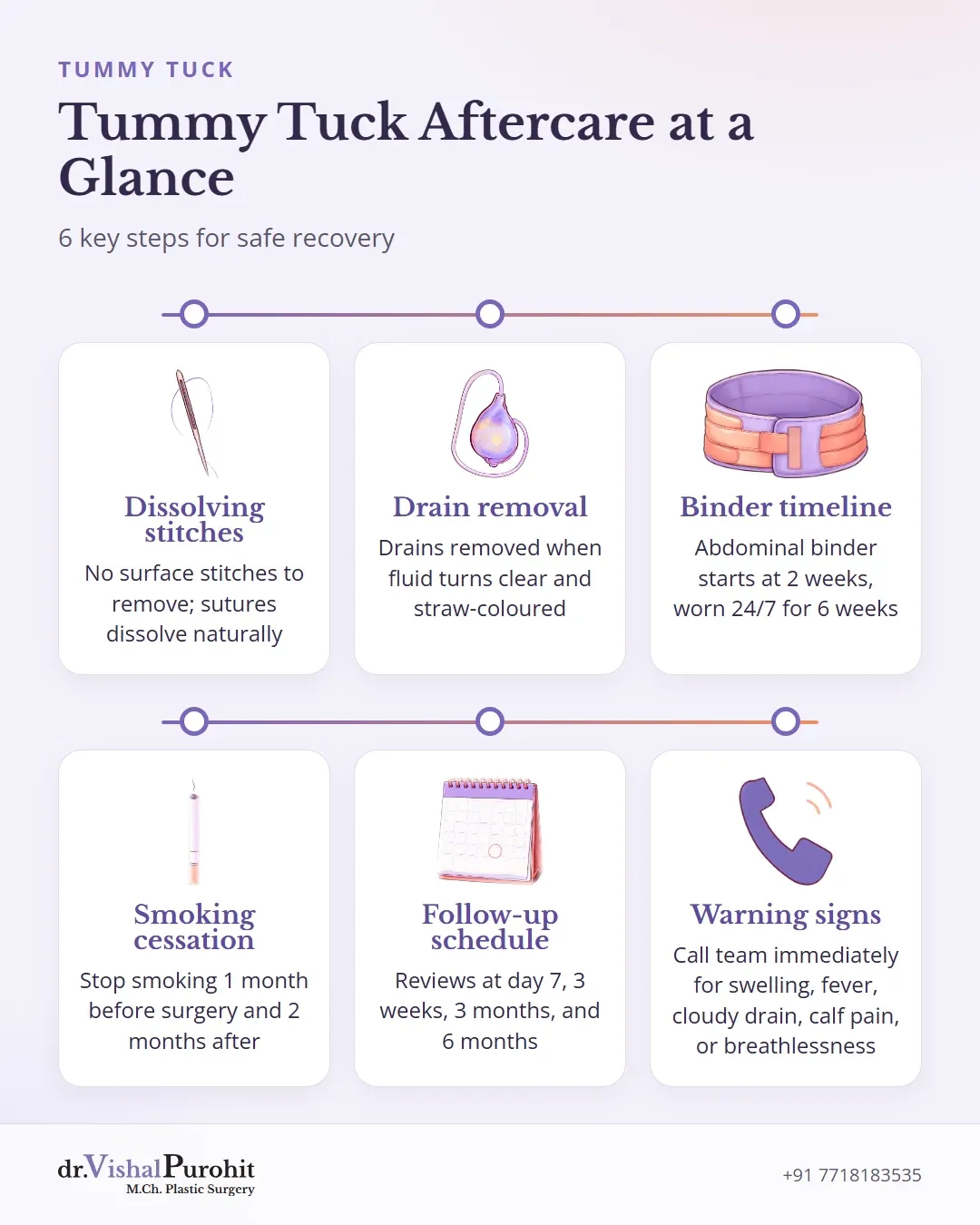
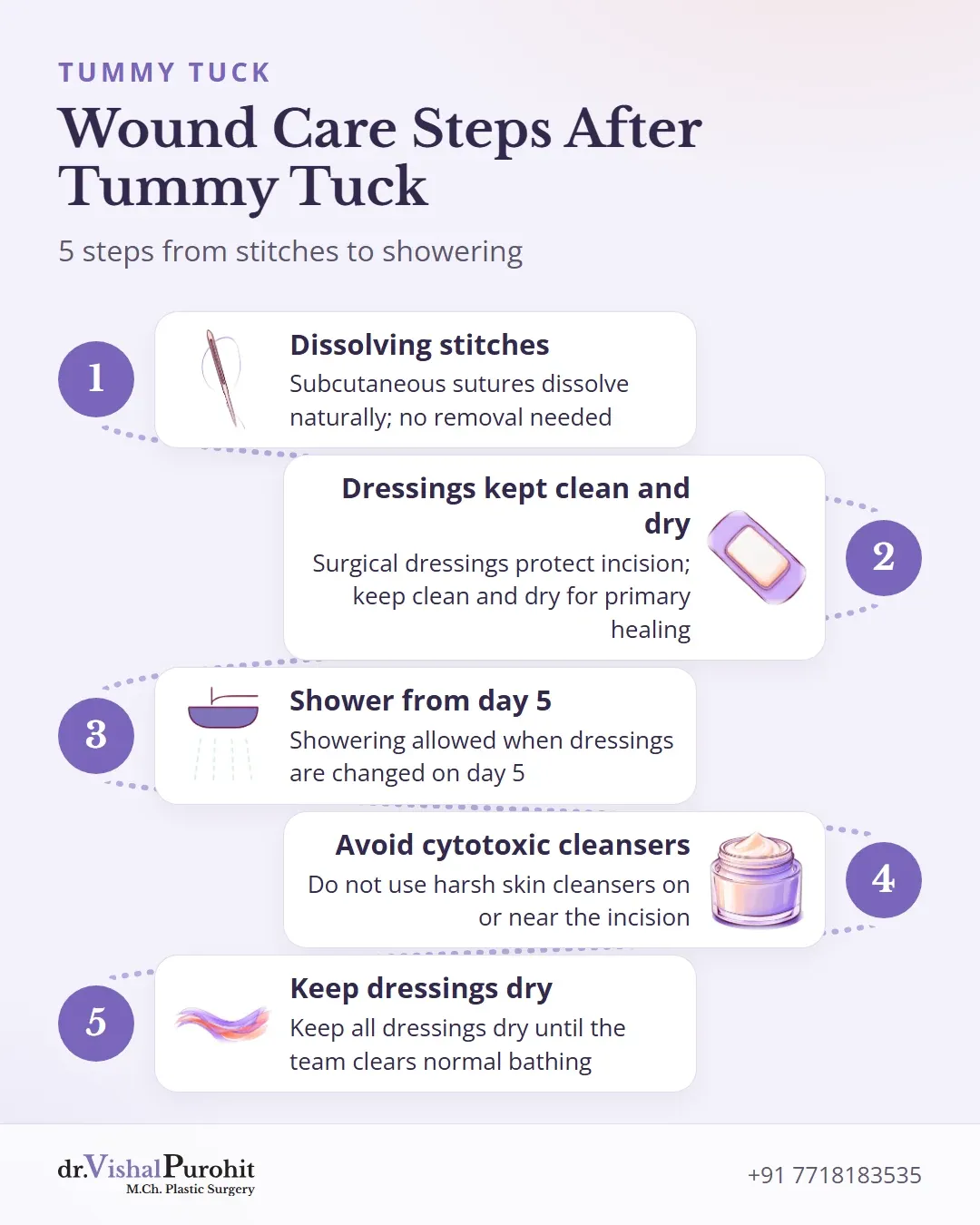
Because these sutures sit beneath the skin surface and are broken down naturally by the body, there are no surface stitches to remove during recovery.
Dr. Purohit’s note: Dr. Vishal Purohit closes the tummy tuck incision with dissolving subcutaneous stitches.
Wound Care and Dressings
Surgical dressings protect the low horizontal incision while the edges heal together. Wounds healing by primary intention should be kept clean and dry to support recovery. In abdominoplasty, the deeper tissue layers are secured with internal sutures, while the overlying skin remains sealed.
Sometimes, localized redness or a small discharge may appear along a healed incision line several weeks after surgery when dissolving sutures break down, representing a local reaction rather than an infection. Simple dressings are typically used to manage these areas.
Bathing and Daily Precautions
Showering is allowed from day 5 after surgery, when the dressings are changed. Patients must follow two precautions until cleared by the team:
- Avoid cytotoxic skin cleansers
- Keep all dressings dry

Drains
Drains are usually placed during abdominoplasty to help remove residual fluid and reduce dead space after surgery. In medical literature, closed suction drainage is widely used to prevent fluid accumulation such as seroma. Dr. Vishal Purohit uses progressive tension sutures during the procedure, which also help reduce internal dead space.
Key points
- Drains and progressive tension sutures help close dead space and prevent fluid accumulation after abdominoplasty.
- Patients must follow handling instructions strictly and never attempt to remove drains themselves.
- Drains are safely removed by the surgical team once the fluid turns clear and straw-coloured.
Drain Care and Safety
Managing surgical drains requires close attention to instructions given at discharge. General surgical texts note that specific drain care instructions must be given to patients and their caregivers before leaving the hospital.
Patients must keep the following safety points in mind:
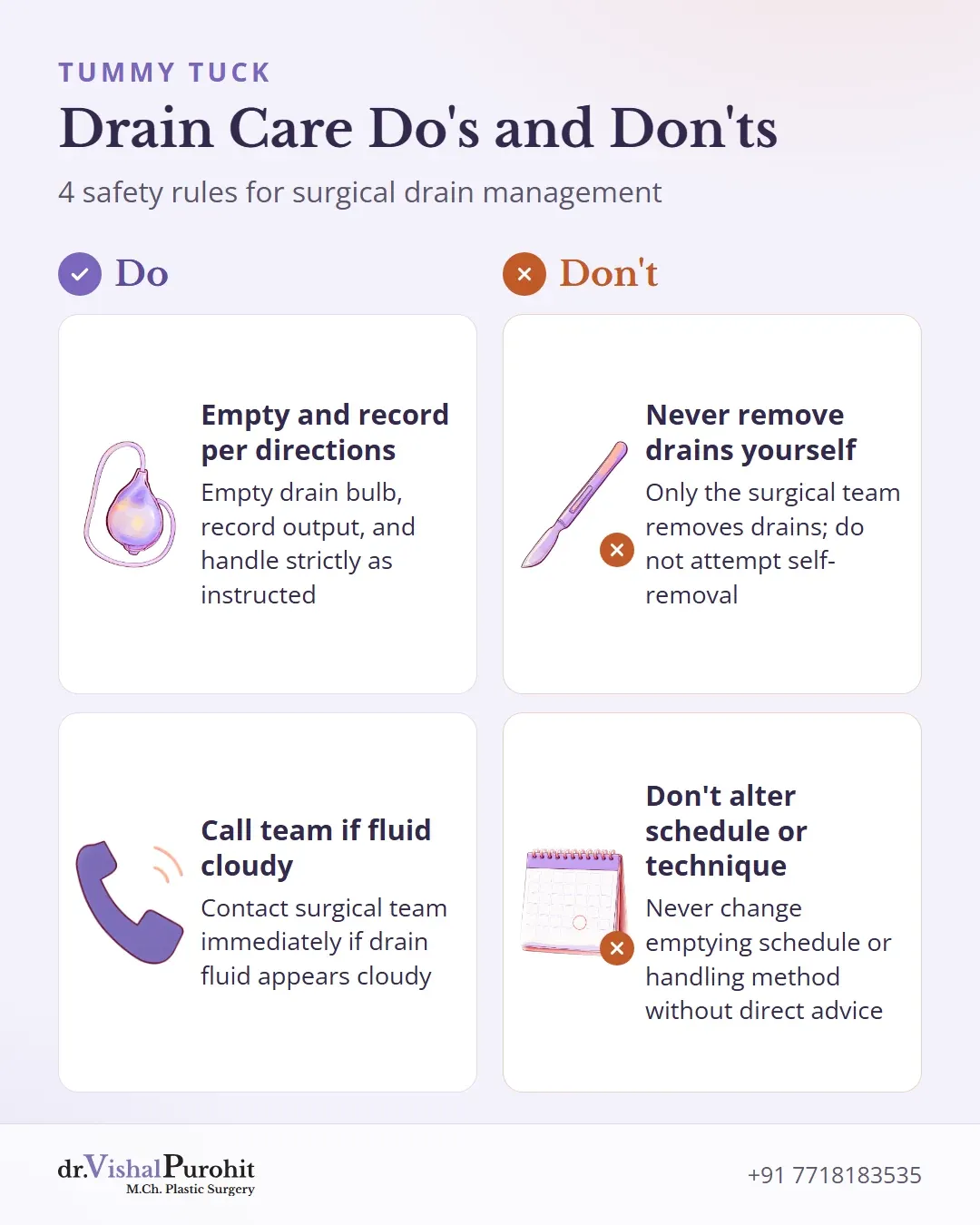
- The surgical team removes the drains; patients should never attempt to remove them on their own.
- Drain bulbs must be emptied, recorded, and handled strictly according to the team’s directions.
- Never alter the emptying schedule or handling technique without direct advice from the surgical team.
He removes drains one day after the fluid turns clear and straw-coloured. If the drain fluid appears cloudy, patients must call +91 7718183535 at once.
Prolonged drain retention can increase the risk of infection, as a retained drain can act as a pathway for pathogens. Because required healing varies between individuals, in-person clinical assessment by the team is necessary to decide the exact time for drain removal.
Binder and Stockings
Support garments play a vital role during recovery following an abdominoplasty. In Dr. Vishal Purohit’s practice, specific timelines guide when each garment is worn to protect healing tissues.
Abdominal Binder Protocol
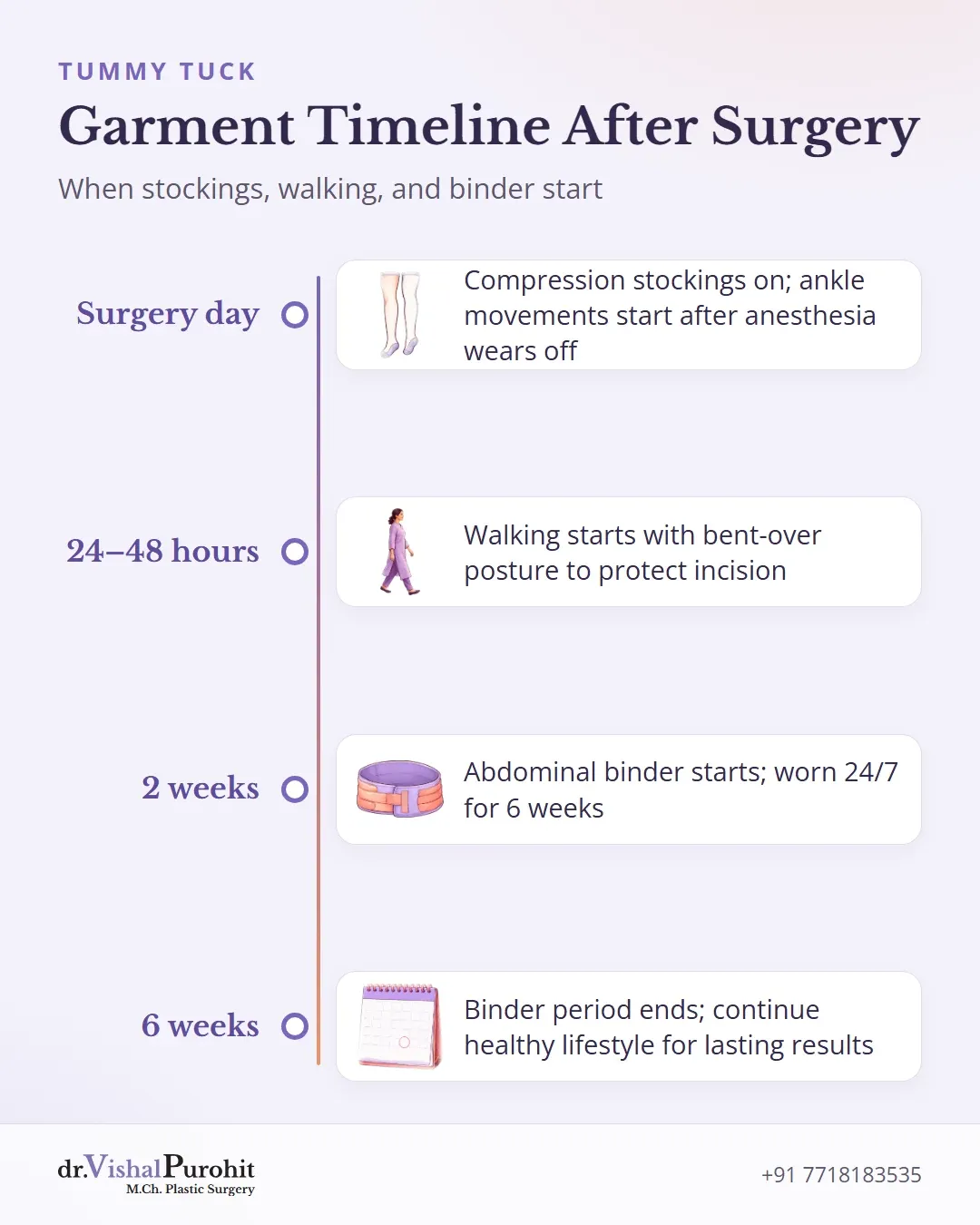
Unlike protocols where compression garments are applied immediately after surgery, Dr. Purohit starts the abdominal binder after the first 2 weeks of healing. Delaying the binder avoids unnecessary pressure on the delicate skin flap during early recovery. Once started, the binder is worn 24 hours a day for 6 weeks.
Compression Stockings and Clot Prevention
To help prevent deep vein thrombosis, compression stockings are provided for every patient undergoing abdominoplasty. For individuals evaluated to be at a higher risk of blood clots, calf pumps are added to the protocol.
- Stockings provided for every patient
- Calf pumps added for higher-risk patients
- Ankle movements begin after anesthesia wears off
- Walking starts 24–48 hours after surgery
Literature similarly notes the use of anti-embolic compression stockings during and after surgery to support circulation.
Understanding the schedule for each garment helps ensure proper wound healing while minimising risks during postoperative recovery.

Medicines and Smoking
Prescribed Medicines
Patients must strictly take all medicines prescribed by the surgical team to support healing and lower the possibility of infection. Do not alter schedules or stop taking any directed medication without direct guidance. The surgical quote covers necessary medicines, ensuring required treatments are provided as part of complete care.
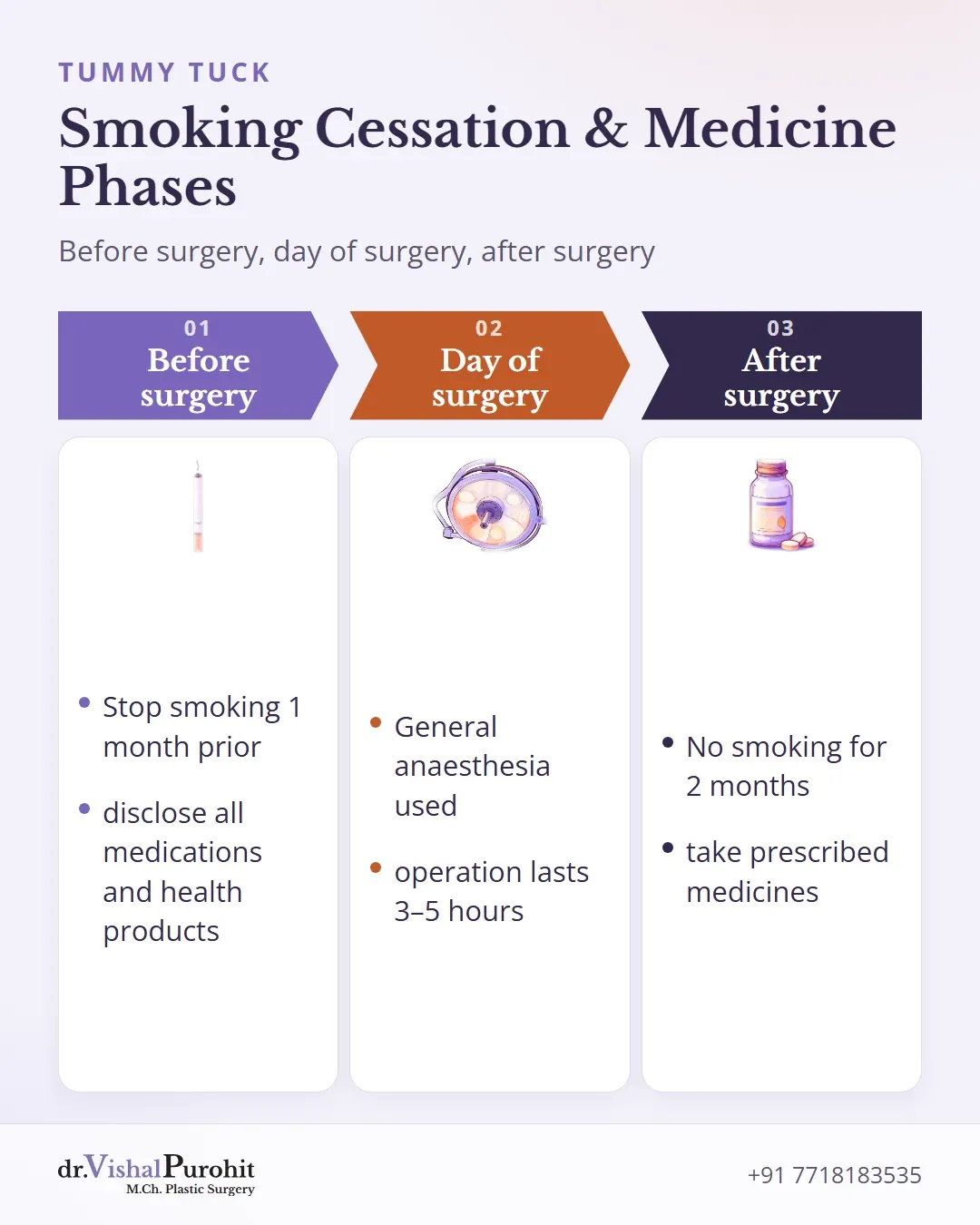
Certain outside medications can interfere with normal wound healing or elevate the risk of complications following an abdominoplasty. For this reason, patients must disclose every routine drug, prescription, or health product they take before and during recovery.
Smoking Restrictions
Smoking or using nicotine vapes, patches, or gums narrows blood vessels, diminishes blood flow to tissues, impairs healing, and leads to poorer scarring and higher complication rates. Components such as carbon monoxide, hydrogen cyanide, and nicotine impair microvascular circulation and cellular repair.
In Dr. Vishal Purohit’s practice, patients must stop smoking 1 month before surgery and for 2 months after surgery. Giving up smoking entirely and choosing a healthy lifestyle are strongly encouraged for lasting recovery and general health.
Follow-Up Visits and Warning Signs
Scheduled Reviews
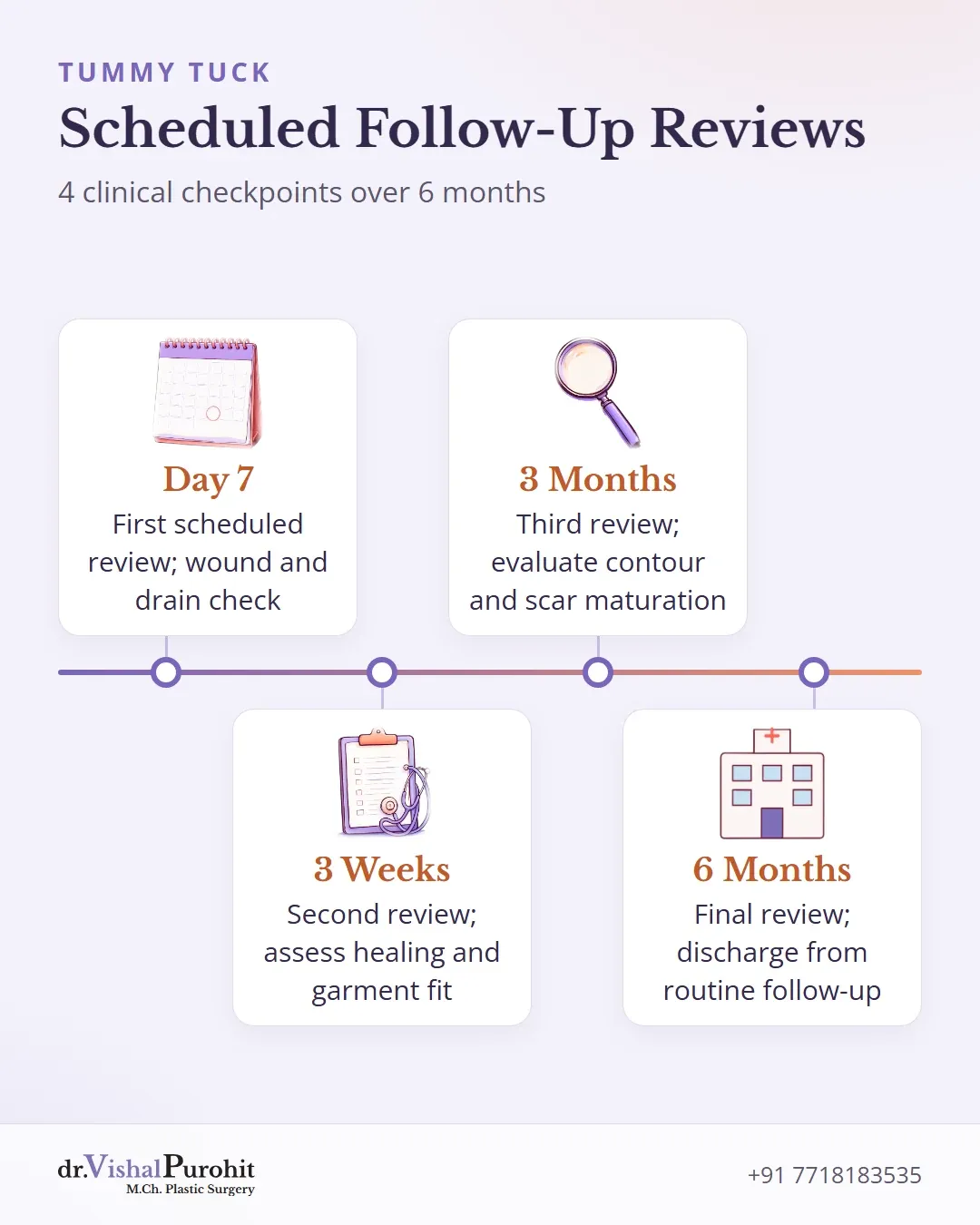
Postoperative reviews are scheduled at four key intervals:
- Day 7 first scheduled review
- 3 Weeks second scheduled review
- 3 Months third scheduled review
- 6 Months final scheduled review
In Dr. Purohit’s practice, the skin is closed with dissolving subcutaneous stitches, meaning there are no stitches to remove during these visits.
The all-inclusive surgical quote covers all routine follow-up consultations.
While selected reviews may be conducted by video when clinically appropriate, in-person assessment remains necessary for examinations, dressings, drains, and any concerning findings.
Warning Signs
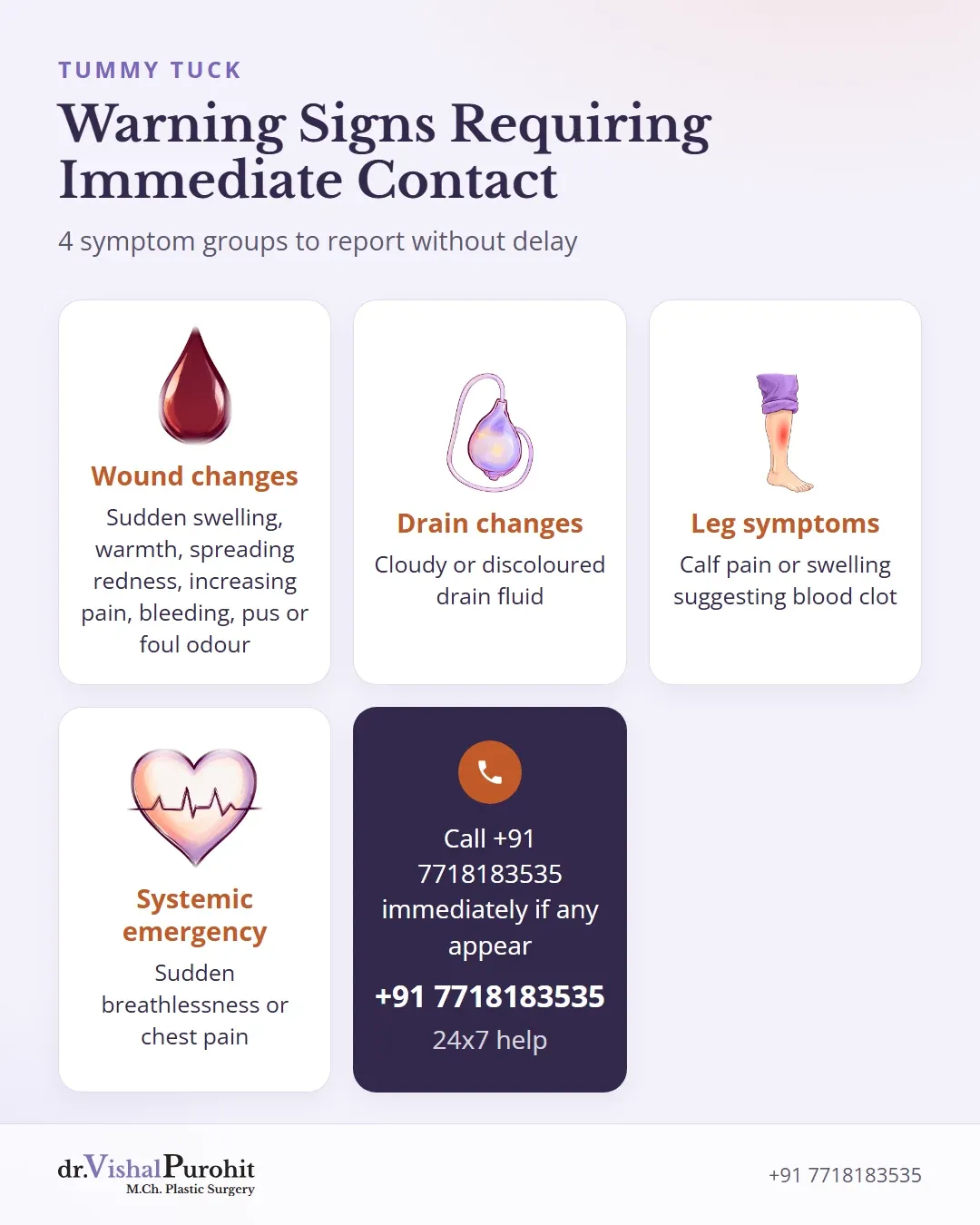
Patients must monitor their recovery closely. Report any of the following immediately:
- Sudden unilateral swelling
- Excessive warmth
- Fever
- Bleeding
Additional signs requiring urgent evaluation include:
- Spreading redness
- Increasing pain
- Cloudy drain fluid
- Pus or foul odour from the incision
- Calf pain
- Calf swelling
Sudden breathlessness or chest pain represents an acute emergency.
Call the surgical team immediately if you develop sudden unilateral swelling, excessive warmth, fever, bleeding, spreading redness, increasing pain, cloudy drain fluid, pus or foul odour from the incision, calf pain, calf swelling, sudden breathlessness, or chest pain.
Contact Dr. Purohit’s team promptly on +91 7718183535 if any of these symptoms appear.
Patients receive individual discharge contact instructions, as blanket 24-hour phone availability is not provided.
Local wound complications such as seroma, haematoma, infection, or wound dehiscence require timely clinical attention and may necessitate fluid aspiration, antibiotics, or secondary procedures.

Comprehensive Postoperative Care in Jaipur
Smooth recovery after an abdominoplasty depends on three key factors:
- Careful wound care
- Adherence to garment schedules
- Timely clinical evaluations
A tummy tuck provides body contouring rather than weight loss, creating a firmer abdominal profile when supported by healthy lifestyle choices.
Patients considering a tummy tuck in Jaipur should plan for a smooth recovery.
The detailed tummy tuck FAQs help patients prepare thoroughly for their recovery journey.
Dedicated clinical oversight ensures every stage of healing is monitored with precision and care.
This is educational information, not medical advice.