
Hyaluronidase is an injectable enzyme used to break down hyaluronic acid gel when patients experience overfilling, asymmetry, or product displacement. Because facial tissues respond gradually to enzymatic adjustment, understanding how the product breaks down helps set grounded aesthetic expectations before proceeding with corrective care.
Elective enzyme administration requires careful screening, particularly regarding previous reactions to insect stings. Distinguishing between subtle cosmetic issues like Filler Migration and Overfilling: What Is the Difference? and true filler-induced vascular emergencies ensures each patient receives suitable, individualized clinical guidance.
Fillers That Hyaluronidase Can Dissolve
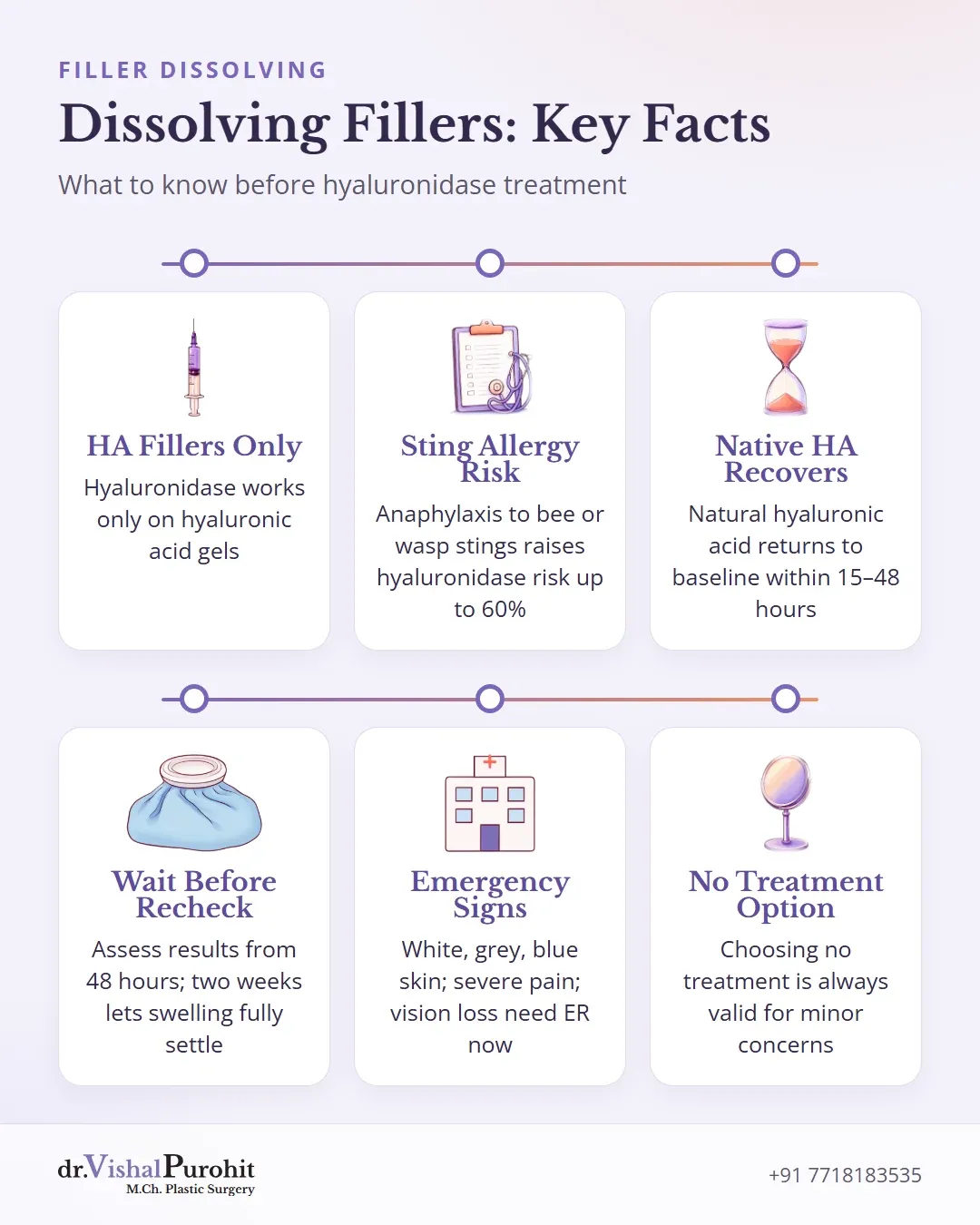
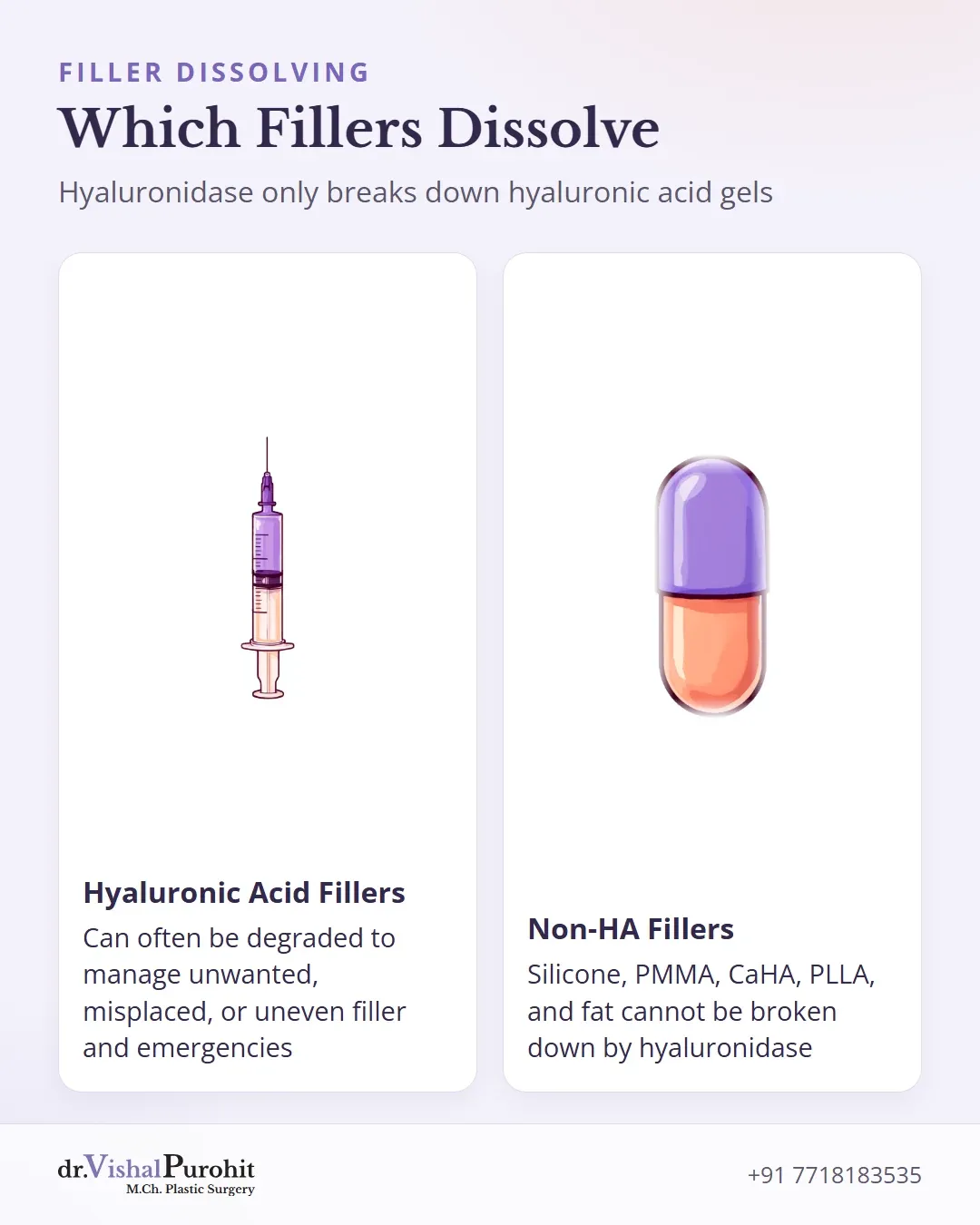
Hyaluronidase is a specialized enzyme that breaks down hyaluronic acid (HA) filler gels12. However, it works specifically on hyaluronic acid and has no effect on non-HA materials13.
Dermal fillers respond differently depending on their underlying composition:
- Hyaluronic acid (HA) fillers: Hyaluronidase can often degrade HA filler gels to manage unwanted, misplaced, or uneven filler, as well as emergent complications145. While it provides reversibility, dissolving does not promise complete removal in every instance6.
- Non-HA materials: Substances such as silicone oil, polymethyl methacrylate (PMMA), calcium hydroxylapatite (CaHA), poly-L-lactic acid (PLLA), or autologous fat cannot be broken down by hyaluronidase36.
Dr. Purohit’s note: When previous treatment records are unavailable, Dr. Vishal Purohit relies on clinical assessment and past medical history during consultation to guide expectations rather than promising complete reversal. In his practice, deciding on suitability and treatment planning is tailored individually.
HA filler can often be dissolved, but it is never considered fully reversible. Patients should understand that treatment aims to manage excess product, but outcomes vary based on tissue integration and the specific material present56.
Medical Screening and Allergy History
Before receiving elective hyaluronidase injections to dissolve hyaluronic acid filler, patients must disclose their complete medical background, current medications, and any prior adverse reactions to hyaluronidase7.
Key points
- Patients must share their complete medical background and medication history before receiving hyaluronidase injections.
- A history of bee or wasp sting allergies increases the risk of cross-reactivity and adverse reactions.
- Skin testing is not a routine blanket screen and is evaluated individually during consultation.
Insect Sting Allergies and Cross-Reactivity
Disclosing past reactions to bee or wasp stings is essential78. Insect venoms contain proteins such as hyaluronidase, which can sensitise individuals and create a risk of cross-reactivity89. A history of severe reactions to stings represents an increased risk for hyaluronidase allergy and is considered a relative contraindication9.
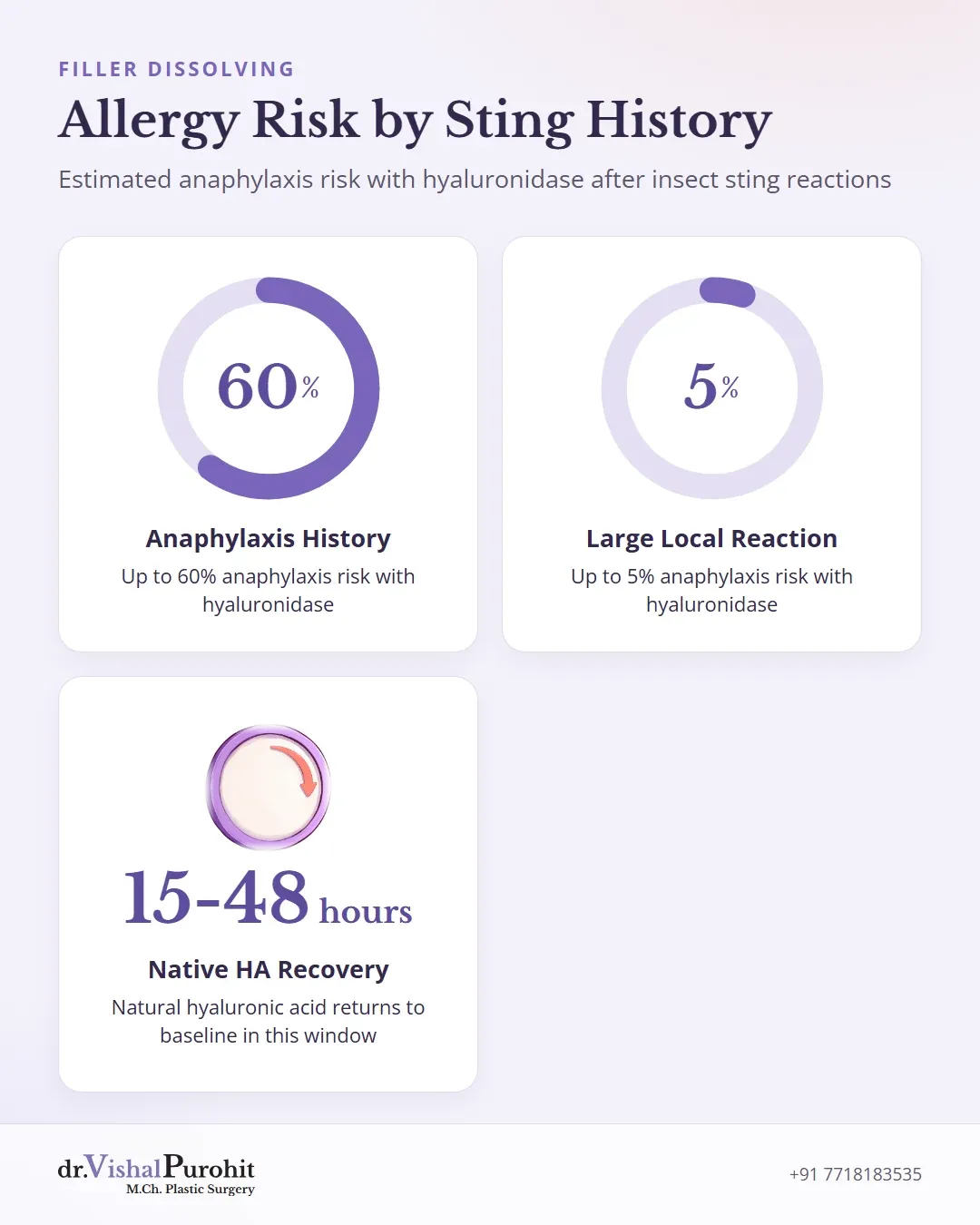
- Without specific allergy testing, a history of anaphylaxis to bee or wasp stings carries an estimated anaphylaxis risk of up to 60 percent upon receiving hyaluronidase810.
- A past large local reaction to stings carries a risk of up to five percent810.
- Allergy to both bee and wasp stings increases the likelihood that hyaluronidase is the sensitising allergen810.
Considerations on Skin Testing
Skin testing is sometimes performed before treatment, but guidelines note that routine skin tests should not be used as blanket screening tools in the absence of a compatible clinical history8. Furthermore, patch or skin testing cannot ensure complete safety or rule out every allergic reaction8.
Whether skin testing is carried out is decided at the consultation with Dr. Vishal Purohit. Severe allergic hypersensitivity, including anaphylaxis, can occur and requires prompt emergency management7811.
Enzyme Spread and Baseline Expectations
Once injected, hyaluronidase spreads through tissues and across vessel walls8. Because enzyme diffusion cannot be confined to a microscopic boundary, attempts at partial dissolution carry uncertainty regarding the preservation of adjacent desired filler volume.
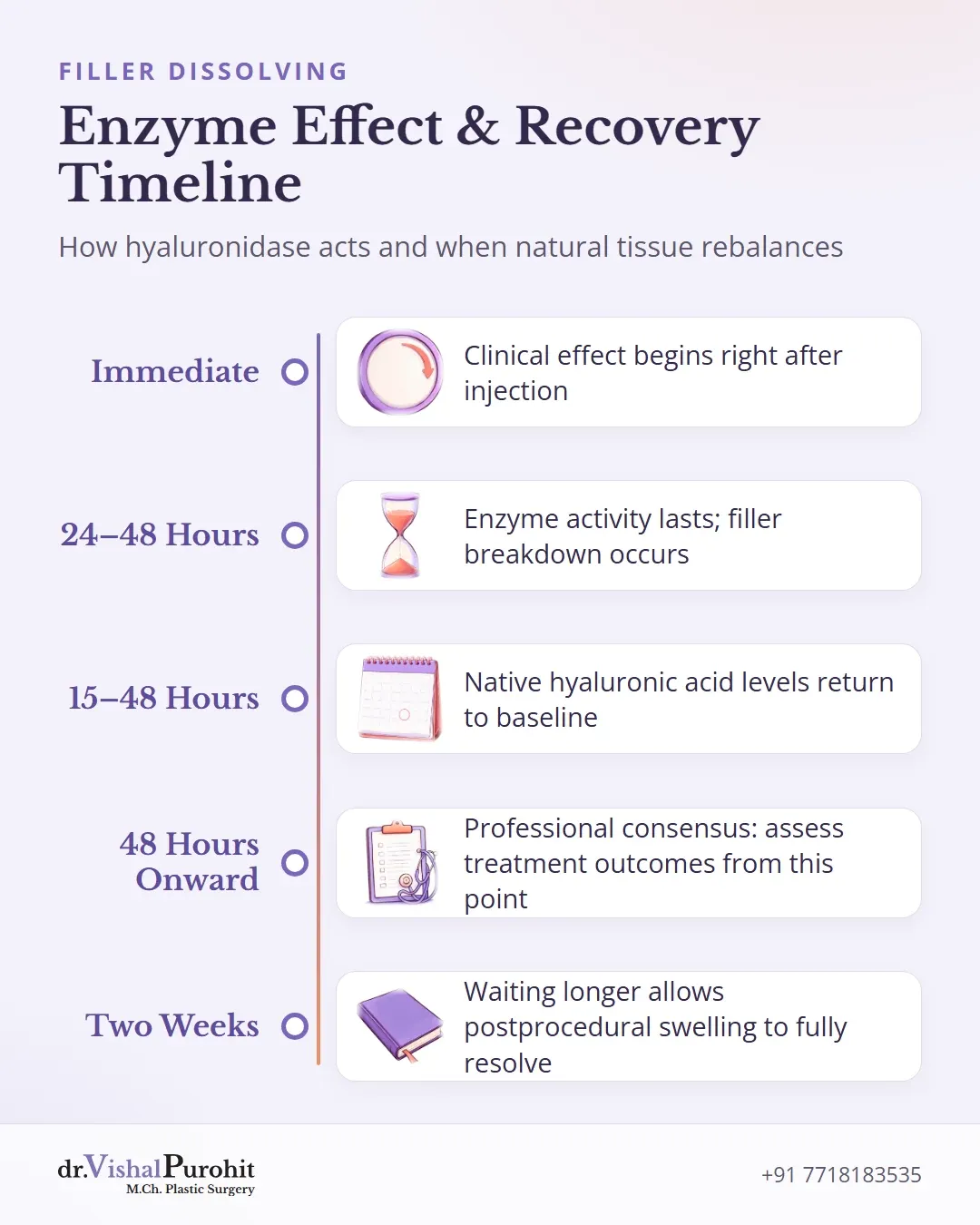
The injected enzyme degrades both synthetic gel and native hyaluronic acid, occasionally showing preference for natural tissue components over cross-linked product1213. This enzymatic action does not represent lasting structural injury. Endogenous hyaluronic acid synthesis continues dynamically, with natural levels returning to baseline within 15 to 48 hours8121415.
Key points regarding the re-establishment of baseline anatomy include:
- The clinical effect develops immediately and lasts between 24 and 48 hours12.
- Re-establishing natural contours requires adequate time for swelling to settle and native tissues to equilibrate.
- Full dissolution is not guaranteed, and repeated evaluation may be needed.
- Choosing no treatment remains a valid, sensible option if the existing aesthetic concern is minor.
Dr. Vishal Purohit assesses every patient individually in Jaipur. Any follow-up decisions or subsequent treatment adjustments are decided at the consultation.
Recovery Bruising and Daily Activities
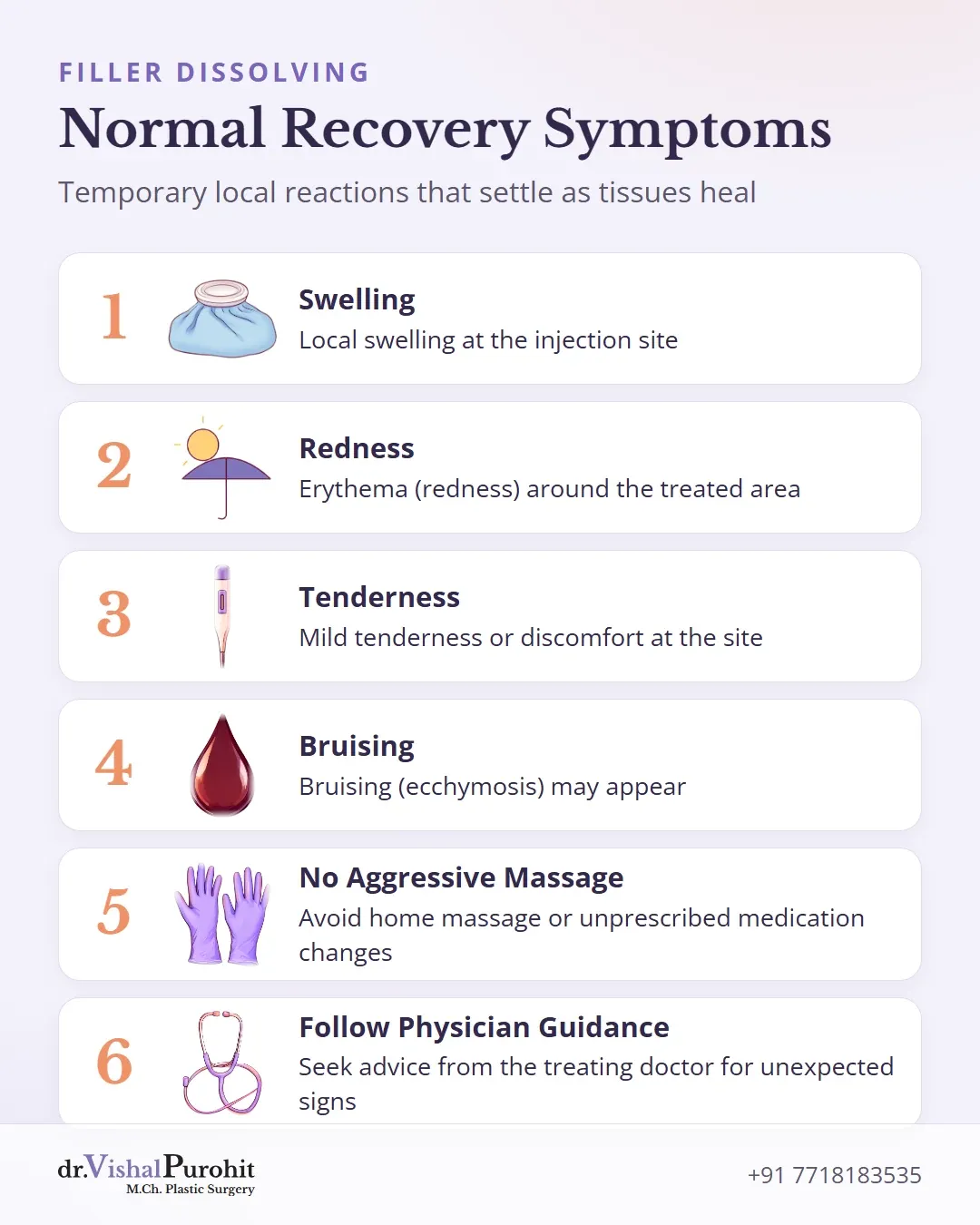
Following hyaluronidase infiltration, patients should anticipate temporary local reactions. These acute procedural effects are normal responses to tissue manipulation and fluid placement, distinct from the final aesthetic dissolution outcome.
Common postprocedural responses documented in clinical practice include8:
- Local swelling at the injection site
- Erythema (redness)
- Mild tenderness or discomfort
- Bruising (ecchymosis)
Because these immediate changes obscure underlying contours, assessing the ultimate aesthetic outcome requires allowing initial inflammation to settle.
Activity modification and post-treatment skin care require a personalized approach. Patients must avoid aggressive home massage protocols or unprescribed medication adjustments, as improper manual pressure or unverified home interventions can disturb treated tissues.
At Dr. Vishal Purohit’s practice, specific aftercare rules, activity modifications, and recovery guidelines are not standardized in advance; each patient’s post-procedure regimen is decided at the consultation based on clinical assessment and the anatomical area treated. If unexpected signs arise, guidance should come directly from the treating physician rather than self-treatment.
Reassessment and Timing New Filler
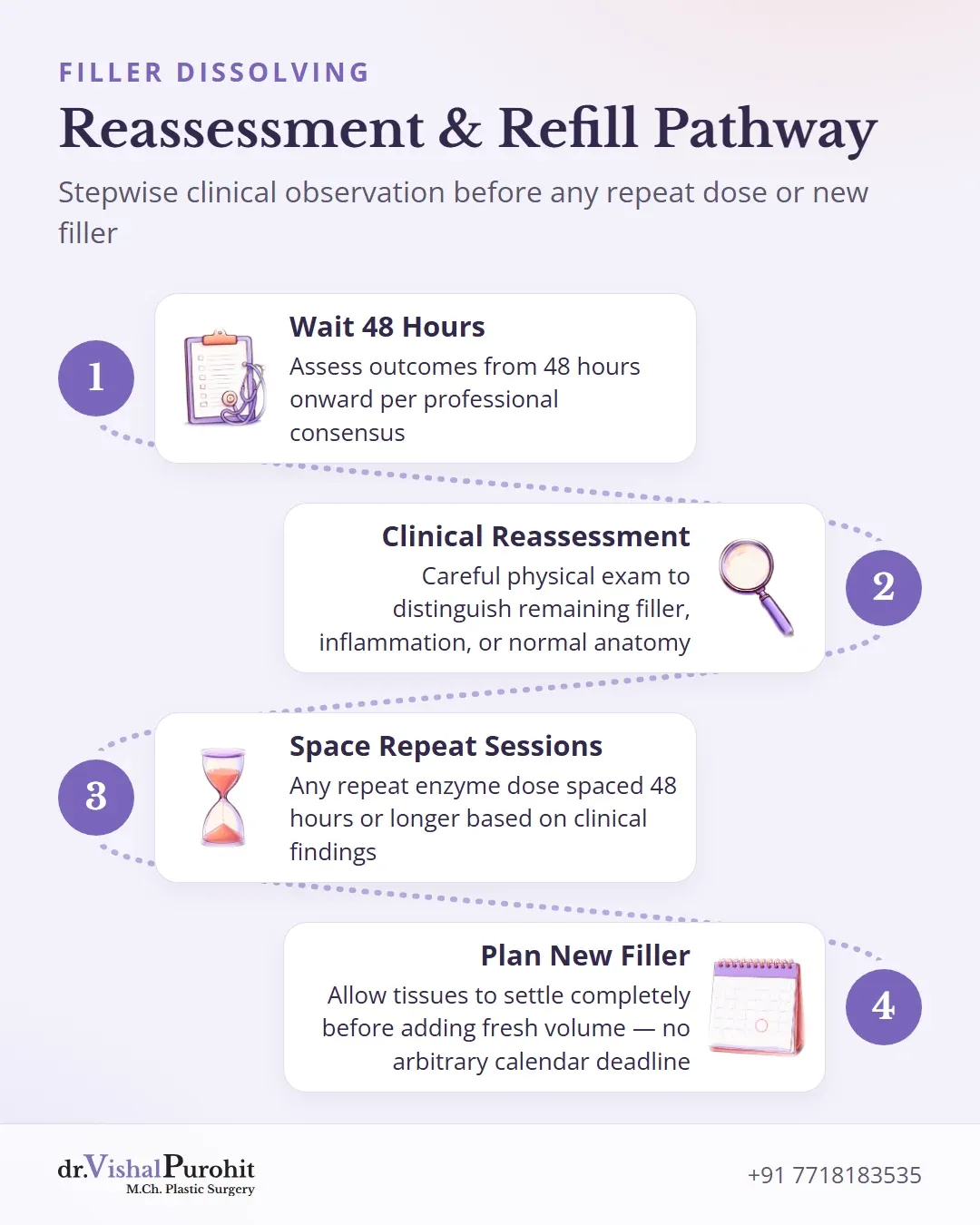
Persistent fullness following an enzyme session does not automatically mean more product is required immediately. Ongoing swelling or contour differences can stem from distinct underlying factors:
- Remaining filler material requiring further breakdown1617
- Localized tissue inflammation responding over time1618
- Natural non-filler anatomical structures or normal soft tissue19
Because of these overlapping possibilities, clinical observation and careful physical reassessment are essential before administering repeat doses1618. Professional consensus indicates that treatment outcomes should be assessed from 48 hours onward, with any repeat sessions spaced at intervals of 48 hours or longer depending on clinical findings20.
Planning Future Filler Placement
When considering new dermal filler injections after enzyme treatment, clinicians advise allowing the treated tissues to settle completely rather than working against an arbitrary calendar deadline20. This period ensures swelling subsides and the native contour stabilizes before fresh volume is added.
For patients under Dr. Vishal Purohit’s care in Jaipur, review visit timing, any subsequent dissolving schedule, and the appropriate interval before refilling are decided at the consultation following an individualized physical assessment.
Emergency Symptoms Versus Elective Treatment
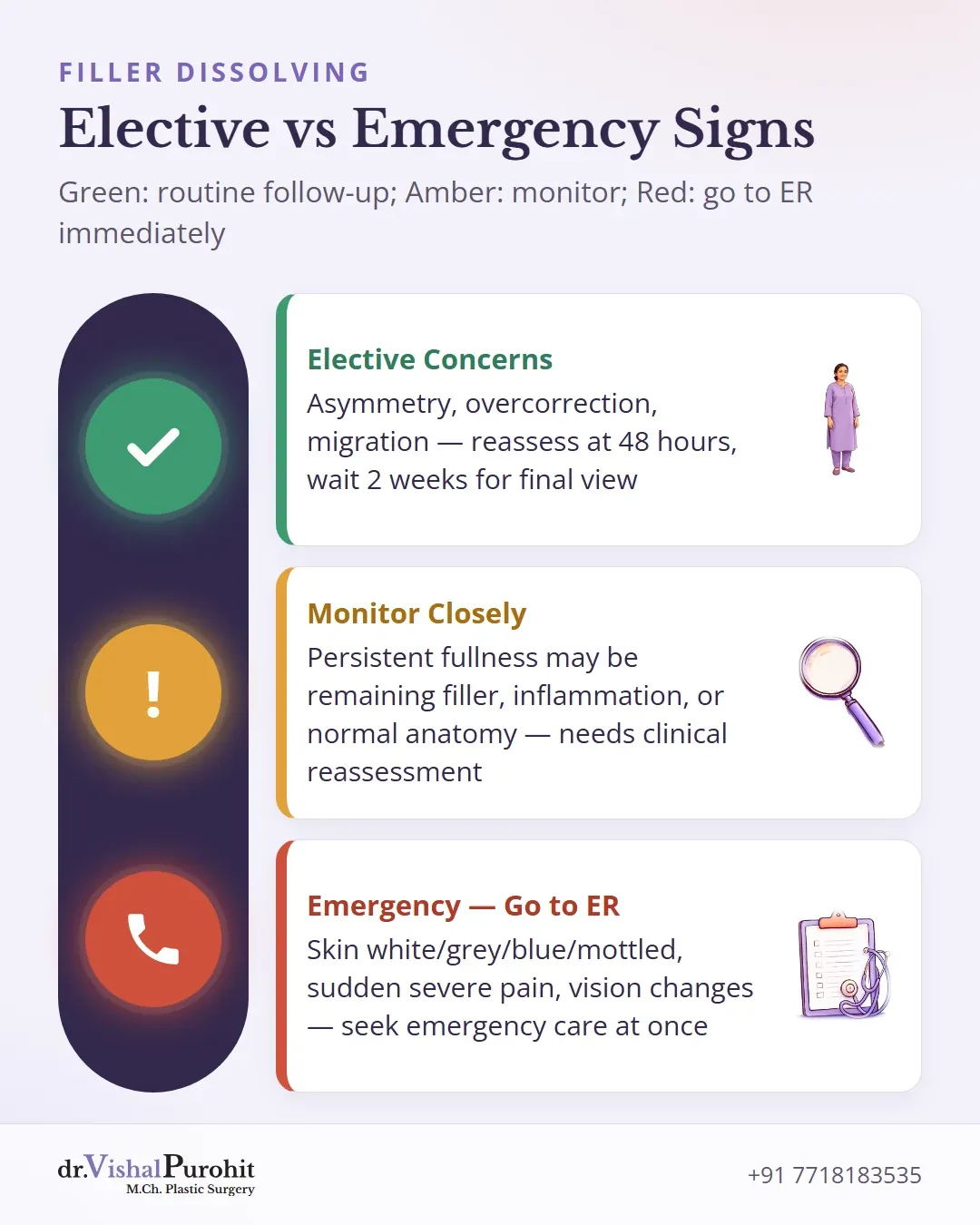
Elective hyaluronidase treatment addresses cosmetic concerns such as asymmetry, overcorrection, or filler migration at a measured pace. For aesthetic adjustments, clinical guidelines suggest reassessing the area after 48 hours, though waiting at least two weeks allows postprocedural swelling to resolve before re-evaluating the outcome8.
In contrast, acute filler-induced vascular occlusion is a critical emergency requiring immediate medical care2122. Unintentional injection into blood vessels can lead to tissue necrosis or vision loss2123.
Patients must seek emergency care at once if they notice acute warning signs:
Emergency Symptoms
Elective Concerns
- Asymmetry
- Overcorrection
- Filler migration
For elective concerns, decisions remain grounded in a careful, individualized clinical examination by an M.Ch. plastic surgeon. Choosing no treatment is always a valid choice, ensuring patients proceed only when it aligns with their personal comfort and aesthetic goals without external pressure.
Consulting an M.Ch. Plastic Surgeon in Jaipur
Elective filler reversal requires an individualized clinical examination to evaluate tissue integration, product composition, and patient health. Choosing no treatment remains a valid, sensible alternative whenever cosmetic concerns are minimal. To understand realistic outcomes and treatment suitability, review Filler Dissolving in Jaipur or read Filler Dissolving FAQs before booking a personal evaluation.
This is educational information, not medical advice.