
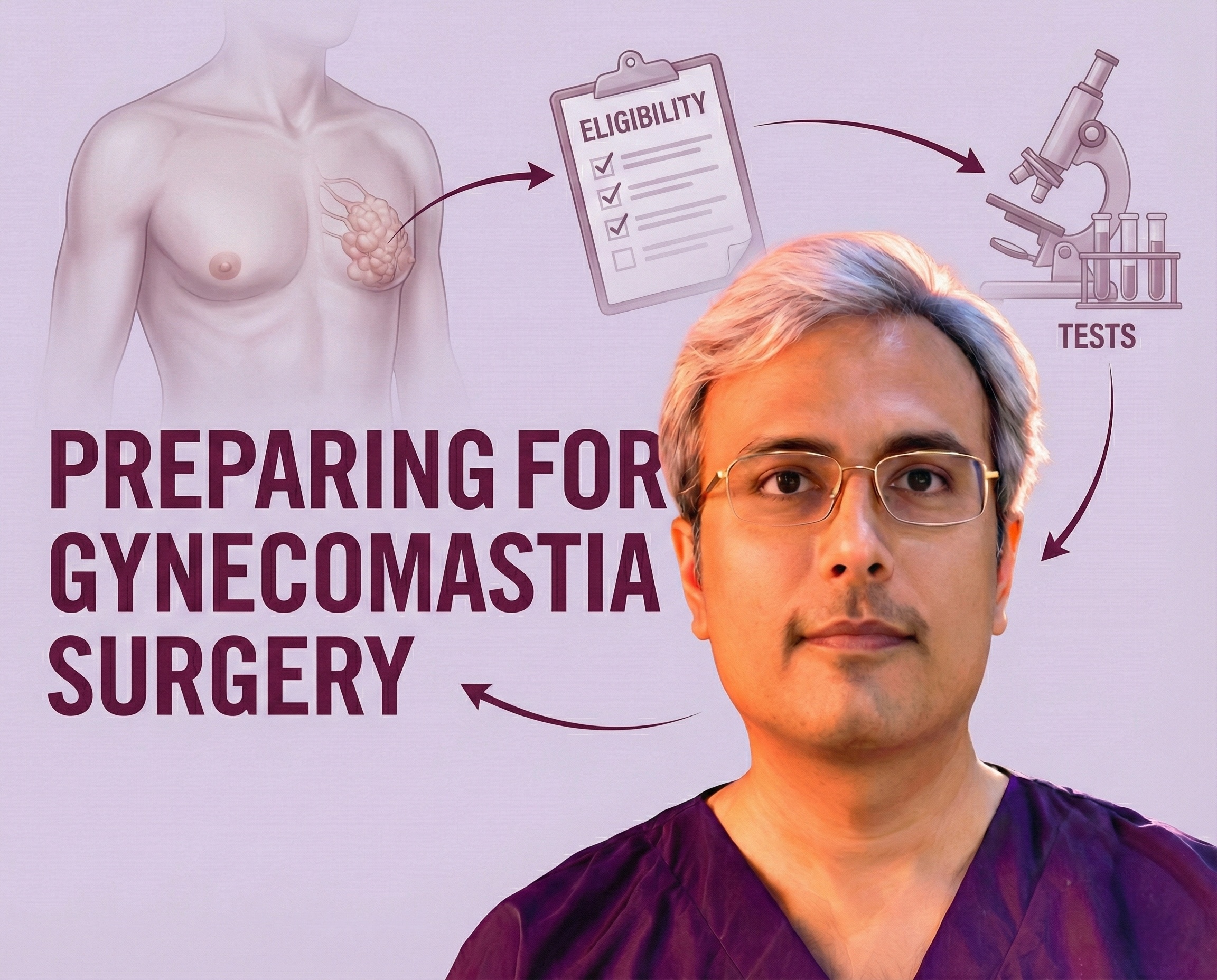
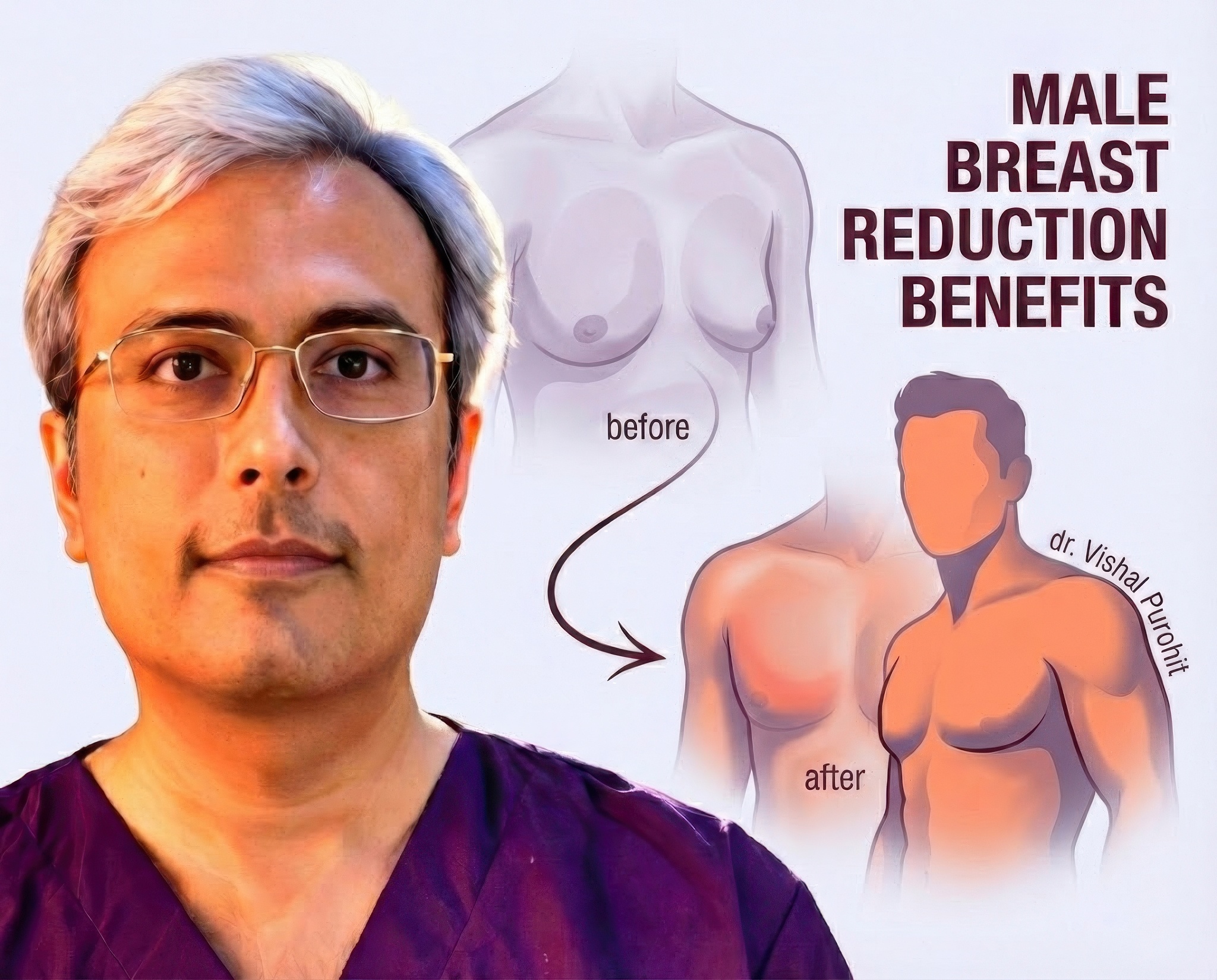
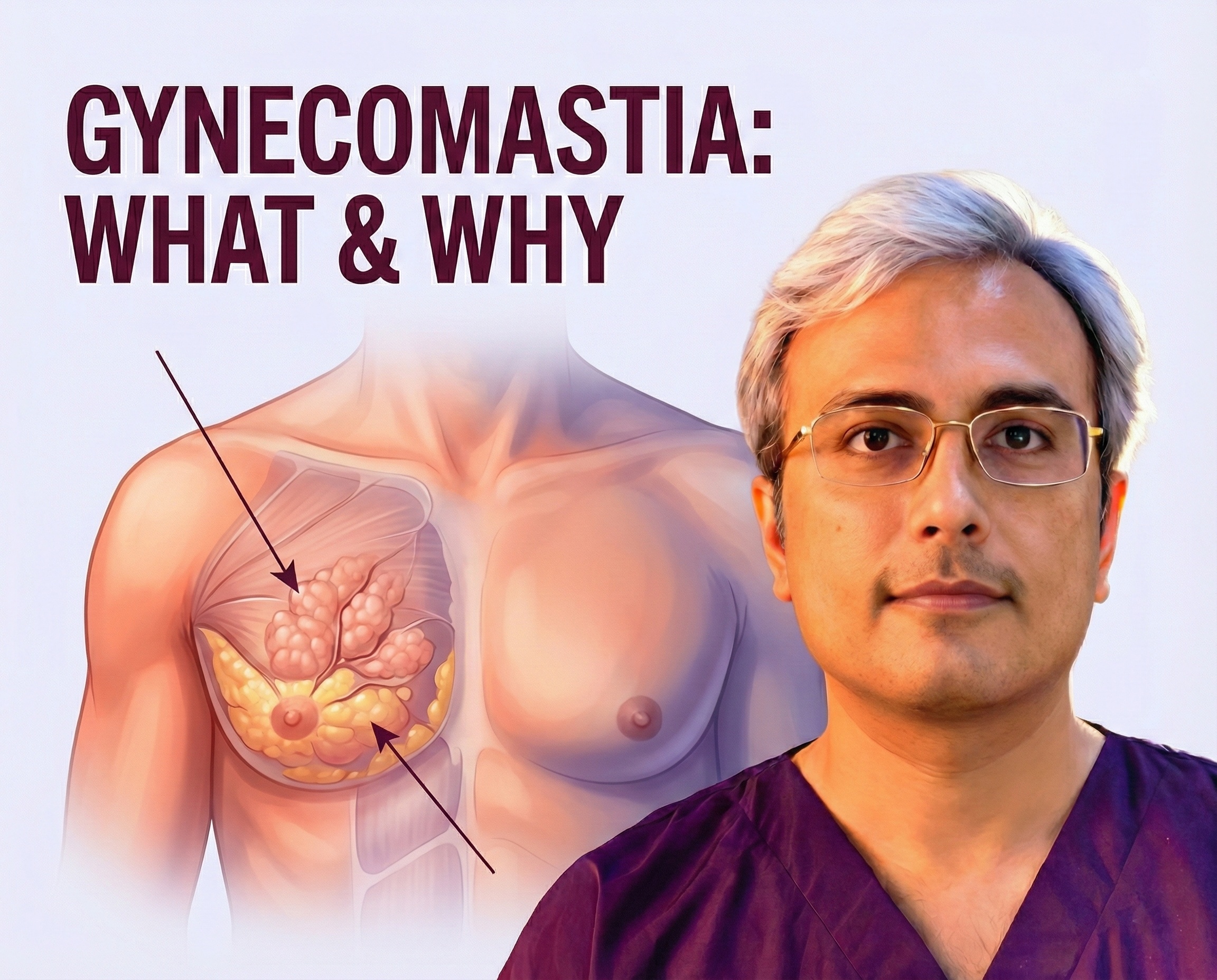
Surgical correction of gynecomastia is a life-altering option for any man who has felt self-conscious about his chest. It is a permanent solution that restores a masculine contour. However, the surgery itself is only half the journey; how you treat your body during the recovery phase is just as critical for the final aesthetic outcome.
A well-managed recovery process minimises complications and ensures you get back to your routine as stronger and more confident than before.
In this comprehensive guide, Dr Vishal Purohit outlines the complete roadmap for Gynecomastia Surgery in Jaipur, covering the daily timeline, how to care for your incisions, and exactly when you can return to the gym.
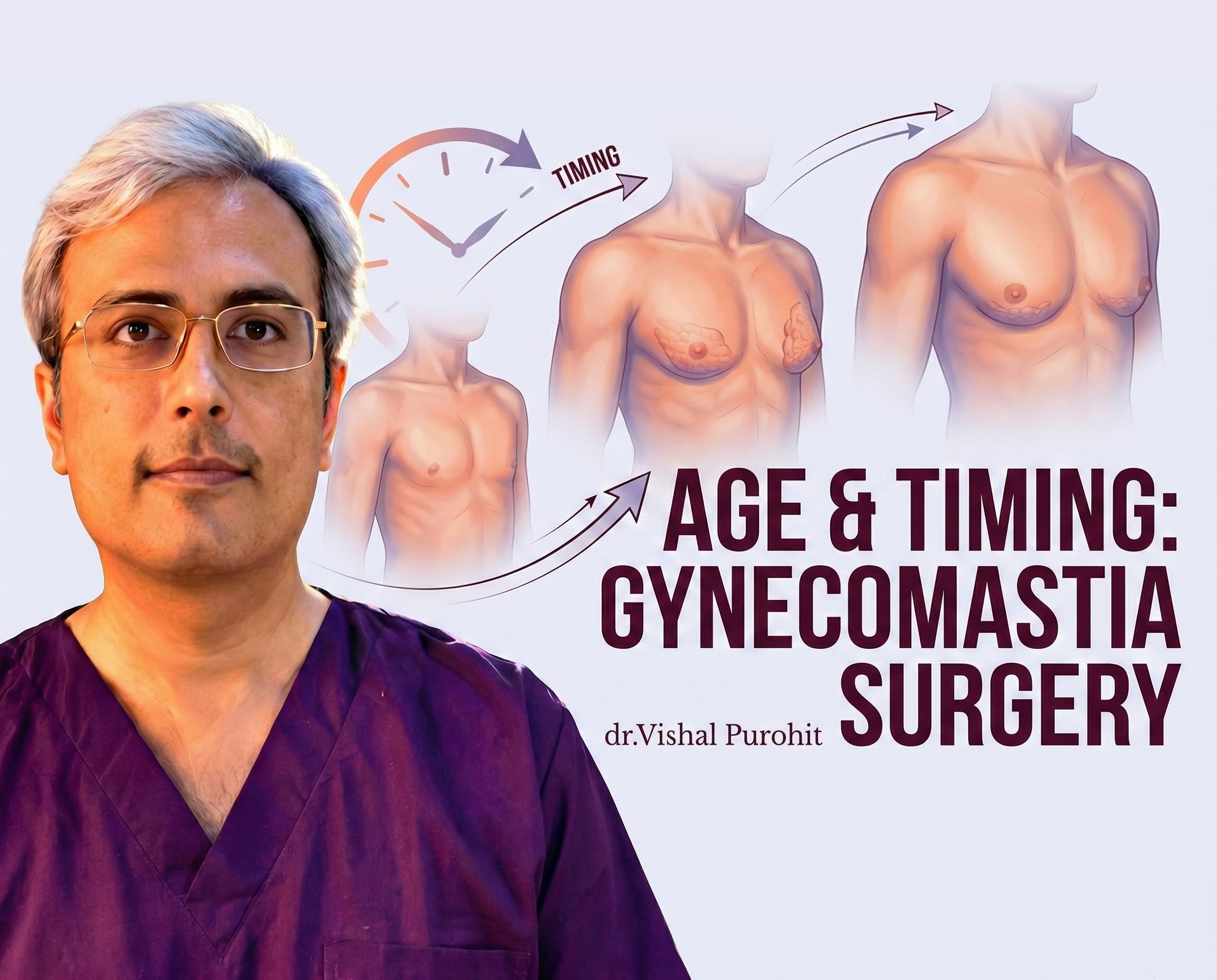
The Recovery Timeline after Gynecomastia Surgery: What to Expect
Recovery after gynecomastia surgery is a gradual process. While every patient heals differently depending on factors like age and skin elasticity, most follow this general progression.
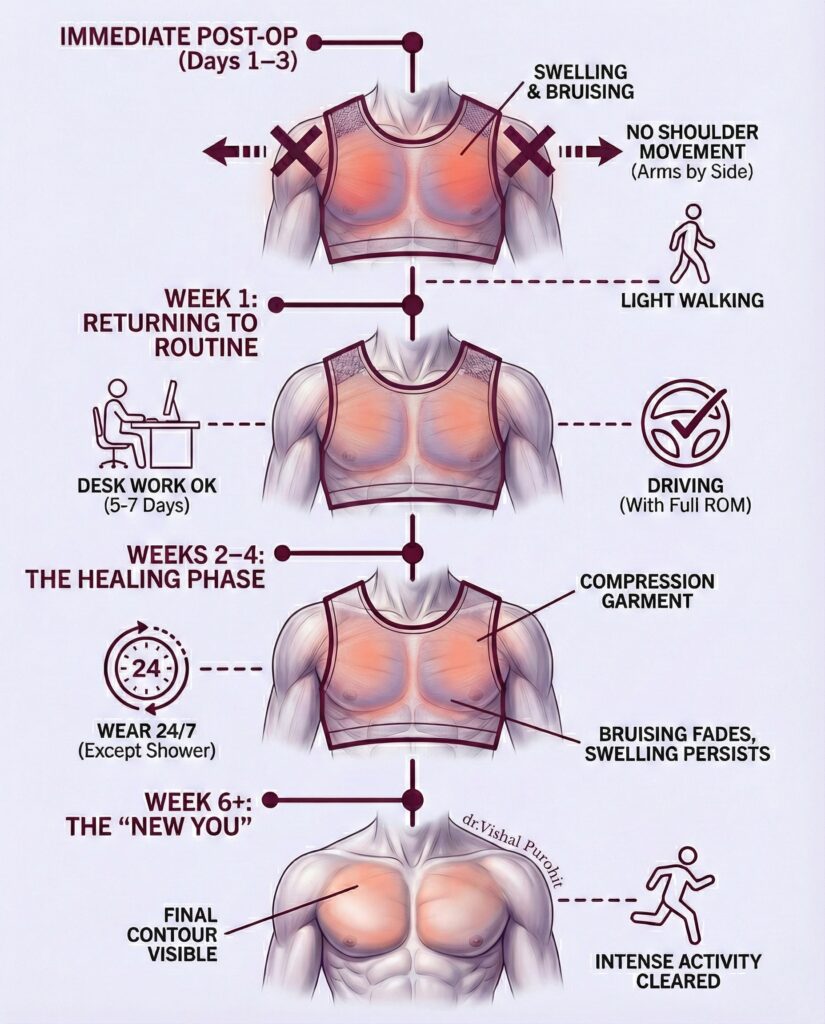
Immediate Post-Op (Days 1–3): Gynecomastia Surgery
The initial days are about rest and allowing your body to start the healing process.
- Sensation: You may experience swelling, bruising, and mild discomfort. This is a normal response.
- Activity: Rest is essential, but you should not stay in bed all day. We recommend light walking around the house to promote blood circulation and reduce the risk of blood clots.
- Restriction: Crucial: For the first 5 days, all movements at the shoulder joints are prohibited. You may move your wrists and elbows, but you must keep your arms by your side. This ensures the skin adheres correctly to the underlying muscle.
Week 1 after your Gynecomastia Surgery: Returning to Routine
Most patients are surprised by how quickly they regain their independence.
- Work: Most patients return to desk jobs or non-strenuous work after about 5 to 7 days.
- Driving: You should avoid driving until you have a full range of motion without pain, usually after the first week.
Weeks 2–4 after your Gynecomastia Surgery: The Healing Phase
- Compression Garments: You will wear a pressure garment 24/7 (except when showering) for typically 4 weeks. This is non-negotiable as it reduces swelling and shapes the chest.
- Appearance: Bruising will fade, but swelling may persist. This is normal.
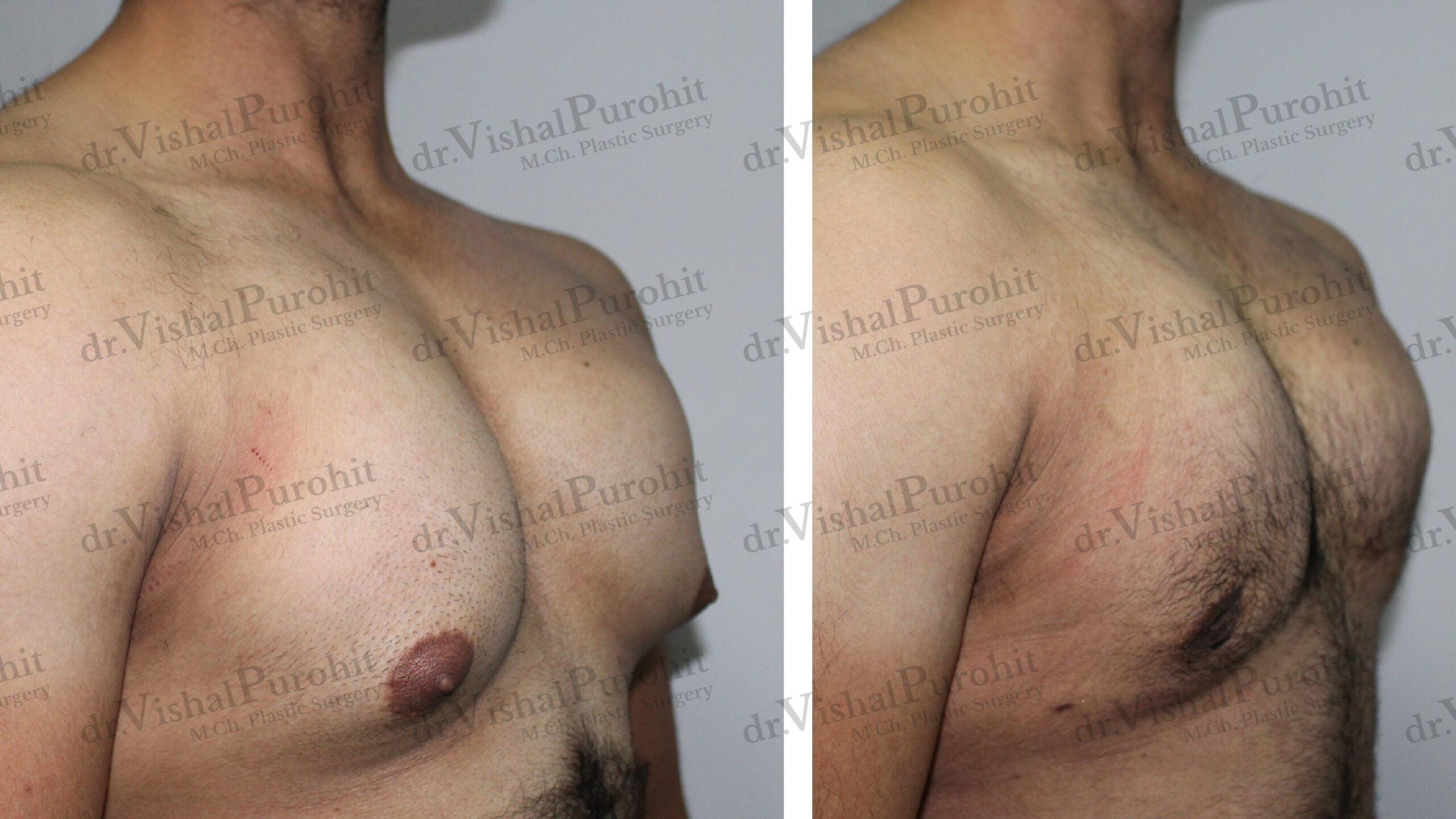
Week 6 and Beyond after your Gynecomastia Surgery: The “New You”
By this stage, most swelling has subsided, and you can see the true contour of your chest. You are generally cleared for more intense activities.
By the six-month mark, most swelling has resolved, revealing the final aesthetic results and the true contour of your new chest.
Gynecomastia Surgery Incision Care & Scar Management
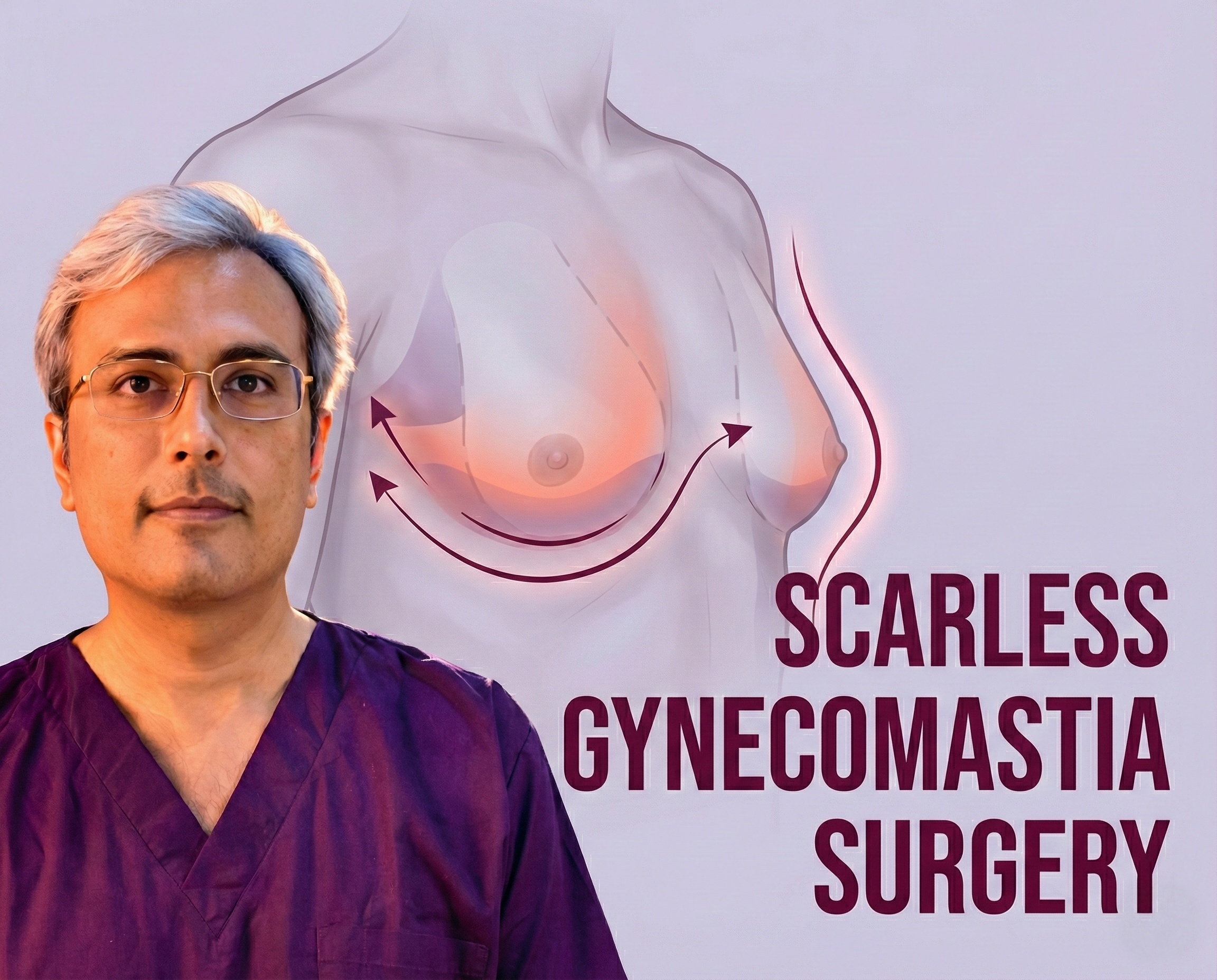
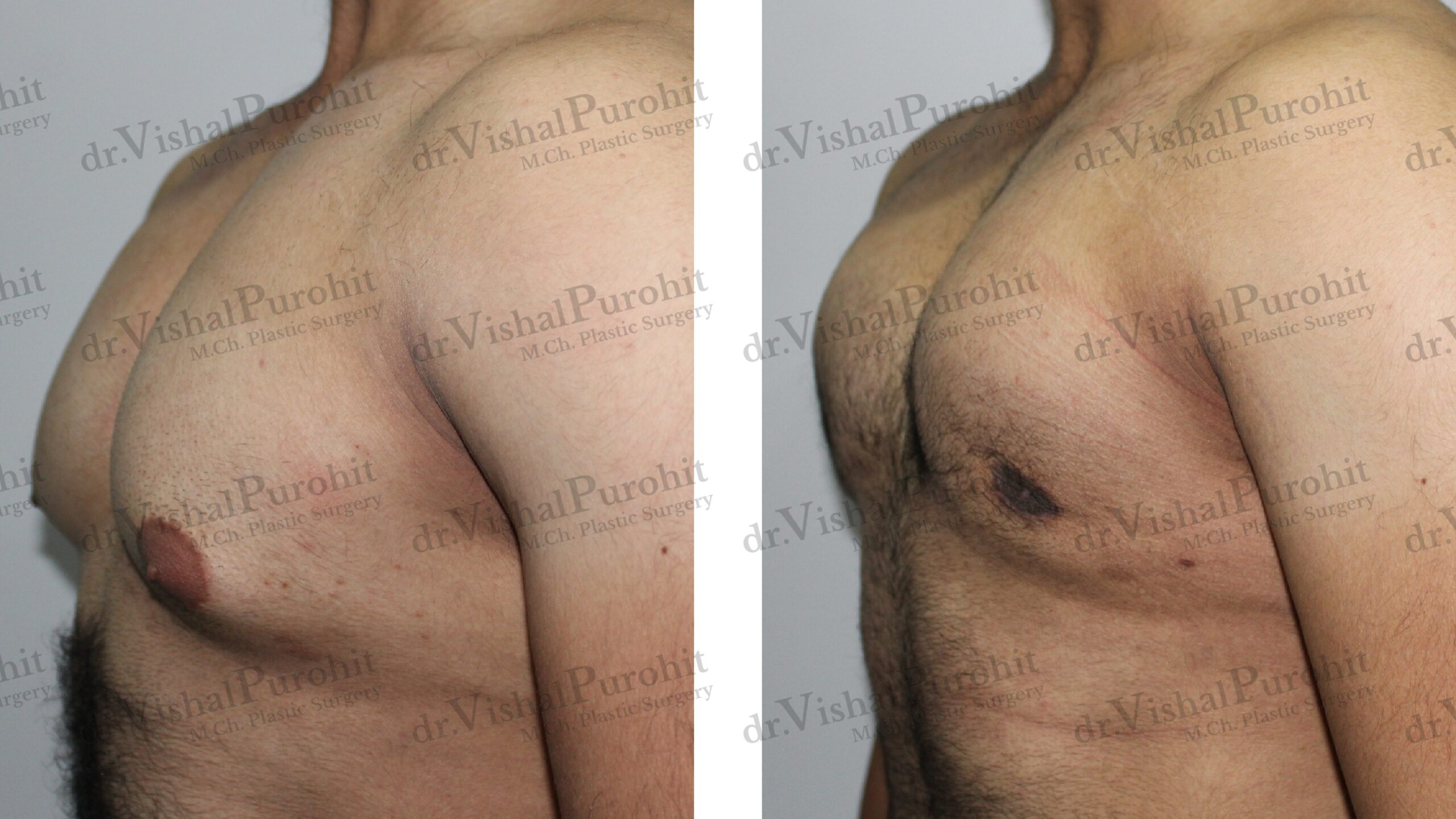
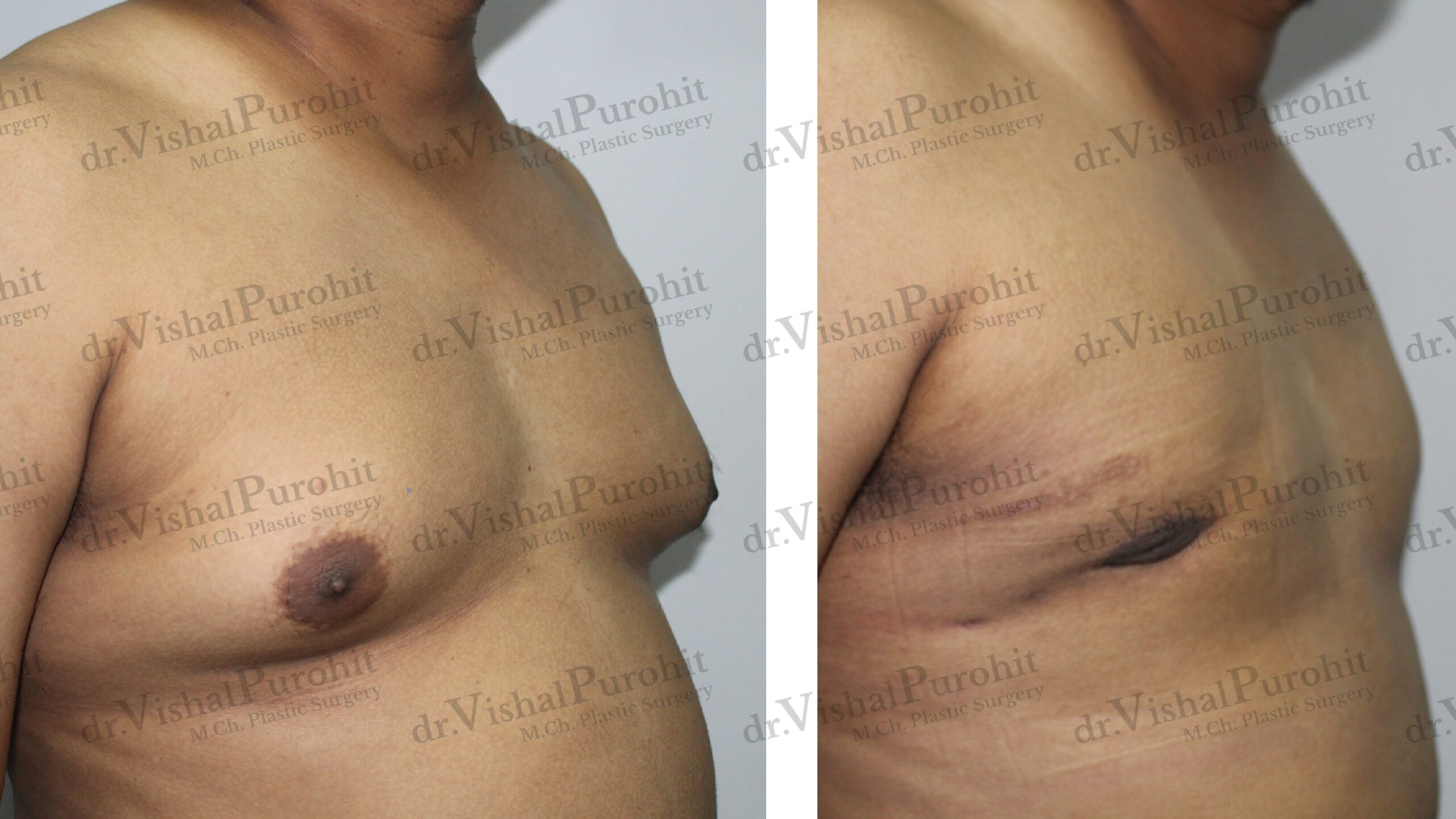
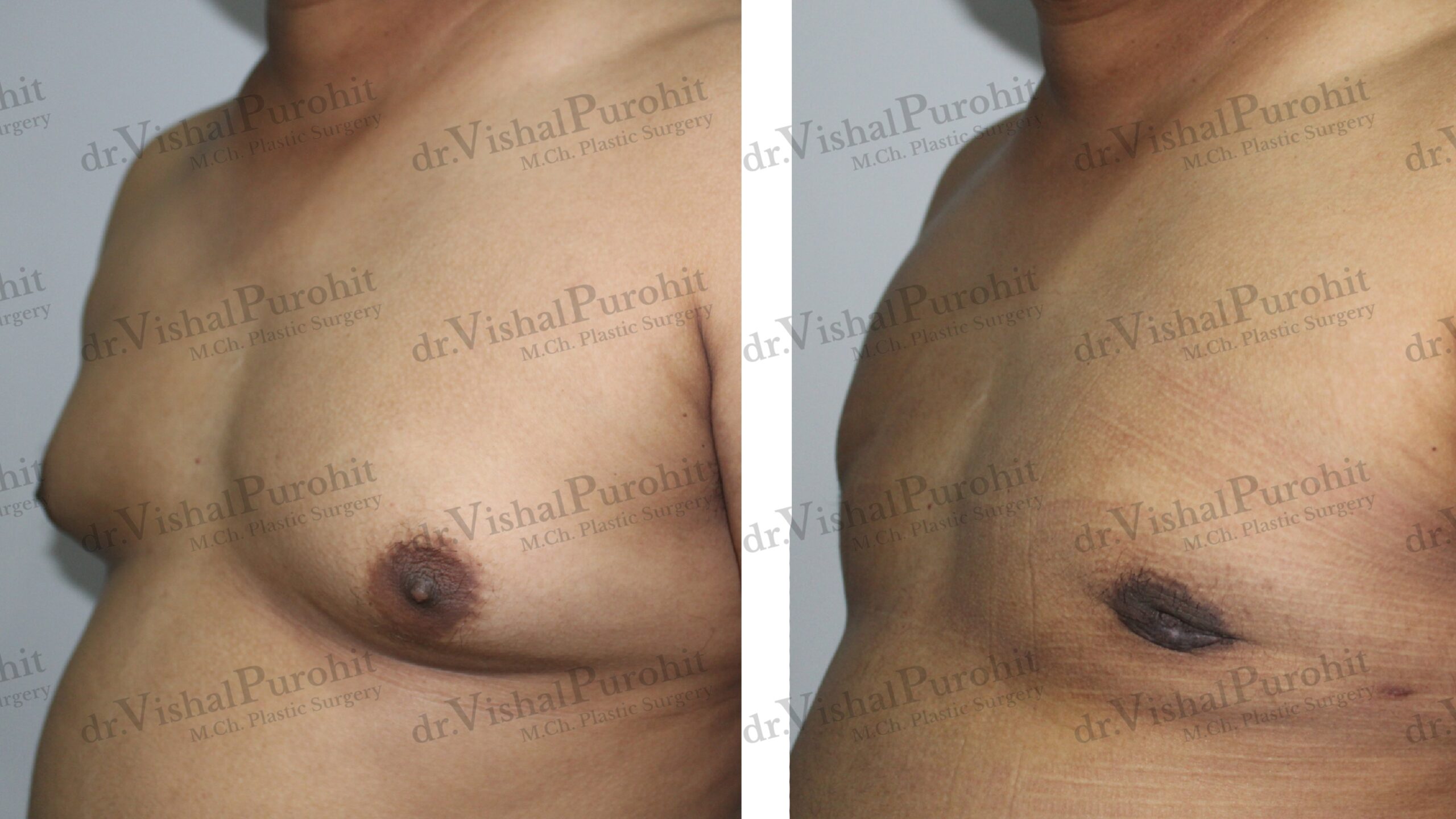
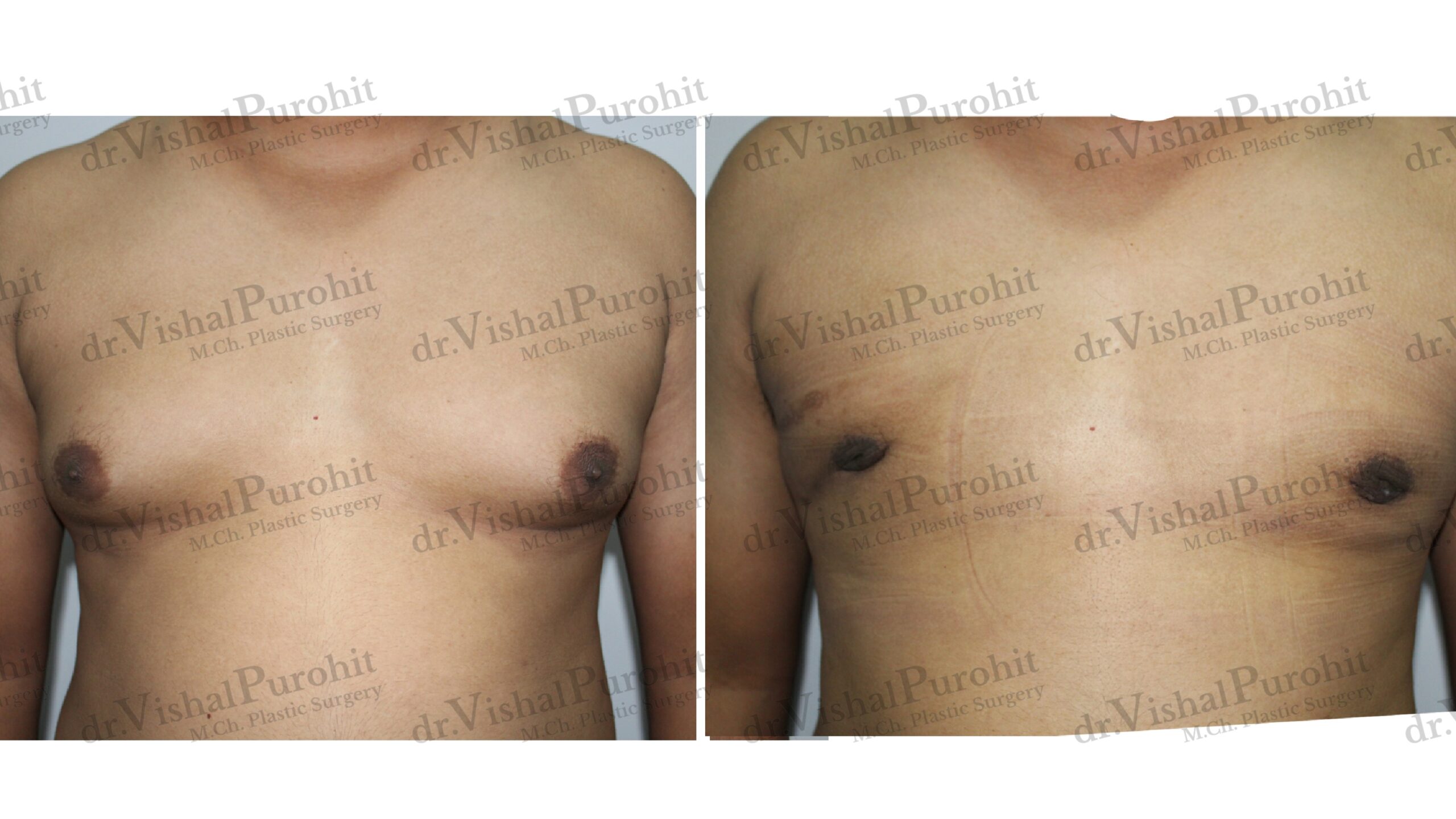
One of the biggest concerns patients have is scarring after gynecomastia surgery. Proper care can make these incisions virtually invisible over time.
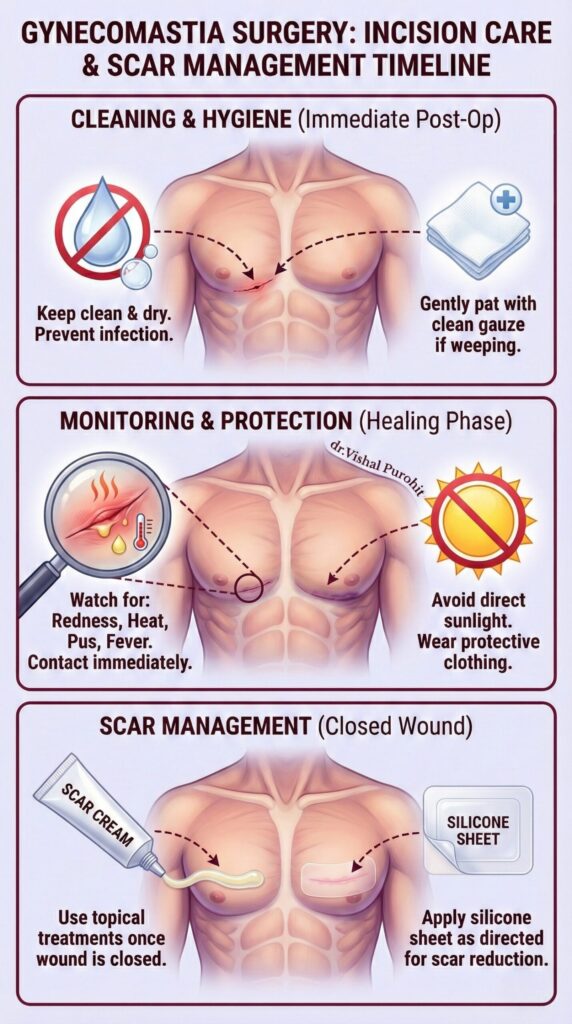
Cleaning & Hygiene
- Keep it Clean: The first step is preventing infection. Keep the incision sites clean and dry.
- Monitoring: Watch for signs of infection, such as excessive redness, heat, pus, or a fever. If you notice these, contact us immediately.
Managing Scars
Scarring is a natural part of healing, but we can minimise it.
- Sun Exposure: Avoid exposing fresh scars to direct sunlight, as this can darken them permanently.
- Topical Treatments: Once the wound is fully closed, Dr. Purohit may recommend scar-reduction creams or silicone sheets.
- Read more about our techniques for minimising marks in our detailed guide on Scars & Incision Management.
When Can I Hit the Gym after Gynecomastia Surgery? (Physical Activity Guide)
Returning to fitness is often a top priority for our patients, but patience is key to preventing complications like hematomas (blood collection).
Phase 1: Light Cardio (Weeks 1–2)
- Allowed: Walking is highly encouraged from Day 1.
- Avoid: Any movement that bounces the chest (jogging, jumping jacks) or raises your blood pressure significantly.
Phase 2: Lower Body (Weeks 3–4)
- Allowed: You can begin stationary cycling or lower body exercises (leg press) that do not involve engaging the chest or arm muscles.
Phase 3: Upper Body & Weights (Week 4+)
- Caution: You can gradually reintroduce upper-body workouts. Start with light weights and high reps.
- Avoid: Heavy bench presses, push-ups, or overhead lifting until fully cleared, usually around week 6.
Long-Term Fitness
Once recovered, physical activity is vital for maintaining your results. Studies show that maintaining a healthy weight and regular exercise helps optimise the cosmetic results of gynecomastia surgery.
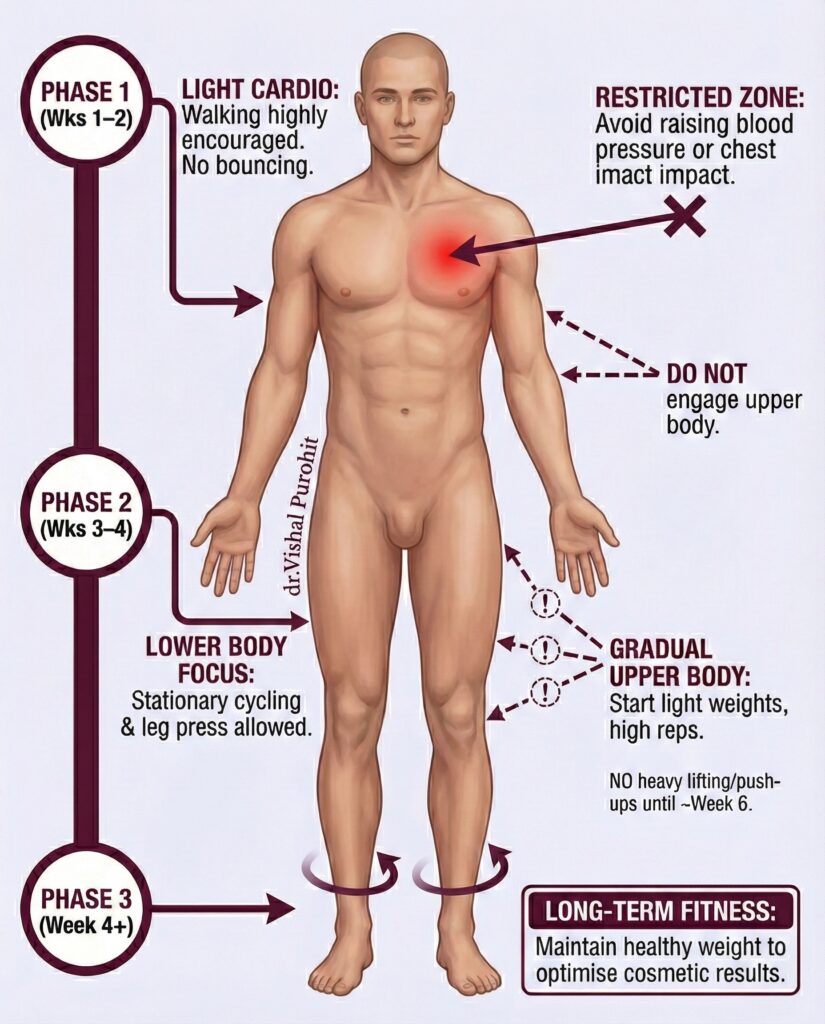
Learn more about how fitness impacts your results in our guide to Gynecomastia & Physical Activity.
Holistic Recovery: Diet & Emotions
Recovery isn’t just physical; it is emotional and nutritional as well.
Diet for Healing
- Hydration: Increase water intake to help flush out anaesthesia and reduce swelling.
- Nutrition: A diet rich in proteins, vitamins (especially Zinc and Vitamin C), and minerals supports tissue repair. Avoid high-salt foods, which worsen swelling.
Emotional Recovery
It is common to feel an “emotional rollercoaster” post-surgery. You may feel immediate relief, followed by impatience with the swelling.
- Body Image: Adjusting to your new body takes time. Research indicates that addressing these psychological aspects is crucial for a holistic recovery.
- Support: Don’t hesitate to lean on friends or family during the first few days.
Frequently Asked Questions
What is the typical recovery timeline after gynecomastia surgery (first 48 hours, first week, 1 month, 3 months)?
The immediate recovery period, covering the first 48 hours, usually involves a short hospital stay or day-care discharge. Patients are generally discharged on the same day or the first day following the operation, especially when drains are not routinely used or are removed early. In some protocols, patients are instructed to remove the elastic bandage 24 hours after the operation while keeping a chest binder on to maintain compression. During this initial phase, it is common to experience some discomfort, which is managed with oral analgesics.
During the first week, the focus shifts to wound care and monitoring for early complications. If drains were placed, they are typically removed within this period, often when drainage volume decreases to less than 20 to 30 ml per 24 hours. Patients are usually seen in the clinic for removal of the bandage and assessment of the wounds. By the end of the first week, many patients are able to return to light, sedentary daily activities, although arm movements may still be restricted.
By the one-month mark, the recovery process is well underway. Most patients are advised to continue wearing compression garments during this time to minimise swelling and support the skin as it retracts. While the initial healing of incisions is complete, the internal tissues are still settling. Some patients may still be required to wear a compression garment, which was continued for 3 months in certain studies, to ensure optimal contouring.
At three months and beyond, the long-term results begin to finalise. Fine suture tracks or incision lines often become unnoticeable at 3 months, and the chest contour stabilises. While significant improvement is visible earlier, the final aesthetic outcome, including the complete resolution of swelling and skin retraction, is generally evaluated around this time or up to 6 months postoperatively.
How long do swelling, bruising and numbness usually last and when will I see the final results?
Swelling and bruising are expected sequelae of the surgery, but are temporary. Ecchymosis (bruising) is typically present for 1 to 2 weeks, disappearing gradually as the body heals. Some swelling of the operative field may persist for several weeks postoperatively, obscuring the final contour initially. However, in most cases, the skin appears to drape normally once the compression garment is removed.
Numbness or changes in sensation are also common, particularly in the nipple-areolar complex. Transient nipple hypoesthesia (reduced sensation) was noted postoperatively in several patients, but this is often reversible. Complete recovery of sensation can take time; for example, complete recovery was achieved within 2–6 months in some studies. In other cases, hypoesthesia recovered to a degree that could not be recognised by patients after 1 year.
The final aesthetic results require patience as the tissues heal and settle. While immediate improvements are visible, the reduction of oedema and reaffirmation of the tissue is progressive. It is suggested that the result should not be judged before two months or even up to six months to understand the true scope of the treatment.
Ultimately, the timeline for seeing the final shape depends on skin elasticity and the extent of the surgery. Cutaneous retraction of the areola may be noticeable one month after surgery and can be maximal at six months. Therefore, while early results are encouraging, the definitive contour is best assessed several months down the line.
When can I return to work, drive, and resume light exercise versus heavy lifting or gym workouts?
Returning to work and driving largely depend on your comfort level and the nature of your occupation. Patients are often allowed to return to their daily activities right after the surgery, provided they avoid excessive movement of the shoulder. For sedentary or desk jobs, this return can be quite rapid, sometimes as early as the next day or within the first week.
Resuming light exercise involves a gradual increase in activity. Exercise involving shoulder muscles is generally recommended after 2 weeks of the surgery. This allows the initial healing of the incisions and prevents fluid accumulation that could be triggered by early movement.
For heavy lifting and gym workouts, a longer period of rest is advised to prevent complications like hematoma or seroma. Patients are typically asked to refrain from any strenuous activity for 3 weeks. In some cases, to prevent hematoma and seroma formation, patients are advised to refrain from physical activities for a period of 4 to 6 weeks postoperatively.
It is crucial to follow these timelines to protect the surgical site. In specific protocols, patients resume routine work from the next day of surgery but are advised to avoid heavy weight lifting and the gym for 3 weeks postoperatively. Adhering to these restrictions ensures that the chest muscles heal properly without undue strain.
How long must I wear a compression garment, and what is the correct way to use and care for it?
Wearing a compression garment is a critical part of postoperative care to ensure skin retraction and prevent fluid buildup. Patients are generally instructed to wear a pressure garment day and night for a total of 6 weeks. This constant pressure helps the skin of the breast adhere to the underlying tissues and reduces the risk of seroma.
The duration and usage pattern can vary based on the surgical extent and the surgeon’s preference. Some protocols suggest wearing customised pressure garments continuously for 10 days and then on/off for 3 months. Others recommend a compression dressing for 5–7 days, followed by 1 month of wearing a tight shirt to facilitate tissue accommodation.
In certain cases, particularly for overweight patients or those with larger resections, the duration may be extended. Based on retrospective data analysis, some surgeons extended the duration of the compressive dressing to a 3-week period following surgery to minimise complications. The garment should be applied smoothly to the skin to avoid folds that could cause pressure sores or irregularities.
Care for the garment usually involves wearing it continuously except for showering. In one study, patients were instructed to wear the binder continuously, except while showering, for the subsequent 2 weeks. Ensuring the garment fits snugly but not excessively tight is important for both comfort and efficacy in reducing swelling.
What warning signs or complications should prompt me to contact my surgeon during recovery?
You should contact your surgeon immediately if you experience signs of a hematoma, which is a collection of blood at the surgical site. This may present as sudden swelling, pain, or bruising. In a review of complications, hematoma was noted as the most common perioperative complication, sometimes requiring surgical evacuation.
Another warning sign is the development of a seroma, which is a fluid collection under the skin. This can manifest as a fluctuating swelling or fullness. While some seromas resolve spontaneously, others may require weekly percutaneous drainage or needle aspiration to prevent infection and contour deformities.
Signs of infection, such as increasing redness, warmth, discharge, or fever, also warrant immediate medical attention. Although rare, wound infection can occur and may lead to abscess formation if not treated promptly. Additionally, any signs of skin compromise, such as darkening or loss of tissue (necrosis), particularly of the nipple-areola complex, should be evaluated at once.
Finally, persistent contour irregularities or delayed healing should be discussed. While some issues like hypertrophic scars or sensory changes are often managed conservatively over time, significant asymmetry or deformity might require intervention. Keeping an open line of communication with your surgeon about any unusual changes ensures these issues are addressed effectively.
Ready to Start Your Journey?
A smooth recovery starts with a successful surgery. If you are ready to reclaim your confidence, Dr. Vishal Purohit is here to guide you every step of the way.
- 📞 Call/WhatsApp: +91 7718183535
- 📍 Visit Us: Kalpana Aesthetics, 2nd Floor, Jaipur Hospital, Mahaveer Nagar, Tonk Road, Jaipur
- 📅 Book Your Consultation Today
Disclaimer: The content provided in this blog post is for informational and educational purposes only and does not constitute medical advice, diagnosis, or treatment. Always seek the advice of a qualified healthcare provider or board-certified plastic surgeon regarding your specific medical condition. Dr. Vishal Purohit is not liable for any decisions made based on this information.

 English
  Hindi
Hindi