
Want a sharper V-line profile? You can get it by removing the buccal fat pad. This is a pocket of fat in your mid-cheek area.
Removing this fat slims your lower face. It gets rid of “chipmunk cheeks” and makes your jawline and cheekbones stand out.
Our board-certified plastic surgery clinic in Jaipur uses a precise method. We focus on sculpting your face carefully.
We remove deep fat to create that V-shape. However, we keep the volume in your upper cheeks. This prevents you from looking hollow or older.
If you want a more refined look, professional buccal fat pad removal in Jaipur is a great choice.
Our technique is minimally invasive. This means there are no visible scars, and you can recover quickly.
How V-Line Sculpting and Jawline Definition Work
Reducing lower cheek volume changes how light hits your face. It removes the fullness that hides your bones. This process defines your jawline by adding a shadow to your mid-cheek.
This shadow helps create a V-shaped facial profile. It makes the line from your cheekbones to your chin look sharper. This is the main goal of professional facial contouring.
Your jawline definition improves when your lower face is slimmer. This highlights the mandibular body and the angle of your jaw. You get a lean, sculpted look called the “inverted triangle of youth.”
Preserving Malar Volume: Avoiding the Gaunt Look
The goal is to remove fat from your lower cheeks. At the same time, we keep your upper cheekbones full.
This balance is called malar volume preservation. It means keeping the volume in the high part of your cheeks.
Without this, your face may look sunken. This can make you look older.
Proper volume retention keeps your face looking young. We only target the deep fat pockets that make your face look round.
This keeps your look fresh and lifted. It prevents your cheeks from looking hollow.
Ensuring Facial Contour Symmetry and Balance
A natural look is about more than just removing fat. We focus on aesthetic balance. This makes sure your face looks great from every angle.
We treat your face as one whole piece. We do not just treat two separate sides.
- Correcting Facial Asymmetry: Most people have small differences between each side of their face. We fix this facial asymmetry by adjusting how much fat we remove.
- Bilateral Sculpting: We use bilateral sculpting to mirror the results on both cheeks. This keeps shadows and highlights even on your mid-face.
- Creating a Symmetrical V-Line: We aim for a symmetrical V-line. It should flow smoothly from your cheekbones to your chin. This stops one side from looking flatter.
- Managing Expectations: Every face is unique. Perfect mirror images are not always possible. We discuss expectations on symmetry during your visit.
How Your Skin Changes and Heals
After the fat is removed, your face begins to heal. Your skin must now adjust to your new, slimmer shape.
- Initial Tissue Retraction: When the fat is gone, the remaining tissues pull back. This tissue retraction helps your skin sit closer to your face.
- Natural Skin Tightening: Your skin starts to tighten. It shrinks a bit to fit your smaller cheeks.
- Developing a Bone-Like Contour: As your skin settles, it shows a bone-like contour. This makes your cheekbones look sharper and more defined.
- Functional Recovery: Your face now enters functional recovery. Swelling goes down and your muscles move naturally again.
Customised Sculpting for Jaipur’s Unique Facial Morphology
We tailor every procedure to fit Indian facial structures. People in this region often have unique bone shapes and fat patterns.
We study Jaipur demographics to understand these common traits. This ensures your results look natural and fit your heritage.
We use anatomical precision to decide how much fat to remove. We never use a one-size-fits-all plan.
We analyze your local patient anatomy by measuring skin thickness and face contours. This keeps your face balanced and prevents over-correction.
Our goal is a sculpted look that respects your natural features. We focus on how fat sits in the cheeks of our local patients.
This approach creates a sharp V-line. At the same time, it keeps your ethnic beauty.
FAQs on V-Line Sculpting and Buccal Fat Removal
How long is the recovery time after the procedure?
You will usually recover in one to two weeks. Swelling is worst around day three and then goes away. You can start light activities again quickly.
Will this procedure improve my cheekbone definition?
Yes. Removing fat from your inner cheeks makes your cheekbone definition stand out. It gets rid of the fullness hiding your bone structure. This gives you a sharper, sculpted look.
What are the surgical risks I should know about?
Every surgery has some surgical risks. You might have bruising or feel numb for a short time. Infection or uneven results are rare. A skilled surgeon knows how to handle these risks.
When will I see my final V-line results?
You will see early V-line results as the swelling drops. The final shape appears after a few months. This happens once your skin settles into the new contour.
Does this procedure leave visible scars?
No. The doctor makes the cuts inside your mouth. This is a chupa hue nishaan (hidden mark) method. You will have no scars on the outside of your face.
Achieving the Perfect Balance
A great V-line happens when you combine malar preservation and buccal fat removal. This means keeping volume in your upper cheeks while removing fat lower down.
This mix stops your face from looking hollow. It also makes your jawline look sharper.
To get these results, you need a board-certified expert in the Jaipur region. They understand your local facial structure to get the look just right.
Ready for a change? Book your facial contour assessment today to see if this procedure is right for you.
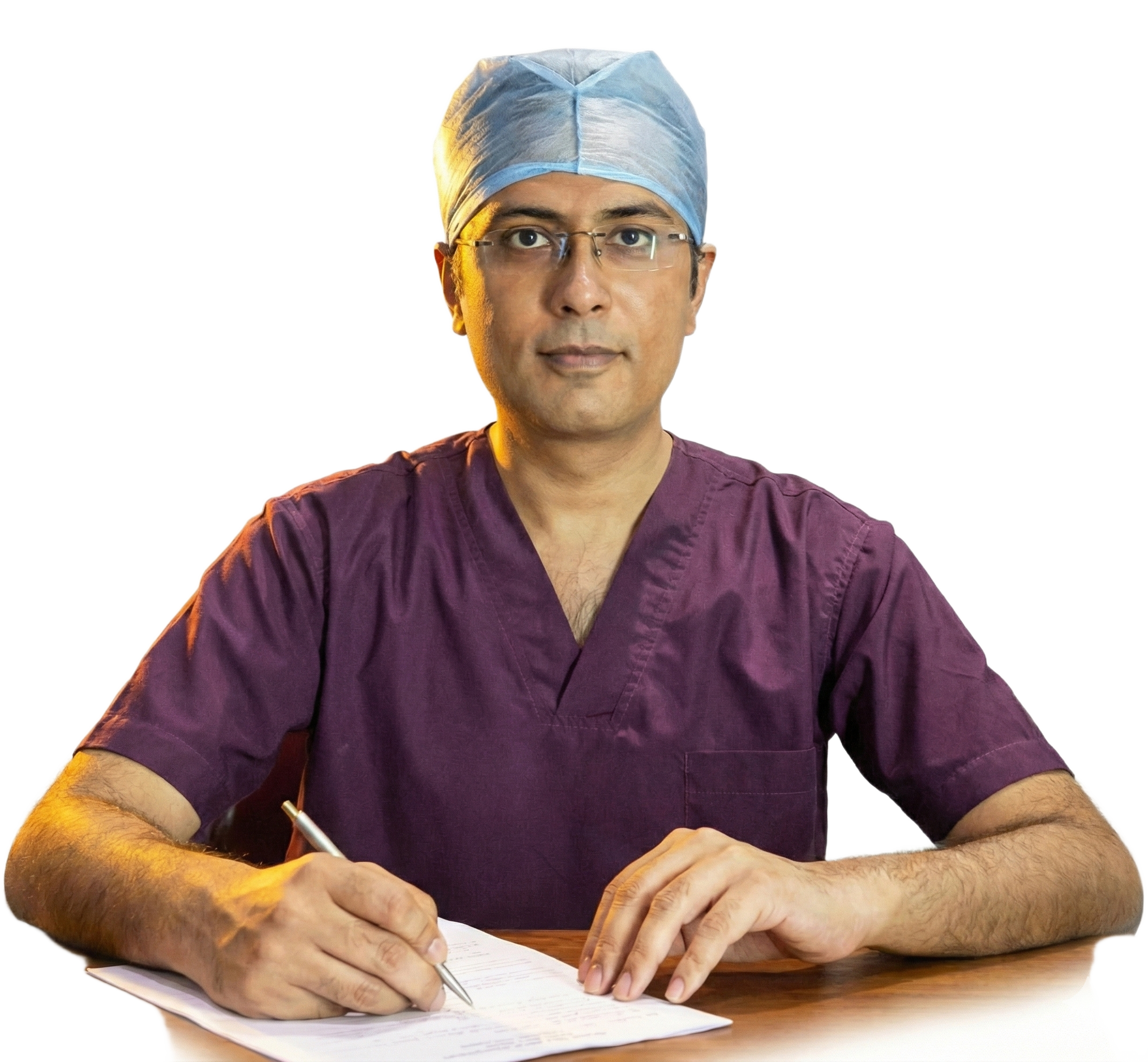
Dr. Vishal Purohit specialises in combination therapies to ensure the most natural, masculine result possible.
📞 Call/WhatsApp: +91 7718183535
📍 Visit Us: Kalpana Aesthetics, Jaipur
📅 Book Your Evaluation
Disclaimer: The content provided in this blog post is for informational and educational purposes only and does not constitute medical advice. Individual results vary. Always consult with a board-certified plastic surgeon.
 English
  Hindi
Hindi