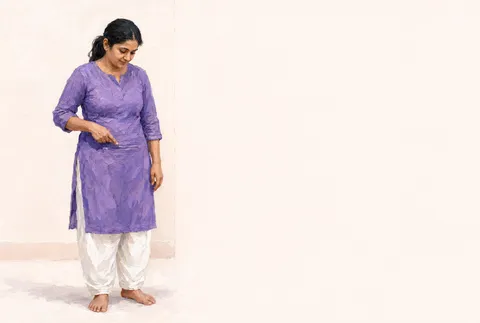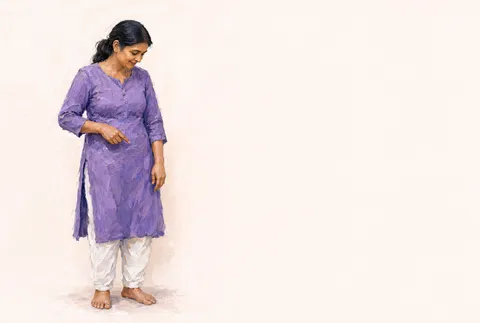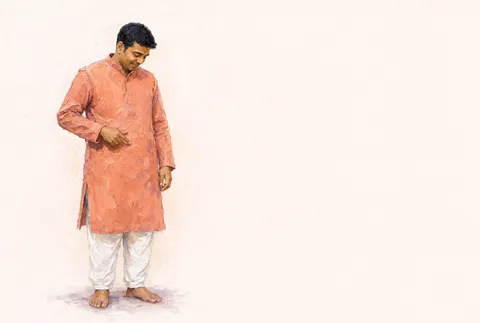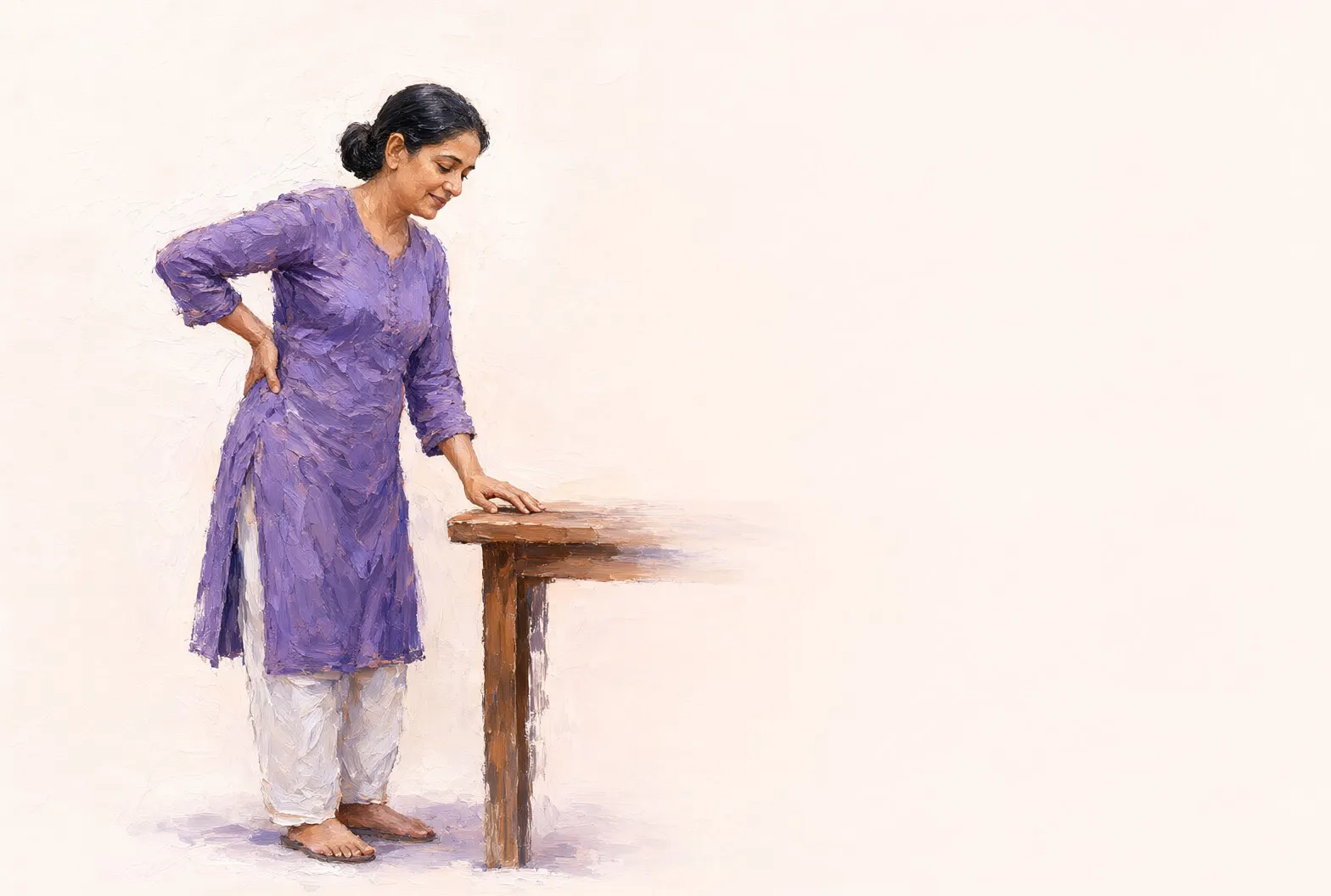
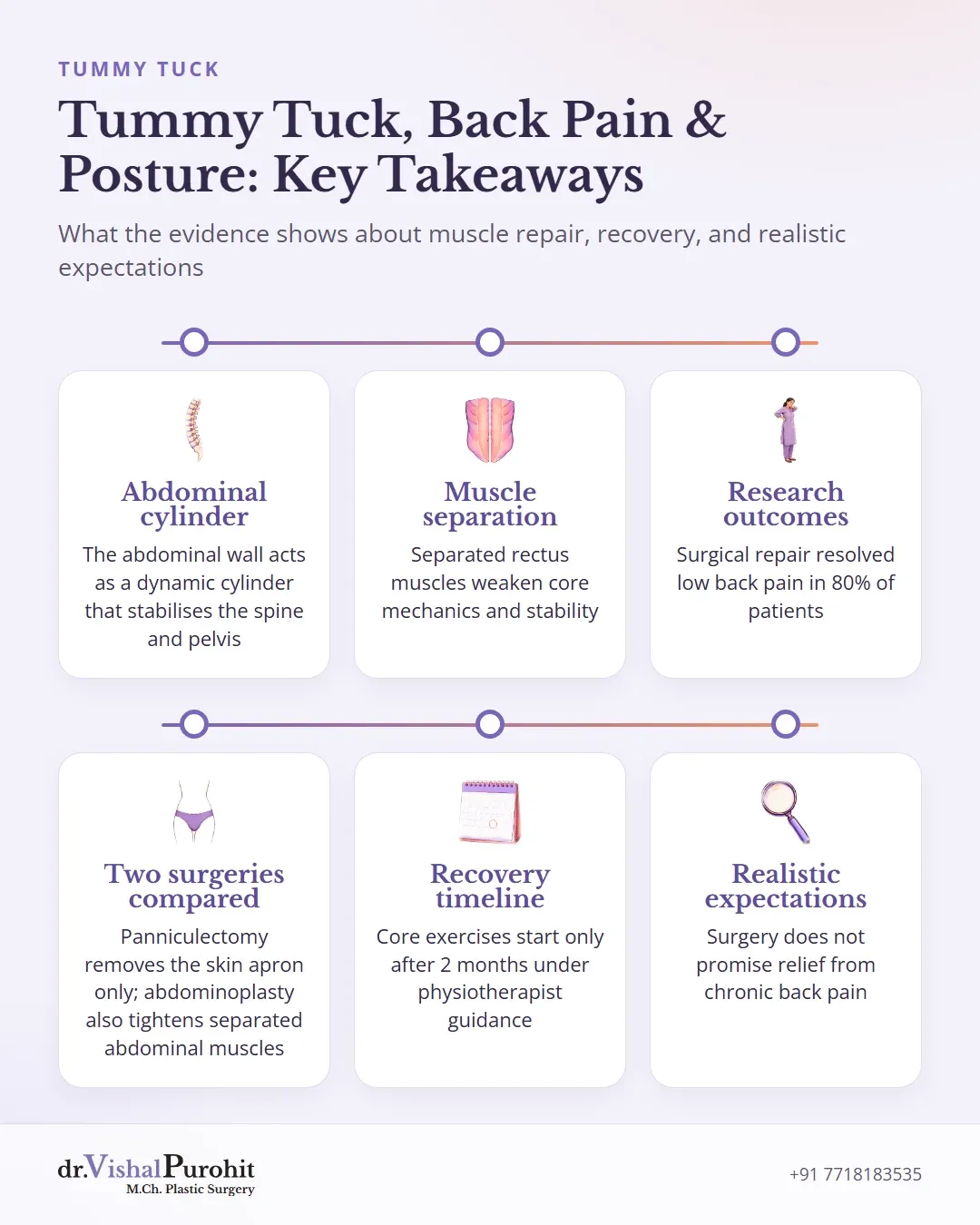
The anterior abdominal wall functions as a supportive cylinder that helps stabilise the spine and pelvis. When pregnancy or weight gain stretches the midline tissue, separated rectus muscles weaken core mechanics, often contributing to lumbar strain and posture changes.
Surgical correction brings separated muscle edges together and removes redundant tissue. Readers wondering about structural repair can learn what is a tummy tuck and how does it flatten the stomach to understand how internal plication restores dynamic support across the torso.
How the Abdominal Wall Supports the Spine
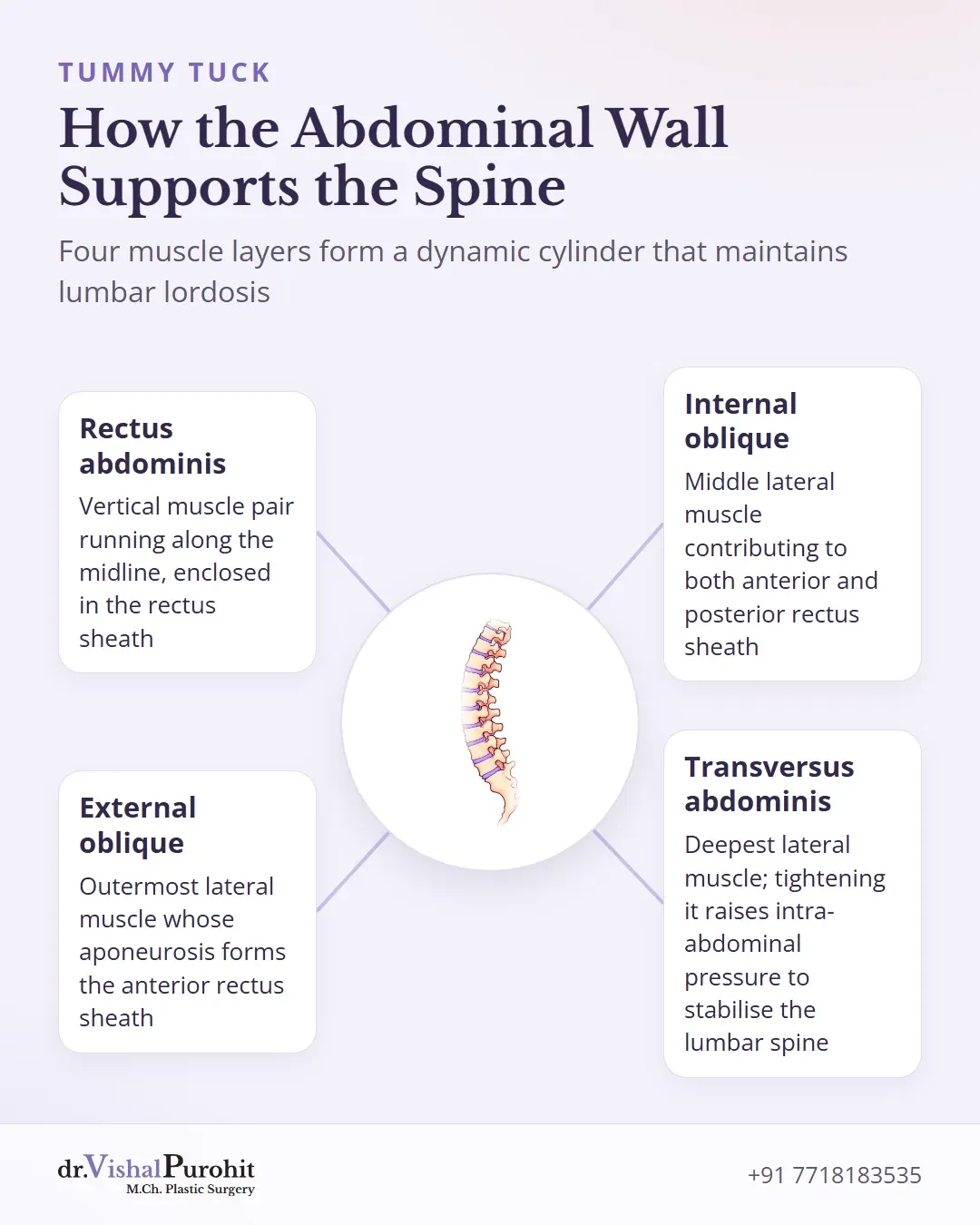
The anterior abdominal wall functions as a dynamic support cylinder for the torso. Anatomically, it consists of four paired muscle groups deep to the subcutaneous tissue:
- Rectus abdominis
- External oblique
- Internal oblique
- Transversus abdominis
The aponeurotic portions of the oblique and transversus muscles envelop the rectus abdominis to form the rectus sheath, joining along the midline at the linea alba.
An intact abdominal wall contributes to trunk stability by sustaining adequate intra-abdominal pressure. Tightening the lateral abdominal complex raises intra-abdominal pressure, which helps stabilise the lumbar spine.
Furthermore, restoring proper muscle tension improves force-length mechanics, allowing stabilizing muscles to function with lower energy expenditure. Attachments of the thoracolumbar fascia exert an anterior force vector in the lumbar spine; supporting natural lumbar lordosis helps enhance spinal stability and alleviate low back pain.
When pregnancy or weight gain stretches the linea alba, the rectus abdominis muscles separate, diminishing core stability.
Dr. Purohit’s note: During abdominoplasty, Dr. Purohit repairs separated rectus muscles (diastasis recti) with No. 1 looped PDS sutures whenever present.
Reapproximating the midline restores anatomical tension across the abdominal cylinder, rebuilding the wall that supports spinal alignment.
Muscle Separation and Back Pain
During pregnancy, advancing age, or weight gain, the midline connective tissue of the abdomen can stretch, causing the rectus abdominis muscle pillars to separate.
This separation, known as diastasis recti, frequently coexists with low back pain and poor stability of the lumbopelvic core.
What the Research Indicates
Clinical studies demonstrate that repairing this muscular separation can influence mechanical symptoms:
- In surgical series addressing diastasis, correcting the defect significantly lessened back discomfort, with low back pain resolving in 80% of patients within 7 to 30 days.
- Operative plication has also been documented to improve daily functional limitations and correct posture defects.
- Physiotherapy targeted at motor control can mitigate separation in some individuals, though persistent defects often require formal repair.
What Studies Do Not Show
Research does not show that surgery eliminates all lumbar complaints. Few trials have evaluated long-term spinal biomechanics, and operative correction remains controversial as a primary medical therapy for spinal issues.
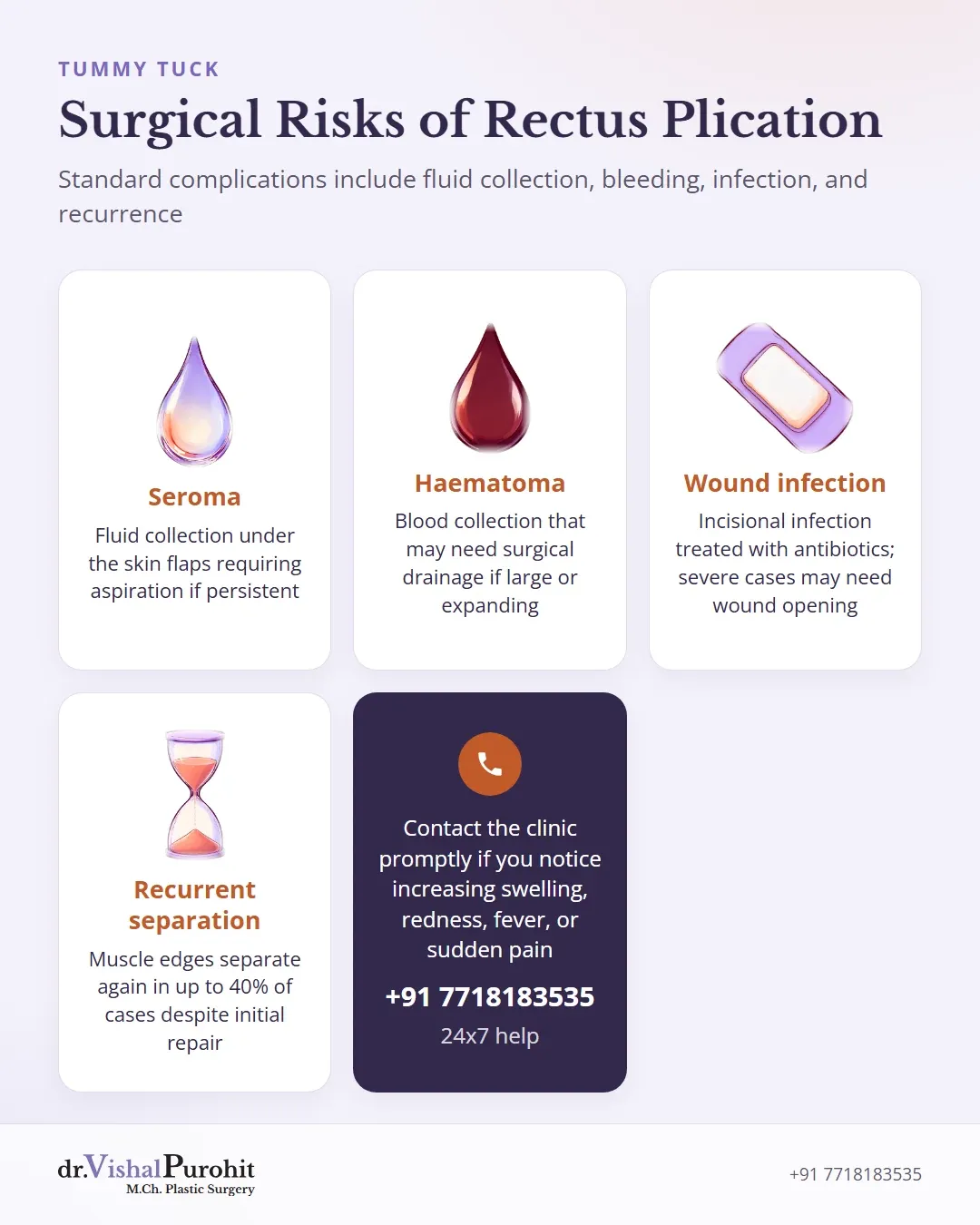
Plication of the anterior rectus sheath is associated with surgical risks such as seromas, haematomas, and wound infection, with recurrences reported in up to 40% of cases.
In Dr. Vishal Purohit’s practice, separated rectus muscles are repaired during an abdominoplasty when diastasis is present.
What Studies Report After Repair
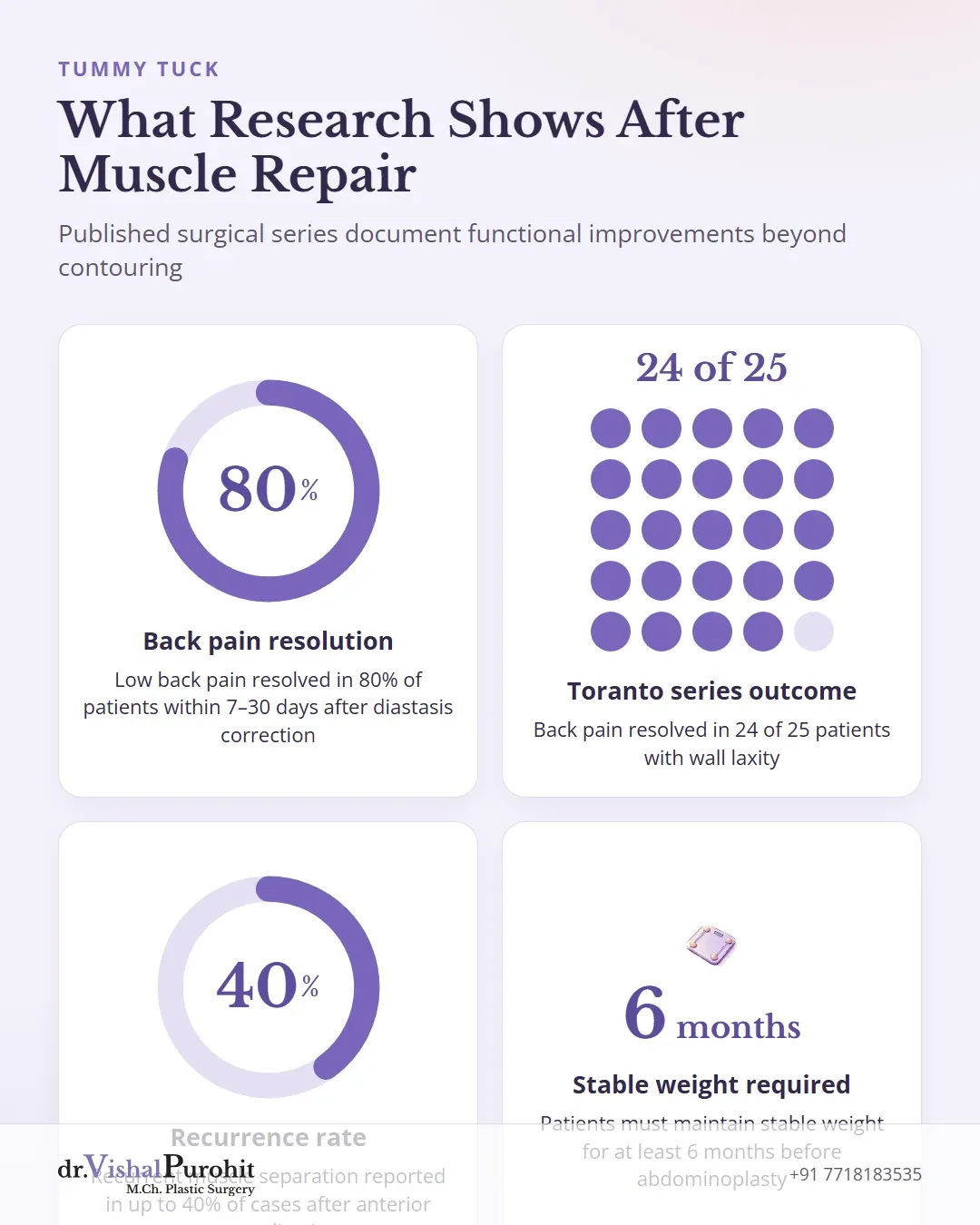
Medical literature shows that repairing separated abdominal muscles (diastasis recti) during abdominoplasty can yield functional improvements beyond abdominal recontouring. Restoring structural support to the lumbar spine helps stabilise the core and reduce strain on back musculature.
Published surgical reports highlight several documented physical changes:
- Back pain relief: In a classic series reported by Toranto, 24 of 25 patients with pronounced abdominal wall laxity experienced resolution of pre-existing low back pain after wide rectus plication abdominoplasty.
- Postural stability: Clinical documentation shows noticeable improvements in ambulation, core stability, and overall physical functioning following wide muscle repair.
- Associated symptoms: Reports also note the amelioration or resolution of coexisting stress urinary incontinence and digestive discomfort following muscle tightening and the removal of the protruding abdominal tissue mass.
These documented outcomes reflect specific findings in surgical publications, presented purely as general medical information rather than promised individual results.
While a tummy tuck is primarily designed for body contouring rather than weight reduction, restoring abdominal wall integrity often produces meaningful improvements in everyday physical comfort.
A Heavy Lower Abdomen
Major weight loss or pregnancy can leave behind a heavy fold of redundant tissue across the lower abdomen. Often described as an abdominal apron or pannus, this overhang consists of subcutaneous fat and lax skin.
Key points
- A heavy abdominal apron can impair movement and cause lower back pain.
- Panniculectomy removes the overhanging apron of tissue, while abdominoplasty also tightens the abdominal wall muscles.
- A tummy tuck is intended for body contouring rather than weight loss.
The physical burden of carrying this excess tissue can impair physical function, restrict daily movement, and contribute to debilitating low back pain.
Panniculectomy and Abdominoplasty
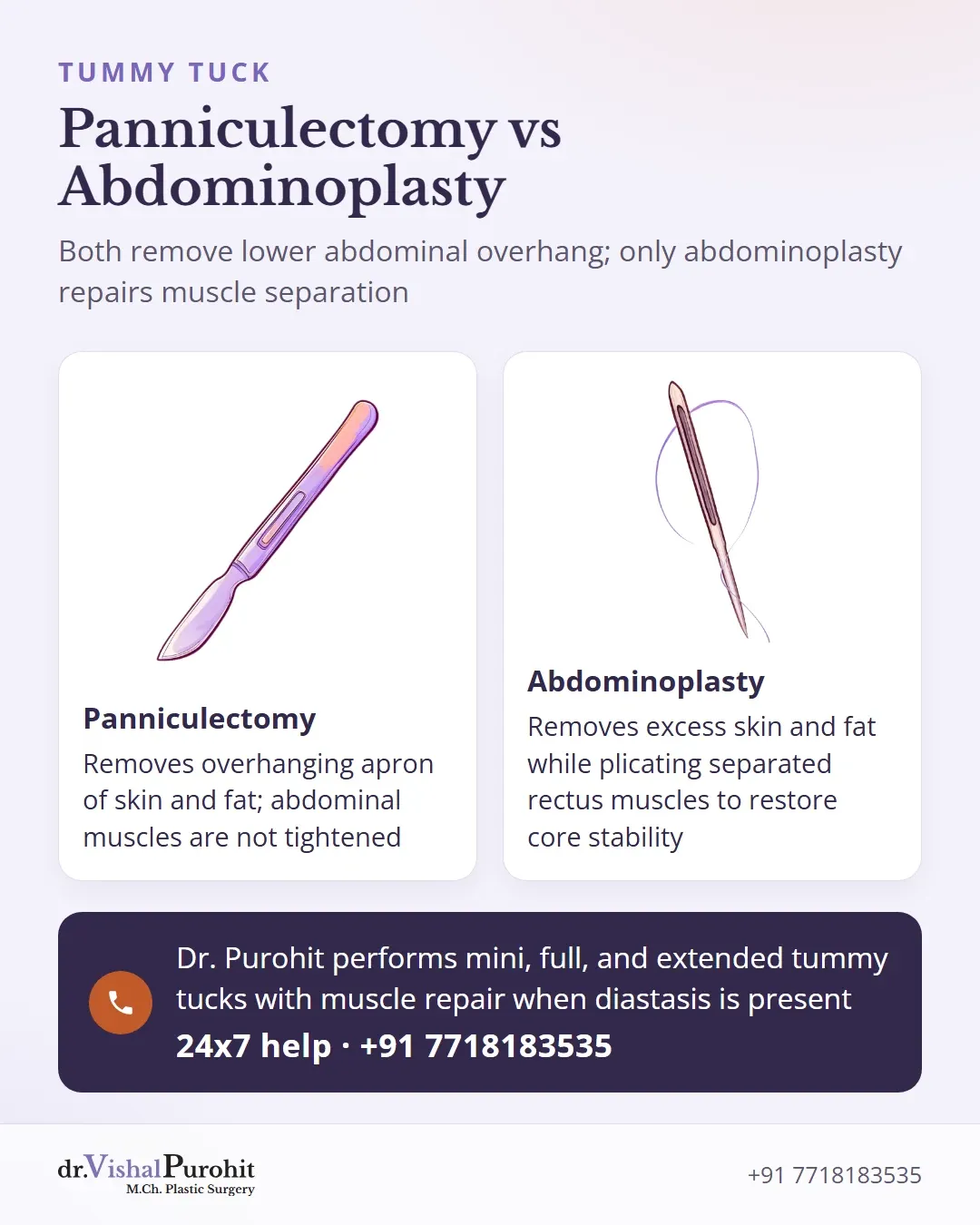
For an apron of skin that hangs down significantly, surgical options depend on the underlying anatomy and functional needs:
- Panniculectomy: This procedure removes the overhanging apron of lower abdominal skin and fat. It is often performed after massive weight loss when the pannus causes functional impairment, chronic skin inflammation, or difficulty with walking. In a panniculectomy, the abdominal muscles are not tightened.
- Tummy tuck (abdominoplasty): In contrast, an abdominoplasty removes excess lower abdominal skin while also repairing separated abdominal wall muscles. In a mini tummy tuck, the navel is left in place, whereas in an abdominoplasty, the navel is never removed.
In his practice in Jaipur, Dr. Vishal Purohit performs mini, full, and extended tummy tucks, as well as lipoabdominoplasty. He repairs separated rectus muscles whenever diastasis is present.
A tummy tuck serves as a body contouring procedure rather than a method for weight loss, and he requires that a patient’s weight remain stable for 6 months before surgery. For a tummy tuck, he requires a minimum age of 21 and a BMI roughly between 18 and 24.9.
Rebuilding the Core After Surgery
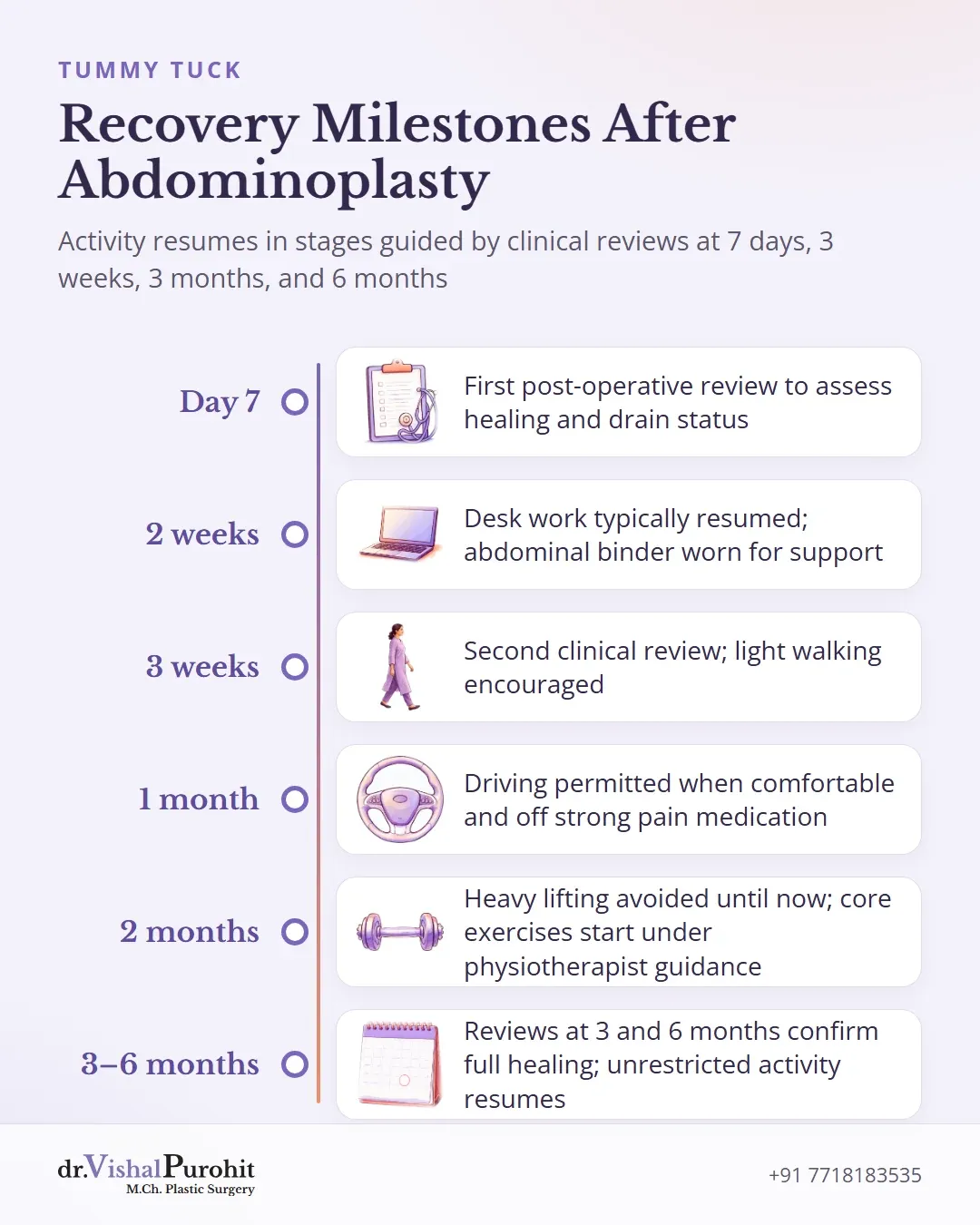
Healing after abdominoplasty requires time and caution, particularly when rectus diastasis repair has brought separated muscles together. The newly repaired tissues need adequate rest to gain strength, meaning core-focused physical exertion cannot begin immediately after surgery.
Key points
- Core tissues need adequate time and rest to regain strength after muscle repair.
- Daily activities and exercise are resumed in gradual stages following clinical reviews.
- Core exercises should only be reintroduced after two months under physiotherapist guidance.
In Dr. Purohit’s practice, daily activities and exercise are reintroduced in distinct stages:
- Desk work is typically resumed after about 14 days, as detailed in his return-to-work guidance.
- Driving is permitted after about 1 month.
- Heavy lifting is avoided until after about 2 months, with no fixed kilogram limit; it depends on arm and forearm strength, and any weight that tightens the abdominal muscles is avoided.
Exercise must be built up gradually following scheduled clinical reviews. Dr. Purohit reviews patients at about day 7, 3 weeks, 3 months and 6 months to evaluate healing before allowing increased activity.
Patients are not able to perform core exercises during the early recovery phase. While surgery repairs physical muscle separation to help restore the abdominal profile, it does not promise relief from back pain or ensure functional improvements.
Return to core exercise such as planks, crunches, and gym machines after the 2-month review is guided by a physiotherapist, which Dr. Purohit prefers in order to prevent injury in over-eager patients.
Abdominal Wall Reconstruction and Consultations in Jaipur
Restoring separated core muscles and removing heavy overhanging tissue can significantly improve torso mechanics and physical comfort. Prospective patients seeking a tummy tuck in Jaipur undergo a comprehensive anatomical evaluation to determine whether plication is indicated.
Surgical planning, hospital stays, and milestone timelines can be explored in detail through the recovery and abdominal function overview.
This is educational information, not medical advice.